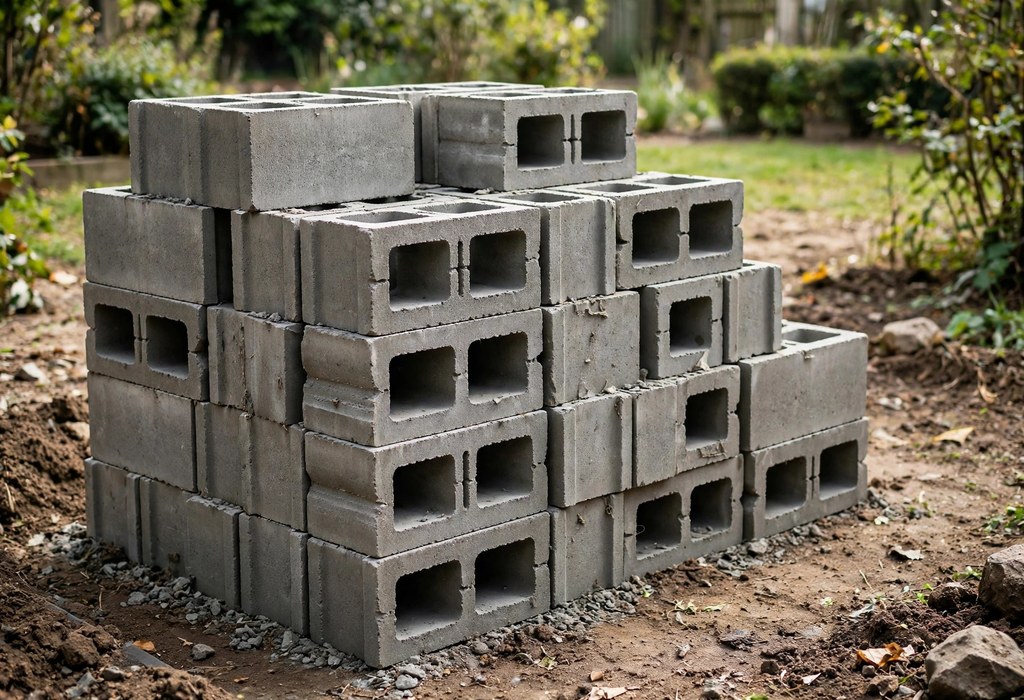
Almost every store labels its concrete blocks as cinder blocks today. Manufacturers stopped using coal cinders decades ago, so true cinder blocks no longer reach stores. Both names now describe the same concrete masonry unit you stack into a raised bed.
Gardeners still say cinder block because hardware stores kept the old nickname after the recipe changed. Understanding the real difference helps you buy the right block and build with confidence. This guide explains the history, the composition, and exactly what to ask for at the store. Additionally, you will learn how to spot quality blocks before loading your truck.
The Short History of the Name
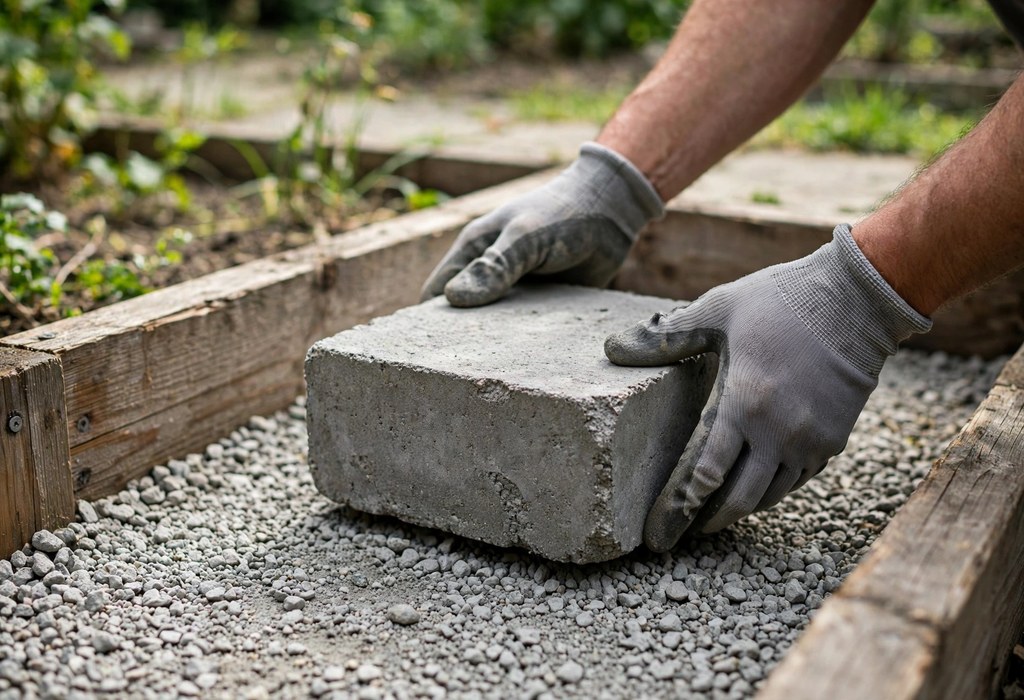
Builders coined the term cinder block in the early twentieth century for a specific product. For example, manufacturers mixed Portland cement with coal cinders, the ash left over from burning coal. These light blocks suited non-load-bearing walls and cost very little to produce. The name stuck even after manufacturers switched to stone and gravel aggregate in later decades.
Coal plants closed or modernized, consequently the cheap cinder supply dried up. Manufacturers needed denser aggregate, therefore they turned to crushed stone, sand, and gravel. Meanwhile, shoppers kept asking for cinder blocks by name, and stores kept using the label.
What a True Cinder Block Actually Was
A true cinder block contained coal ash or cinders as its main aggregate. The resulting block felt rough, porous, and noticeably lighter than modern blocks. However, its compressive strength ranged far below the standards builders require today. In contrast, modern concrete blocks reach much higher strength ratings with ease.
What Stores Sell Today: The Concrete Masonry Unit
Walk into any home improvement store and you will find concrete masonry units, or CMUs. Manufacturers produce these blocks from Portland cement, water, sand, and crushed stone aggregate. Some lightweight versions use expanded shale or clay; however, they still count as concrete blocks. The industry label for every one of these blocks is concrete masonry unit, or CMU.
Garden centers stock the same gray hollow blocks contractors use for foundations and walls. Start your cinder block raised garden bed with standard concrete blocks from any local store. For example, a typical 8x8x16 block weighs between 28 and 35 pounds. Consequently, that heft signals density, strength, and long outdoor life.
Comparing Weight, Strength, and Appearance
Side-by-side comparisons reveal clear differences between old cinder blocks and modern CMUs.
- Weight: old cinder blocks weighed about 20 pounds, while modern blocks weigh 28 to 55 pounds.
- Composition: manufacturers mixed coal cinders into old blocks, but they mix stone and sand into modern blocks.
- Strength: modern CMUs deliver far higher compressive strength, so they resist soil pressure for decades.
- Appearance: old blocks looked darker and more porous, whereas modern blocks show a smoother, denser gray surface.
- Durability: modern blocks withstand frost heave and constant moisture much better than their brittle predecessors.
Weight gives you the quickest field test when old and new blocks sit side by side. Additionally, tap the block with your knuckle, since dense concrete rings while porous cinder thuds. Finally, check the color, because true cinder blocks often show a darker, soot-tinged gray.
Which Block Should You Buy for a Raised Bed?
Buy the standard gray concrete blocks that every home improvement store stocks. Choose the common 8 by 8 by 16 inch hollow core size for easy stacking. These blocks suit a dry stack build, where gravity and friction hold each course together.
Avoid salvaged blocks from unknown sources, since old cinder units may crumble under soil pressure. Moreover, a gravel base and level first course keep the whole bed stable for years. Additionally, fill the hollow cores with topsoil or compost, then plant herbs into the openings.
What to Ask When You Buy
Ask the clerk for standard concrete masonry units rather than requesting cinder blocks by name. Stores sell several block types, therefore confirm you are getting hollow core structural units. Similarly, check that each pallet label reads concrete masonry unit or CMU.
Inspect blocks for cracks, chips, or crumbling edges before loading them. Reject any unit that feels unusually light, because weak blocks fail faster outdoors. Instead, pick blocks with clean edges and a uniform gray color.
Do Old Cinder Blocks Still Show Up?
You may find old cinder blocks in salvaged piles, demolition sites, or older sheds. These relics weigh less and often crumble at the edges when handled. Skip them for raised beds, since modern blocks outperform them in every way. Otherwise, you risk a bed that sags or collapses after a few wet seasons.
Why the Name Confusion Does Not Matter Much
For raised beds, the naming debate matters far less than the block quality. Moreover, modern CMUs hold soil, resist moisture, and last for decades outdoors. As a result, gardeners can focus on bed size, soil mix, and sun exposure.
Furthermore, standard blocks stack neatly without mortar, which simplifies every build. You can dry stack two courses for a comfortable working height.
Frequently Asked Questions
Are Cinder Blocks and Concrete Blocks the Same Thing?
Modern cinder blocks and concrete blocks are the same concrete masonry units.
Why Do Stores Still Call Them Cinder Blocks?
The old nickname stuck after manufacturers replaced coal cinders with stone aggregate.
Can I Use Old Cinder Blocks for a Raised Bed?
You can, but modern concrete blocks last longer and resist moisture better.
How Heavy Is a Standard Concrete Block?
A standard hollow 8x8x16 block weighs roughly 28 to 35 pounds.
What Should I Ask for at the Store?
Ask for standard hollow concrete masonry units, the blocks that builders use for foundations and walls.
Conclusion
Now you know the truth behind the cinder block name. Buy modern concrete blocks, stack them level, and fill your bed with rich soil. Then enjoy a sturdy, long-lasting bed that serves your garden for decades. Start your project this weekend and give your plants the strong foundation they deserve.