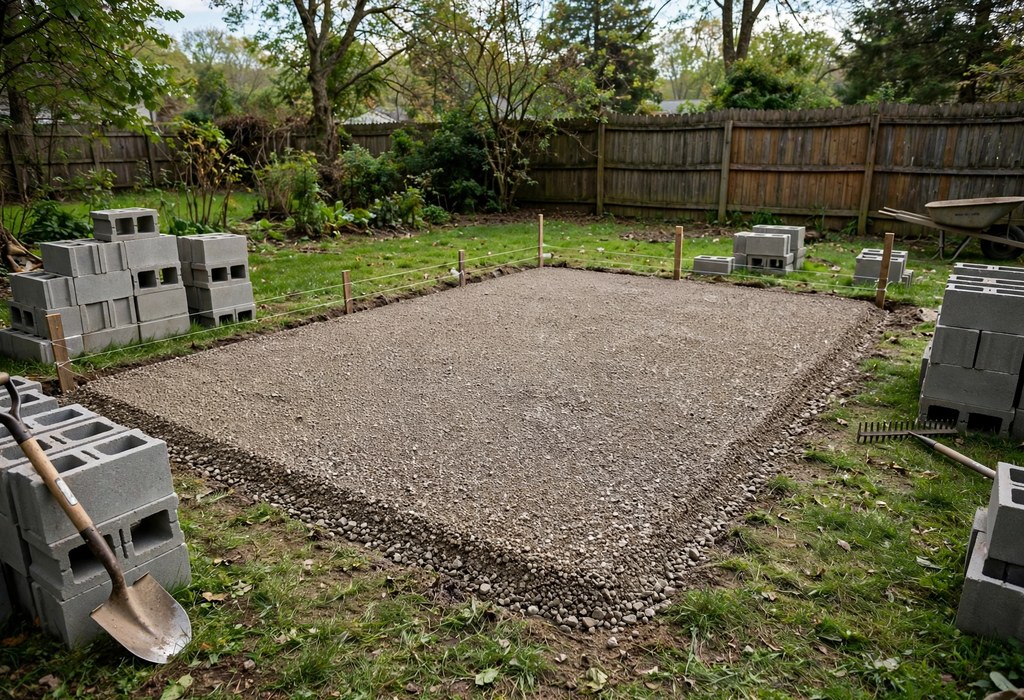
Keep your cinder block wall stable with a level base, staggered joints, and good drainage. Additionally, limit bed height to three or four courses for maximum stability. Inspect your cinder block raised garden bed each spring for early signs of movement.
Most shifting walls trace back to four causes: soft ground, water pressure, frost heave, and excessive height. However, you can prevent nearly all movement by preparing the base correctly before stacking blocks. This guide explains each failure cause, proven prevention methods, and practical fixes for walls that already lean. Read on for step-by-step solutions that keep your bed plumb for years.
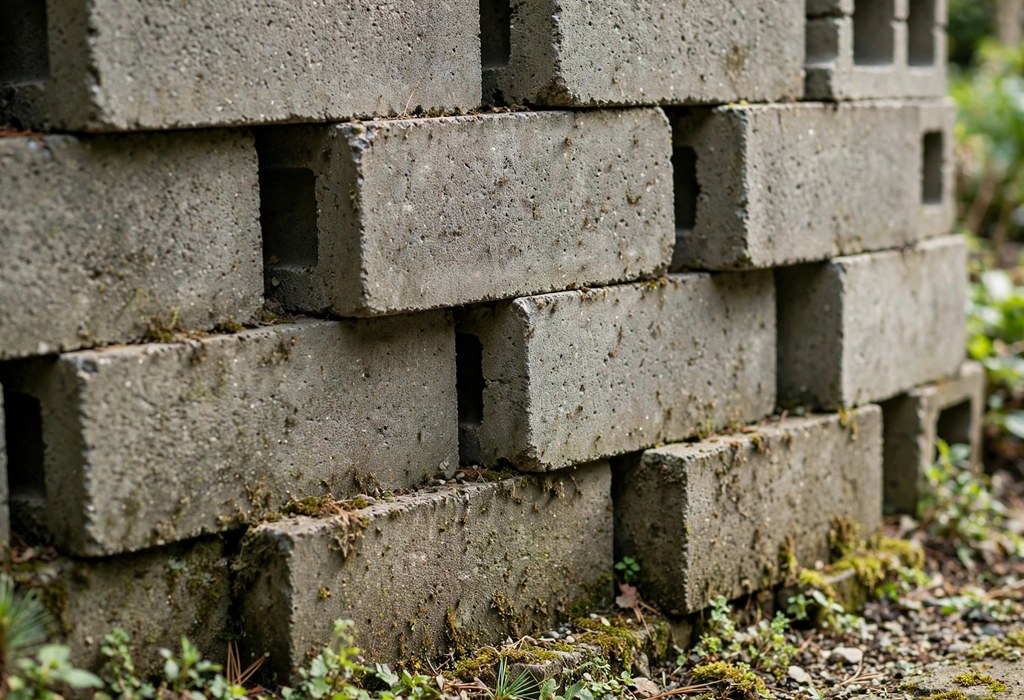
Why Cinder Block Walls Shift or Lean
Uneven or Soft Base
A cinder block wall needs firm, level support under every inch of its footprint. Additionally, soft topsoil compresses unevenly under heavy loads, and settled corners pull the whole course sideways. Moreover, beds placed on slopes let gravity tug each course downhill during rain events.
Water Pressure Behind the Wall
Saturated soil pushes hard against the back of the wall after every heavy storm. Furthermore, water trapped behind blocks creates hydrostatic pressure that slowly shoves courses outward. Soil mix without drainage stays soggy longer, so excess water multiplies the lateral force on the wall.
Frost Heave in Cold Climates
For example, frozen ground expands and lifts the base course unevenly during each winter freeze cycle. Meanwhile, spring thaw drops sections at different rates, so walls tilt slightly more each year. Consequently, northern gardeners must pay special attention to base depth and drainage design.
Height and Surcharge Load
Taller walls hold back more soil; consequently, that soil exerts greater outward pressure near the base. Similarly, heavy objects near the wall edge add surcharge load that pushes blocks outward. Keep compost piles, wheelbarrows, and deep mulch away from the wall face to reduce this load.
How to Prevent Shifting Before It Starts
Prevention starts before you stack a single block, and every step below costs little time. Therefore, treat the base and drainage as the most important part of the build. It covers leveling techniques that prevent nearly all future movement.
Level and Compact a Gravel Base
- Dig and tamp: remove the topsoil and tamp the subsoil firm along the entire footprint.
- Gravel layer: spread three to four inches of crushed gravel and compact it in thin lifts.
- Level check: verify the base with a long level, because even small dips grow into leans.
- Landscape fabric: lay fabric over the gravel instead of skipping it, to stop soil migration.
Stagger Joints and Keep Walls Low
Offset every vertical joint by half a block so no two courses share a continuous seam. Overlapping courses distribute loads across the wall instead of along one weak line. Additionally, keep most raised beds to three or four courses high for the best stability. In contrast, aligned vertical joints create a weak plane where walls split and slide.
Add Drainage and Backfill With Gravel
Place two to three inches of coarse gravel directly behind the lowest course before adding soil. For example, this gravel channel gives trapped water a fast escape path away from the wall. Slope the surrounding soil away from the bed so surface runoff never pools against the blocks.
How to Fix a Wall That Is Already Leaning
Small leans often stabilize once you remove the pressure that caused them. However, you must diagnose the cause first, because repeating the same construction mistake wastes the repair. For example, check whether the base sank, drainage failed, or the wall simply grew too tall.
Rebuild the Base Course
Remove the blocks from the leaning section and set them aside in course order. Then re-level the gravel base, compact it firmly, and restack the blocks with staggered joints. As a result, this simple reset corrects most minor leans in dry-stacked beds under three feet tall.
Retrofit Drainage Behind the Wall
Excavate the soil directly behind the leaning section to expose the full course height. Install a layer of coarse gravel sloped outward, so water drains away instead of pushing. As a result, the relieved pressure lets you restack the wall without fighting the soil.
Reinforce With Rebar and Concrete
For taller walls that must stay high, drive rebar through the hollow block cores into the ground. Additionally, fill those cores with concrete to bond the courses into a single rigid wall. This reinforcement resists lateral soil pressure far better than dry stacking alone.
When Rebuilding Is the Smarter Option
However, some walls move too far for spot repairs, and recognizing that limit saves wasted effort. Therefore, plan a full rebuild if the lean exceeds two inches over a four-foot height. Rebuild as well if courses twist, blocks crack, or the base course slides repeatedly each season.
Planning the new wall carefully prevents a repeat of the same failure. A properly sized block order keeps joints tight and courses consistent across the rebuild. Meanwhile, recycle sound blocks from the old wall to cut material costs on the rebuild.
Frequently Asked Questions
Why is my cinder block raised bed leaning to one side?
One side usually settled more, often because the base there holds more moisture or softer soil.
How do I fix a leaning cinder block wall without taking it apart?
You cannot push a leaning wall straight; instead, relieve water pressure and add bracing.
Will a cinder block raised bed shift during winter?
Frost heave can lift the base, so a deep gravel bed prevents most winter movement.
Should I use mortar to keep my cinder block bed from shifting?
Mortar helps taller walls; however, proper base preparation and drainage matter far more for low beds.
How deep should the gravel base be under a cinder block raised bed?
Spread three to four inches of compacted gravel, with deeper bases in freeze-prone regions.
Conclusion
In contrast, a stable cinder block bed comes from strong fundamentals, not luck or heavy materials. Therefore, level your base, manage water, stagger joints, and keep walls at a sensible height. Finally, check your beds each spring and fix small leans before they grow. Start your next build right: grab a shovel, spread that gravel, and stack with confidence this weekend.