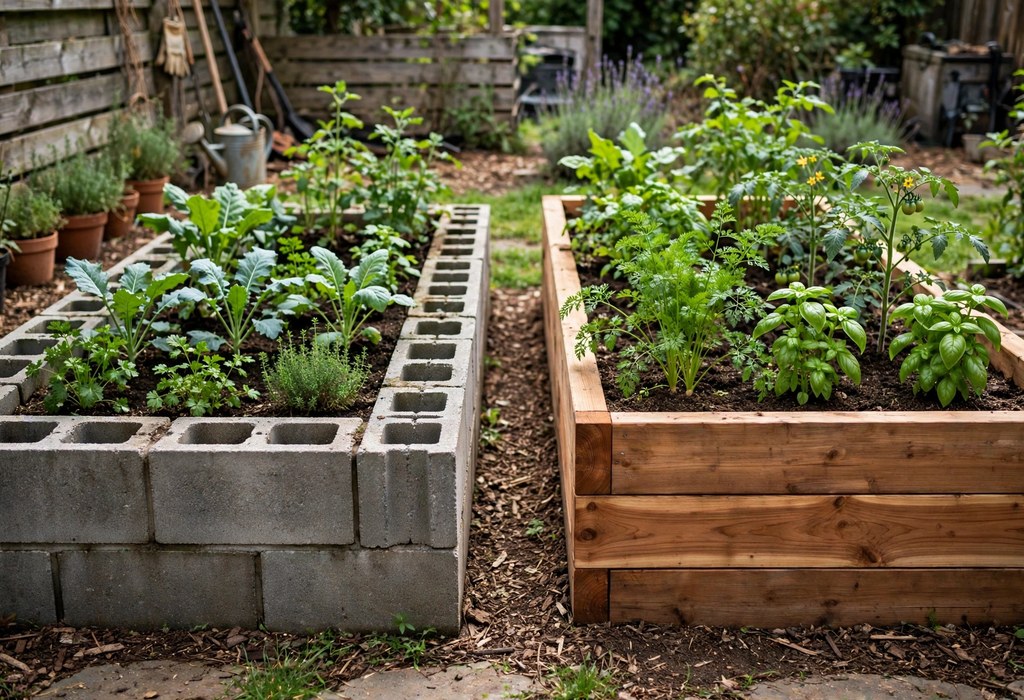
Cinder blocks win on price and permanence, while cedar wins on natural looks and quick setup. Both materials suit most vegetables; however, safety and maintenance concerns differ between them. This guide compares the two across cost, durability, safety, maintenance, and style.
Growing raised bed popularity means gardeners face this choice more often now. Each option has loyal fans, and honestly both build productive garden beds. Your climate, budget, and design taste will steer the final decision.
Below you will find an honest, head-to-head breakdown of every factor. Gardeners searching cinder block raised bed vs cedar raised bed usually want a clear winner. Read on before you buy materials or start digging.
Upfront Cost and Long-Term Value
Cinder blocks generally cost much less per bed than cedar lumber does. A dry-stack cinder block raised garden bed needs only blocks, gravel, and soil. Local masonry supply yards typically sell CMUs cheaper than big-box stores. Additionally, you can often source seconds or salvaged blocks at reduced prices.
Cedar lumber typically costs more, especially thick rough-sawn boards. However, prices vary widely by region, board thickness, and retailer. For example, pre-cut raised bed kits command the highest price premium of all. Bulk buying longer boards and cutting them yourself saves money.
Upfront savings mean little if replacement costs arrive sooner. Moreover, cinder blocks rarely need replacing, so lifetime costs stay low. Cedar resists rot far better than pine, though boards still fail eventually. Therefore, compare ten-year ownership costs rather than day-one receipts.
Soil and compost often cost more than the bed frame itself. Consequently, budget generously for quality growing media too. Meanwhile, landscape fabric under the bed suppresses weeds for little cost. A gravel base improves drainage for block beds especially.
Durability and Lifespan
Concrete masonry units can last decades with almost no attention. Frost heave may shift dry-stacked courses in cold climates, however. Adding rebar pins through block cores prevents most movement issues. Additionally, a level gravel base protects the structure from settling.
For example, shoppers often confuse cinder blocks with modern concrete blocks. Older cinder blocks contained fly ash, while current CMUs use concrete aggregate.
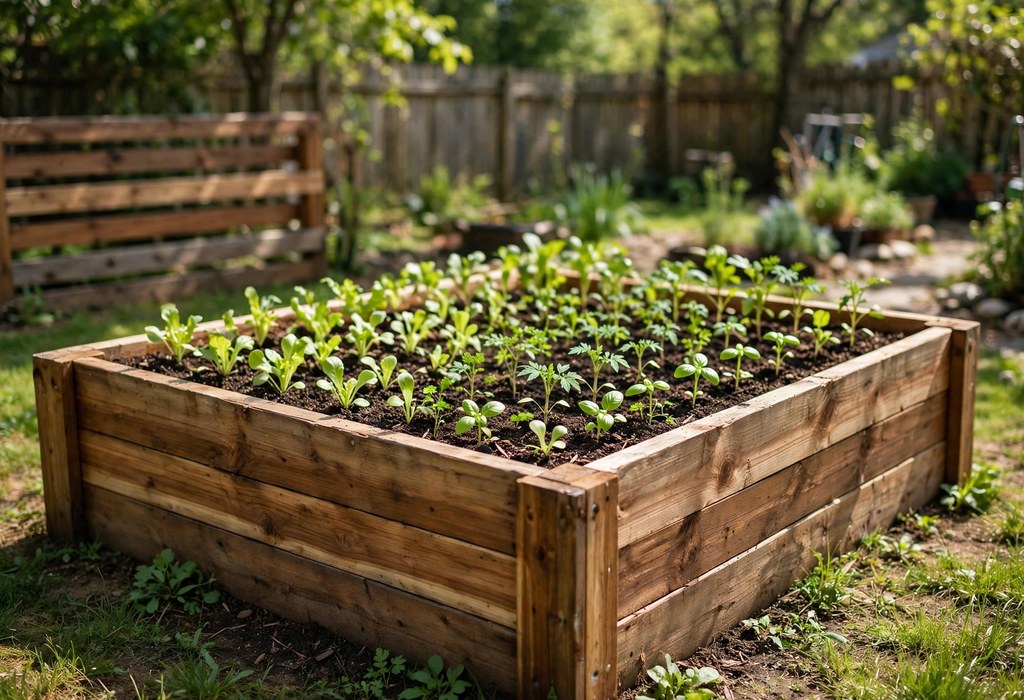
Western red cedar naturally resists insects and fungal decay. Boards in soil contact typically last seven to fifteen years. Thicker two-inch boards outlast thin one-inch fence pickets considerably. Additionally, keeping soil slightly below the top edge slows rot.
Blocks shrug off moisture, sun, and insects without any treatment. Similarly, cedar requires no chemical treatment, unlike pressure-treated pine. In contrast, untreated softwoods like spruce fail within a few seasons. For decades-long permanence, masonry simply has no wooden equal.
Safety and Growing Media
Gardeners often ask whether older blocks leach harmful compounds. However, most gardeners consider modern concrete blocks safe for vegetables. Meanwhile, very old cinder blocks may contain fly ash residues. A food-safe liner adds peace of mind for cautious growers.
For example, concrete can raise soil pH slightly, so test yearly and amend accordingly. Adding compost and peat helps balance alkalinity in most beds. Consequently, both materials work well with routine soil testing.
Cedar contains natural oils that repel insects and resist decay. Moreover, these oils do not threaten vegetables or soil microbes at normal levels. As a result, no sealants or stains belong inside a food-growing bed. Leave interior boards unfinished and let weather silver them naturally.
Maintenance Demands
Block beds ask almost nothing of you after construction. Additionally, pull weeds from block cores and relevel any shifted courses. Meanwhile, you can plant herbs or flowers in the hollow cores. Otherwise, simply top up compost each growing season.
Cedar beds need periodic inspection for soft spots and loose screws. Tighten hardware yearly and replace failing boards before they collapse. Furthermore, rotating crops keeps soil healthy regardless of bed material. Neither material demands painting; instead, some gardeners simply stain cedar exteriors.
Aesthetics and Garden Style
Warm color and natural texture give cedar its rustic appearance. For example, it blends beautifully with fences, decks, and cottage garden plantings. Blocks read more industrial; however, paint or stucco softens their look. Stacked courses also create wide ledges for pots and tools.
Similarly, modern landscapes pair well with crisp gray masonry lines. Rustic or cottage gardens favor cedar’s warm, weathered tones. Therefore, choose the material that matches your home’s exterior. A cohesive look raises curb appeal and your own enjoyment.
Head-to-Head Snapshot
- Upfront cost: cinder blocks usually cost less than cedar lumber for equal bed sizes.
- Lifespan: masonry beds often last decades, while cedar boards last roughly seven to fifteen years.
- Assembly speed: cedar kits assemble in hours, but dry-stacked blocks need a full day.
- Maintenance: blocks need occasional releveling, whereas cedar needs inspections and board replacement.
- Safety: both suit vegetables, though old blocks deserve testing and cedar needs no treatment.
Which Raised Bed Fits Your Garden?
Choose cinder blocks if permanence and low cost matter most. However, they suit renters less, since moving heavy blocks takes real effort. Gardeners who rearrange layouts yearly may prefer lighter cedar kits. Consequently, consider your long-term plans before hauling tons of masonry.
Pick cedar if natural beauty and easy assembly top your list. Weekend builders can assemble a cedar bed in one afternoon. Blocks demand more labor upfront; moreover, the work pays off for decades. Finally, either material grows excellent vegetables with good soil.
The cinder block raised bed vs cedar raised bed debate ultimately comes down to priorities. For instance, budget-focused gardeners lean toward blocks, while design-focused gardeners choose cedar. Additionally, many gardeners eventually build both types in different garden zones.
Frequently Asked Questions
Which lasts longer, a cinder block bed or a cedar bed?
Cinder block beds typically outlast cedar beds by several decades with minimal maintenance.
Are cinder blocks cheaper than cedar for raised beds?
Yes, cinder blocks generally cost less upfront and need replacing far less often.
Do cinder blocks leach chemicals into vegetable garden soil?
Most experts consider modern concrete blocks safe, though very old blocks deserve testing first.
How long does a cedar raised bed last?
Cedar boards in soil contact typically last seven to fifteen years before needing replacement.
Can you build a raised bed without mortar or power tools?
Yes, dry-stacked blocks need no mortar, and cedar kits assemble with basic hand tools.
Conclusion
Both cinder blocks and cedar build productive, attractive raised beds. Your budget, climate, and style preferences should drive the final choice.
Start by sketching your garden layout and listing your must-have features. Then price materials locally and pick the option that fits your goals. Happy building, and enjoy a bigger harvest this growing season.