Termites don’t knock. They feed quietly behind drywall, under floors and inside wall studs, around the clock, and by the time most homeowners notice a problem, the colony has often been at work for months. That is the uncomfortable truth behind every call to a pest company.
It is also why “termite control services” is such a slippery phrase. One company means a one-hour spray and a handshake. Another means a documented inspection, a plan built around the species on your property, a written warranty and yearly check-ups. The words are the same. The outcomes, and the bills, are not.
This guide explains what a proper service includes, how the main treatment methods compare, what drives the price, and what to ask before you sign anything.
What do termite control services include?
A complete service is more than a treatment. Look for these stages:
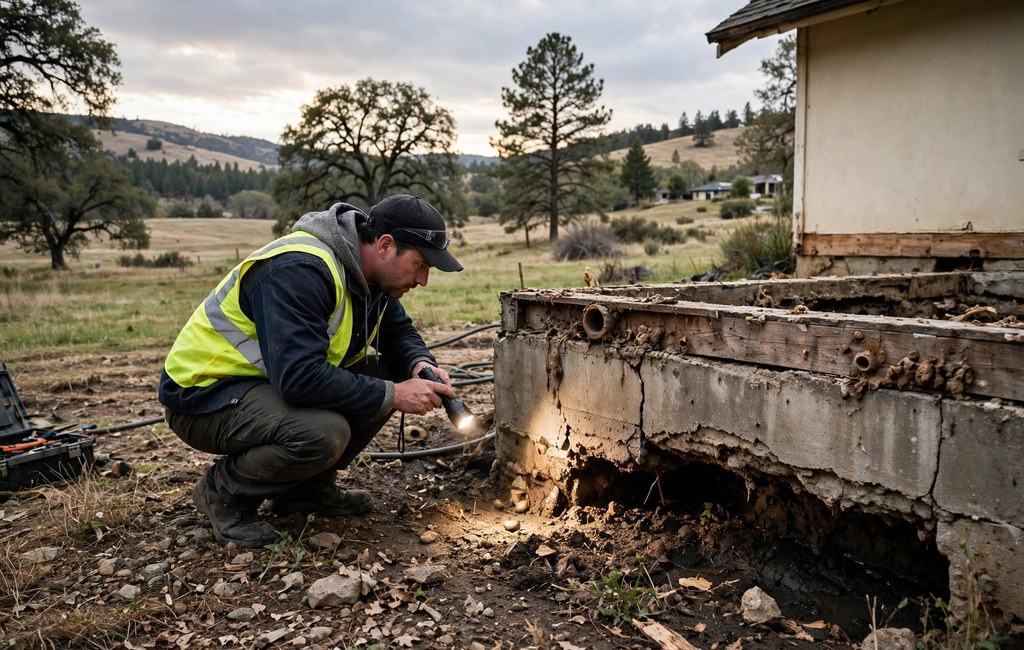
- A thorough inspection. A trained technician checks the foundation, crawl space, attic, garage, porches, fences, firewood stacks and any wood touching soil. They typically use a flashlight, a moisture meter and a probing tool to find soft or hollow-sounding wood.
- Species identification. Subterranean, drywood and dampwood termites behave differently and need different approaches. A good technician names the species and explains how they know.
- A written treatment plan. It should state the method, the products or bait system, the areas covered and the expected timeline.
- The treatment itself. More on the options below.
- Follow-up monitoring. Bait stations need servicing and soil treatments need re-inspection. Termite control is a process, not a single visit.
- A warranty or service agreement. This explains what happens if termites come back.
If a quote skips most of these, you are buying a spray, not a service. If you are weighing a one-off spray, it helps to know how long pest control spray lasts before it needs reapplying.
Which termite treatment methods do professionals use?
Liquid soil treatments
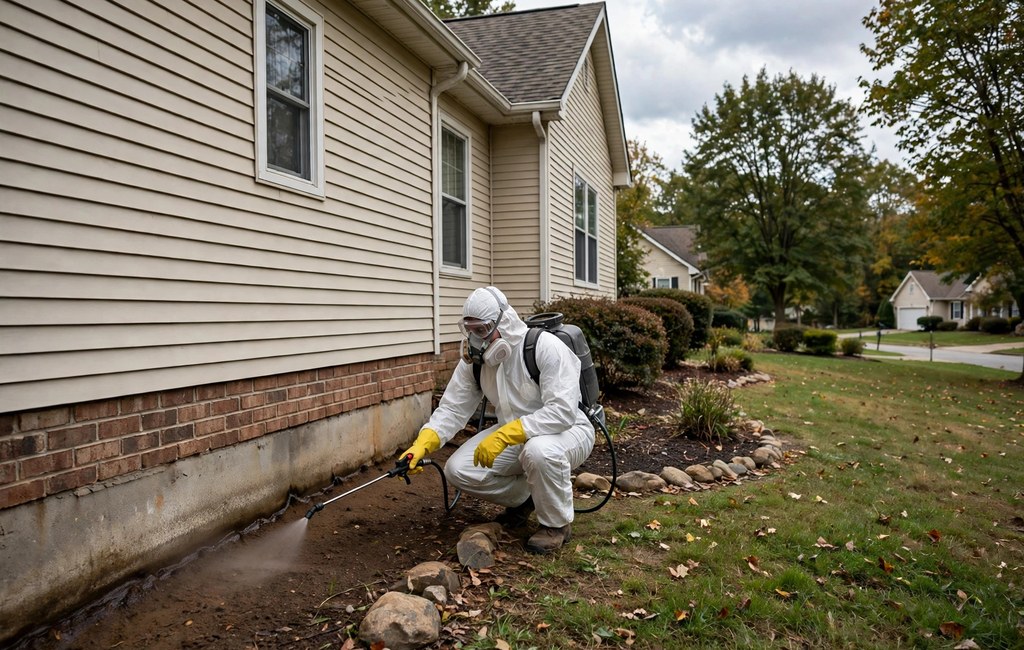
A liquid termiticide is applied in a trench around the foundation and sometimes injected into slabs or wall voids, creating a treated zone that termites must cross to reach your home. Modern non-repellent products let termites pass through, pick up the active ingredient and carry it back to nestmates. This approach works relatively fast and suits active infestations, but it depends on complete coverage around the structure.
Termite bait stations
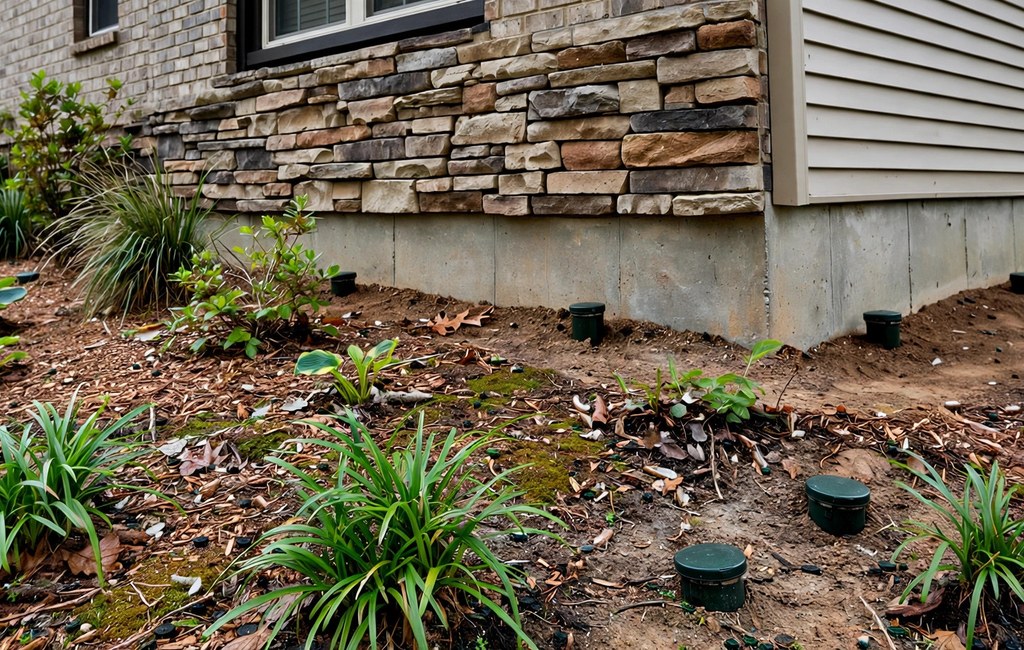
Stations are placed in the soil around the property and hold a slow-acting ingredient that foraging termites share with the colony. Baiting is less invasive and uses less liquid chemical, which many homeowners prefer. The trade-off is time. Results build over months rather than days, and the stations need regular checks.
Spot and wood treatments
For small, localized activity, especially with drywood termites, technicians may treat infested timbers directly with foams, dusts or borate solutions. This can be effective when the problem is confined. It can also miss hidden activity elsewhere, which is why inspection quality matters so much.
Fumigation and heat
Whole-structure fumigation (tenting) or heat treatment is common for widespread drywood infestations. Fumigation means leaving your home for a few days and following careful preparation instructions, but it reaches wood throughout the building. Neither option leaves long-term protection, so ask what preventive follow-up is included. Heat is not only for termites; it is also central to bed bug heat treatment in homes with a different pest.
How do you choose the right method?
No single method wins every time. The species, your home’s construction (slab, crawl space or basement), how widespread the activity is, local regulations and your own comfort with chemicals all play a part. Honest companies often combine approaches, such as a liquid barrier with bait stations around it.
Ask why they recommend a method and what the alternative would be. A confident answer with reasons is a good sign. “This is what we always do” is not. Small indoor habits matter too; a few simple steps keep an indoor garden pest-free and reduce hiding places.
What affects the price of termite control?
Costs vary widely by region and company, so treat any national average with caution. These factors move the number most:
- The size of the home and the linear feet of foundation that need treating
- The species and how far the infestation has spread
- The method. Whole-house fumigation usually costs more than spot treatment, and baiting often adds ongoing monitoring fees
- Access. Finished basements, decks, patios and concrete slabs add labor
- The warranty level and annual renewal fees
Get two or three written quotes and compare what each one covers, not just the total. A cheaper quote that leaves out the crawl space is not actually cheaper.
What should a termite contract and warranty say?
Termite warranties usually come in two flavors. A retreatment warranty promises to treat again if termites return. A repair warranty goes further and covers some of the cost of fixing new damage. The difference can be thousands of dollars, so get it in writing.
Also ask these questions:
- What voids the warranty? Moisture problems, soil disturbance and renovations are common culprits.
- What is the annual renewal cost, and does it include inspections?
- Does the warranty transfer if you sell the house?
- Which products will be used, where, and in what amounts?
A reputable company answers all four without hesitation.
What do most termite guides leave out?
Three things come up again and again.
Treatment stops termites. It does not repair damage. Fixing chewed framing or flooring is usually a separate job, and standard homeowners insurance typically excludes termite damage. If you suspect structural harm, ask a carpenter or structural professional to look.
Moisture is the invitation. Leaking gutters, poor grading, damp crawl spaces and wood that touches soil keep a house attractive to termites. A service that ignores these conditions is setting you up for a repeat visit. Outdoors, the steps to get rid of pests in your garden follow the same prevention-first rules.
The first weeks can look alarming. You may still see some activity while the product works through the colony. Ask your technician what is normal and when you should call back.
What are the red flags to watch for?
- Pressure to sign today, or “special pricing” that expires tonight
- No written inspection report or diagram of the property
- A refusal to name the product or method
- A quote that never mentions the species
- Promises of “100 percent elimination forever”
- No license or insurance. Check with your local regulatory agency
Termite control services FAQs
How long does termite treatment take?
It depends on the method. Spot treatment can take hours, a liquid barrier often takes a day, and fumigation usually takes a few days including preparation and aeration. Baiting programs run for months because they rely on monitoring.
Are termite treatments safe for children and pets?
Professional treatments are applied according to label directions and local rules. Ask about re-entry times, particularly after fumigation, and about keeping pets off treated soil until it has dried.
Can I treat termites myself?
Store-bought products may help with prevention or a minor, easily reached problem. Established colonies are hard to reach, and misapplied repellents can scatter termites instead of eliminating them. For confirmed activity, get a professional assessment.
How often should I have my home inspected for termites?
Many professionals recommend an annual inspection, especially in warm, humid regions or if you have had termites before.
Does homeowners insurance cover termite damage?
Usually not. Read your policy and ask your agent if you are unsure.
Ready to protect your home?
Termite control works best when it starts early and is built on a real inspection, not a sales pitch. Use the checklist above to compare quotes, ask about the warranty fine print and insist on a written plan.