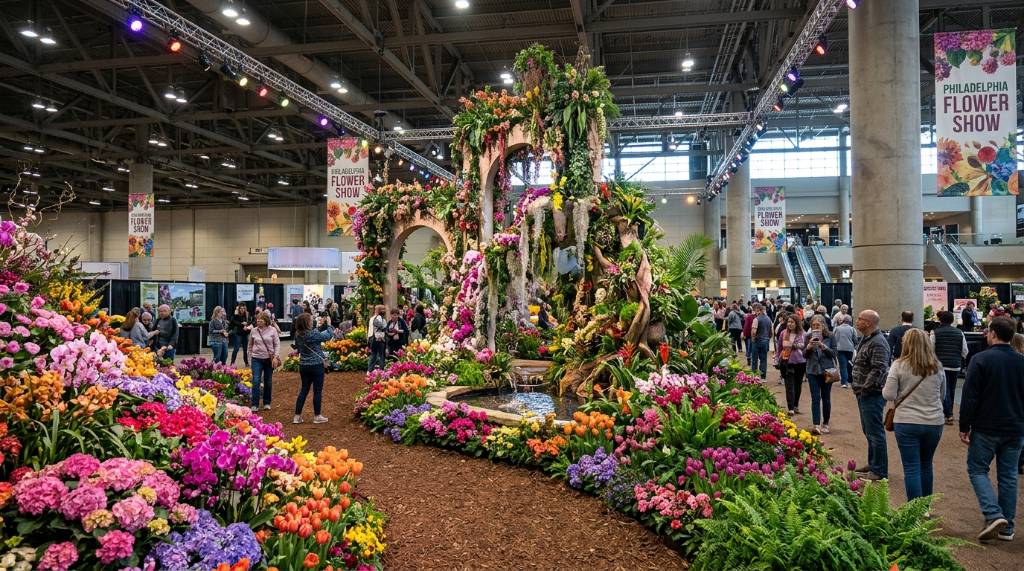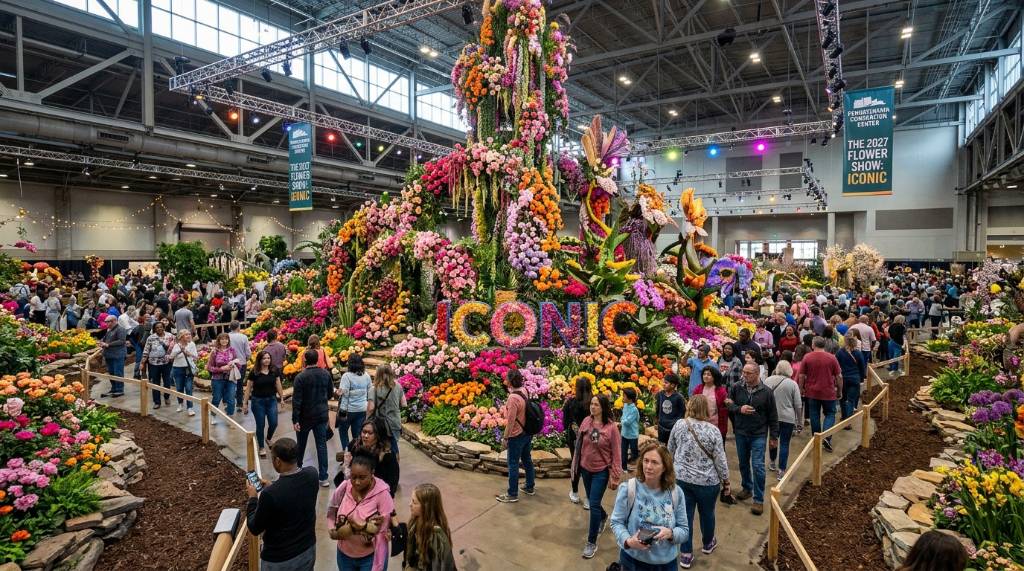
Every March, thousands of gardeners dream of a blue ribbon. The 2027 event gives them a grand stage. It runs from March 12 to March 21, 2027, at the Pennsylvania Convention Center. Its theme, Iconic, marks 200 years of the Pennsylvania Horticultural Society (PHS).
Visitors love the giant gardens. However, many people return for the competitions. Growers, designers, and artists bring their best work and test it against others. This guide explains the categories, the rules, and the awards. Additionally, it offers practical tips for first-time entrants. PHS updates its rules each year, so the details below follow recent official guides. Therefore, check the current guide before you enter.
Why the Competitions Matter
The Philadelphia Flower Show is the oldest and one of the largest indoor flower shows in the world. Its competitions are a big reason why. They give home gardeners a place beside famous designers and public gardens. Anyone can enter the horticulture classes. There are no age limits, and you do not need to belong to a garden club.
Moreover, the competitions teach. Judges leave comments, and entrants learn how to grow better plants. Many exhibitors build a lifelong hobby around these classes. Some start with one potted plant and end up designing a full display.
Show Basics at a Glance
The table below lists the key facts for the coming show.
| Detail | Information |
| Theme | Iconic, honoring 200 years of PHS |
| Dates | March 12 to March 21, 2027 |
| Venue | Pennsylvania Convention Center, Philadelphia |
| Member preview | March 12, 2027 |
| Public opening | March 13, 2027 |
| Main horticulture hall | PHS Hamilton Horticourt |
| Horticulture classes | More than 300 in recent years |
Competition Categories
The show splits its contests into several groups. Each group suits a different skill. Some reward growing talent. Others reward artistic vision. Consequently, there is a class for almost every kind of plant lover.
Horticulture and Orchids
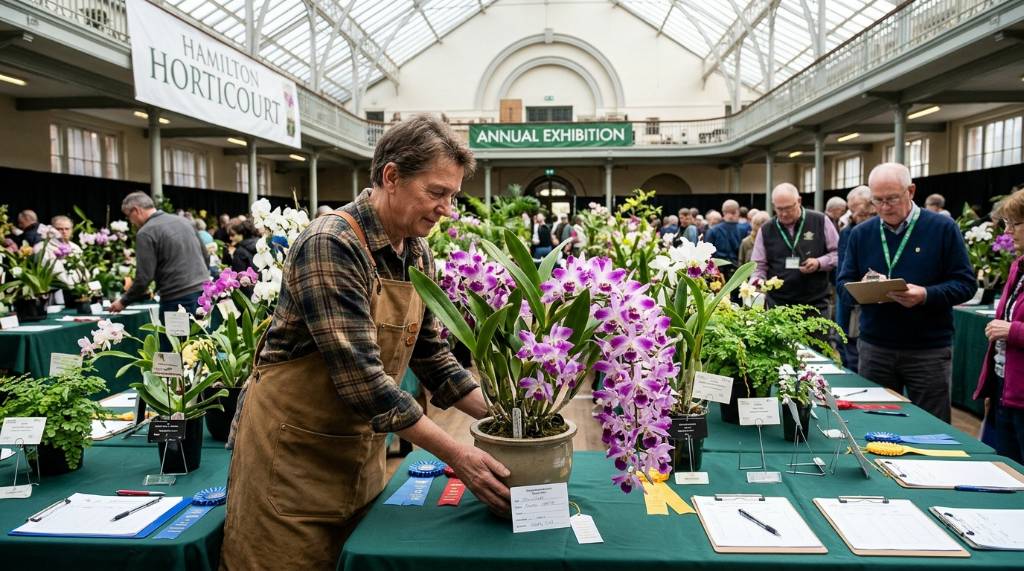
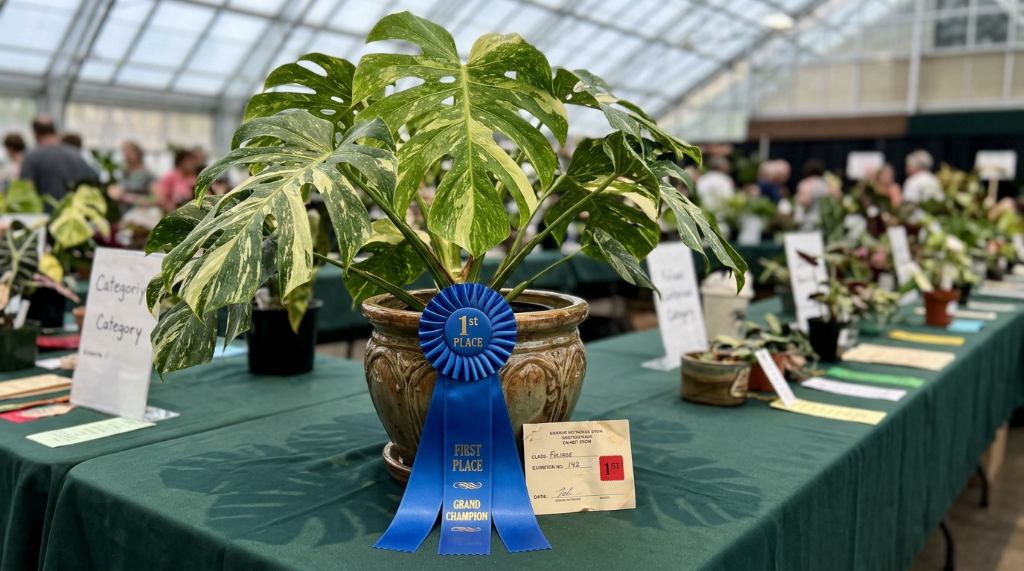
Horticulture is the heart of the competition. Exhibitors display plants they grew themselves. These include potted plants, cut stems, bulbs, herbs, vegetables, and orchids. The plants appear in the Hamilton Horticourt, which has held more than 300 classes in recent years. Judges look at health, form, and flower quality. In addition, they check that the label is correct and easy to read.
Orchids have their own classes, and they often draw the biggest crowds. Growers show whole plants in bloom as well as cut stems. Because orchids are delicate, many entrants start preparing a year ahead. For other plants, the preparation can be shorter, but a plan still helps. Count back from the show date and time your growing steps.
Artistic Classes
Artistic classes focus on creativity. Recent guides list four main groups:
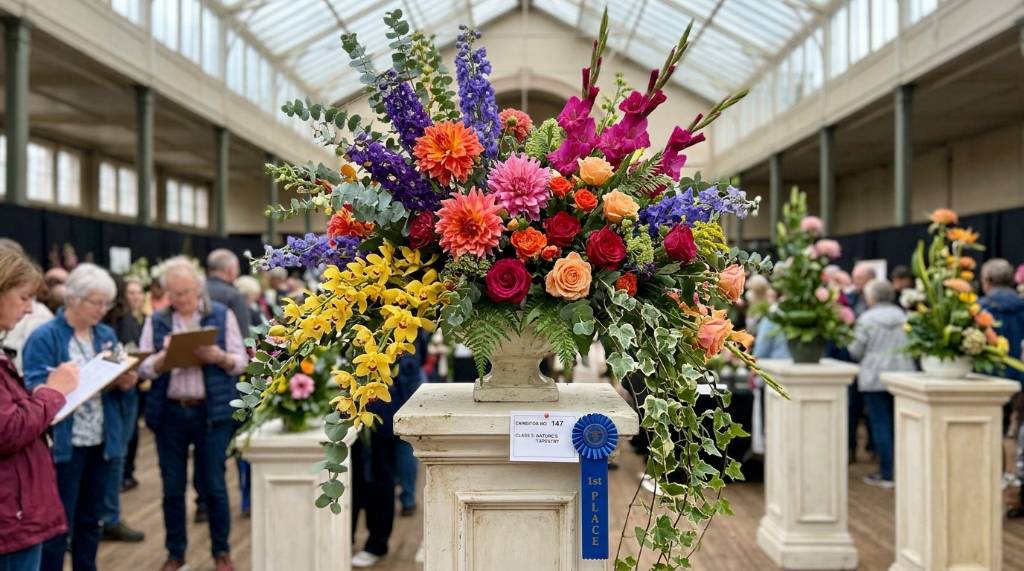
- Arrangements, from miniature pieces to large backed pedestals and galleria displays
- Botanical arts, which use dried plant material
- Photography, open to amateurs only
- Pressed plants, which show flowers and leaves under glass
Design Classes
Design classes let entrants build small scenes with plants. Recent classes include garden designs, entryways, window boxes, lamp posts, miniature settings, pocket gardens, tables with arrangements, and store windows. These classes reward storytelling. Therefore, the best entries match the show theme in a clever way.
Novice, Challenge and Youth Classes
Newcomers have their own space. Novice classes suit people who have not yet won a blue ribbon. Challenge classes ask everyone to grow the same plant, so judges can compare results fairly. Youth and student classes welcome younger growers and designers. As a result, families and schools can join the fun.
Major Exhibits
Large exhibits form a separate track. Landscape designers, florists, and schools build big displays on the show floor. They compete in three groups: landscape, floral, and educational. Judges score these exhibits for medals and trophies.
Category Summary
| Category | What Entrants Show | Best For |
| Horticulture | Plants the exhibitor grew | Growers of all levels |
| Orchids | Orchid plants and cut stems | Orchid fans |
| Arrangements | Floral designs in set spaces | Floral artists |
| Botanical arts | Dried plant crafts | Crafters |
| Photography | Amateur plant photos | Hobby photographers |
| Pressed plants | Framed pressed flowers | Detail-minded artists |
| Design classes | Small scenes and settings | Creative designers |
| Novice and youth | Beginner-friendly classes | New and young entrants |
| Major exhibits | Large themed displays | Professionals and schools |
Rules for Entering
Rules keep the contest fair and protect the plants. PHS publishes an exhibitor guide each year, and the guide has the final word. The rules below come from recent guides, so treat them as a preview.
General Rules
- Anyone can enter horticulture, and no membership is needed.
- Individuals or groups may enter, but not under a business name.
- Entries are accepted as they arrive, and a class closes once it fills.
- Exhibitors must label every plant correctly.
- Artificial plant material is not allowed in artistic classes.
- Judges make the final call, and exhibitors may not discuss exhibits with them.
Class-Specific Rules
Each type of class has its own limits. The table shows examples from the latest guide I found.
| Class Type | Key Rule |
| Arrangements | Four entries per class; keep fresh material in water and tend it daily |
| Botanical arts | One entry per exhibitor; no larger than 8 by 10 inches unless the class says otherwise |
| Photography | Amateurs only; one photo per class and two classes in total; statement of 20 words or fewer |
| Photo prints | Lustre paper mounted on black foam core |
| Pressed plants | One entry per class; frames up to 14 by 18 inches; some classes require age 17 or older |
Conservation and Safety Rules
PHS takes plant protection seriously. Exhibitors must not bring wild-collected plants of endangered or threatened species. Additionally, safety rules apply to cut trees and other burnable items. Entrants treat them with a flame retardant that carries the NFPA 701 label. They also dunk fabric instead of spraying it.
Timing and Teardown
Plan your schedule early. Exhibitors must finish daily plant care before the doors open, usually by 7:00 am on weekends and 7:30 am on weekdays. After the show closes, teams dismantle the competitive exhibits on the final Sunday after a teardown announcement. Visitors under age 16 may not enter the floor during that time.
Importantly, entry deadlines differ by class. One recent guide listed two different dates for pressed plants. Therefore, confirm every date with the PHS competitive classes team.
How Judging Works
Judging is the part of the contest that entrants wonder about most. Fortunately, the process follows clear steps. Experienced judges visit the exhibits before the public arrives. They work in teams, and they score each entry against a set standard.
What Judges Look For
In horticulture, judges study the plant closely. They check that the leaves look clean and healthy. They look for strong color and a balanced shape. And they also confirm that the plant is free of pests and damage. A plant at its peak bloom usually beats a plant that has just started to open.
In design and arrangement classes, judges focus on a different list. They ask whether the piece follows the class schedule and fits the theme. They study color, balance, and scale. And they also reward fresh ideas. However, a clever idea will not save an entry that breaks a rule.
Judging Criteria Summary
| Area | What Judges Check |
| Horticulture | Plant health, form, flower quality, and correct labeling |
| Arrangements | Design skill, color, balance, scale, and condition of the material |
| Photography | Focus, composition, and a clear statement of intent |
| Pressed plants | Neatness, color retention, and framing |
| Major exhibits | Design, plantsmanship, craftsmanship, visitor experience, and education |
Remember that judges do not take questions from exhibitors during the process. Instead, you can read the comments after judging ends. Many winners say those notes helped them improve the next year.
Awards and Prizes
The show hands out ribbons for individual entries. It also gives medals, trophies, and cups to major exhibits. Together, these honors rank among the most respected in American horticulture.
Ribbons for Individual Entries
| Award | Ribbon Color |
| First place | Blue |
| Second place | Red |
| Third place | Yellow |
| Honorable mention | White |
| Class commendation | Turquoise |
Judges give a class commendation only when every exhibit in that class earns a ribbon. Meanwhile, exhibition-only entries receive no ribbons, comments, or points.
Medals for Major Exhibits
Large exhibits earn PHS medals. Judges score them on design, horticultural excellence, plantsmanship, craftsmanship, visitor experience, and educational value.
| Medal | Points |
| Gold | 90 to 100 |
| Silver | 80 to 89 |
| Bronze | 65 to 79 |
Best in Show and Special Trophies
Each major category crowns a Best in Show winner with the show cup. In 2026, the winners were Mark Cook Landscape and Contracting in landscape, Arrange, LLC in floral, and Mercer County Community College in education. Beyond that, dozens of special awards recognize particular strengths. Examples include:
- The Governor’s Trophy for the most innovative landscape design
- The Philadelphia Trophy for the best use of color in landscape
- The Mayor’s Trophy for the most inventive floral design
- The American Orchid Society Show Trophy for the most meritorious orchid exhibit
- The PHS Sustainability Award for strong sustainable gardening practices
- The PHS Gardening for the Greater Good Award for exhibits that boost health and well-being
Tips for First-Time Entrants
Good preparation beats luck. First, read the full guide as soon as PHS posts it. Next, pick two or three classes that match your strengths. Then, grow or build your entry early, and test it at home.
- Start with a Novice or Challenge class to learn the process.
- Check the label on every plant for spelling and clarity.
- Study past winners to see what judges praise.
- Keep a backup plant or design in case of damage during transport.
- Register early, because popular classes fill fast.
Furthermore, visit the show before you enter. Walk through the Horticourt and note how winning plants look. You will spot details that photos never show.
How to Register Step by Step
Registration is simple, but timing matters. In recent years, registration opened in December before the March show. Therefore, expect a similar schedule for 2027. Follow these steps to stay on track.
- Join the PHS email list to hear about new classes and workshops first.
- Download the current exhibitor guide and read the class schedule.
- Choose your classes and note the entry limits for each one.
- Submit your entry form before the class fills or the deadline passes.
- Prepare your labels, frames, and containers well before move-in day.
- Arrive on time for staging, and finish your plant care before opening each morning.
Additionally, PHS offers workshops on topics such as pressed plants and kokedama. These sessions cost a small fee in recent years. They are a friendly way to learn the skills before the contest.
What Visitors Can Expect to See
Even if you never enter, the competitions are worth a visit. The Horticourt fills with rows of polished plants, and each one wears a ribbon or a card. Nearby, the artistic classes show tiny gardens, delicate frames, and bold floral pieces. The scale changes quickly, from a small pressed leaf to a giant themed display.
Meanwhile, the 2027 show will bring five public gardens together in one shared space for the first time. These are Chanticleer Garden, Longwood Gardens, Phipps Conservatory and Botanical Gardens, Pittsburgh Botanic Garden, and The Arboretum at Penn State. More than thirty major exhibitors will also build themed gardens and floral art. As a result, visitors can enjoy world-class design and grassroots growing in the same afternoon.
Finally, plan your visit with care. Weekends draw large crowds, so weekday mornings feel calmer. Buy tickets online, wear comfortable shoes, and save time to read the labels in the Horticourt.
Conclusion
The 2027 competitions offer something for every plant lover. Horticulture classes reward growers. Artistic and design classes reward creators. Novice and youth classes open the door for newcomers, while major exhibits showcase the best professional work.
The rules protect fairness, safety, and wild plants. The awards range from simple ribbons to gold medals and Best in Show cups. However, details can change, so always read the latest exhibitor guide from PHS. Mark March 12 to 21, 2027, on your calendar, and start planning your entry today.
Frequently Asked Questions
1. When does the 2027 show take place?
The show runs from March 12 to March 21, 2027. PHS members get a preview on March 12, and the public arrives from March 13.
2. Where is the show held?
It takes place at the Pennsylvania Convention Center in Philadelphia.
3. What is the 2027 theme?
The theme is Iconic. It celebrates 200 years of PHS and explores how gardens have shaped art, fashion, food, fragrance, and film.
4. Can anyone enter the horticulture competition?
Yes. PHS states that anyone can enter. There are no age limits, and you do not need to join a garden club.
5. How many horticulture classes are there?
Recent shows offered more than 300 classes. The 2027 list will appear in the new exhibitor guide.
6. What kinds of competitions are available?
Entrants can join horticulture, orchid, arrangement, botanical arts, photography, pressed plant, design, novice, challenge, and youth classes.
7. What do the ribbon colors mean?
Blue means first place, red means second, yellow means third, and white means honorable mention. Turquoise marks a class commendation.
8. What is the highest award for major exhibits?
Each category gives a Best in Show cup. Judges also award gold, silver, and bronze medals based on points.
9. Are there entry fees?
The guide I reviewed did not list fees for competitive classes. Check the current exhibitor guide or ask PHS directly.
10. Where can I find the official rules and entry forms?
Visit the PHS website and look for the participate page. You can also contact the Competitive Classes Team and join the PHS email list for updates.