The People Behind the Blooms
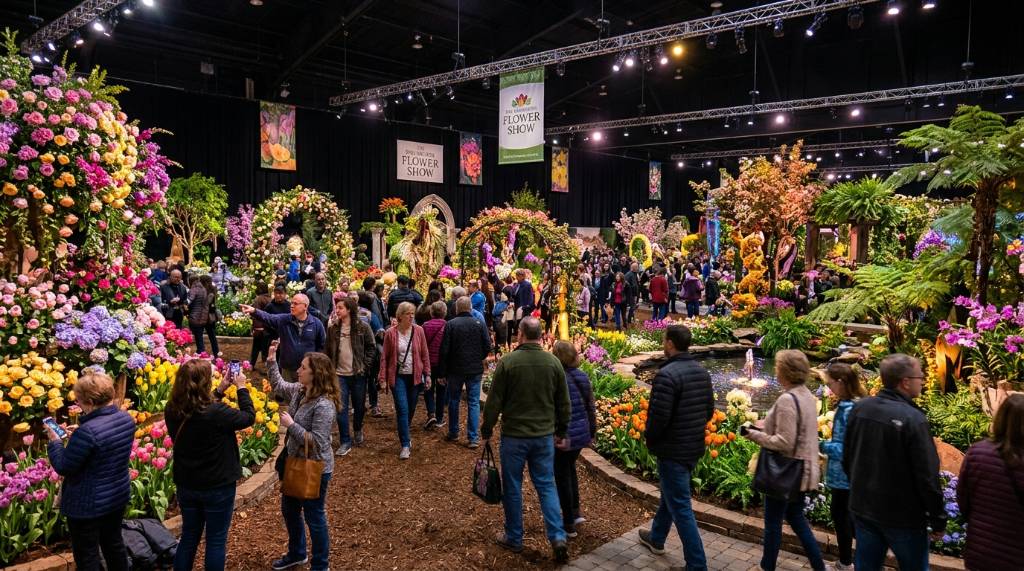
The Philadelphia Flower Show 2027 is on the way, and planning has already started for one of the biggest horticultural events in the world. Each year, thousands of visitors walk through huge indoor gardens. They also admire the work of the people who build them. Those people are the exhibitors.
Garden designers, floral artists, public gardens and growers all join forces to create the show. Each group brings a different skill. Together, they turn a convention hall into a living landscape.
This guide explains who takes part and what each group does. Additionally, it shows how newcomers can get involved. Whether you plan to visit, compete or simply learn, you will find clear answers below.
What to Know About the 2027 Show
The Pennsylvania Horticultural Society, known as PHS, runs the event. It is the longest-running flower show in the United States. It is also the largest indoor show of its kind. The 2027 edition carries the theme Iconic. PHS chose it to mark its 200th anniversary. The theme celebrates how gardens have inspired artists, makers and other creative people for generations.
Dates and Venue
The show returns to the Pennsylvania Convention Center in Center City, Philadelphia. It runs for nine days in mid-March and ends on March 21, 2027. However, news reports list the opening day as either March 12 or March 13. Therefore, check the official PHS website before you buy tickets.
Creative Direction
Seth Pearsoll serves as creative director. He leads the overall design vision and guides the exhibitors. According to early reports, more than 30 exhibits will interpret the theme. Expect floral sculptures, hanging structures, bouquets and large garden scenes.
Ticket Basics
Ticket prices range from about 20 dollars to 105 dollars. The price depends on the day, the time and the type of pass. Students, children and PHS members receive discounts. In addition, prices can change, so confirm them on the official site.
Why Exhibitors Matter So Much
Exhibitors give the show its identity. Without them, the hall would hold only empty floor space. Their ideas decide what visitors see, feel and remember.
They also support the wider community. Exhibits teach people about plants, wildlife and sustainable gardening. Additionally, the show brings visitors, hotel guests and diners to the city each March. Local nurseries, florists and craftspeople gain work and exposure as a result.
Finally, exhibitors inspire the next generation. A child who sees a giant floral sculpture may decide to study design or horticulture. That spark keeps the tradition alive.
Who Exhibits at the Show?
The exhibitor list is wide. Some exhibitors are famous institutions. Others are small teams of passionate growers. The table below gives a quick overview of the main groups.
| Exhibitor Group | Main Role | What Visitors See |
| Public gardens | Present themed showcase displays | Large, polished garden scenes |
| Garden designers | Build full landscapes indoors | Trees, ponds, paths and bridges |
| Floral artists | Create arrangements and sculpture | Hanging pieces and bouquets |
| Growers and nurseries | Supply and show prime plants | Orchids, bonsai and rare specimens |
| Schools and students | Learn design and plant science | Youth-led displays |
| Community groups | Share local gardening stories | Small, creative exhibits |
| Marketplace vendors | Sell plants, tools and gifts | Booths with items to take home |
As you can see, each group plays a clear role. Next, let us look at the main ones in more detail.
Garden Designers: The Big Builders
Garden designers create the large display gardens that greet visitors at the entrance and along the main paths. Their work is the heart of the show. A single display can cover thousands of square feet. It may include trees, ponds, bridges, paths and thousands of plants.
What Makes Their Work Special
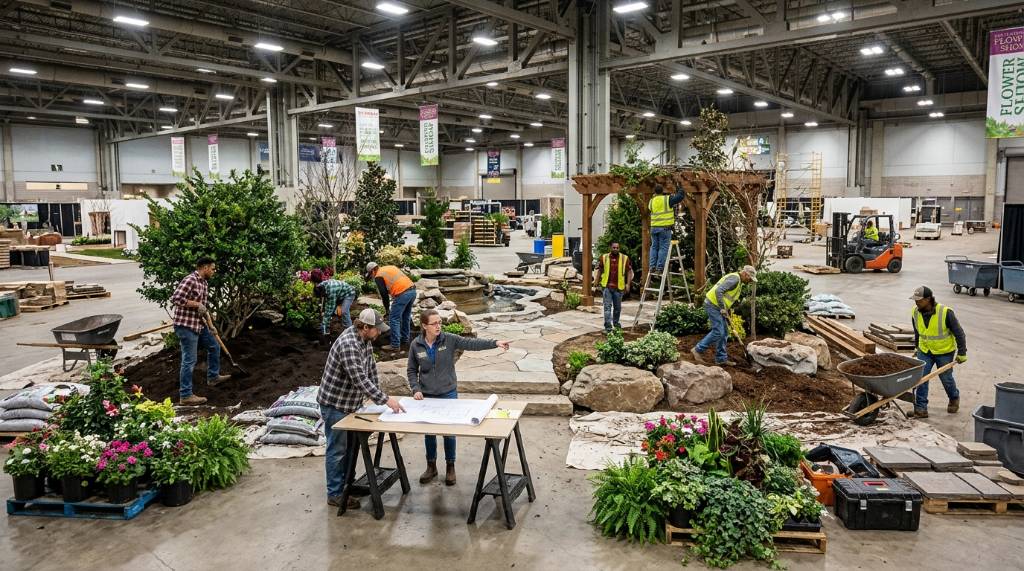
Building a garden inside a convention hall is a huge challenge. Designers start with an empty floor. They must bring in soil, stone, water and plants, and then make everything look natural. Moreover, they must time the blooms to peak in March, when outdoor gardens in Pennsylvania still sleep.
To do this, designers force bulbs and branches to flower early. They plan the schedule months ahead. Crews often work through the night during setup week. As a result, visitors see spring in full color while winter lingers outside.
The Public Gardens Showcase
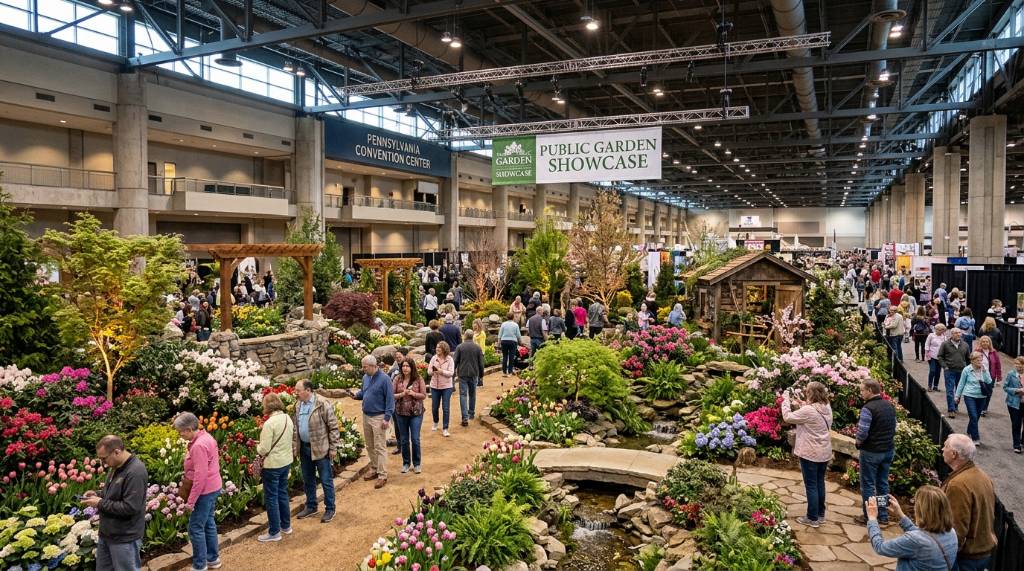
The Pennsylvania Public Gardens Showcase is a favorite feature. Five well-known gardens each present a display tied to the Iconic theme. They are:
- Longwood Gardens
- Chanticleer Garden
- Phipps Conservatory and Botanical Gardens
- Pittsburgh Botanic Garden
- The Arboretum at Penn State
These gardens have deep horticultural knowledge. Furthermore, their teams include trained horticulturists, designers and craftspeople. Their exhibits often reflect the character of their home gardens, so visitors get a small taste of each place.
Landscape Firms and Design Studios
Professional landscape architects and design studios also build major exhibits. Some are local firms from the Philadelphia region. Others come from other states or countries. They compete for attention, and many compete for awards as well. Consequently, the quality of the displays rises every year.
Floral Artists: Where Flowers Become Art
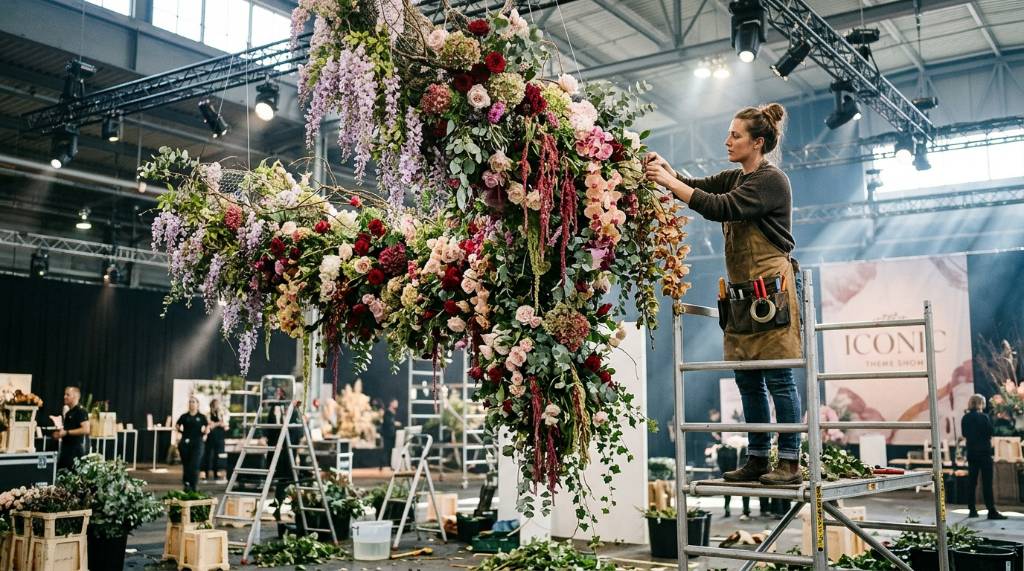
If garden designers build the landscape, floral artists shape the details. They turn cut flowers, leaves, branches and seed pods into sculpture. Their work often appears in suspended installations, tabletop pieces and large bouquets.
Hanging Structures and Sculptures
Hanging installations have become a signature of the show. Floral artists attach flowers to frames, wires and hoops that float overhead. Visitors look up and see clouds of color. This style fits the 2027 theme well, since it treats flowers as true art.
Floral Design Competitions
Many floral artists enter judged classes. Judges score each piece on creativity, technique, color, balance and how well it follows the class rules. Winners earn ribbons, trophies and strong professional credit.
Competitors come from many backgrounds. Some are professional florists. Others are skilled hobbyists, garden club members or floral design students. In addition, international designers sometimes join, which brings fresh styles to the floor.
Popular Floral Styles
Floral artists often work in a few well-loved styles. Here are some you may spot:
- Modern and abstract arrangements with bold lines
- Traditional mass designs with rich, full shapes
- Nature-inspired pieces that copy wild landscapes
- Botanical sculptures that blend flowers with other materials
Therefore, a short walk through the floral area can teach you a lot about current design trends.
Other Participants Who Shape the Show
Not every exhibitor builds a giant garden. Several other groups add depth and variety. Without them, the show would feel much smaller.
Growers and Nurseries
Growers supply plants and often show their best specimens. Orchid growers, bonsai artists and rose specialists are common examples. Their plants appear in horticulture competitions, where judges look for health, form and rarity. Because of this, the horticulture area attracts serious plant lovers.
Schools and Students
Local schools, colleges and youth programs often take part. Students learn design, plant science and teamwork. Moreover, the show gives them a stage in front of a very large audience. Many young designers later build careers in horticulture and floral art.
Community and Nonprofit Groups
Garden clubs, community gardens and civic groups add local flavor. Their small displays show how plants improve neighborhoods, food access and mental health. These exhibits remind visitors that gardening is for everyone, not only for experts.
Marketplace Vendors
The marketplace features sellers of plants, tools, garden decor, books and gifts. Vendors let visitors take a piece of the show home. In addition, they give small businesses a chance to reach thousands of buyers in a few days.
Behind the Scenes: How Exhibits Come to Life
Visitors see the finished product, but the work starts long before opening day. Teams usually plan their concepts many months ahead. Then they order plants, build structures and test their ideas in small mock-ups.
Forcing and Timing Plants
Growers care for thousands of plants in greenhouses. They raise or lower the temperature to push each plant toward bloom on the right week. A few days of error can ruin a whole display. For that reason, experienced teams keep backup plants ready.
Setup Week
Setup week is intense. Trucks arrive with trees, rocks, timber and flowers. Crews build frames, lay soil, and place each plant by hand. Meanwhile, electricians, riggers and carpenters work beside the horticulturists. Everyone must finish before judges walk the floor.
Judging Day
Judges tour the exhibits before the public arrives. They look at design, plant quality, craftsmanship and how well each exhibit fits the theme. Afterward, awards go to the best displays. Winning teams often use the honor in their marketing for years.
Trends to Watch in 2027
Each year, exhibitors show new ideas. Based on the theme and recent shows, a few trends look likely this time.
- Art-inspired gardens that echo paintings, sculpture and craft traditions
- Sustainable methods, such as native plants and recycled materials
- Edible plants that link beauty with food
- Large hanging installations that fill the air above the paths
- Storytelling displays that celebrate 200 years of gardening history
Therefore, expect a show that feels both creative and thoughtful. It should also connect with visitors who care about the environment.
How to Become an Exhibitor
Many readers ask how to join. The process varies by category, and rules change from year to year. However, the general path looks like this.
Step-by-Step Overview
- Review the official PHS exhibitor and competition guidelines as soon as they appear.
- Pick a category, such as a display exhibit, a floral class, a horticulture class or a marketplace booth.
- Note the deadlines for applications, entries and fees.
- Prepare a clear concept that fits the Iconic theme.
- Submit your application and any required plans, photos or budgets.
- Plan your logistics, including transport, plant timing, labor and setup days.
Tips for First-Time Exhibitors
Start small if you are new. For example, enter a single floral class or a horticulture class before you attempt a large display. This approach teaches you the rules and the schedule with low risk.
Next, study past winners. Look at photos from earlier shows and notice what judges reward. Finally, build a team. Even a modest exhibit needs several helpers, and good communication prevents last-minute stress.
Budget and Planning
Costs vary widely. A large garden display can cost many thousands of dollars in materials, labor and transport. A single floral entry costs far less. Therefore, set a realistic budget early. Sponsors, partners and suppliers can often help share the load.
Tips for Visitors Who Want to Meet Exhibitors
Exhibitors love to talk about their work. If you want to learn more, follow these simple tips.
- Visit on a weekday morning, when crowds are lighter.
- Read the signs at each exhibit to learn the designer’s name.
- Ask polite questions about plants, methods and materials.
- Check the daily schedule for demonstrations and talks.
- Wear comfortable shoes, since the show covers a large area.
Additionally, take photos for inspiration, but respect barriers and keep paths clear for others.
Conclusion
The people who create the show are what make it special. Garden designers build huge landscapes inside a city hall. Floral artists turn blooms into sculpture. Public gardens, growers, students, community groups and vendors add even more life.
The Iconic theme gives all of them a rich idea to explore as PHS marks its 200th year. Whether you want to visit, compete or simply learn, the Philadelphia Flower Show 2027 offers something for you. Check the official PHS website for final dates, prices and exhibitor rules, and then start planning.
Frequently Asked Questions
1. When is the 2027 show?
It runs for nine days in mid-March and ends on March 21, 2027. Reports differ on whether it opens on March 12 or 13, so confirm the date on the official PHS website.
2. Where does the show take place?
It takes place at the Pennsylvania Convention Center in Center City, Philadelphia.
3. What is the 2027 theme?
The theme is Iconic. It celebrates how gardens have inspired artists and creative people, and it marks the 200th anniversary of PHS.
4. Who organizes the show?
The Pennsylvania Horticultural Society organizes it. Seth Pearsoll serves as creative director.
5. How many exhibitors will there be?
Early reports mention more than 30 exhibits. The final number may change, so check the official list closer to the event.
6. Which public gardens will exhibit?
The Public Gardens Showcase features Longwood Gardens, Chanticleer Garden, Phipps Conservatory and Botanical Gardens, Pittsburgh Botanic Garden and The Arboretum at Penn State.
7. Can amateurs enter competitions?
Yes, many classes welcome amateur growers and designers. Read the class rules to see which ones fit your skill level.
8. How do I apply to exhibit or sell?
Visit the official PHS website and look for exhibitor, competition and marketplace information. Each category has its own deadlines and forms.
9. How much do tickets cost?
Prices range from about 20 to 105 dollars, depending on the day, the time and the pass. Students, children and PHS members get discounts.
10. When is the best time to visit?
Weekday mornings are usually calmer. Evening tickets cost less, and they suit visitors who like smaller crowds.