Denver’s semi-arid climate presents unique challenges for gardeners, especially when growing exotic plants that require different care than native species. On average, Denver receives about 15 inches of rainfall annually, which is far below the national average of 38 inches. Additionally, the city’s elevation of over 5,000 feet leads to faster evaporation rates and intense sunlight exposure. These conditions make proper watering strategies essential for success. While researching plant care, many gardeners explore topics like the watering needs of mimosa pudica, but understanding broader watering principles is even more critical. This guide will help Denver gardeners master watering techniques for thriving exotic plants.
Understanding Denver’s Climate and Its Impact on Watering
Denver’s climate directly affects how water behaves in soil and how plants absorb it. The combination of low humidity and high altitude causes water to evaporate quickly from both soil and plant leaves. As a result, plants often require more frequent watering compared to more humid regions. However, overwatering remains a risk because many exotic plants are sensitive to soggy roots. Therefore, gardeners must strike a balance between hydration and drainage. Knowing your local climate is the first step toward effective plant care.
Seasonal variations also play a major role in watering schedules. Summers in Denver can be hot and dry, increasing water demand significantly. Meanwhile, winters are cold, and many plants enter dormancy, reducing their need for water. Spring and fall offer moderate conditions but still require careful monitoring. Adjusting your watering routine throughout the year ensures plants receive consistent care. This seasonal awareness prevents both underwatering and overwatering.
Soil Conditions in Denver Gardens
Soil Composition Challenges
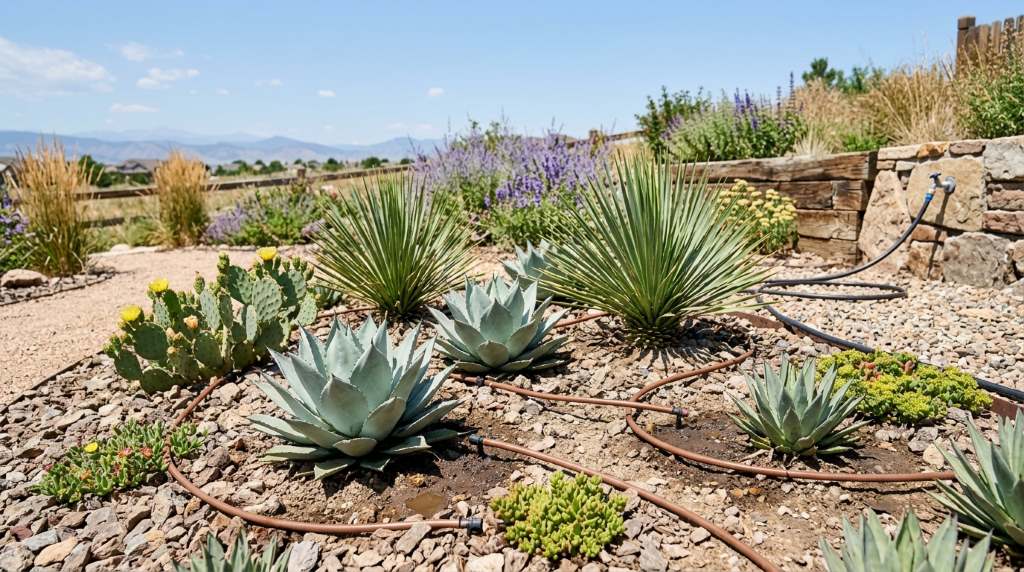
Denver soil often contains clay or sandy elements, both of which affect water retention. Clay soils hold water longer but may cause root rot if not managed properly. On the other hand, sandy soils drain quickly and may leave plants dehydrated. Therefore, improving soil structure becomes essential for growing exotic plants. Adding organic matter like compost can help balance moisture retention and drainage. Healthy soil creates a stable environment for roots to thrive.
Improving Soil for Exotic Plants
Exotic plants often require well-draining soil with consistent moisture levels. To achieve this, gardeners should amend soil with materials like peat moss or coco coir. Additionally, raised beds or containers can provide better control over soil conditions. Using mulch also helps retain moisture and regulate temperature. These adjustments make it easier to meet the specific needs of non-native plants. Consistent soil improvement leads to healthier growth over time.
Choosing the Right Watering Methods
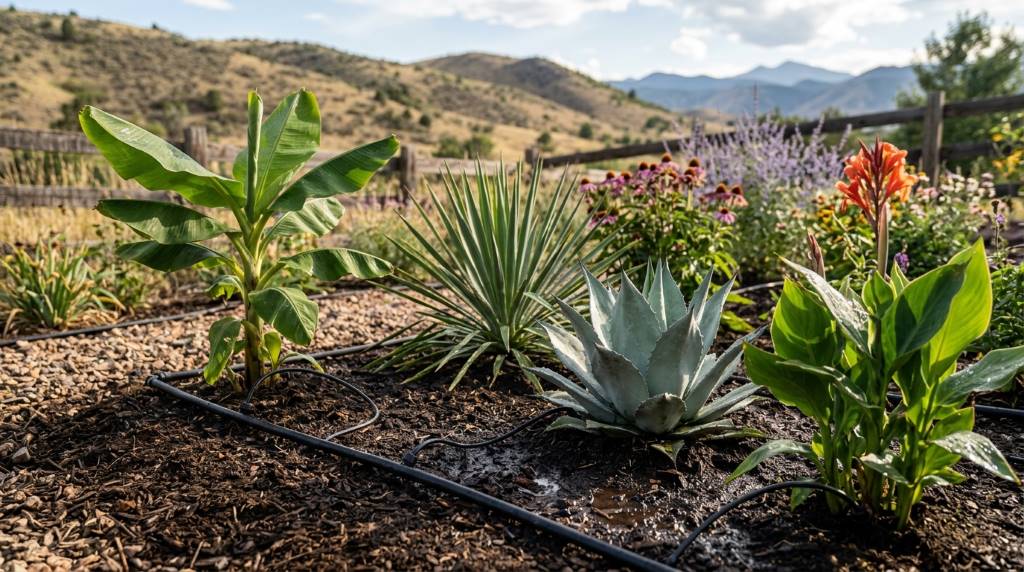
Selecting the right watering method can significantly impact plant health. Traditional overhead watering may lead to water loss through evaporation. Instead, drip irrigation systems deliver water directly to the roots, reducing waste. Soaker hoses also provide a steady and efficient watering option. These methods help conserve water while ensuring plants receive adequate hydration. Efficiency is especially important in Denver’s dry climate.
Hand watering remains useful for smaller gardens or container plants. However, gardeners must water slowly to allow proper absorption. Rapid watering often leads to runoff, especially in compacted soil. Therefore, patience is key when using manual methods. Monitoring how water interacts with your soil helps refine your technique. Over time, you will develop a routine that works best for your garden.
Understanding Plant-Specific Water Needs
Differences Between Exotic Plant Types
Not all exotic plants require the same amount of water. Tropical plants typically need consistent moisture and higher humidity levels. Meanwhile, desert plants like succulents require minimal watering and prefer dry conditions. Understanding these differences prevents common care mistakes. Grouping plants with similar needs also simplifies watering routines. This approach saves time and improves overall plant health.
Signs of Overwatering and Underwatering
Recognizing plant stress signals helps you adjust watering quickly. Overwatered plants often show yellowing leaves and root rot symptoms. In contrast, underwatered plants may develop dry, crispy leaves and stunted growth. Regular observation allows you to catch issues early. Therefore, checking soil moisture before watering is a smart habit. Simple tools like moisture meters can provide additional accuracy.
Best Watering Practices for Denver Gardeners
Effective watering requires both timing and technique. Early morning watering reduces evaporation and allows plants to absorb moisture efficiently. Evening watering is also acceptable but may increase the risk of fungal diseases. Therefore, morning remains the preferred choice for most gardeners. Consistency in timing helps plants develop a stable routine. Regular schedules lead to healthier growth patterns.
Using deep watering techniques encourages strong root development. Instead of frequent shallow watering, apply water slowly and thoroughly. This method allows roots to grow deeper into the soil, making plants more drought-resistant. Additionally, spacing out watering sessions prevents waterlogging. Deep watering is particularly beneficial for exotic plants adapting to Denver’s climate. Strong roots support long-term plant health.
Managing Water Efficiency and Conservation
Water conservation is important in Denver due to limited natural rainfall. Using mulch can significantly reduce water loss by retaining soil moisture. Organic mulch also improves soil quality over time. Additionally, collecting rainwater provides a sustainable water source for your garden. These practices help reduce reliance on municipal water supplies. Efficient gardening benefits both plants and the environment.
Installing smart irrigation systems can further improve water efficiency. These systems adjust watering schedules based on weather conditions. As a result, plants receive the right amount of water without waste. Timers and sensors make garden management more convenient. Technology can simplify even complex watering needs. Investing in these tools pays off in the long run.
Seasonal Watering Adjustments
Summer Watering Strategies
During summer, higher temperatures increase evaporation rates significantly. Therefore, plants may require more frequent watering sessions. However, deep watering remains more effective than frequent light watering. Monitoring soil moisture becomes especially important during heat waves. Providing shade for sensitive plants can also reduce water loss. These strategies help maintain plant health during extreme conditions.
Winter Watering Considerations
In winter, many exotic plants enter dormancy and require less water. Overwatering during this period can lead to root damage. Therefore, reducing watering frequency is essential. However, completely dry soil should still be avoided. Occasional light watering keeps roots healthy without causing stress. Winter care ensures plants are ready for spring growth.
Common Mistakes to Avoid
Many gardeners make mistakes that can harm exotic plants. One common error is watering on a fixed schedule without checking soil moisture. This approach often leads to overwatering or underwatering. Another mistake is ignoring drainage, which can cause root rot. Therefore, always ensure proper soil conditions and drainage systems. Awareness of these pitfalls improves gardening success.
Using the wrong type of water can also affect plant health. Hard water with high mineral content may harm sensitive exotic plants. Therefore, using filtered or rainwater is often a better choice. Additionally, watering leaves instead of roots can lead to disease issues. Focusing on root hydration ensures better results. Small adjustments can make a significant difference.
Tools and Equipment for Efficient Watering
Having the right tools simplifies watering tasks and improves accuracy. Moisture meters help determine when plants need water. Drip irrigation kits provide consistent and efficient watering solutions. Watering cans with controlled flow prevent overwatering in containers. These tools make gardening more manageable and precise. Investing in quality equipment saves time and effort.
Garden hoses with adjustable nozzles offer flexibility for different watering needs. Additionally, timers can automate watering schedules, reducing manual work. Using proper equipment ensures consistent care even during busy periods. Convenience plays a major role in maintaining a healthy garden. Reliable tools support long-term gardening success.
Related:
How can you create a decorative garden in the style of French gardens?
How to Build an Essential Garden Tools List for Every Home
Adapting Exotic Plants to Denver Conditions
Helping exotic plants adapt to Denver’s environment requires gradual changes. Introducing plants slowly to outdoor conditions reduces shock. Additionally, monitoring their response to local climate helps refine care routines. Some plants may need partial shade or wind protection. These adjustments create a more suitable environment. Adaptation increases survival and growth rates.
Container gardening offers more control over watering and soil conditions. Moving plants indoors during extreme weather also protects them. Flexibility is key when dealing with non-native species. By observing plant behavior, gardeners can make informed decisions. Adaptation is an ongoing process that leads to better results.
Conclusion
Growing exotic plants in Denver can be rewarding when you understand proper watering techniques. By adapting to the city’s dry climate and improving soil conditions, you can create a thriving garden. Consistent monitoring and efficient watering methods make a significant difference. Avoiding common mistakes further increases your chances of success. With the right approach, even sensitive plants can flourish in challenging conditions. Start applying these strategies today to transform your garden into a vibrant, healthy space.
FAQs
How often should I water exotic plants in Denver?
Watering frequency depends on plant type and season, but most require deep watering once or twice a week.
What is the best time of day to water plants?
Early morning is ideal because it reduces evaporation and prevents disease.
Can I use tap water for exotic plants?
Yes, but filtered or rainwater is better for sensitive plants.
How do I know if I am overwatering my plants?
Yellow leaves and soggy soil are common signs of overwatering.
Do exotic plants need different soil in Denver?
Yes, most require well-draining soil with added organic matter for best results.