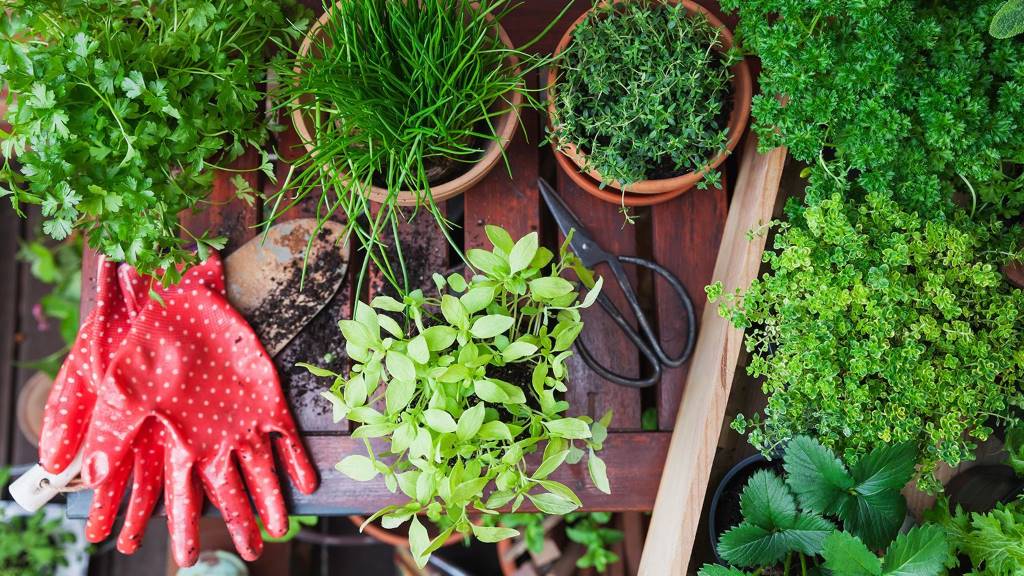
Every great garden starts with the right tools. Whether you have a large backyard or a small balcony space, having the right equipment makes all the difference. You do not need to buy everything at once. However, knowing what you actually need saves time, money, and frustration.
This guide will help you build an essential garden tools list. It covers must-have gardening gear for beginners and experienced gardeners alike. Additionally, it explains what each tool does and why it matters. By the end, you will feel confident choosing tools that suit your space and goals.
Why the Right Tools Matter in Home Gardening
Many people start gardening with great excitement. Then, they struggle because they lack the right equipment. Pulling weeds by hand is tiring. Watering plants with a bucket is slow. Therefore, good tools make your work easier and more effective.
Home gardening basics begin with understanding your needs. Think about what you want to grow. Consider the size of your garden. Then, match your tools to those needs. You do not need the most expensive items on the shelf. You just need reliable, functional gear that fits your gardening style.
Additionally, using the right tool for the right job protects your plants. It also protects your body. Poor posture from using the wrong tools can lead to back pain. A well-chosen trowel, for example, reduces strain on your wrists.
Digging and Soil Preparation Tools
Soil preparation is the foundation of any garden. Before planting anything, you need to loosen the soil and remove debris. These tools help you do that effectively.
Garden Spade
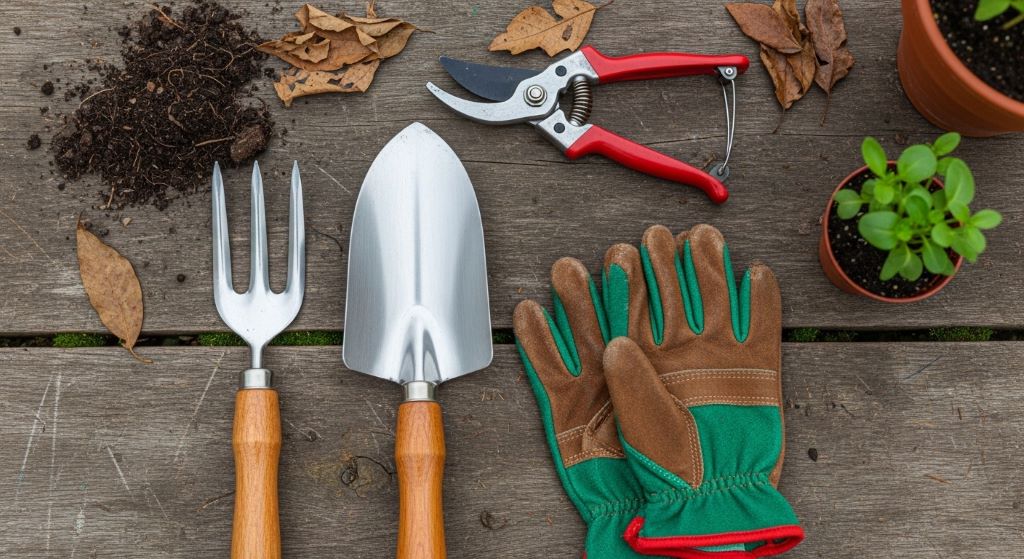
A garden spade is flat and straight-edged. It is perfect for cutting into the soil and creating neat edges around beds. It is also useful for dividing clumps of plants. Most gardeners consider it one of the first tools to own.
Garden Fork
A garden fork has four sturdy tines. Use it to loosen compacted soil without turning it completely over. It also works well for mixing compost into beds. Furthermore, it helps aerate the soil, which improves drainage and encourages healthy root growth.
Hand Trowel
A hand trowel is small, handheld, and incredibly useful. Use it to dig small holes for planting seeds or seedlings. It is also great for mixing in fertiliser around individual plants. Choose one with a comfortable grip to reduce hand fatigue.
Cutting and Pruning Tools
Cutting and pruning keep your plants healthy. They remove dead growth and shape your plants as they develop. Without proper cutting tools, plants can become overgrown and unhealthy.
Pruning Shears
Pruning shears are also called secateurs. They cut through stems and small branches with ease. Use them to remove dead flowers, trim back bushes, or harvest vegetables. Keep them sharp and clean to avoid spreading disease between plants.
Garden Scissors
Garden scissors are lighter than pruning shears. They work well for snipping herbs, deadheading flowers, and cutting twine. They are a simple but often overlooked part of must-have gardening gear.
Loppers
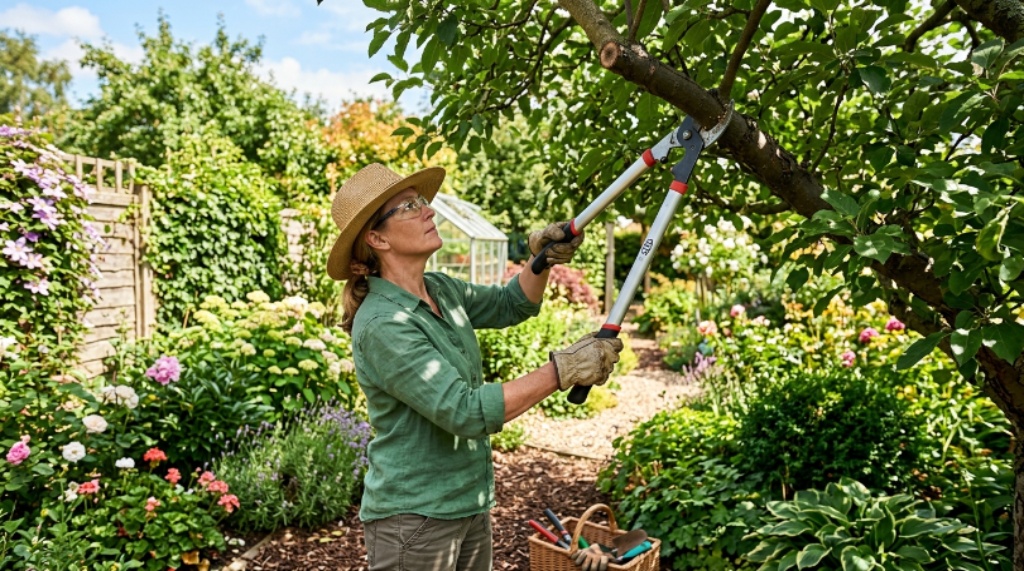
Loppers have long handles for extra reach and leverage. Use them on thicker branches that pruning shears cannot manage. They are especially useful if you have shrubs or young trees in your garden.
Raking and Surface Care Tools
Surface care is just as important as soil preparation. Rakes help you clear debris, level soil, and prepare seedbeds. These tools keep your garden tidy and productive.
Leaf Rake
A leaf rake has a wide, fan-shaped head. It is designed to gather leaves and light debris quickly. In autumn, it becomes one of your most used tools. However, do not use it on freshly turned soil as the tines are too flexible for that task.
Garden Rake
A garden rake has a solid, narrow head with short, rigid tines. Use it to level soil, break up clumps, and remove stones before planting. It gives your seedbeds a smooth, even surface.
Watering Tools
Plants need consistent moisture to thrive. Therefore, having the right watering tools is essential. The goal is to deliver water efficiently without wasting it or damaging delicate plants.
Watering Can
A watering can is perfect for small gardens and container plants. Choose one with a long spout and a removable rose head. The rose head breaks water into a gentle shower, which avoids disturbing the soil around seedlings.
Garden Hose with Adjustable Nozzle
For larger spaces, a garden hose saves a lot of time. An adjustable nozzle lets you switch between a fine mist for seedlings and a strong jet for washing paths. Store it coiled to avoid kinks and damage.
Watering Wand
A watering wand extends your reach without bending over. It is ideal for hanging baskets, raised beds, or deep pots. The gentle flow rate makes it suitable for fragile young plants.
Weeding Tools
Weeds compete with your plants for nutrients, water, and light. Removing them regularly keeps your garden healthy. Additionally, consistent weeding is much easier than tackling a large buildup later.
Hand Weeder
A hand weeder has a forked or pointed tip. It gets under the root of a weed and lifts it out cleanly. This is important because leaving roots behind means the weed will regrow.
Long-Handled Hoe
A hoe lets you weed while standing upright. It disturbs the soil surface and cuts off weeds at their roots. Use it regularly between rows of vegetables to keep weeds under control.
Protective and Supportive Gear
Protecting yourself is just as important as protecting your plants. A few basic items make gardening safer and more comfortable.
Gardening Gloves
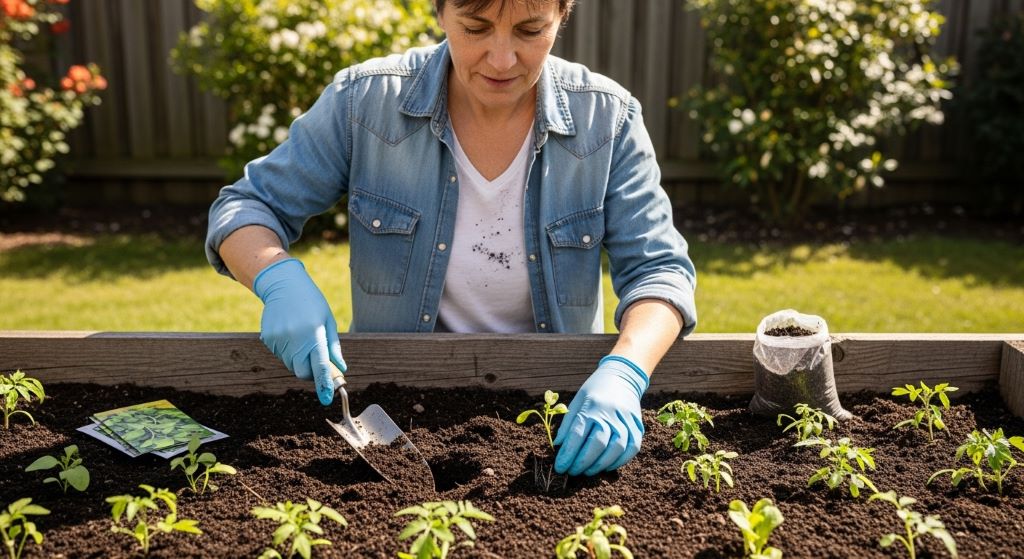
Good gloves protect your hands from thorns, splinters, and soil-borne bacteria. Choose a pair that fits well and allows enough grip to hold tools securely. There are different types for different jobs, such as heavy-duty gloves for pruning and lightweight ones for planting.
Kneeling Pad or Kneeler
Kneeling on hard or damp ground is uncomfortable and can hurt your knees over time. A kneeling pad or kneeler provides cushioning and support. Some kneelers even flip over to become a small seat, which is ideal for longer sessions.
Garden Trug or Basket
A trug or garden basket helps you carry tools, harvested produce, or weeds around the garden. It saves multiple trips back and forth and keeps everything organised in one place.
Optional but Helpful Tools to Consider
Once you have the basics covered, a few extra tools can make life easier. These are not essential from day one. However, they are worth adding over time as your garden grows.
- Wheelbarrow: Useful for moving large amounts of soil, compost, or mulch around the garden.
- Garden Dibber: A pointed tool for making precise holes when planting bulbs or seeds.
- Soil Thermometer: Helps you know when soil is warm enough for planting.
- Plant Labels: Keep track of what you have planted and where.
- Sprayer Bottle: Useful for misting delicate seedlings or applying liquid fertiliser.
Tips for Choosing Quality Garden Tools
Buying cheap tools often costs more in the long run. They break easily and frustrate you when you need them most. Therefore, it is worth investing in decent quality from the start.
Look for tools with solid, rust-resistant heads and comfortable handles. Wood handles are traditional and strong. Fibreglass handles are lighter and also durable. Test the weight in your hand before buying if possible.
Additionally, look after your tools. Clean them after each use. Store them in a dry shed or garage. Sharpen blades regularly. Well-maintained tools last for many years and perform much better.
Home gardening basics also include buying tools that suit your body. If you are shorter, look for tools with adjustable handles. If you have weak hands, look for ergonomic grip designs. Comfort matters when you are spending hours in the garden.
Building Your Garden Tools List on a Budget
You do not need to spend a fortune to get started. Focus on core must-have gardening gear first. Then add to your collection slowly as your needs become clearer.
Start with a hand trowel, pruning shears, a watering can, a garden fork, and a pair of gloves. These five items will cover most of what a beginner needs. Furthermore, buying from reputable garden centres often means better quality at reasonable prices.
Consider second-hand tools from charity shops or online marketplaces. Many used tools are in excellent condition. Cleaning and sharpening an old spade can bring it back to life at a fraction of the cost of a new one.
Conclusion
Building a solid garden tools list does not have to be overwhelming. Start with the essentials and grow your collection gradually. Every garden is different, so tailor your kit to your own space and goals.
The key tools to start with are a hand trowel, garden fork, spade, pruning shears, a rake, a watering can, a hoe, and a good pair of gloves. Additionally, a kneeling pad and a trug make your time outside more comfortable and organised.
Good tools make gardening more enjoyable and far more effective. They save you time, protect your body, and help your plants grow stronger. Therefore, invest thoughtfully, care for what you buy, and your garden will reward you season after season.
Frequently Asked Questions
1. What are the most important tools for a beginner gardener?
For beginners, the most important tools are a hand trowel, a garden fork, pruning shears, a watering can, and a pair of gloves. These cover planting, soil preparation, cutting, watering, and hand protection. They form a strong starting set for almost any garden.
2. How do I maintain my garden tools so they last longer?
Clean tools after every use by removing soil and plant material. Dry them thoroughly before storing. Oil metal parts lightly to prevent rust. Sharpen blades on spades, hoes, and shears regularly. Store everything in a dry, covered space such as a shed or garage.
3. Should I buy cheap tools or invest in more expensive ones?
It is generally better to invest in quality tools from the start. Cheap tools often break quickly, which means spending more money over time. Quality tools last for years when properly maintained. However, if budget is tight, look for well-reviewed mid-range options or good second-hand tools.
4. What size watering can should I buy for a home garden?
A 9-litre watering can is a popular choice for most home gardens. It holds enough water to cover a good area without becoming too heavy to carry. For balcony or indoor plant setups, a smaller 2 to 5-litre can is easier to handle.
5. Do I need different tools for a raised bed garden compared to a ground-level garden?
Raised beds generally require shorter-handled tools since you can reach the centre without walking on the soil. A long-handled hoe or rake may not be necessary. However, the core tools remain the same: a hand trowel, fork, pruning shears, and watering equipment are still essential regardless of the garden type.
Related Topics:
How Automated Irrigation Systems Are Saving UK Gardens From Drought
How to Repot Aloe Vera: A Step-by-Step Guide for Healthy Growth