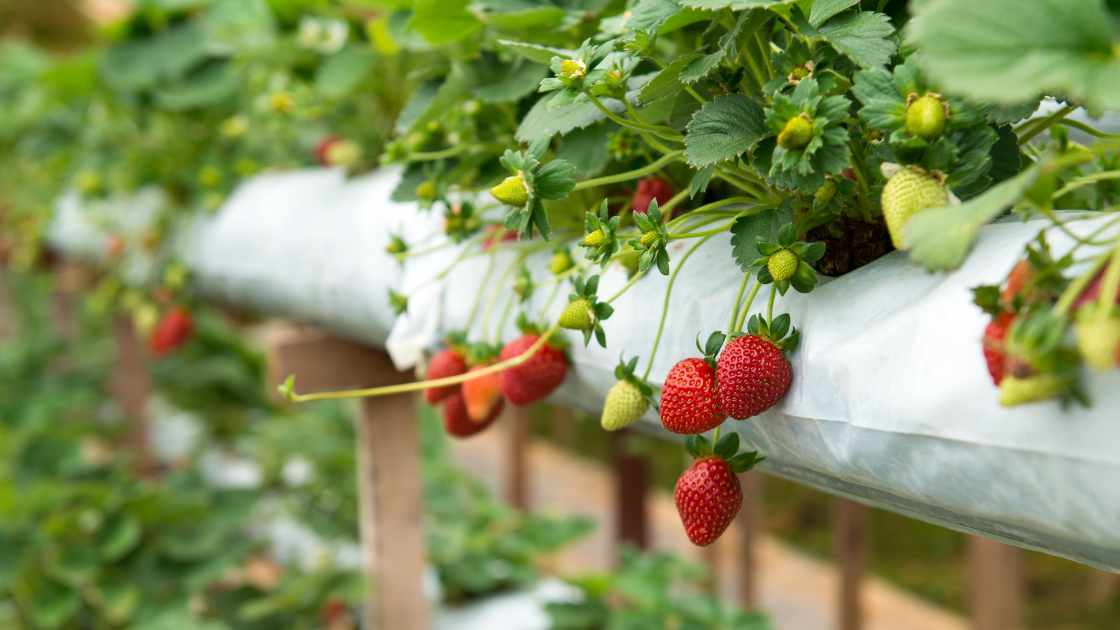
Picture this: you’re standing in your garden, surrounded by vibrant red cayenne peppers swaying in the breeze, knowing that winter is approaching and these beautiful, fiery gems will soon succumb to frost. What if you could capture that intense heat and flavor to enjoy year-round? The ancient art of dehydrating peppers offers the perfect solution, transforming your fresh cayenne harvest into concentrated flavor powerhouses that can elevate your cooking for months to come.
Whether you’re a seasoned gardener with an abundant pepper harvest or someone who wants to preserve store-bought cayennes at their peak, learning how to dehydrate cayenne peppers is an invaluable skill that connects you to centuries of food preservation tradition while providing modern convenience.
Why Dehydrate Cayenne Peppers?
Dehydrating peppers serves multiple purposes beyond simple preservation. When you remove moisture from cayenne peppers, you’re essentially concentrating their capsaicin content – the compound responsible for their signature heat. This process creates a more intense flavor profile while extending shelf life dramatically. Fresh cayenne peppers typically last only a few weeks in the refrigerator, but properly dehydrated peppers can maintain their potency for up to two years when stored correctly.
The process also offers economic benefits. Buying cayenne pepper powder or flakes from the store can be expensive, especially if you use them frequently. By dehydrating your peppers, you control the quality, heat level, and save money while ensuring no additives or preservatives make their way into your spice collection.
Selecting and Preparing Cayenne Peppers for Dehydration
Success in drying peppers in a dehydrator begins with selecting the right peppers. Choose cayenne peppers that are fully mature but not overripe. Look for peppers with deep red color, firm texture, and glossy skin. Avoid peppers with soft spots, wrinkled skin, or any signs of mold or damage.
Before beginning the dehydration process, proper preparation ensures optimal results. Start by washing your peppers thoroughly under cool running water, removing any dirt or debris. Pat them completely dry with clean kitchen towels. This initial drying step is crucial because excess surface moisture can extend dehydration time and potentially lead to spoilage.
For safety reasons, always wear gloves when handling cayenne peppers. The capsaicin oils can remain on your hands for hours, even after washing, and accidental contact with the eyes or sensitive skin can cause significant discomfort.
You have several options for preparing peppers before dehydration. Whole peppers take longer to dry but maintain maximum flavor retention. Sliced peppers dry faster and create versatile pieces perfect for cooking applications. If you plan to make cayenne pepper powder, consider removing stems and seeds beforehand, though many people prefer leaving seeds for maximum heat intensity.

How to Dehydrate Cayenne Peppers: Step-by-Step Process
The dehydration process requires attention to detail but remains surprisingly straightforward. Begin by arranging your prepared cayenne peppers on dehydrator trays, ensuring adequate spacing between each pepper. Proper air circulation is essential for even drying, so avoid overcrowding trays.
Set your dehydrator temperature between 125°F and 135°F. This temperature range effectively removes moisture while preserving the peppers’ nutritional value and flavor compounds. Higher temperatures can damage delicate flavor oils and reduce the overall quality of your finished product.
The question of how long to dehydrate peppers depends on several factors, including pepper size, moisture content, and desired final texture. Whole cayenne peppers typically require 8 to 12 hours for complete dehydration, while sliced peppers may finish in 6 to 8 hours. Properly dried peppers should feel crispy and brittle, with no soft or flexible areas remaining.
During the dehydration process, check your peppers every few hours, rotating trays if necessary to ensure even drying. Some dehydrator models have hot spots that may cause uneven results without periodic rotation.
Alternative Methods for How to Dry Cayenne Peppers
While electric dehydrators provide the most consistent results, several alternative methods can successfully preserve cayenne peppers. Air drying represents the traditional approach used for centuries. Thread whole peppers onto a string, creating colorful garlands, and hang them in a dry, well-ventilated area away from direct sunlight. This method takes several weeks but requires no electricity and adds rustic charm to your kitchen.
Oven drying offers another option, though it requires more attention and energy. Set your oven to its lowest temperature setting (usually around 170°F), place peppers on parchment-lined baking sheets, and prop the oven door slightly open to allow moisture to escape. Check frequently to prevent burning, as oven temperatures can fluctuate.
Solar dehydration provides an eco-friendly alternative in sunny climates. Place peppers on screens or drying racks inside a solar dehydrator or simply lay them on clean screens in direct sunlight, covering with cheesecloth to protect from insects while allowing airflow.
Storage and Safety Considerations
Proper storage determines how long your dehydrated cayenne peppers maintain their quality and potency. Once completely cooled, store dried peppers in airtight containers such as glass jars or vacuum-sealed bags. Add oxygen absorber packets for extended storage life, and label containers with dates to track freshness.
Store containers in cool, dark locations away from heat sources and direct light. Properly stored dehydrated cayenne peppers can maintain quality for 12 to 24 months, though they remain safe to consume well beyond this timeframe.
Safety considerations extend beyond handling fresh peppers. When grinding dried cayenne peppers into powder, work in well-ventilated areas and consider wearing a mask to avoid inhaling pepper dust. The concentrated capsaicin in dried peppers can cause respiratory irritation if precautions aren’t taken.
Creative Uses for Your Dehydrated Cayenne Peppers
Learning how to make cayenne pepper opens doors to numerous culinary applications. Whole dried peppers can be rehydrated in warm water for use in soups, stews, and sauces. They also make excellent additions to oil infusions, creating spicy cooking oils perfect for pizza, pasta, and stir-fries.
Grinding dried peppers creates custom spice blends tailored to your heat preferences. Mix ground cayenne with other spices like garlic powder, onion powder, and paprika for versatile seasoning blends. The intensity of homemade cayenne powder often surpasses store-bought versions, so start with small amounts and adjust to taste.
Crushed dried cayenne peppers, often called pepper flakes, provide attractive garnishes and heat sources for countless dishes. They store well and maintain their vibrant color longer than pre-ground powders.
Troubleshooting Common Dehydration Issues
Even experienced practitioners occasionally encounter challenges when dehydrating peppers. Uneven drying often results from overcrowded trays or inadequate air circulation. Ensure proper spacing and consider upgrading to a dehydrator with horizontal airflow for more consistent results.
If peppers appear to be taking longer than expected to dry, check your dehydrator’s temperature accuracy with an independent thermometer. Some older units may not maintain consistent temperatures, affecting drying times.
Peppers that develop dark spots during dehydration may have been damaged before processing or exposed to temperatures that were too high. While these peppers remain safe to consume, their appearance and flavor may be compromised.
Maximizing Your Pepper Harvest
Understanding seasonal timing can significantly impact your dehydrating success. Cayenne peppers typically reach peak ripeness in late summer and early fall, making this the ideal time for large-scale dehydration projects. However, you can dehydrate peppers throughout the growing season, allowing you to process smaller batches as they ripen.
Consider succession planting if you grow your cayennes, staggering planting dates to extend harvest time and avoid overwhelming quantities that must be processed simultaneously.
Conclusion: Your Journey to Pepper Preservation Mastery
Mastering the art of dehydrating cayenne peppers transforms you from a passive consumer into an active participant in food preservation traditions that span cultures and centuries. The process connects you more deeply with your food while providing practical benefits, including cost savings, quality control, and year-round access to intense, flavorful heat sources.
The techniques outlined in this guide provide foundation knowledge, but true expertise develops through practice and experimentation. Each batch of peppers offers opportunities to refine your approach and discover new applications for your preserved harvest.
Ready to start your pepper dehydration journey? Begin by selecting the freshest cayenne peppers available and choosing your preferred dehydration method. Whether you invest in a dedicated dehydrator or start with simple air-drying techniques, the most important step is getting started. Share your dehydration experiences in the comments below, and don’t forget to subscribe to our newsletter for more food preservation tips and seasonal cooking guides that will help you make the most of every harvest.