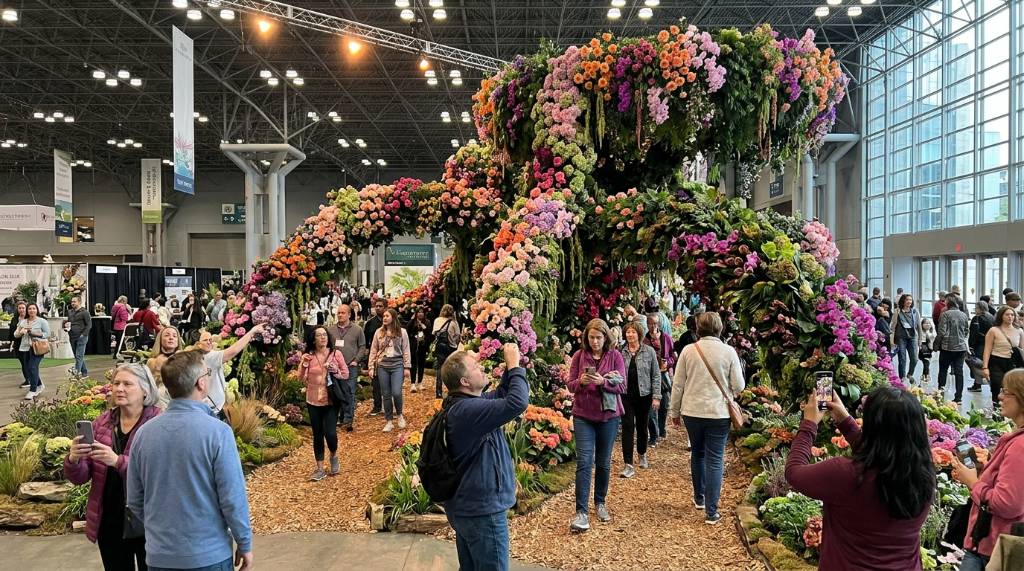
Every March, the Pennsylvania Convention Center turns into a giant indoor garden. Visitors stroll past towering displays, fragrant blooms, and clever designs. In 2027, the excitement grows even bigger. The Philadelphia Flower Show 2027 marks the 200th anniversary of the Pennsylvania Horticultural Society. Therefore, the event promises a celebration unlike any other.
This guide focuses on two crowd favorites. First, you will learn about botanical art, where plants meet paintings, prints, and pressed specimens. Next, you will explore floral arranging, where skilled designers turn stems and petals into living sculpture. Additionally, you will find a clear visit plan, handy tables, and answers to common questions. Whether you garden every weekend or simply love pretty things, this article will help you get ready.
What Makes the 2027 Show Special
The Philadelphia show is one of the best-known indoor flower events in the country. It first opened its doors in 1829 and has grown into a ten-day spectacle. Designers, growers, and artists travel from across the country and around the world. They build full gardens inside a convention hall, which is no small feat.
The 2027 theme is Iconic. It celebrates 200 years of the Pennsylvania Horticultural Society, often shortened to PHS. The theme explores how gardens have inspired art, fashion, food, fragrance, and film. Creative director Seth Pearsoll says the theme highlights the way gardening evolves while it stays relevant. That idea suits art and floral design perfectly. Both fields borrow from nature and then reshape it through human creativity.
Another first adds to the buzz. Five public gardens will share one space for the first time. They include Chanticleer Garden, Longwood Gardens, Phipps Conservatory and Botanical Gardens, Pittsburgh Botanic Garden, and The Arboretum at Penn State. Consequently, visitors can enjoy five distinct garden styles in a single walk. More than 30 major exhibitors will also bring imaginative gardens, floral artistry, and oversized plant displays.
Show Basics at a Glance
Before you dive into the details, review the key facts below. Dates and details can change, so confirm them on the official PHS website before you buy tickets.
| Detail | Information |
| Dates | March 12 to March 21, 2027 |
| Member preview | March 12, 2027 |
| Public opening | Starting March 13, 2027 |
| Venue | Pennsylvania Convention Center, Philadelphia |
| Theme | Iconic, honoring 200 years of PHS |
| Major exhibitors | More than 30 |
| Tickets | Available through the PHS website |
Botanical Art at the Show
What Plant Art Means
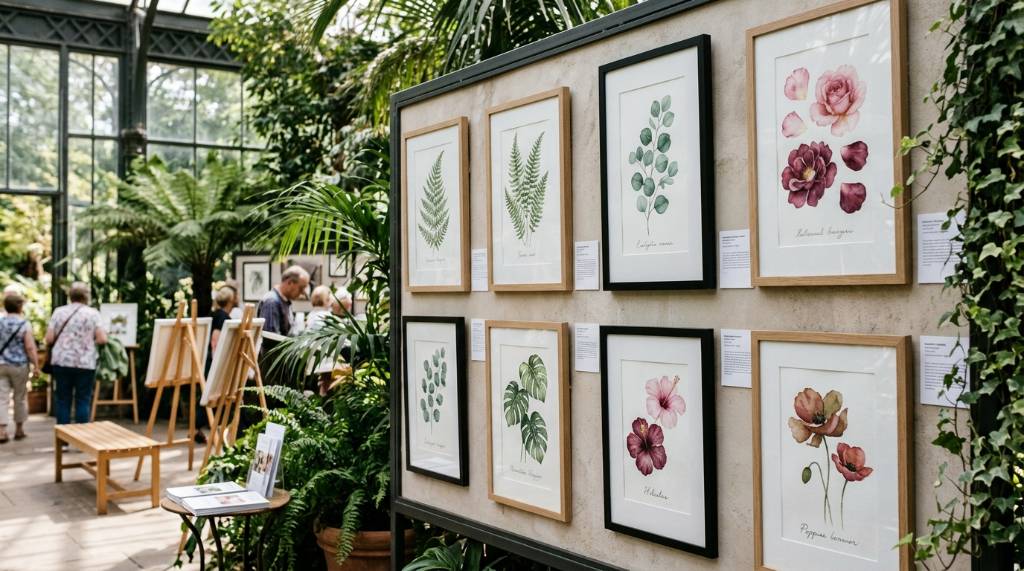
This art form records plants with care and accuracy. Artists study leaves, roots, petals, and seeds. Then they capture every detail in watercolor, ink, pencil, or print. The result looks beautiful, yet it also teaches. Scientists have relied on this kind of art for centuries to identify and compare species.
At the show, art and gardening blend together. PHS lists Botanical Arts as one of four Artistic Classes. The other three are Arrangements, Photography, and Pressed Plants. Together, these classes show how many ways people can celebrate a single leaf or bloom. Moreover, the show judges its exhibits for creativity, technique, and originality, so the standard stays high.
Artistic Classes Worth Seeking Out
Each Artistic Class offers a different view of the plant world. Because the 2027 class details may still change, treat the descriptions below as a general guide.
- Plant-inspired art: Expect artwork that rewards close looking. Fine lines, delicate color washes, and careful shading often steal the spotlight.
- Pressed Plants: Makers dry and flatten leaves, petals, and ferns, then frame them in patterns. The work looks simple at first glance. However, it demands patience and a steady hand.
- Photography: Photographers capture blooms, gardens, and tiny details such as dew or insects. Their images often make you notice things you would normally walk past.
- Arrangements: These designs bridge the gap between art and floral work. You will read more about them in the next section.
A Short History of Plants in Art
People have drawn plants for thousands of years. Early healers sketched herbs so others could find them. Later, explorers returned from long trips with strange new species, and artists recorded each one. These pictures guided doctors, farmers, and gardeners long before cameras existed.
Today, the tradition lives on. Modern artists still observe real specimens, yet they also use fresh tools such as digital tablets. Some mix old methods with bold color. As a result, the show lets you compare classic detail with new, playful styles in the same room.
How to Enjoy the Artwork
Art rooms invite a slower pace than the big garden displays. Therefore, plan some quiet time for this part of your visit. A few simple habits will make the experience richer.
- Visit early in the day, when the aisles feel calmer.
- Step close to each piece, then step back to see the whole.
- Read every label. Plant names and artist notes add meaning.
- Bring a small notebook to jot down plants you want to grow at home.
- Ask volunteers for help. They often know the story behind a display.
In addition, look for connections to the Iconic theme. Some artists may draw on classic paintings, vintage fashion, or film imagery. Spotting these links turns a stroll into a fun treasure hunt.
Floral Arranging Exhibitions
Design Classes
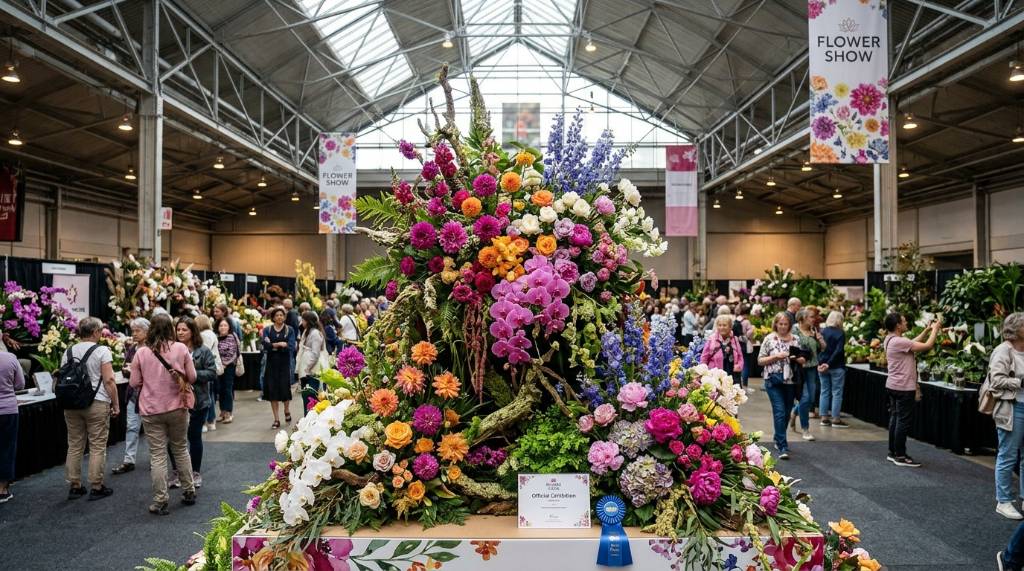
Floral design sits at the heart of the show. PHS describes its Design Classes as small to mid-size installations that center on rooted plants and floral design. Exhibitors use color, shape, and texture to tell a story in a limited space. As a result, you can study ideas that fit a dining table, a porch, or a garden corner.
Meanwhile, the larger exhibitors create immersive displays that reach the ceiling. Flower walls, hanging gardens, and sculptural forms often appear in these spaces. They show what designers can do when the budget and imagination run wild. Even so, the best lessons usually come from the smaller pieces. You can copy a color pairing or a simple shape right away.
Arrangements in the Artistic Classes
Arrangements form another route for floral talent. In these classes, entrants combine cut flowers, foliage, and sometimes natural objects into a balanced piece. Judges look at how the parts work together. A strong entry feels intentional, with every stem in the right place.
Besides the technical side, arrangements carry emotion. A single branch with three blooms can feel calm. A tall, bold mix of red and orange can feel joyful. Walk slowly past each entry and ask yourself how it makes you feel. That habit trains your eye faster than any book.
PHS Hamilton Horticourt
The PHS Hamilton Horticourt gives growers their own stage. Hundreds of top plants and flowers compete here in the PHS Competitive Classes. Amateur and expert gardeners both enter, and Blue Ribbon winners earn their place in the spotlight. You can see healthy orchids, succulents, herbs, and houseplants at their very best.
This area also helps beginners. Seeing a perfect specimen shows you what good care looks like. Consequently, many visitors leave with a plant list and a new goal for their windowsill.
Seasonal Flowers You May Spot
March offers a lovely mix of early spring blooms. Forcing, a method that coaxes plants to flower ahead of schedule, lets growers show tulips, daffodils, hyacinths, and cherry blossoms indoors. Therefore, you can see spring in full color while the weather outside may still feel cold. Designers often build their arrangements around these blooms, which keeps the displays fresh and timely.
Foliage matters just as much. Ferns, ivy, and branches add shape and contrast. In many arrangements, the greenery does the quiet work that lets the flowers shine. Watch how designers layer leaves behind blooms to create depth.
What Judges Look For
Judging standards vary by class, yet several ideas appear again and again in floral design. Understanding them lets you view each piece like an insider.
- Creativity: Does the design show a fresh idea?
- Technique: Do the stems sit firmly and the materials look healthy?
- Originality: Does the piece avoid copying a common look?
- Balance and proportion: Do the shapes and sizes feel right together?
- Color harmony: Do the shades support one another?
Class Guide at a Glance
The table below summarizes the main competitive and design areas. Use it to decide where to spend your time.
| Area | What you will see | Best for |
| Design Classes | Small to mid-size installations with plants and floral design | Home styling ideas |
| Arrangements | Cut-flower and foliage designs | Floral beginners |
| Plant art classes | Plant-inspired artwork | Art lovers |
| Pressed Plants | Dried and flattened plant creations | Crafters |
| Photography | Photos of blooms and gardens | Camera fans |
| PHS Hamilton Horticourt | Prize-winning plants and flowers | Growers |
Planning Your Visit
Tickets and Timing
PHS sells tickets through its website. PHS members enjoy a preview day on March 12, and the public can attend starting March 13. Ticket prices did not appear in the sources reviewed for this article, so check the official site for current rates. Additionally, weekday mornings usually feel quieter than weekend afternoons. If you want time for both art and floral exhibits, plan at least four hours.
Making a Day Plan
A simple schedule keeps the day relaxed. Start with the biggest garden displays while your energy is high. Next, move to the art rooms for a calm break. After lunch, head to the Horticourt and the floral design areas. Finally, finish with shopping, so you do not carry bags all day.
If you travel with children, build in rest stops. Kids love the butterflies and hands-on activities, yet they tire quickly. Meanwhile, plant lovers may want to linger at every display, so agree on a meeting time and place before you split up.
Beyond the Exhibits
The show offers more than displays. Recent editions included Butterflies Live!, where visitors see native butterflies up close. The Bloom Bar let guests make flower crowns, while Family Frolic and Kids Cocoon entertained children. The Know to Grow speaker series offered free lessons, and the Flowers After Hours dance party brought an evening crowd. Shoppers also enjoyed the Marketplace, the PHS Shop, and The Makers Market with local artisans. The 2027 lineup may differ, so look for the latest schedule before you go.
Practical Tips
- Wear comfortable shoes. You will walk for miles.
- Bring a light bag for plants and art prints you may buy.
- Charge your phone for photos, and check the photo rules at the door.
- Eat before you arrive, or plan a break at a nearby spot.
- Arrive with a short list of must-see areas, then leave time to wander.
Additionally, save a few minutes to talk with exhibitors. Many love to share growing tips, design tricks, and the stories behind their work. These short chats often become the best part of the day.
Finally, consider a small-group tour if you want a deeper look. PHS has offered behind-the-scenes tours before the show opens, led by a docent or a professional photographer. Availability for 2027 may vary, so ask when you book.
Conclusion
The Philadelphia Flower Show 2027 looks ready to deliver a landmark year. The Iconic theme honors 200 years of PHS, and five public gardens will share one space for the first time. Within that excitement, art and design hold special charm. The pressed plant, photography, and painting classes invite you to look closely. Design Classes, Arrangements, and the Hamilton Horticourt show how skill turns plants into something memorable.
Therefore, make a simple plan. Confirm dates and tickets on the PHS website, set aside quiet time for the art rooms, and leave space for surprises. Most of all, bring curiosity. Every stem, stroke, and display has something to teach, and you may head home with a few new ideas for your own garden.
Frequently Asked Questions
1. When is the 2027 Philadelphia Flower Show?
The show runs from March 12 to March 21, 2027. PHS members get a preview on March 12, and the public can attend starting March 13.
2. Where does the show take place?
It takes place at the Pennsylvania Convention Center in Philadelphia.
3. What is the 2027 theme?
The theme is Iconic. It celebrates the 200th anniversary of the Pennsylvania Horticultural Society and explores how gardens inspire art, fashion, food, fragrance, and film.
4. How do I buy tickets?
You can buy tickets through the PHS website. Check the site for current prices, member discounts, and any timed entry rules.
5. Will the show include plant art exhibits?
PHS lists plant art as one of its Artistic Classes. Check the official schedule for the exact 2027 entries and locations.
6. What are the Artistic Classes?
They include Arrangements, plant art, Photography, and Pressed Plants. These classes blend art with gardening.
7. What are Design Classes?
Design Classes feature small to mid-size installations that center on rooted plants and floral design.
8. Can everyday gardeners enter competitions?
Yes. The PHS Hamilton Horticourt features entries from both amateur and expert gardeners. Review the exhibitor information on the PHS website for rules and deadlines.
9. Which public gardens will exhibit in 2027?
Chanticleer Garden, Longwood Gardens, Phipps Conservatory and Botanical Gardens, Pittsburgh Botanic Garden, and The Arboretum at Penn State will share one space.
10. What is the best time to visit?
Weekday mornings tend to feel calmer. Plan at least four hours if you want to see art, floral design, and the marketplace.