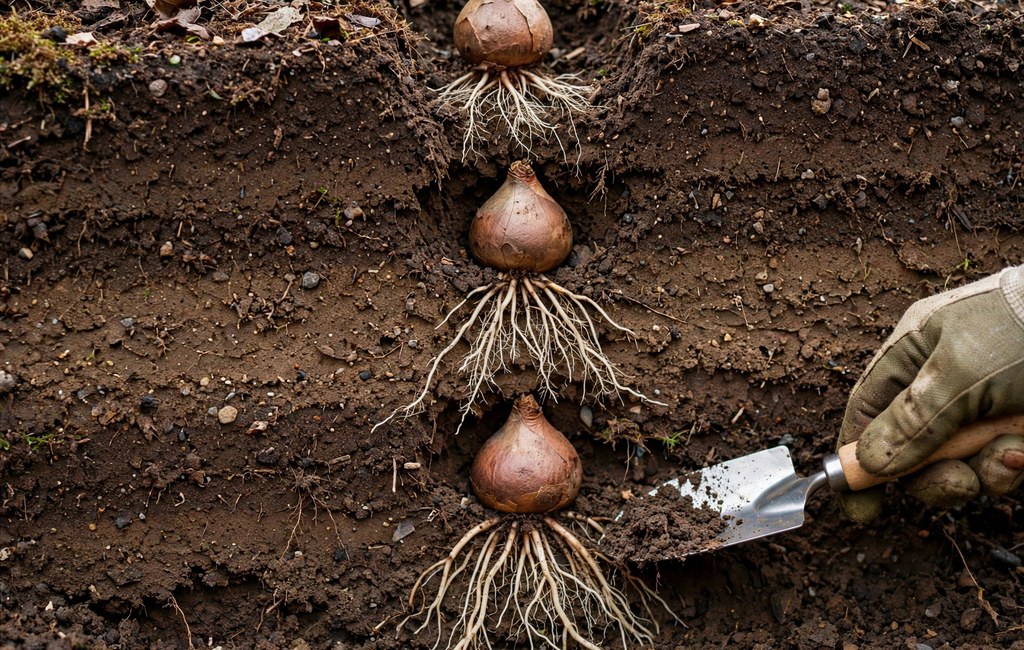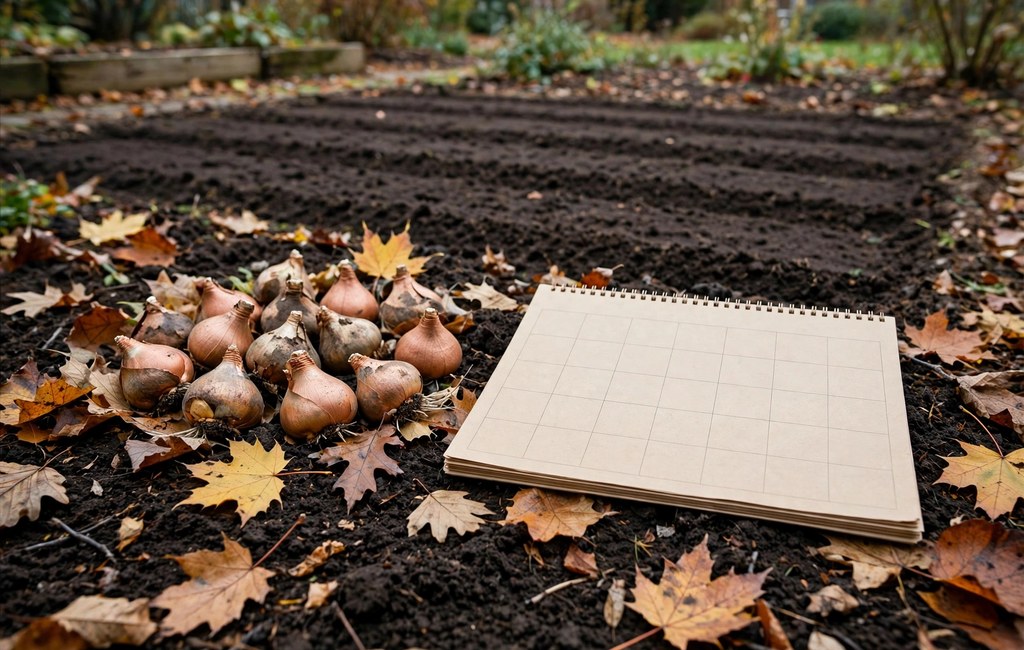
Once nighttime temperatures cool steadily, tulip bulb planting time arrives in fall. That timing lets roots grow before winter locks the ground. As a result, bulbs gain the long cold rest spring flowers require.
Gardeners often watch calendar dates, yet soil tells the truer story. First, learning how to plant tulip bulbs starts with reading that soil signal correctly. Then you can match planting week to your local climate pattern.
Meanwhile, northern beds cool weeks earlier than southern beds each fall. So a single national planting date misleads almost every gardener somewhere. Instead, use temperature, frost, and chill as your three timing guides.
Why Soil Temperature Sets Tulip Bulb Planting Time
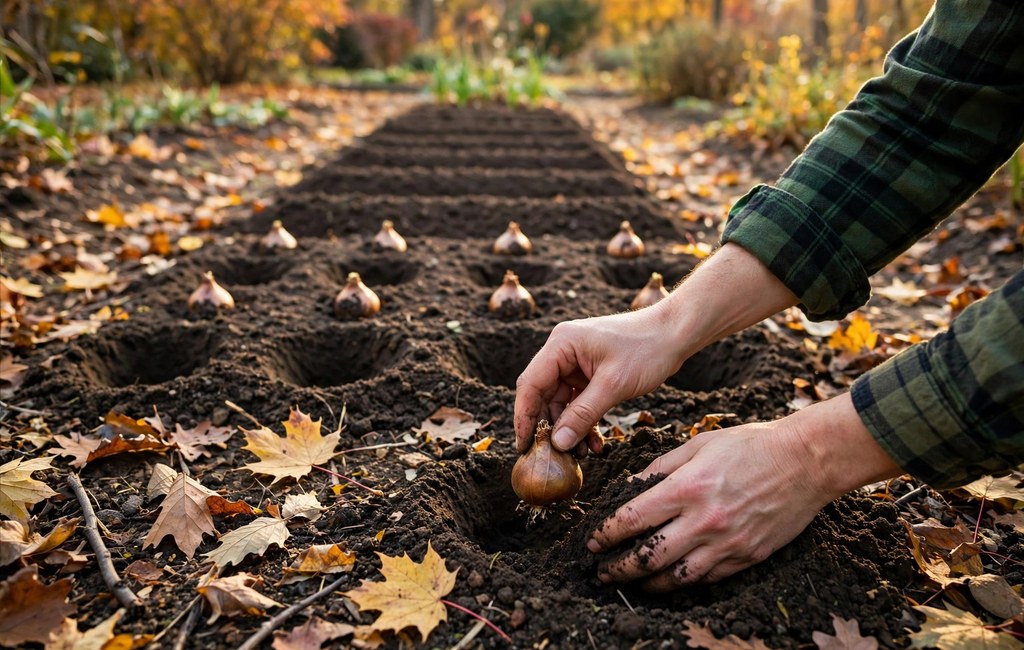
Warm soil pushes bulbs toward early growth and invites rot problems. However, cool soil slows top growth and encourages strong root development. Roots anchor bulbs and absorb moisture before deep cold arrives.
Push a soil thermometer six inches into a shaded bed. Next, read the temperature at midday across three consecutive days. Once readings stay below 60 degrees Fahrenheit, your planting window opens. Check tulip bulb planting time against soil temperature, not the calendar alone.
Night air gives a helpful early warning before soil cools. When nights settle into the forties, soil follows within weeks. Still, only a thermometer reading confirms the change underground reliably.
In practice, garden clues confirm what the thermometer reports each day. Watch nights, leaves, and soil feel before you start digging.
- Cool nights hold steady: Night air feels crisp and mornings arrive with light frost.
- Leaves turn and fall: Maples drop leaves and perennial tops fade in cooling beds.
- Soil feels cool midday: Soil stays cool at bulb depth even under afternoon sun.
Tulip Bulb Planting Time by Climate
Cold northern gardens reach cool soil first each fall season. Gardeners there plant from mid-September through mid-October most years. Still, an unusually warm fall can shift that window later.
Temperate gardens cool more slowly and suit a later schedule. In those regions, gardeners plant from mid-October through mid-November usually. Meanwhile, early frosts there rarely freeze soil deeply at first.
Warm southern gardens cool last and demand extra patience yearly. Gardeners there usually plant during December, near the winter solstice. As a result, warm-zone tulips often bloom as one-season annual displays. Local frost dates refine tulip bulb planting time for every garden.
Adjusting the Window for Your Garden
Sunny beds warm faster and cool later than shaded beds. Consequently, south-facing slopes often need planting after north-facing corners nearby. Measure each distinct bed instead of trusting one reading everywhere.
High ground loses heat quickly during clear autumn nights outside. Meanwhile, paved city gardens hold warmth and cool more slowly. So check soil where bulbs will actually rest this winter.
Containers cool faster than ground beds during cold snaps outside. Gardeners in cold areas often plant pots slightly later deliberately. That delay protects containers from repeated freezing and thawing cycles.
How Frost and Chill Shape Tulip Planting Time
Frost gives gardeners a useful marker, but soil still leads. Light frost kills tender annuals while soil below stays workable. In fact, bulbs root best during that cool, unfrozen stretch. Cool nights confirm tulip bulb planting time has finally arrived.
After planting, winter cold completes a process growers call vernalization. Bulbs need twelve to sixteen weeks below 45 degrees Fahrenheit. That cold period triggers flower formation inside the resting bulb.
Where winters stay mild, gardeners must supply that cold artificially. They chill bulbs in the refrigerator for the same full period. Also, store bulbs away from ripening fruit during that chilling.
Steady cold matters more than brief cold snaps each winter. Warm spells pause development, yet bulbs resume resting afterward naturally. Over time, consistent winter cold builds the strongest spring display.
What Happens When Timing Goes Wrong
Planting into warm ground often produces leaves before winter arrives. Frost then damages that tender growth and weakens spring stems. Warm, wet soil also raises the risk of bulb rot.
By contrast, frozen ground blocks digging and prevents root establishment entirely. Very late planting may delay blooms and shorten stems noticeably. Yet late planting still beats spring planting in most gardens. Gardeners mark tulip bulb planting time before the ground freezes.
If you find forgotten bulbs in winter, check them carefully first. Plant firm, healthy bulbs immediately whenever soil remains diggable outside. Finally, discard soft or moldy bulbs before disease spreads further.
Storing Bulbs Until Planting Time Arrives
Bulb orders often arrive before local soil reaches planting temperature. Store unplanted bulbs somewhere cool, dark, dry, and well ventilated. In practice, a garage shelf beats a warm kitchen counter.
Keep bulbs inside paper bags or open mesh containers meanwhile. Paper and mesh let air move around each stored bulb. However, sealed plastic traps moisture and encourages mold growth indoors.
Check stored bulbs weekly while autumn temperatures drift downward outside. Remove any bulb that turns soft or develops spots promptly. Then plant promptly once your thermometer confirms the window opened.
Frequently Asked Questions About Tulip Planting Time
What month is best to plant tulip bulbs?
For most temperate gardens, mid-autumn gives bulbs cool soil and rooting time.
Can you plant tulip bulbs in spring?
Spring planting rarely produces flowers because bulbs miss winter chilling underground.
Can I plant tulip bulbs in January?
January planting can succeed in mild gardens when soil remains open.
How long do tulip bulbs need to chill?
Tulips need a full winter of sustained cold before spring growth.
Should I plant tulip bulbs before or after first frost?
Plant after light frost arrives, provided soil below remains unfrozen still.
Conclusion
Timing shapes tulip success more than any fancy planting tool. Read soil temperature first, then match planting to your climate. Order bulbs this week and prepare your beds before cooling.
Once soil cools, plant promptly and water the bed thoroughly. Then mark your calendar and watch for spring shoots eagerly. Your reward arrives as strong stems and bright spring flowers.