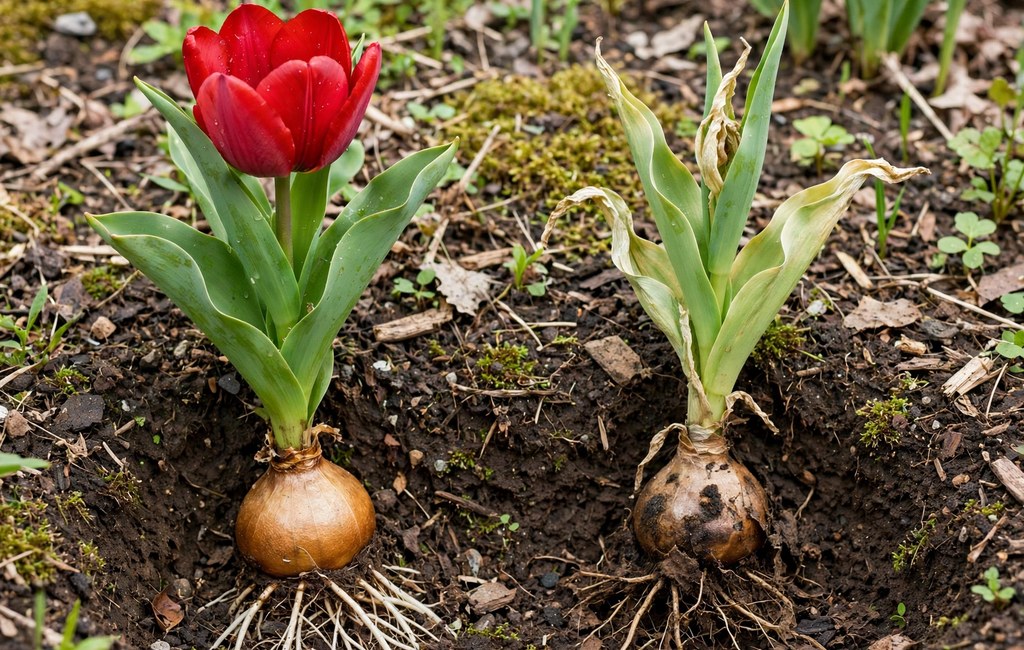
Tulip bulbs end up not blooming when they lack energy, chill, or depth. In fact, last season damaged the flower bud before winter even began. Still, most causes leave clear clues in foliage, timing, and bulb condition.
First, check how you planted the bulbs last fall. Then review how to plant tulip bulbs and compare depth, spacing, and timing carefully. Once you match symptoms to causes, you can fix problems before replanting.
Meanwhile, healthy leaves still help because they feed the bulb for next spring. However, blind bulbs rarely recover without changes to light, drainage, or feeding. So protect current growth while you diagnose the real failure below.
Start by Checking Bulbs That Are Not Blooming
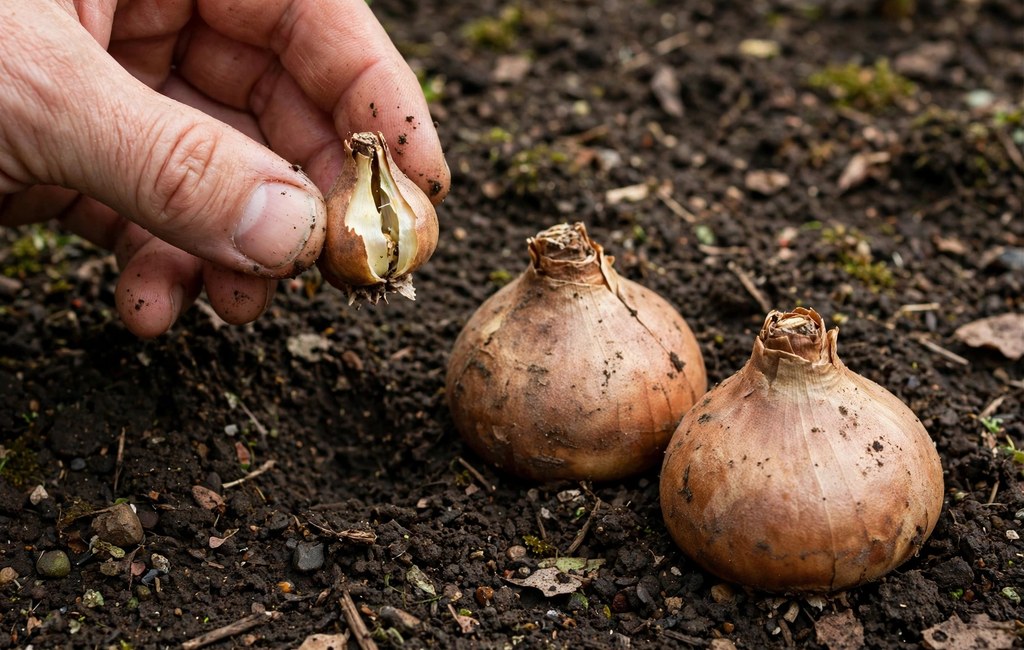
When only one variety fails, variety choice often explains the missing flowers. By contrast, whole beds failing together usually point to weather, drainage, or planting errors. Also note whether buds emerged and then dried without opening fully.
If stems stay very short, cold weather or shallow planting often disrupted development. Meanwhile, long floppy leaves without buds often signal shade or excess nitrogen. Next, dig one failed bulb after foliage yellows and inspect it closely. Gardeners often find tulip bulbs not blooming after unusually mild winters.
When no shoots appear at all, rot, rodents, or deep winter damage may explain the loss. However, leaves without flowers show the bulb survived and stored some energy. So treat leaf-only growth as useful evidence, not total failure.
Chilling, Depth, and Timing Errors
Tulips form next spring’s flower inside the bulb during summer dormancy. As a result, spring care alone cannot rescue a bud that never matured.
Insufficient Winter Chill
Tulips need twelve to sixteen weeks below forty-five degrees for proper bud development. When winters stay mild, bulbs often push leaves upward but skip flowering completely. Instead, gardeners in warm gardens prechill bulbs in refrigerators away from ripening fruit.
Shallow Tulip Bulbs End Up Not Blooming
Shallow bulbs face temperature swings that weaken buds and encourage early, frost-prone growth. In practice, gardeners plant standard bulbs six to eight inches deep. Also, deeper planting slows splitting and helps stems stand upright in spring. Gardeners measure three times bulb height from base to soil surface. Small offsets leave tulip bulbs not blooming for a full season.
Planting Too Late
Late planting shortens root growth before hard frost locks the ground. Without strong roots, bulbs enter spring with weaker buds and stems. Instead, plant after soil cools but before the ground freezes hard.
Energy Losses After Flowering
After flowering, leaves rebuild the bulb through photosynthesis for about six weeks. If anything interrupts that rebuilding, the bulb stores too little energy.
Cutting Foliage Too Early
Gardeners often mow, tie, or trim green leaves for a tidier bed. Yet green leaves still manufacture the sugars that form next year’s bud. So leave foliage until it yellows, loosens, and pulls away easily.
Braiding or folding leaves also reduces light capture and slows bulb rebuilding. In practice, tidy gardeners cause more blind bulbs than pests do. Still, companion plants can hide yellowing foliage without harming the bulbs.
Small, Split, or Underfed Bulbs
Over time, mother bulbs split into small offsets after each flowering season. However, tiny offsets lack reserves and usually need seasons to reach flowering size. Still, balanced feeding after flowering helps growing offsets rebuild strength steadily. Crowded beds leave many tulip bulbs not blooming each spring.
Why Weak Tulip Bulbs Are Not Blooming
Some hybrid tulips naturally give one spectacular display and then decline quickly. In fact, breeders selected many showy doubles for impact, not long life. By contrast, Darwin hybrids and species tulips usually return far more reliably.
Also, bargain bulbs sometimes arrive undersized, dried, or already weakened by storage. Before planting, squeeze each bulb gently and reject any soft examples. Firm, heavy bulbs with intact skins hold the best flowering reserves.
Shade, Rot, and Crowding
Site conditions quietly decide whether a healthy bulb can actually flower. In fact, repeated failures in one spot usually reveal a site problem.
- Deep shade: Tree canopies steal spring light and leave leaves weak and flowerless.
- Wet soil: Soggy ground rots bulb bases and destroys roots before spring growth starts.
- Tight crowding: Crowded offsets compete hard and produce leaves instead of strong blooms.
- Excess nitrogen: Lawn feed pushes lush leaves while it discourages flower bud formation.
First, move struggling bulbs toward brighter spots with at least six hours of sun. Next, improve heavy soil with grit and compost before you replant bulbs. Finally, lift crowded clumps after yellowing and replant only plump, firm bulbs. Deep shade leaves tulip bulbs not blooming despite healthy leaves.
Over time, crowded clumps also invite slugs and fungal problems in damp springs. Meanwhile, bulbs under evergreen shade miss the bright light they need most.
A Recovery Plan for Tulip Bulbs Not Blooming
This spring, protect every healthy leaf and avoid disturbing the bulbs. Then feed lightly after flowering season and water during long dry spells. Meanwhile, mark each blind clump now so you find it after dieback.
In autumn, replant firm bulbs at full depth in cooled, drained soil. Also discard soft, moldy, or foul-smelling bulbs before they infect healthy stock. Over time, reliable varieties and patient aftercare restore displays most reliably.
If bulbs rotted, replace them rather than nursing damaged stock another season. Next, choose return-friendly varieties for permanent beds and treat showy hybrids flexibly. Finally, record planting depth and variety names so future diagnosis stays easy.
Frequently Asked Questions
Why do my tulips have leaves but no flowers?
In practice, the bulb lacked stored energy, winter chill, or sufficient planting depth.
Will blind tulip bulbs bloom again next year?
Yes, many blind bulbs bloom again once you correct depth, light, and feeding.
Should I dig up tulips that did not bloom?
Wait until foliage yellows fully, then lift, inspect, and replant firm bulbs.
Can I cut tulip leaves if they look messy?
No, cutting green leaves starves the bulb and reduces next spring’s flowering chances.
Do tulip bulbs need fertilizer to bloom again?
Balanced feeding helps small bulbs rebuild, but it cannot replace chill or sunlight.
Conclusion
Blind tulips usually tell a fixable story about energy, chill, depth, or drainage. So read the clues, protect the foliage, and correct the planting conditions. Start today: mark blind clumps, plan replanting, and order replacements for rotten bulbs.