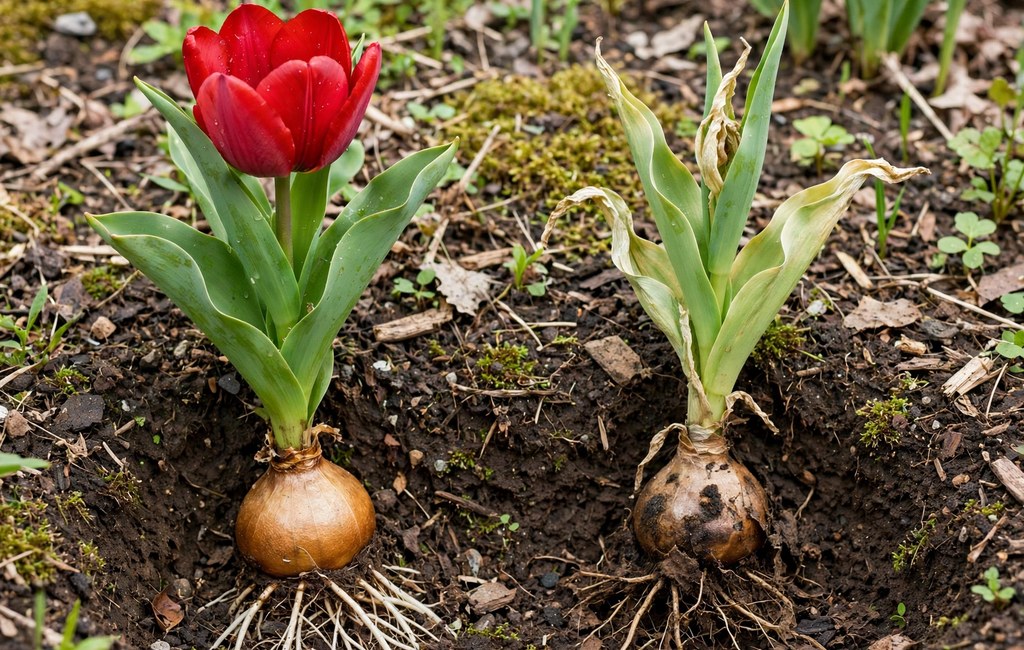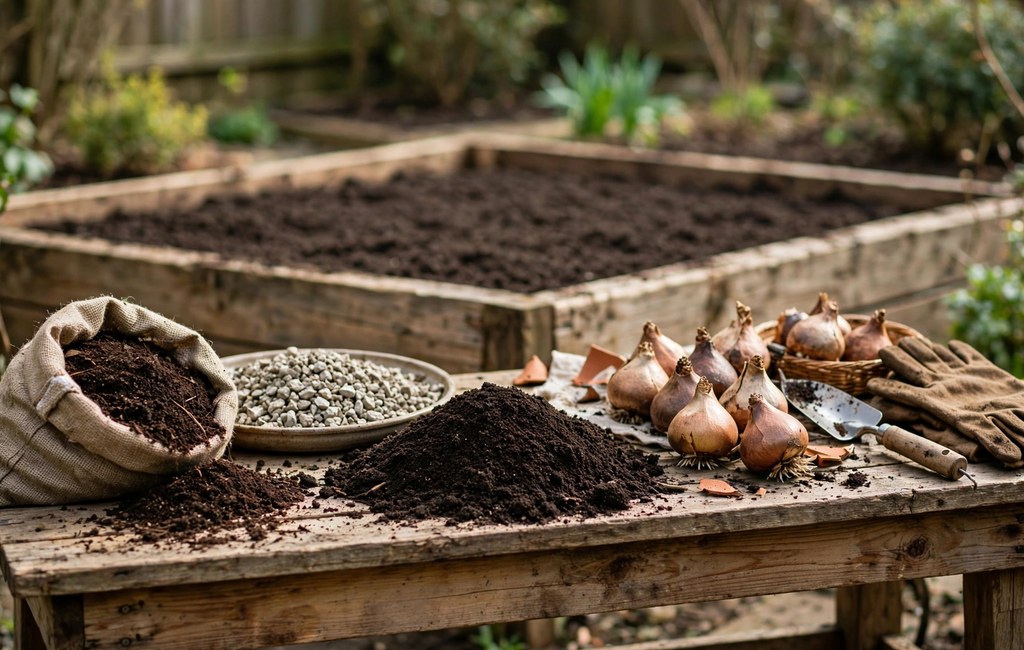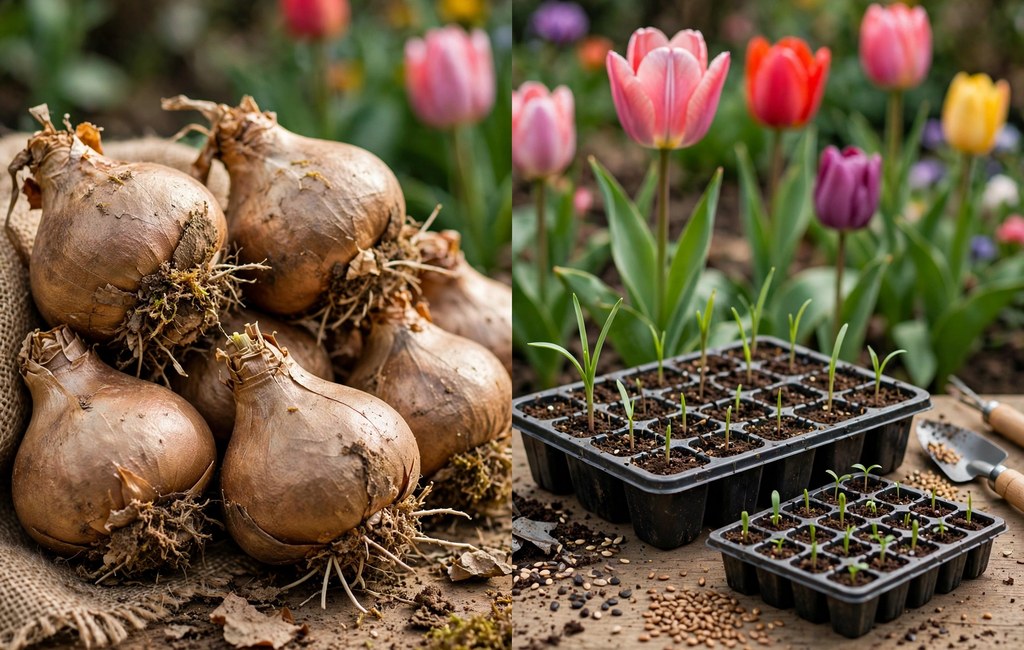
Tulip bulbs beat seeds by giving flowers the first spring after planting. By contrast, seeds need five to seven years before flowering. Still, each method suits a different goal and gardener. Also, seeds rarely match the parent flower exactly.
If you want reliable color quickly, bulbs win easily. Learning how to plant tulip bulbs properly makes that first display even more dependable. Meanwhile, seeds reward patient growers who enjoy experimentation. So this choice shapes your wait, workload, and final display.
This guide compares timelines, reliability, effort, and flowering results. Then you can choose confidently for your own garden. In practice, most home gardens start best with bulbs. Yet seeds hold one advantage that bulbs cannot offer gardeners.
What a Tulip Bulb Actually Is
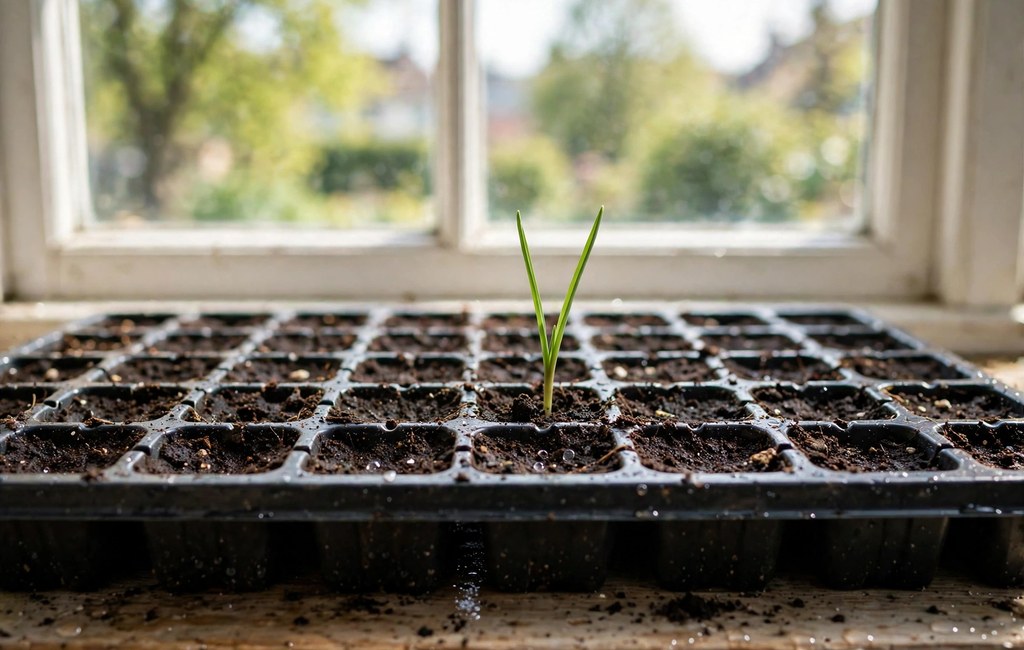
A bulb stores a complete, pre-formed flower inside fleshy scales. In fact, it also holds leaves, stem tissue, and stored food. So the plant starts spring with energy already saved.
Growers produce bulbs vegetatively from offsets beside the mother bulb. As a result, each offset clones the parent plant exactly. When you buy a named variety, you buy that predictability.
What a Tulip Seed Actually Is
A seed forms after pollination inside a dry, three-chambered pod. Pollination mixes genes from two plants into one embryo. However, that mix creates new combinations in every seedling. Most gardeners choose tulip bulbs over seeds for faster color.
Seeds look flat, papery, and surprisingly light for handling. First, the seed must break dormancy through cold, moist stratification. Then it sprouts one grass-like leaf during its first season.
Tulip Bulbs Versus Seeds: Months Versus Years
Bulbs planted in fall root during winter and bloom following spring. Meanwhile, seedlings spend years building a bulb underground instead. Over time, that tiny bulblet enlarges slightly each growing season. Only mature, full-sized bulbs hold enough energy for flowering.
- Bulb timeline: Plant in fall, root in winter, and bloom in spring.
- Seed timeline: Stratify, sprout, then grow leaves while the bulblet matures slowly.
- First seedling sign: Expect one thin leaf, not a stem or bud.
Breeders accept the long wait for entirely new varieties. Home gardeners, however, usually want flowers next spring instead.
During year one, the seedling forms a bulblet underground quietly. Each following season adds leaves and slowly increases bulb size. When the bulb finally matures, it sends up a flower.
Tulip Bulbs Beat Seeds on Reliability
Bulbs deliver named colors, heights, and petal shapes reliably. For example, a red Darwin hybrid bulb produces red flowers. Garden centers grade bulbs by size for that reason. Only patient growers raise tulip bulbs from seeds at home.
Seedlings vary widely in color, height, and flower form. Some seedlings produce plain, pale flowers after long waits. Still, breeders value that variation when creating new cultivars.
Effort and Maintenance Over Time
Bulbs need well-drained soil, correct depth, and seasonal watering only. Once planted, they mostly grow without daily attention from you. In practice, most bulb failures come from rot in soggy soil.
Seedlings need protected trays, steady moisture, and careful weeding for years. A single hot afternoon can dry out tiny seedlings quickly. Yet attentive growers can nurse many seedlings through those risks.
Cost and Value in General Terms
Seed packets generally cost less upfront than bags of bulbs. However, years of trays, compost, and watering add hidden effort costs. In fact, time often costs patient seed growers the most.
Bulbs cost more upfront but deliver flowers almost immediately afterward. As a result, bulbs often give better value per bloom. Still, homegrown seed pods cost nothing beyond patience and care. Catalogs mostly sell tulip bulbs rather than seeds each fall.
Planning Color and Layout
Bulbs let you plan exact blocks of color confidently. For example, you can repeat one variety along a border. Meanwhile, seedlings create mixed, unpredictable patches over several seasons.
So planners choose bulbs when a scheme must match precisely. By contrast, experimental corners welcome whatever seedlings eventually produce there. Over time, you can move successful seedlings into main beds.
Tulip Bulbs or Seeds for Beginners
Beginners should start with bulbs for fast, visible success. First, bulbs forgive small timing and spacing mistakes more readily. Next, their flowers confirm quickly that your method worked well.
Seeds suit beginners only as a side experiment alongside bulbs. If you sow seeds, label trays clearly and protect them. Finally, keep beds planted with bulbs for guaranteed spring color.
Start small with one bulb variety in one sunny bed. Watch drainage carefully because standing water rots bulbs quickly underground. Once bulbs bloom, you will understand the full seasonal rhythm. Tulip bulbs store energy that seeds must slowly build themselves.
When Tulip Seeds Still Make Sense
Seeds make sense when you want to breed something new. Species tulips also seed more true than complex hybrids do. Curious gardeners collect ripe pods after flowers fade naturally.
Wait until pods turn brown and split before harvesting seeds. Then sow seeds promptly or store them cool and dry. Keep expectations modest until the first seedlings prove themselves hardy.
Keep seed trays in a sheltered, clearly marked nursery corner. Protect seedlings from slugs, heavy rain, and accidental weeding mistakes. Also, record parent plants so surprises make sense later on.
A Practical Hybrid Approach
Many gardeners plant bulbs now and sow seeds simultaneously too. Bulbs provide color while seedlings develop quietly in nursery trays. In practice, this hybrid approach balances patience with immediate rewards.
Label every tray with parent names and sowing dates carefully. Move seedlings outdoors only after they handle weather changes confidently. Finally, transplant mature seedling bulbs into beds during fall dormancy.
Frequently Asked Questions
Can you grow tulips from seed at home?
Yes, you can grow tulips from seed at home patiently.
When should you sow tulip seeds for best results?
Sow seeds in fall so winter cold helps germination later.
Do seed-grown tulips match the parent plant exactly?
No, seedlings mix parental genes and usually produce different flowers.
Are tulip bulbs better for beginners than seeds?
Yes, bulbs suit beginners because they flower quickly and predictably.
Why do breeders grow tulips from seed?
Breeders grow seedlings specifically to discover entirely new flower varieties.
Conclusion
Choose bulbs for spring flowers and seeds for long experiments. Most gardeners get best results by starting with healthy bulbs. Order your bulbs today and plant your first bed this fall.