Tulip care after bloom decides next spring’s display. Deadhead spent flowers promptly, then leave foliage standing. Then leave the foliage standing until it yellows fully. Meanwhile, the bulb stores food for next spring. Over time, those simple steps protect the hidden flower bud.
Many gardeners cut everything down too early. In practice, careful aftercare decides whether bulbs return strongly. If you already know how to plant tulip bulbs, this next stage completes the cycle. Still, patience matters more than complicated feeding routines.
First, remove only the flower head and seed pod. Next, keep watering lightly while leaves stay green. Finally, decide whether bulbs stay or lift for storage.
Deadhead Each Tulip Right After Bloom
When petals wilt or drop, snip off the flower head promptly. Use clean snips and cut just below the bloom. As a result, the plant stops investing energy in seeds.
However, leave the stem and every leaf completely intact. In fact, the green stem still photosynthesizes after deadheading. So handle the plant gently during this first cleanup. Thoughtful tulip care after bloom begins with timely deadheading.
Check fading beds every few days during peak bloom. Then remove each head before its seed pod swells. In fact, early deadheading saves the most bulb energy.
Tulip Foliage Care After Bloom
After flowering, green leaves keep gathering sunlight each day. Meanwhile, they turn sunlight into sugars through photosynthesis. Over time, those sugars move down into the bulb.
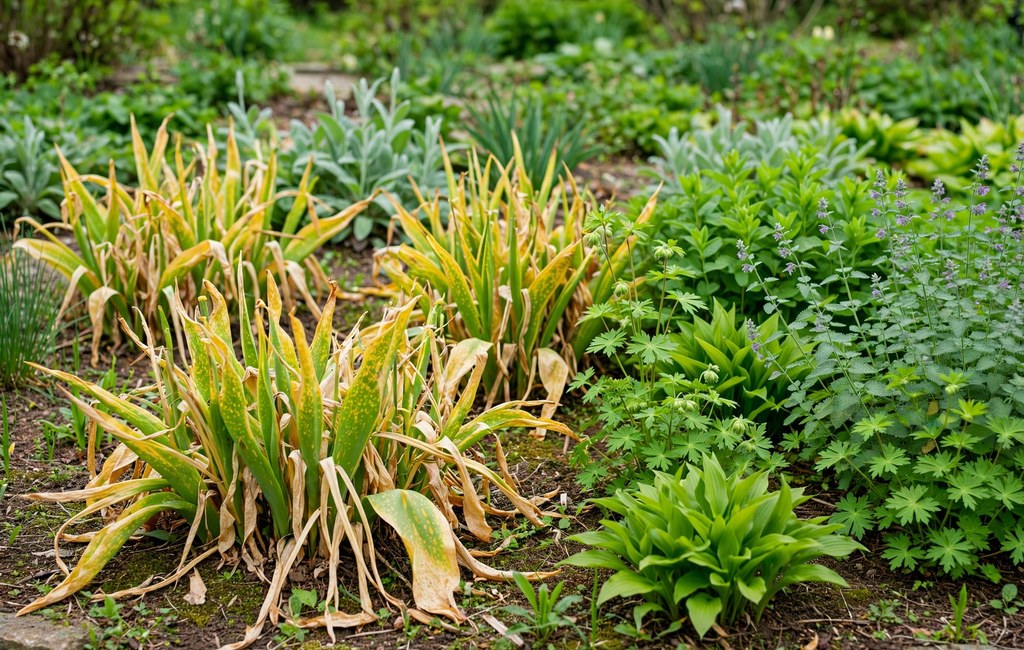
Wait at least six weeks before removing the foliage. By then, leaves usually turn yellow, limp, and papery. If they resist a gentle tug, they still feed the bulb.
Never braid, tie, or fold the leaves for tidiness. Instead, flat open leaves capture sunlight across their surface. Meanwhile, neighboring perennials can hide the fading foliage naturally. Sharp snips keep tulip care after bloom clean and quick.
Hide Fading Leaves Without Hurting Them
Interplant tulips among perennials that leaf out later. As those neighbors expand, they screen yellowing leaves from view. Meanwhile, the tulip foliage keeps working in full light.
Hostas, daylilies, and hardy geraniums suit this screening role well. In practice, their fresh growth rises as tulip leaves fade. So plan companions when planting bulbs each fall.
Feed and Water During After Bloom Care
While leaves stay green, keep soil lightly moist during dry spells. However, never soak the bed or leave bulbs sitting wet. In practice, soggy soil invites rot during this vulnerable stage.
Apply a balanced bulb feed shortly after flowers fade. Then follow the product label for the exact amount. Also, skip high-nitrogen feeds that push soft leafy growth. Never rush tulip care after bloom before flowers fully fade.
Rain usually covers watering needs during cool spring weather. However, long dry spells slow the bulb’s ripening work. So water deeply once, rather than sprinkling lightly often.
Tulip Bulb Care: Leave or Lift After Bloom
Once foliage turns brown, choose between leaving and lifting bulbs. Well-drained, dry summer beds often suit leaving bulbs in place. By contrast, wet soil threatens dormant bulbs with rot.
- Dry summer beds: Still, bulbs rest undisturbed through a dry dormancy.
- Reliable returning types: Meanwhile, species tulips and Darwin hybrids often perennialize well.
- Undisturbed corners: In fact, bulbs avoid fork damage in quiet beds.
How to Lift and Store Bulbs Properly
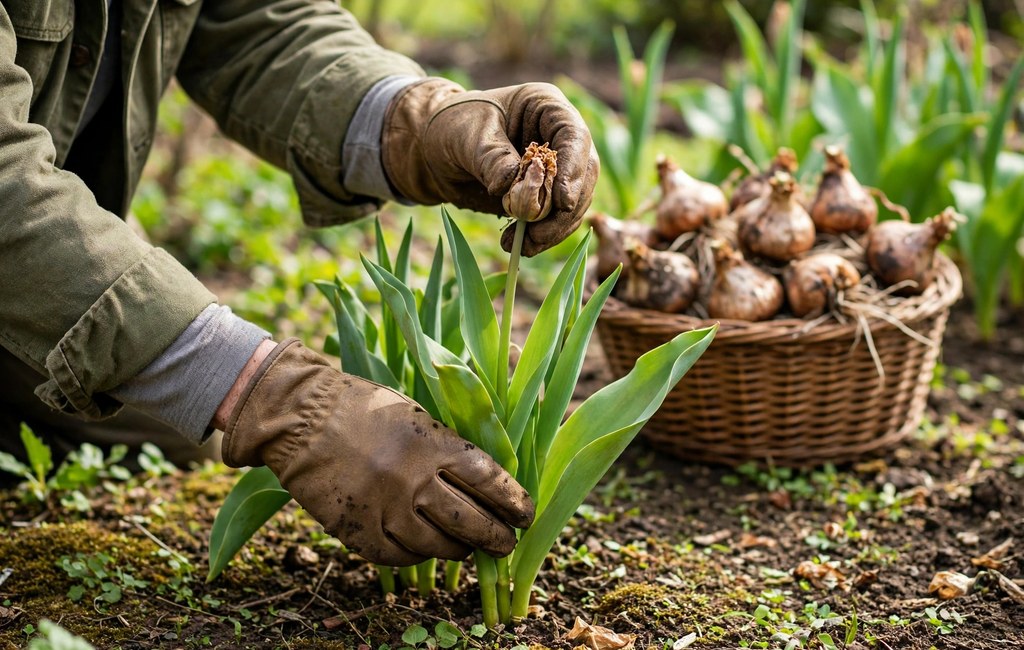
First, loosen soil with a fork several inches from stems. Next, lift bulbs gently and shake off loose soil. Finally, discard soft, moldy, or badly damaged bulbs immediately.
Then dry bulbs in shade with good air circulation. After several days, brush away remaining soil and dried leaves. Meanwhile, never wash bulbs or seal them while damp. Early tulip care after bloom protects next year’s buds.
Store healthy bulbs in mesh bags or breathable boxes. Keep them cool, dark, and dry until fall planting. In fact, airflow prevents moisture buildup and storage rot.
Sort Bulbs by Size at Storage Time
Separate large mother bulbs from small offsets during sorting. Then store each group in its own labeled bag. As a result, fall planting becomes faster and more organized.
Large bulbs carry the strongest reserves for next spring. By contrast, small offsets often produce leaves before flowering. Still, keep healthy offsets if you enjoy growing them on.
Tulip Care for Pots After Bloom
Potted tulips follow the same ripening rules after flowering. Still, containers dry faster than garden beds during spring. So check moisture often while leaves remain green. Potted tulips need the same tulip care after bloom.
Once foliage browns, lift bulbs or move pots aside. Then store the bulbs dry until fall replanting time. Meanwhile, free the container for summer flowers immediately afterward.
After Bloom Care Prepares the Next Display
After clearing finished foliage, mark where bulb groups grow. Then fill gaps with later perennials or summer annuals nearby. Still, avoid digging deeply where bulbs remain underground.
In fall, inspect stored bulbs before replanting them. Firm, heavy bulbs usually hold the best flower potential. By contrast, tiny offsets often need extra growing seasons.
Also, note varieties that bloomed weakly this spring. Then decide whether lifting, feeding, or replacing them fits best. Over time, these notes sharpen each fall planting plan.
Frequently Asked Questions
Should you deadhead tulips after they bloom?
Cut only the spent flower head after petals drop.
How long does tulip foliage need after bloom?
Leave the foliage until it yellows completely and releases easily.
Can you leave tulip bulbs in the ground all year?
Yes, you can leave bulbs in the ground where summers stay dry and drainage stays sharp.
Do tulips in pots need the same aftercare?
Yes, potted tulips also need deadheading and full foliage ripening.
When should you lift tulip bulbs from the ground?
Lift bulbs only after the foliage turns completely brown.
Conclusion
Good tulip care after bloom turns fading flowers into next spring’s display. Deadhead promptly, protect the leaves, and store lifted bulbs carefully. This week, inspect your spent tulips and deadhead any remaining heads.
Start today with the simplest step in your own beds. Snip one spent flower, then leave its leaves untouched. Soon, that small patience becomes a stronger spring display.