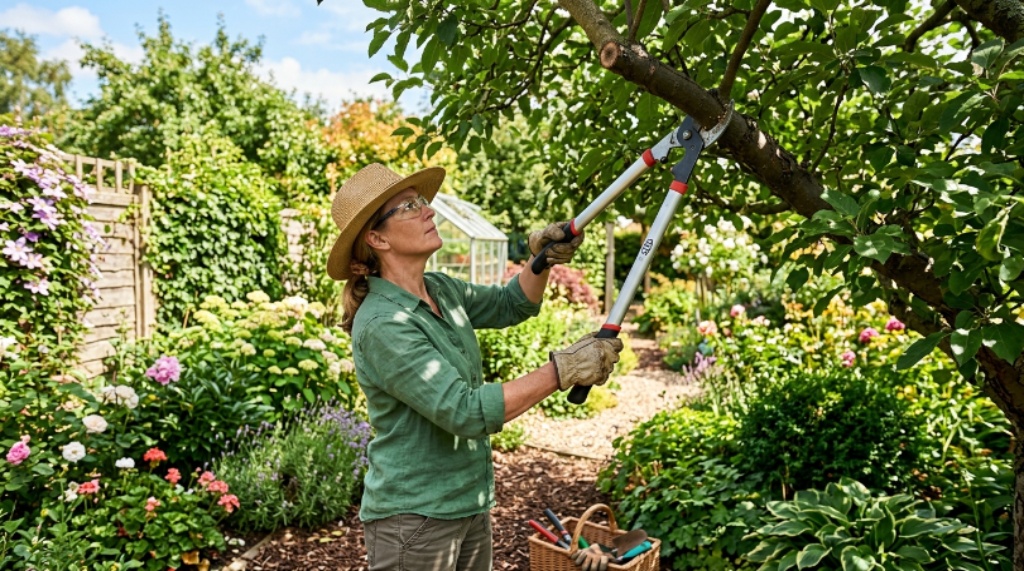
Pruning trees and shrubs is one of the most satisfying garden tasks. Done well, it keeps plants healthy, encourages new growth, and makes your outdoor space look tidy. However, using the wrong tool makes the job frustrating and exhausting. That is where loppers come in.
Loppers are long-handled cutting tools designed for branches that are too thick for hand pruners but not large enough for a saw. Choosing the right pair can transform a difficult chore into a quick and easy task. This guide walks you through everything you need to know to make the right choice for your garden.
What Loppers Are and Why They Matter
A lopper is essentially a large pair of scissors built for garden use. It has two long handles and a cutting head at the top. The long handles give you leverage and reach, which means you can cut through thick branches without straining your arms or back.
Loppers are different from hand pruners, which are small and suited for thin stems. They are also different from pruning saws, which handle very large branches. Loppers sit comfortably in the middle, making them one of the most versatile tools in any gardener’s collection.
Additionally, using the right lopper for the job protects your plants. A clean cut heals faster than a ragged one. This reduces the risk of disease and helps your trees and shrubs stay healthy for longer.
Understanding the Different Types of Loppers
Not all loppers work the same way. The cutting mechanism matters a great deal, and understanding the options helps you choose wisely.
Bypass Loppers
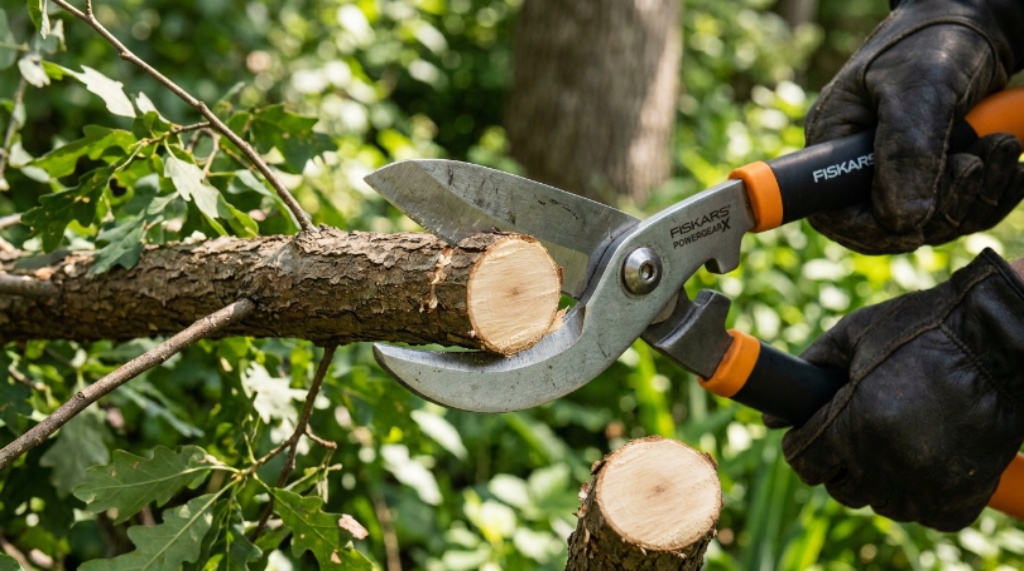
Bypass loppers work like scissors. Two curved blades pass each other as they close, creating a clean, precise cut. This is the most popular design for garden use, and for good reason. They are ideal for living wood and produce cuts that heal quickly.
If you care about plant health and cut quality, bypass loppers are usually the best choice. They are suitable for most pruning tasks, from shaping hedges to removing crossing branches.
Anvil Loppers
Anvil loppers work differently. A single straight blade closes down onto a flat metal plate, called the anvil. The cutting action is more like a knife on a chopping board than a pair of scissors.
This design generates more cutting power, which makes it well suited as a branch cutter for thick branches that are dead or very tough. However, anvil loppers tend to crush the wood slightly as they cut. Therefore, they are better suited to dead wood than to live, healthy branches.
Ratchet Loppers
Ratchet loppers use a ratcheting mechanism that lets you cut in stages. You squeeze the handles, the ratchet locks in place, and then you squeeze again to advance further. This design significantly reduces the effort needed for tough cuts.
For gardeners with limited hand strength or arthritis, ratchet loppers can be a practical solution. They take a little longer to complete each cut, but the reduction in physical strain is considerable.
Key Features to Look for When Choosing Loppers
Once you understand the types, the next step is evaluating individual features. These details separate a good lopper from a great one.
Blade Material and Quality
The blade is the most important part of any lopper. High-carbon steel blades hold a sharp edge longer than standard steel and are more resistant to rust. Some blades are coated with a non-stick or anti-corrosion finish, which helps sap and debris slide off easily.
A sharp blade requires less force, which reduces fatigue during long pruning sessions. Additionally, a sharper blade creates cleaner cuts that benefit your plants. Always check blade material before purchasing, and look for brands that allow blade replacement over time.
Handle Length and Material
Handle length affects both reach and leverage. Longer handles give you more cutting power and allow you to reach higher branches. However, they also make the tool heavier and harder to maneuver in tight spaces.
Most loppers range from 18 to 36 inches in handle length. For general garden use, a length between 24 and 30 inches works well for most people. If you regularly prune tall shrubs or trees, consider a longer pair.
Handle material also matters. Aluminium handles are lightweight and strong, making them a popular choice. Fibreglass handles absorb vibration well, which reduces fatigue on your joints. Wooden handles have a traditional feel but tend to be heavier. Consider how long you typically prune in one session before deciding.
Cutting Capacity
Every pair of loppers has a maximum cutting capacity, which refers to the thickest branch it can handle. This is usually stated in millimetres or inches on the packaging. Most standard loppers handle branches up to 40mm (about 1.5 inches) in diameter.
If you regularly deal with thicker growth, look for loppers designed as branch cutters for thick branches, with a capacity of 50mm or more. Using a lopper beyond its rated capacity can damage the blade and the mechanism, so always match the tool to the task.
Ergonomics and Grip
Comfort matters, especially during extended pruning sessions. Soft, cushioned grips reduce pressure on your palms and fingers. Some loppers feature ergonomic handle designs that angle the grip slightly for a more natural wrist position.
Additionally, look for loppers with a shock-absorbing bumper between the handles. This small feature reduces the jarring impact when the blade makes contact with wood, which helps protect your wrists and elbows over time.
How to Use a Pruning Tools Guide to Match Loppers to Your Garden
A good pruning tools guide helps you match the right equipment to the specific plants in your garden. The key is knowing what you are cutting and how often you plan to prune.
For light, regular maintenance on roses, fruit trees, and ornamental shrubs, bypass loppers in the mid-range price bracket are an excellent choice. They are easy to use, produce clean cuts, and last for many years with proper care.
For heavier work involving old, established hedges or dead wood removal, anvil or ratchet loppers are more practical. They handle tougher material without putting excessive strain on your hands.
If your garden has a mix of plant types and branch sizes, consider owning two pairs of loppers. One lightweight bypass pair for everyday maintenance, and one heavier ratchet or anvil pair for seasonal hard pruning. This approach gives you the right tool for every situation.
Maintenance Tips to Extend the Life of Your Loppers
Good loppers are an investment. Taking care of them properly means they will serve you well for many seasons.
Clean the blades after every use. Sap and plant debris can build up quickly and cause corrosion if left untreated. A simple wipe with a damp cloth followed by a dry one is usually enough. For stubborn residue, a small amount of rubbing alcohol works well.
Sharpen the blades regularly. A honing stone or a dedicated blade sharpener keeps the cutting edge in good condition. Dull blades require more effort and produce ragged cuts. Therefore, sharpening is one of the most important maintenance habits you can develop.
Additionally, oil the pivot point where the blades connect. A drop of light machine oil keeps the mechanism running smoothly and prevents rust from building up in the joint. Store your loppers in a dry place, ideally hanging rather than resting on the ground, to keep moisture away from the blades and handles.
Common Mistakes to Avoid When Buying Loppers
Many gardeners make the same avoidable errors when buying loppers. Knowing what to watch out for saves you time and money.
Buying the cheapest option available is a common mistake. Budget loppers often use low-quality steel that dulls quickly and mechanisms that loosen after limited use. Spending a little more upfront on a reputable brand pays off over years of reliable performance.
Another mistake is ignoring cutting capacity. Using a lopper on branches that exceed its rated size stresses the blades and pivot joint. Over time, this causes misalignment and makes the tool far less effective.
Finally, overlooking handle length is a frequent oversight. Many buyers simply choose the first pair they see without considering whether the length suits their height or the tasks they have in mind. A short lopper feels cramped on a tall person, while an oversized pair is awkward to control in dense planting.
Conclusion
Choosing the best loppers for easy tree pruning comes down to understanding your garden and your own needs. The type of cutting mechanism, blade quality, handle length, and cutting capacity all play a role in how well a lopper performs in your hands.
Bypass loppers suit most everyday tasks and deliver clean, healthy cuts. Anvil and ratchet designs handle tougher jobs with less physical effort. Maintaining your loppers through regular cleaning, sharpening, and oiling extends their working life significantly.
Whether you are a casual weekend gardener or someone who takes pruning seriously, investing in the right lopper makes the work easier, faster, and more effective. With the guidance in this article, you are well equipped to make the right choice for your garden.
Frequently Asked Questions
What size branches can loppers cut through?
Most standard loppers handle branches up to 40mm (about 1.5 inches) in diameter. Heavy-duty models can cut up to 50mm or more. Always check the manufacturer’s stated cutting capacity before attempting to cut thick wood.
Are bypass or anvil loppers better for live branches?
Bypass loppers are better for live branches. They produce a clean, precise cut that heals quickly and reduces the risk of disease. Anvil loppers are more suited to dead wood because the crushing action can damage living tissue.
How do I know when my lopper blades need sharpening?
If you need more force than usual to complete a cut, or if the blades are tearing rather than slicing through wood cleanly, it is time to sharpen. Regular sharpening every few months during pruning season keeps blades in good condition.
Can I use loppers on very thick branches?
For very thick branches, a pruning saw is a better choice. Using loppers beyond their rated cutting capacity risks damaging the tool and producing poor cuts. Always use the right tool for the branch size you are working with.
How should I store loppers to keep them in good condition?
Store loppers in a dry location, ideally hanging on a wall or hook. Keep the blades clean and lightly oiled. Avoid leaving them on damp ground or in a wet shed, as moisture accelerates rust and weakens the handles over time.