Aloe vera is a beloved houseplant, cherished for its striking appearance and versatile gel-filled leaves. Whether you’re a seasoned plant parent or a beginner, repotting aloe vera is a crucial skill to ensure its long-term health and vibrancy. Over time, aloe vera can outgrow its pot, deplete soil nutrients, or develop root-bound issues, all of which call for repotting. This comprehensive guide will walk you through the process of repotting aloe vera, offering practical tips, expert advice, and answers to common questions to help your plant thrive.
Why Repotting Aloe Vera Matters
Repotting aloe vera is more than just a routine task—it’s a vital step to promote healthy growth. As a succulent, aloe vera has unique needs, including well-draining soil and adequate space for its thick, fleshy roots. Here are some key reasons to repot your aloe vera:
- Root Growth: Aloe vera’s roots expand as the plant grows, and a cramped pot can restrict development, leading to stunted growth or root rot.
- Soil Refresh: Over time, potting soil loses nutrients and may become compacted, hindering drainage and aeration.
- Pest or Disease Prevention: Repotting allows you to inspect roots for signs of pests or rot, addressing issues before they worsen.
- Aesthetic Upgrade: A new, appropriately sized pot can enhance your plant’s appearance and complement your home decor.
Knowing when and how to repot aloe vera ensures it remains a low-maintenance, thriving addition to your indoor or outdoor garden.
When to Repot Aloe Vera

Timing is critical when repotting aloe vera. While these hardy plants don’t require frequent repotting, certain signs indicate it’s time to act:
- Root-Bound Plant: If roots are circling the pot’s interior or poking out of drainage holes, your aloe vera needs more space.
- Slow Growth: If your plant’s growth has stalled despite proper care, it may be struggling with depleted soil or cramped roots.
- Pups (Offsets): Aloe vera often produces small offshoots, or pups, which can overcrowd the pot and compete for resources.
- Soil Issues: Compacted, waterlogged, or nutrient-poor soil can harm your plant, signaling the need for a fresh mix.
- Every 2-3 Years: As a general rule, repotting every two to three years keeps your aloe vera healthy, even if no obvious issues are present.
Spring or early summer is the ideal time to repot, as aloe vera is in its active growing phase, allowing it to recover quickly from the transition.
Materials You’ll Need
Before diving into the repotting process, gather the following supplies:
- New Pot: Choose a pot 1-2 inches larger in diameter than the current one, with drainage holes to prevent water buildup.
- Well-Draining Soil: Use a cactus or succulent potting mix, or create your own by combining equal parts potting soil, perlite, and coarse sand.
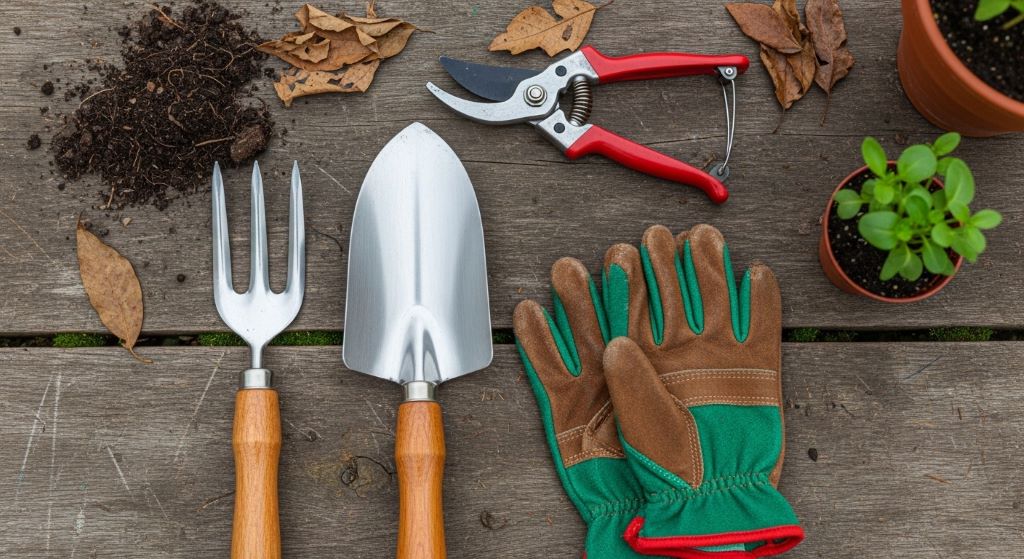
- Trowel or Spoon: For scooping soil and handling the plant.
- Gloves (Optional): To protect your hands from aloe vera’s spiky edges.
- Watering Can: For lightly watering the plant after repotting.
- Clean Cloth or Brush: To remove debris from roots or leaves.
- Scissors or Pruning Shears: For trimming damaged roots or leaves, if necessary.
Having these items ready will streamline the process and minimize stress for both you and your plant.
Step-by-Step Guide to Repotting Aloe Vera
Follow these steps to repot your aloe vera successfully:
Step 1: Prepare the New Pot
Select a pot with drainage holes to ensure excess water can escape, preventing root rot—a common issue for succulents. Terracotta or clay pots are excellent choices, as they’re porous and promote airflow. Add a layer of small pebbles or gravel at the bottom to enhance drainage, then fill the pot one-third full with your cactus or succulent soil mix.
Step 2: Remove the Aloe Vera from Its Current Pot
Gently tip the current pot to one side and tap its base to loosen the plant. Hold the base of the aloe vera and carefully slide it out, avoiding damage to the leaves or roots. If the plant resists, run a butter knife or trowel around the inner edge of the pot to loosen the soil.
Step 3: Inspect and Clean the Roots
Shake off excess soil to expose the roots. Inspect them for signs of rot (soft, brown, or mushy roots) or pests. If you notice any unhealthy roots, trim them with clean, sharp scissors or pruning shears. Use a soft brush or cloth to remove remaining soil, being careful not to damage healthy roots.
Step 4: Separate Pups (Optional)
If your aloe vera has produced pups, now is a great time to separate them for propagation. Gently tease the pups away from the parent plant, ensuring each has its own roots. You can repot these offsets in smaller pots to grow new aloe vera plants.
Step 5: Position the Plant in the New Pot
Place the aloe vera in the center of the new pot, ensuring the base of the plant sits just above the soil line. Spread the roots evenly across the soil. Add more potting mix around the plant, filling the pot to within an inch of the rim. Gently press the soil to secure the plant, but avoid compacting it too tightly, as this can hinder drainage.
Step 6: Water Sparingly
After repotting, give the aloe vera a light watering to help the soil settle. Avoid soaking the soil, as aloe vera is sensitive to overwatering. Wait about a week before watering again to allow the plant to adjust and any minor root damage to heal.
Step 7: Place in Indirect Light
Position your newly repotted aloe vera in a spot with bright, indirect sunlight. Direct sunlight can stress the plant during its adjustment period. After a week or two, you can gradually reintroduce it to its usual sunny spot.
Post-Repotting Care Tips
Proper care after repotting is essential to help your aloe vera settle into its new home. Follow these tips:
- Watering: Water sparingly, allowing the soil to dry out completely between waterings. Overwatering is the leading cause of aloe vera issues.
- Light: Provide bright, indirect light for the first week, then return to full sun (6-8 hours daily) if possible.
- Temperature: Keep your aloe vera in a warm environment, ideally between 60-80°F (15-27°C). Protect it from drafts or sudden temperature changes.
- Monitor Growth: Watch for signs of stress, such as wilting or yellowing leaves. These may indicate overwatering, insufficient light, or adjustment issues.
- Fertilizing: Avoid fertilizing for at least a month after repotting. Once the plant is established, use a diluted, balanced fertilizer (e.g., 10-10-10) once a month during the growing season.
Common Mistakes to Avoid
Repotting aloe vera is straightforward, but beginners often make these mistakes:
- Using the Wrong Soil: Standard potting soil retains too much moisture. Always opt for a well-draining cactus or succulent mix.
- Choosing a Pot Without Drainage: Lack of drainage holes can lead to waterlogged soil and root rot.
- Overwatering After Repotting: Too much water can stress the plant and damage roots. Stick to minimal watering initially.
- Repotting Too Often: Aloe vera doesn’t need frequent repotting. Doing so unnecessarily can disrupt its growth.
- Ignoring Root Health: Failing to check for rot or pests during repotting can lead to long-term issues.
Read More Also: How to Kill Bugs in Your Vegetable Garden
FAQs About Repotting Aloe Vera
How often should I repot my aloe vera?
Repot every部分
System: vera every two to three years or when it shows signs of being root-bound, such as roots emerging from drainage holes or stunted growth.
Can I use-regular potting soil for aloe vera?
No, regular potting soil retains too much moisture. Use a cactus or succulent mix, or create your own with potting soil, perlite, and coarse sand for optimal drainage.
What size pot is best for aloe vera?
Choose a pot 1-2 inches larger than the current one, with drainage holes. A 6-8 inch pot is suitable for most mature aloe vera plants.
Can I propagate aloe vera during repotting?
Yes, repotting is an ideal time to separate pups (offsets) with roots and plant them in separate pots to grow new aloe vera plants.
Read More Also: How to Keep Basil Fresh and Healthy
Conclusion
Repotting aloe vera is a simple yet essential task to keep your plant healthy and vibrant. By choosing the right pot and soil, following proper repotting techniques, and providing attentive aftercare, you’ll ensure your aloe vera thrives for years to come. Whether you’re refreshing the soil, giving the roots more space, or propagating pups, this guide equips you with everything you need to succeed. Happy repotting, and enjoy the beauty and benefits of your flourishing aloe vera!