A beginner’s guide to starting a home garden on a budget answers one real question: can you grow food without spending like a landscaper? Yes, and the smartest approach is to spend on soil and seeds while scrounging containers, tools, and mulch. Shops like Green Ideas Products can supply useful gear, but most beginners overspend on gadgets before learning what their plot needs. This article walks through the cheapest path from bare ground or balcony to a first harvest.
Quick answer: Start small with a few crops you actually eat, buy quality soil and seed, and source containers and tools cheaply or secondhand. Spend your first season learning light, water, and spacing rather than buying equipment. Expect a modest first harvest, then scale up once you know what grows well where you live.
Our picks at a glance
The eight picks below form a practical shortlist for a first season. Each one solves a specific early problem: cost, space, soil health, or water. Ranked roughly by how much they help a total novice, they lean on cheap or reused materials first.
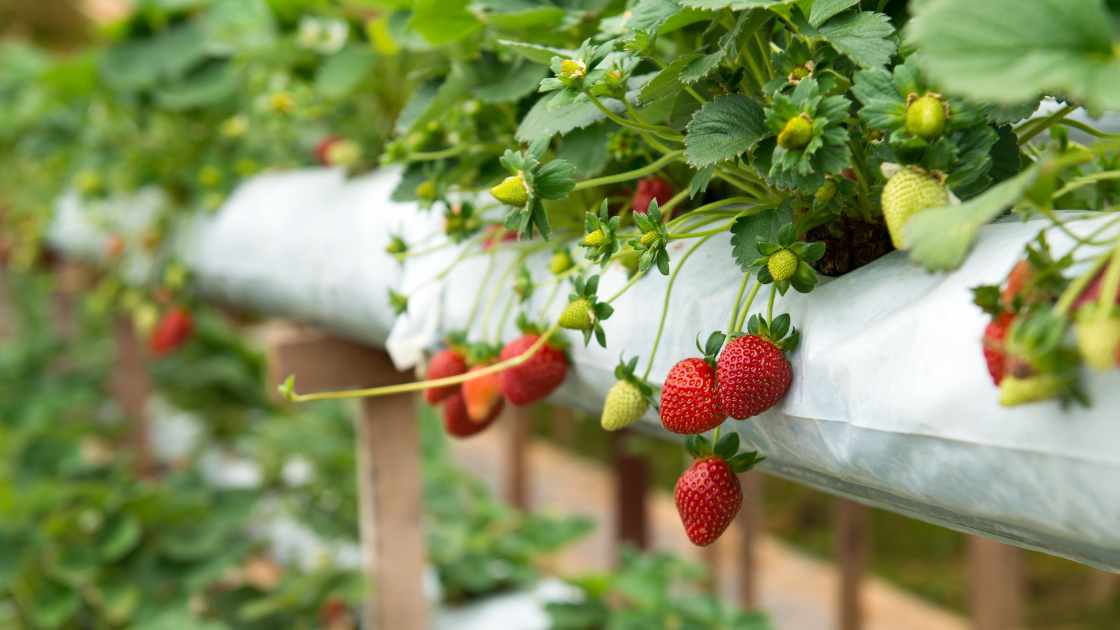
1. Grow bags and buckets as planters. Fabric grow bags cost less than ceramic pots, drain well, and fold away in winter. Five-gallon food-grade buckets work too, provided you drill drainage holes. Both suit tomatoes, peppers, and herbs on a patio.
2. A simple soil mix you build yourself. Skip the most expensive bagged blends. Combine topsoil, compost, and a little sand or perlite for drainage. Buying components separately stretches farther than single-purpose potting soil.
3. Seed packets over nursery plants. A packet holds dozens of seeds for the price of one seedling. Direct-sow easy crops like lettuce, beans, and radishes to learn germination without greenhouse gear.
4. A rainwater barrel or bucket system. Water is a quiet budget drain in summer. A lidded barrel under a downspout, or a few buckets, cuts bills and gives plants untreated water.
5. A homemade compost bin. Kitchen scraps and yard waste become free soil amendment within months. A DIY compost tumbler speeds turning and keeps pests out, and it costs far less than a store-bought unit.
6. Basic hand tools, bought used. A trowel, hand fork, pruners, and a sturdy hose nozzle cover most jobs. Yard sales and community swaps turn up serviceable steel tools for a fraction of retail.
7. Mulch from free sources. Grass clippings, fallen leaves, and cardboard suppress weeds and hold moisture. Municipal programs sometimes give away wood chips at no cost.
8. A cheap soil test kit. Knowing your pH and basic nutrients prevents guesswork. A simple kit costs little and tells you whether to add lime, compost, or nothing at all.
Compared side by side, these picks prioritize items that save money over time rather than one-time conveniences.
Comparison: spend-first vs. save-first choices
| Item | Typical beginner instinct | Budget-smart pick | Why it matters |
|---|---|---|---|
| Containers | New ceramic pots | Grow bags, buckets | Lower cost, better drainage |
| Plants | Nursery seedlings | Seed packets | More plants per dollar |
| Soil | Premium bagged mix | Homemade blend | Cheaper per volume |
| Water | Hose from tap | Rain barrel | Lower bills, better water |
| Fertilizer | Bottled products | Compost | Free from waste |
Notice that every budget-smart choice also teaches a skill. That is the real value in year one.
The list: cheapest moves that deliver the most
1. Pick a spot with six or more hours of sun. Most vegetables need full sun to fruit well. Watch your yard or balcony for a day before buying anything. A sunny patch near a water source beats a shaded bed you must hand-carry cans to.
2. Start with five crops, not twenty. Beginners often buy too much seed and lose track. Choose lettuce, radishes, beans, tomatoes, and one herb. These are forgiving and give quick feedback on whether your light and water are right.
3. Build soil before you build beds. Compost, aged manure, and mulched leaves improve almost any soil. Skip raised-bed kits in year one if your ground drains. A fork, compost, and patience often cost less than lumber.
4. Use free and recycled containers. Yogurt tubs, egg cartons, and newspaper pots work for starting seeds. Larger plants go into buckets or grow bags. Just confirm each container has drainage holes before planting.
5. Water deeply and less often. Shallow daily sprinkling encourages weak roots. Water until the top few inches are moist, then wait. A cheap moisture meter or your finger tells you when to water again.
6. Mulch everything. A layer of leaves, straw, or grass clippings keeps soil cool, holds moisture, and smothers weeds. Free mulch from your own yard reduces both water use and weeding time.
7. Track what you spend and what you harvest. A notebook or notes app shows whether the garden pays for itself. Many beginners find herbs and salad greens return the most value per dollar spent.
Many suppliers discount leftover packets in late summer. Stored cool and dry, most vegetable seed stays viable for two or three years.
How to choose the right option for your space and budget
Your first decision is location, not equipment. A sunny balcony, a small backyard, or a community plot each demand different choices. Match the plan to what you actually have.
Match crops to your light and climate
Count direct sun hours before choosing seeds. Leafy greens and herbs tolerate four to six hours; tomatoes, peppers, and squash want six to eight or more. Check your local frost dates so you plant at the right time. Cool-season crops like peas and spinach thrive in spring and fall, while warm-season crops need summer heat.
Set a realistic first-year budget
You can start a small garden for the cost of soil, seeds, and a few containers. Set a cap and stick to it. Spend in this order: soil and compost, then seeds, then containers, then tools. Skip decorative items, automated irrigation, and greenhouse kits until you know you will keep gardening.
Some neighborhoods restrict front-yard vegetable beds, rain barrels, or compost bins. Confirm rules with your local office before you build.
Decide between containers and ground beds
Containers suit renters and small spaces, and they let you control soil quality. Ground beds cost less at scale and hold moisture better. Raised beds fall between the two but require lumber or blocks. If you rent, containers travel with you; if you own land, in-ground beds often win on cost.
Choose tools you will actually use
A trowel, hand fork, pruners, gloves, and a watering can cover nearly everything. Buy used steel tools where you can; they outlast cheap plastic. Borrow specialty tools like a tiller rather than buying one for a single season.
Plan for water and waste from day one
Water and soil health decide long-term cost. A rain barrel, mulch, and a compost system cut both bills and waste. Composting closes the loop: kitchen scraps become next year’s soil. These systems pay back within a season or two.
FAQ
How much does it cost to start a small home garden?
A modest first garden often costs less than a single restaurant meal out per week for a season. Soil, seeds, and a few containers are the main expenses. Reusing household items and sourcing free mulch keeps the total low. Costs rise quickly if you buy raised-bed kits, automated watering, or many nursery plants.
What is the biggest mistake beginners make?
Planting too much, too close together, and too early. Overcrowding stunts growth and invites disease, while planting before the last frost kills tender seedlings. Start with a few crops and follow the spacing on the seed packet. Patience with timing matters more than any tool.
Which crops are easiest for a first garden?
Lettuce, radishes, beans, zucchini, and herbs like basil and mint are forgiving and fast. They germinate readily and show problems quickly. Tomatoes are rewarding but need staking and steady water. Begin with the easy group, then add fussier crops once you have a feel for your site.
Can I garden on a balcony or patio?
Yes, if you get enough sun and can carry water. Use containers sized to the plant: herbs in small pots, tomatoes in five-gallon bags or buckets. Choose dwarf or compact varieties for tight spaces. Watch for wind, which dries containers fast, and check that your balcony can handle the weight when wet.
When should I start planting?
Follow your local frost dates. Start cool-season crops a few weeks before the last spring frost, and warm-season crops after it passes. Many gardeners start seeds indoors several weeks early. Your regional extension service publishes reliable dates for your area.
Conclusion: a beginner’s guide to starting a home garden on a budget
The cheapest garden is a small, well-planned one. Begin with good soil, a handful of easy crops, free or reused containers, and steady watering. Add tools and systems only as you learn what your site needs. Set a spending cap, keep simple notes, and let one successful season guide the next. Pick your sunniest spot this week, buy a few seed packets, and plant your first container.