
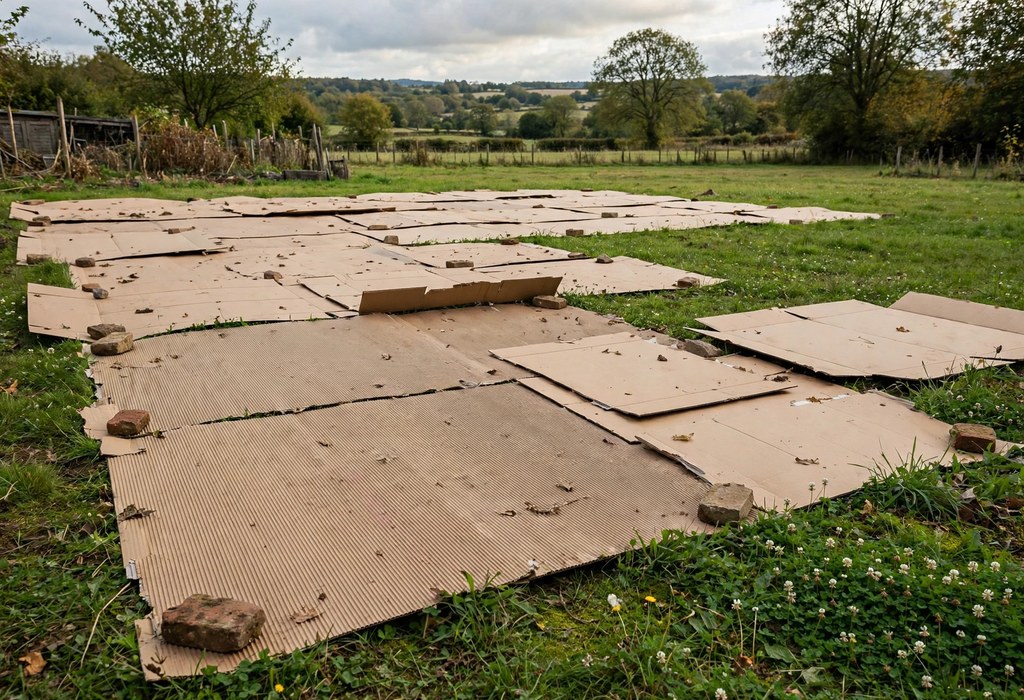
No-dig layering is a gentle way to learn how to start a garden bed. You can start a garden bed without digging by layering cardboard, compost, and mulch over grass. First, the cardboard blocks light and smothers weeds below the new bed. Then, compost on top gives roots a rich place to grow right away. This no-dig garden bed method builds soil without turning it.
Meanwhile, worms and microbes move through the layers and loosen soil naturally over time. Additionally, this method protects soil structure and keeps moisture in the ground longer. Therefore, gardeners can build fertile beds with less strain, fewer weeds, and steady plant growth.
This guide explains each layer, the order to add materials, and the best planting timing. Similarly, it covers simple limits so you know when digging or extra preparation still helps.
Why Leaving Soil Undisturbed Helps
Healthy soil holds tiny channels, fungi, and microbes that feed plants and store water. Digging breaks these channels and brings buried weed seeds up to light. However, undisturbed soil keeps its structure and supports stronger root growth over seasons.
Worms create tunnels as they eat decaying leaves and move nutrients through soil layers. Then, rain and air travel through those tunnels instead of pooling on compacted ground. Additionally, surface compost feeds microbes first, and their activity slowly improves soil below.
Moisture also lasts longer because mulch shades the surface and slows evaporation. Finally, fewer weeds emerge when light stays blocked and the surface stays covered. This quiet approach suits beginners, busy gardeners, and anyone avoiding heavy lifting.
Gather Materials for Layering
Choose simple, untreated materials that break down slowly and feed soil life. First, collect plain brown cardboard, finished compost, and straw or shredded leaves. Then, add green materials such as grass clippings, kitchen vegetable scraps, or aged manure.
- Cardboard: Use plain brown sheets without glossy coatings, tape, or staples.
- Compost: Choose dark, crumbly compost that smells earthy and feels moist.
- Greens: Add nitrogen rich materials in thin layers to speed decomposition.
- Browns: Use straw, dry leaves, or shredded paper for carbon rich bulk.
- Mulch: Finish with straw or leaves to shade soil and retain moisture.
Build the No Dig Garden Bed Layers in Order
Start With Cardboard
Mark a sunny, level bed that you can reach from both sides without stepping inside. Mow grass short, remove large stones, and pull only tough perennial weeds first. Then, lay cardboard directly over grass or weeds with generous overlaps at seams.
Overlap each sheet by several inches so light cannot reach weeds through gaps. However, remove tape and staples before laying sheets, since they break down slowly. Soak the cardboard well so it stays flat, softens, and starts breaking down.
Add Greens and Browns
Alternate thin green layers with thicker brown layers to balance nitrogen and carbon. First, spread a thin green layer, then cover it with straw or dry leaves. Repeat this pattern until the bed feels deep enough for roots and watering.
Water each layer lightly as you build so materials stay damp, not soggy. This method shows how to start a garden bed without turning soil or removing turf first. Additionally, damp layers decompose faster and settle into a stable planting surface.
Finish With Compost and Mulch
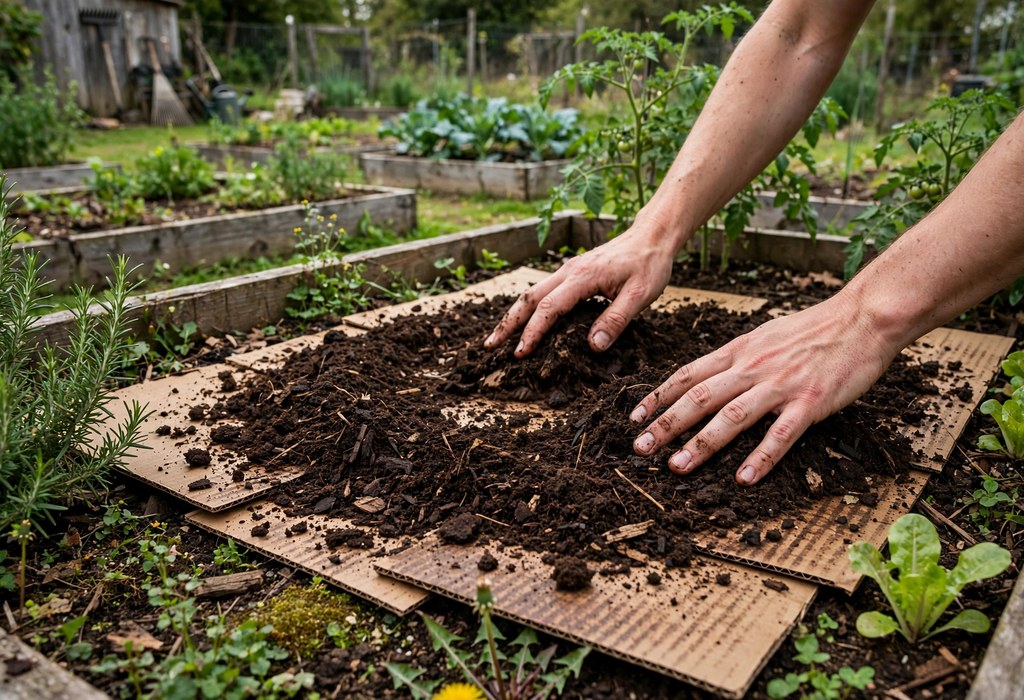
Top the layered bed with a generous depth of finished compost for planting. A deep compost cap lets transplants root at once, even before lower layers decompose. Then, add mulch around the compost to shade soil, slow weeds, and hold moisture.
Keep the surface damp during the first weeks so microbes stay active below. However, avoid soaking the bed, since soggy layers can slow air movement and root growth. Finally, expect some settling as materials shrink, and top up compost when gaps appear.
When to Plant and How to Plant
You can plant transplants into deep compost on the same day you build the bed. First, push compost aside, set roots into the layer, and firm compost gently around stems. Small seeds grow best with a thin, fine compost cover and steady moisture after sowing.
Deep rooted crops need more time, so wait until layers soften and roots reach below. Meanwhile, leafy greens, herbs, and shallow roots often thrive in fresh compost caps. Similarly, flowers and herbs adapt well when mulch stays clear of stems and crowns.
Build beds in fall when possible, since layers settle and soften over winter months. However, spring builds also work well when the compost cap is deep and finished. Therefore, choose timing by plant needs, material supply, and local weather conditions.
Pros and Limits Compared With Digging
No dig beds save labor, protect worms, and reduce weed pressure from buried seeds. Additionally, soil holds water better, warms evenly, and gains organic matter each season. Over time, annual compost top ups keep fertility steady without turning soil again.
Limits still matter, especially for tough perennial weeds, slugs, and compacted paths. First, pull persistent weeds before layering, and check edges for shoots each week. Then, add mulch, keep beds narrow, and avoid stepping on planting areas.
Cardboard also needs moisture to break down, so dry beds decompose more slowly. However, regular watering and a thick compost cap usually solve slow breakdown. Finally, top up compost each season to replace settled material and feed soil life.
Care Through the First Season
Water deeply but gently, and check the top few inches before watering again. Then, pull small weeds promptly while roots stay shallow and easy to remove. Additionally, replace mulch where wind or rain exposes bare compost patches.
Add a fresh compost layer each season to maintain depth and steady nutrition. Meanwhile, watch for slugs under mulch, and lift mulch briefly to check plants. Similarly, keep paths mulched so weeds stay low and beds stay easy to reach.
Frequently Asked Questions
How long does cardboard take to break down in a no dig bed?
Cardboard usually breaks down over several months when layers stay moist and active.
Can I plant right after building a no dig garden bed?
Yes, plant transplants at once when the compost cap is deep and finished.
What materials should I avoid in no dig layers?
Avoid glossy cardboard, treated wood, meat, dairy, and diseased plant material.
Does no dig gardening work on clay soil?
Yes, surface compost helps roots grow while worms slowly improve clay below.
How deep should compost be on a new no dig bed?
Use a generous compost cap, since deeper compost supports stronger early root growth.
Start Building Your No Dig Garden Bed
Choose a sunny spot, gather cardboard and compost, and build your first layered bed. Then, plant into compost, mulch bare patches, and watch soil life improve each season. Finally, start small, learn from one bed, and expand your garden with confidence.
Plan your bed this week, collect materials, and set aside time for layering. Your soil, plants, and back will thank you for choosing this gentler method.


