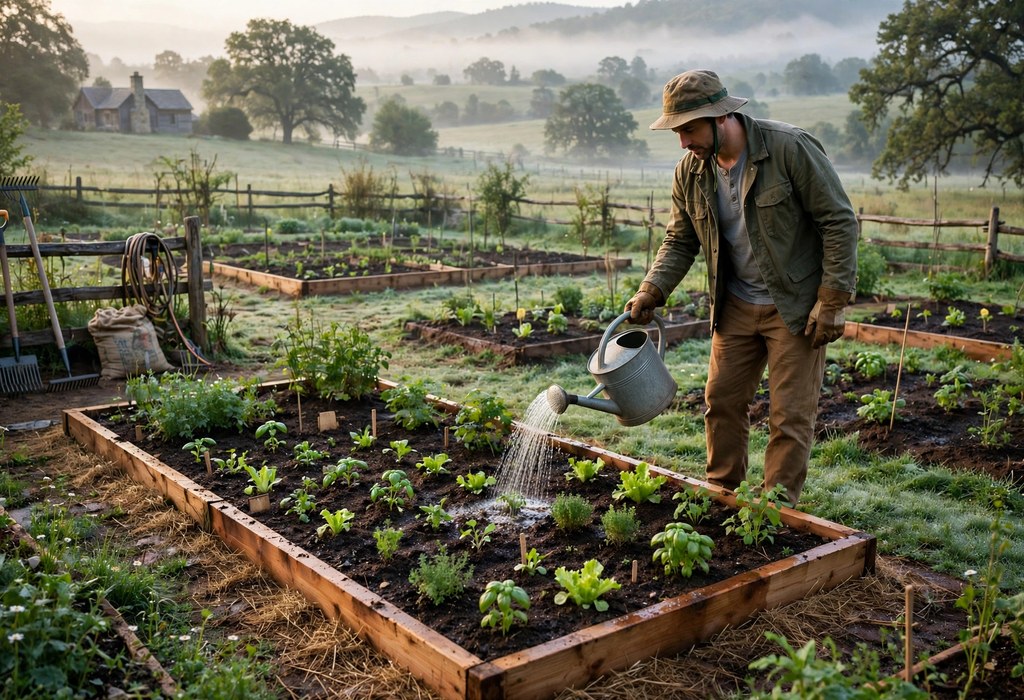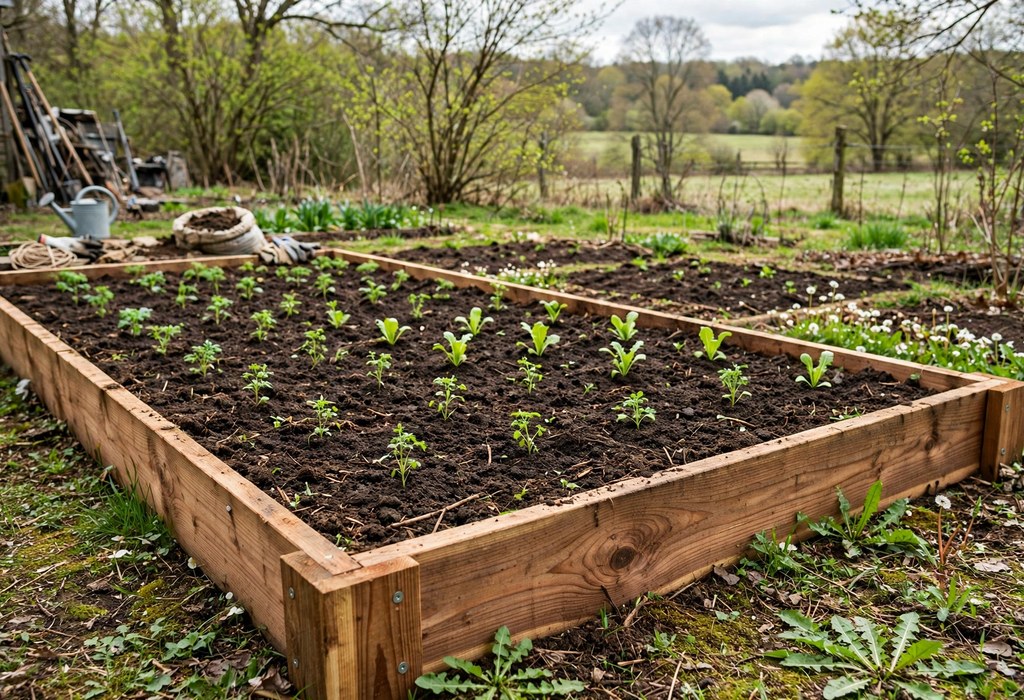
Timing shapes success when you learn how to start a garden bed. Early spring and fall offer the best windows for starting a garden bed. Spring suits most beginners, while fall lets soil settle before planting. Therefore, choose the season that matches your climate and planting goals. The best time to start a garden bed depends on frost and soil warmth.
First, check frost dates and soil temperature before you dig or plant. Additionally, warm soil helps seeds sprout, and cool soil favors hardy crops. Meanwhile, raised beds warm faster than ground beds in early spring. Finally, this guide compares seasons, regions, and bed types in plain terms.
Soil readiness matters more than a fixed calendar date for success. Similarly, a sheltered spot may warm earlier than a low, shaded corner.
Why Timing Shapes Results
Timing affects germination, root growth, and harvest length from the start. Warm soil wakes seeds quickly, while cold soil can delay sprouting for weeks. However, heat can stress young plants just as much as a late frost.
First, match crops to the season instead of forcing tender plants outdoors early. Then, watch local frost patterns and soil warmth rather than a fixed date. Additionally, good timing reduces replanting, watering stress, and pest pressure over time.
Best Time Start Garden Bed: Spring Starts
Early Spring for Cool-Season Crops
Cool-season crops tolerate light frost and grow well in mild spring weather. Peas, lettuce, spinach, radishes, and onions often sprout in cool, moist soil. Therefore, sow these crops first while nights remain cool and days stay gentle.
First, prepare beds when soil crumbles easily instead of sticking to tools. Then, cover rows lightly if a cold night threatens tender new seedlings. Meanwhile, succession sow small batches every week or two for steady harvests.
Late Spring for Warm-Season Crops
Warm-season crops need steady warmth and protection from any late frost. Tomatoes, peppers, beans, squash, and cucumbers grow best after soil warms fully. Additionally, wait until nights stay mild before moving tender transplants outdoors.
First, harden transplants outdoors for short periods before final planting. Then, mulch after planting to hold moisture and steady soil temperature. Finally, water deeply at planting so roots settle into warm, moist soil.
Best Time Start Garden Bed: Fall Starts
Fall offers calmer weather, fewer pests, and soil that still holds summer warmth. Roots establish steadily while top growth slows in cooler autumn air. Therefore, fall suits bed building, cool-season planting, and soil improvement.
First, build beds early in fall so soil settles before cold weather arrives. Then, add compost and mulch to protect soil life through winter months. Meanwhile, sow garlic, greens, and cover crops where winters stay mild enough.
Reading Frost and Soil Signals
Frost dates mark average risk, not a guaranteed safe planting day. A last spring frost date signals when tender crops face lower danger. Similarly, a first fall frost date shows when tender growth may end.
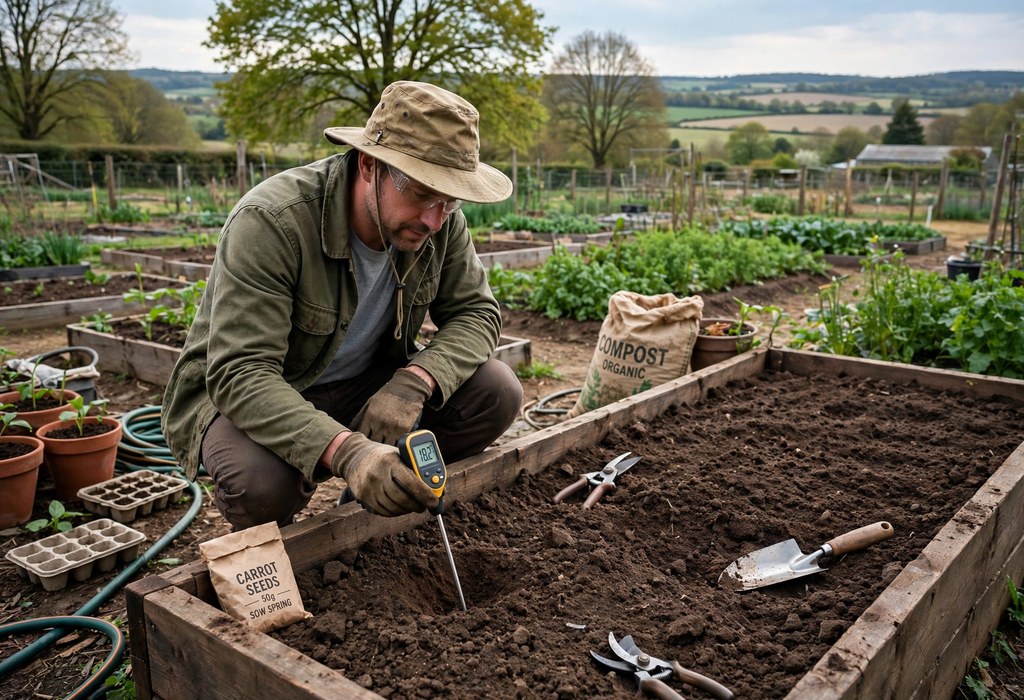
Soil temperature gives a clearer signal than air temperature alone. First, push a thermometer a few inches into shaded morning soil. Then, repeat readings for several days to confirm a steady warming trend.
- Cool soil: Sow peas, lettuce, spinach, and radishes in cool, moist beds.
- Warming soil: Add carrots, beets, kale, and broccoli as soil warms steadily.
- Warm soil: Plant beans, squash, cucumbers, and tomatoes after frost risk passes.
- Cold nights: Cover tender seedlings whenever frost threatens after warm days.
Timing for Different Bed Types
Raised beds warm earlier than ground beds because soil sits above cold ground. Therefore, raised beds often allow earlier spring sowing by a week or more. However, raised beds also dry faster, so check moisture more often in heat.
In-ground beds suit fall building because soil settles naturally over winter months. Plan your layout with how to start a garden bed in mind. Then, shape edges, loosen soil, and add compost before planting begins.
No-dig beds benefit from fall layering because materials break down over winter. Additionally, layer compost, leaves, and straw thickly before cold weather arrives. Finally, plant into soft, settled layers when spring warmth returns.
Regional Differences in Broad Terms
Cooler Regions
Cooler regions favor spring starts because fall windows close quickly. First, focus on hardy crops and raised beds that warm earlier. Then, protect seedlings with covers when cold nights return unexpectedly.
Warmer Regions
Warmer regions often support two main seasons with a hot summer pause. Spring and fall both suit planting, while midsummer heat stresses tender crops. Additionally, shade, mulch, and deep watering help plants survive hot spells.
What to Plant When
Match each crop group to soil warmth and frost tolerance for best results. Cool-season crops lead spring and fall, while warm-season crops follow frost.
- Early spring: Sow peas, spinach, lettuce, radishes, and onions first.
- Mid spring: Add broccoli, cabbage, carrots, beets, and chard next.
- Late spring: Plant tomatoes, peppers, beans, squash, and cucumbers after frost.
- Summer end: Sow kale, lettuce, spinach, and radishes for fall harvests.
- Fall: Plant garlic and cover crops before soil cools too much.
First, check days to maturity on seed packets before late-season sowing. Then, count backward from expected frost to allow full growth time. Finally, choose fast crops if your remaining season looks short.
If You Start Late: Best Time Start Garden Bed Options
A late start still allows a harvest when you choose crops wisely. Fast greens, radishes, and transplants shorten the wait for results. Therefore, skip slow crops that need a long, warm season.
First, use transplants instead of seeds for tomatoes, peppers, and squash. Then, water new plants deeply and mulch promptly to reduce stress. Meanwhile, protect late plantings with covers if early frost threatens.
Best Time Start Garden Bed: A Simple Seasonal Calendar
A seasonal calendar keeps timing decisions clear across the whole year. Winter planning, spring sowing, summer care, and fall building each play roles. Therefore, review this rhythm before each season begins.
- Winter: Plan beds, order seeds, and prepare soil amendments indoors.
- Spring: Build beds early, sow cool crops first, then warm crops.
- Summer: Water deeply, mulch beds, and sow fall crops late.
- Fall: Build beds, sow hardy crops, mulch, and plant cover crops.
Frequently Asked Questions
Is it too late to start a garden bed?
No, choose fast crops or transplants that fit your remaining frost-free season.
What is the best time of year to build a garden bed?
Early spring and fall work best because soil settles and plants establish well.
Can I start a garden bed in summer?
Yes, water deeply, mulch promptly, and choose heat-tolerant crops for success.
Should I build a garden bed in fall or spring?
Choose fall for settling soil, or spring for immediate planting and faster results.
How do I know when soil is ready for planting?
Check soil warmth, crumbly texture, and steady frost-free nights before sowing seeds.
Start When Conditions Align
The best timing blends season, soil warmth, frost risk, and crop needs. First, pick a season that gives roots time to establish before extremes. Then, prepare beds steadily instead of rushing planting on one weekend.
Walk outside today, test your soil, and mark your frost dates. Finally, build one bed this season and plant crops suited to its timing. Your garden will reward patient timing with stronger roots and steadier harvests.