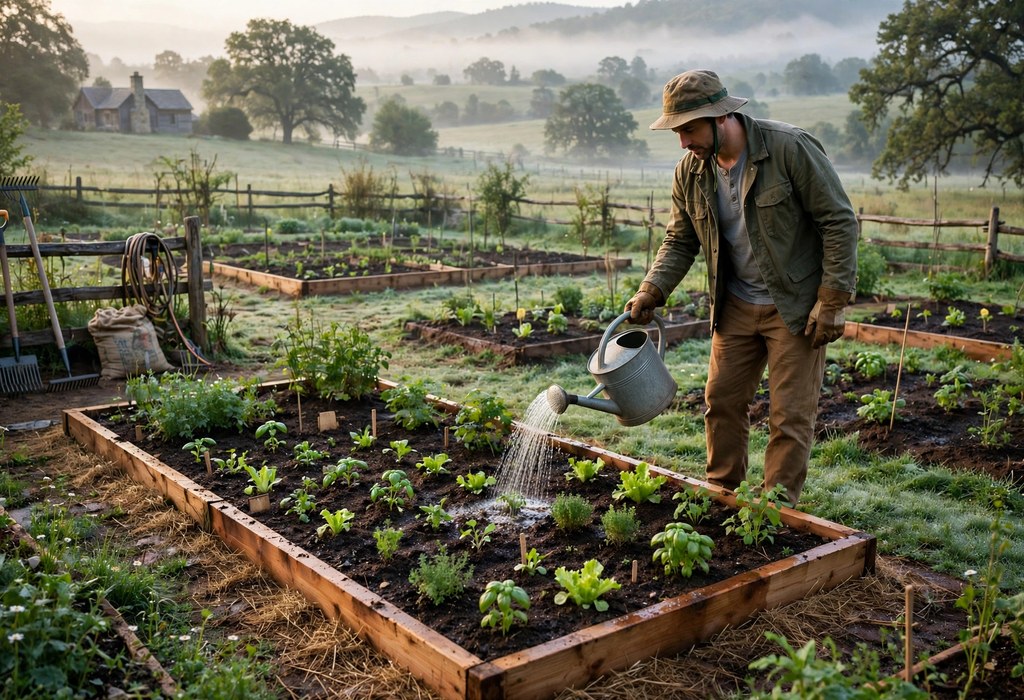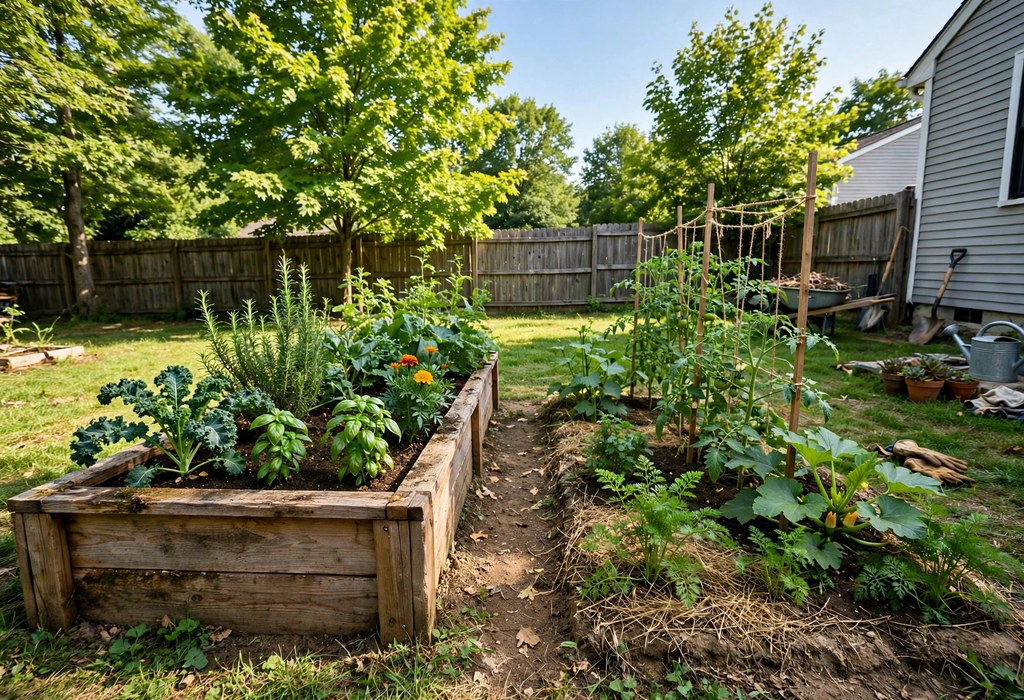
If you are learning how to start a garden bed, the bed-type decision comes early. Raised beds usually win for poor soil, small spaces, and easier access. In-ground beds usually win for large plots, lower setup effort, and deep roots. Therefore, choose raised beds for control and comfort, or choose ground beds for scale and simplicity. This raised garden bed comparison weighs soil, cost, and comfort.
First, look at your native soil, available space, and physical comfort. Then, weigh drainage, watering needs, and long-term upkeep before you build anything. This comparison explains both options honestly, so you can decide with confidence.
Additionally, both methods can grow healthy vegetables, herbs, and flowers successfully. The real difference lies in control, cost, effort, and daily ease.
Raised Garden Bed Comparison: How the Two Options Differ
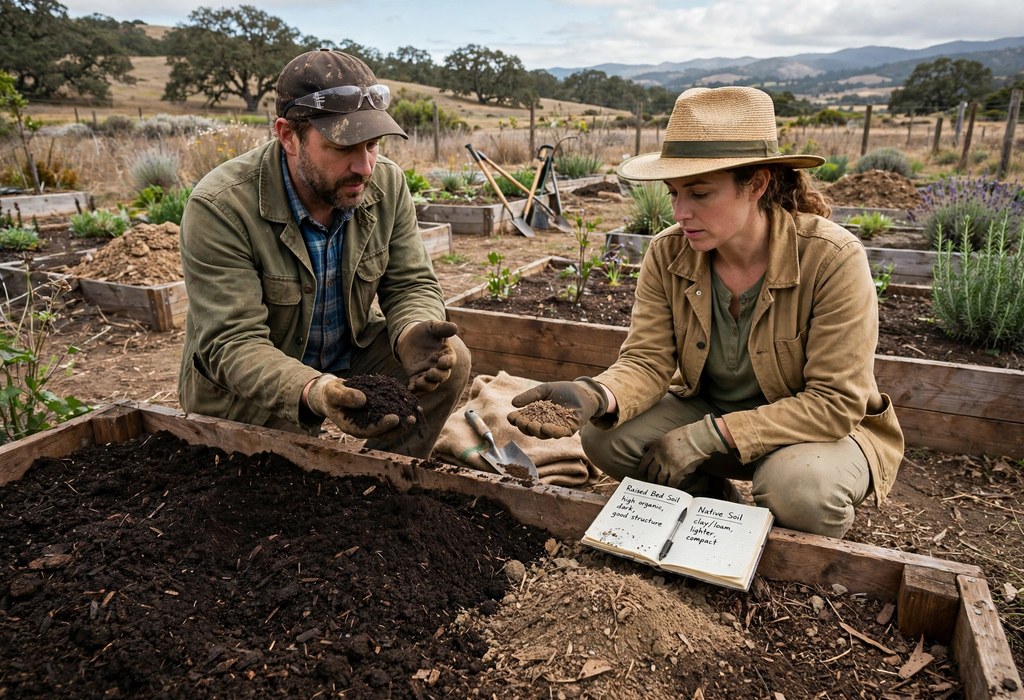
A raised bed sits above ground level inside a framed, open-bottom container. Gardeners fill it with a chosen mix of topsoil, compost, and organic matter. In contrast, an in-ground bed uses soil already present in your yard. Gardeners loosen that soil, add compost, and plant directly into the earth.
Raised beds create clear boundaries, tidy paths, and defined planting zones. However, raised beds stay fixed once filled, while ground plots remain easier to reshape. Therefore, consider future plans before committing to a permanent framed layout.
Raised Garden Bed Comparison: Soil Control, Drainage, and Warming
Soil control is the strongest advantage of a raised bed system. You start with loose, fertile soil, even over clay, sand, or compacted ground. First, this helps roots spread easily and absorb water and nutrients evenly. In-ground soil, however, requires testing, loosening, and gradual improvement over time.
Drainage also favors raised beds, especially on heavy clay or low-lying sites. Excess water drains downward and outward, so roots receive oxygen after heavy rain. In contrast, in-ground beds can stay soggy where clay, compaction, or slope traps water. Mounded rows help somewhat, but they rarely match raised bed drainage completely.
Raised soil also warms earlier in spring because air reaches its exposed sides. Earlier warming often allows earlier planting, especially in cooler growing regions. Meanwhile, in-ground soil warms more slowly and stays cooler after cold weather. Additionally, raised beds may extend the season slightly, though results vary by climate.
Watering, Weeds, and Root Depth
Raised beds dry faster because their soil sits above ground and drains freely. Therefore, gardeners in hot, dry, or windy spots must water raised beds more often. Mulch helps retain moisture, and drip watering delivers water directly to roots. In contrast, in-ground soil usually holds moisture longer through ground contact.
Weed pressure often starts lower in raised beds filled with clean soil mix. However, weeds still arrive through wind, compost, and nearby lawn edges. In-ground beds face stronger weed pressure from seeds already stored in native soil. Regular mulching and edging, therefore, matter greatly for both garden styles.
Root depth favors in-ground beds because roots can grow downward without limits. This advantage suits deep-rooted crops, large plants, and sprawling squash varieties. Raised beds still suit most vegetables when built about twelve to eighteen inches tall. Open-bottom beds additionally let roots reach native soil below the frame.
Raised Garden Bed Comparison: Cost, Effort, and Longevity
Raised beds cost more at setup because frames, hardware, and imported soil add up. Soil often becomes the largest expense, especially when filling several beds at once. In contrast, in-ground beds need mainly tools, compost, and steady labor. Therefore, ground gardening usually offers the lowest starting cost overall.
First, compare your budget, soil condition, and available time before choosing either method. Before building, review how to start a garden bed and match its steps to your site. Then, plan for yearly compost, mulch, and soil top-ups in either system.
Longevity depends heavily on frame material, weather exposure, and routine maintenance. Wood frames eventually weaken, while sturdier materials often last considerably longer. In-ground beds, however, avoid frame repairs entirely and simply need soil care. Additionally, raised soil settles over time, so gardeners should top it up seasonally.
Raised Garden Bed Comparison: Accessibility and Everyday Comfort
Accessibility gives raised beds a clear advantage for many gardeners today. Taller beds reduce bending, kneeling, and strain during planting and harvesting tasks. Similarly, narrow beds let gardeners reach the center comfortably from either side. In contrast, in-ground gardening demands more bending, kneeling, and ground-level work.
Raised beds also suit patios, paved areas, and yards with contaminated or rocky soil. Their tidy structure simplifies crop rotation, close spacing, and seasonal planning. However, paths between raised beds need enough width for wheelbarrows and comfortable movement. In-ground plots, meanwhile, offer flexible layouts for rows, blocks, and large plantings.
Which Gardener Suits Which Option
Choose raised beds if your soil drains poorly, stays compacted, or lacks fertility. They also suit small yards, renters with limited space, and gardeners seeking tidy beds. Additionally, raised beds help gardeners with back, knee, or mobility challenges. First, however, confirm sunlight, water access, and level ground for each bed.
Choose in-ground beds if your native soil already feels loose, dark, and fertile. They suit large gardens, sprawling crops, and gardeners working with tight budgets. Similarly, ground beds suit gardeners who enjoy traditional rows and open layouts. Then, improve the soil gradually with compost, mulch, and cover crops.
A Simple Decision Framework From This Raised Garden Bed Comparison
Use five quick questions to narrow your choice before buying materials or digging. First, assess soil quality, drainage, sunlight, space, and physical comfort honestly. Then, match the strongest answers to the option that solves your biggest constraint.
- Soil quality: Choose raised beds when native soil stays heavy, rocky, or infertile.
- Available space: Choose ground beds when you have a large, sunny, open area.
- Budget limits: Choose in-ground beds when low startup cost matters most right now.
- Physical comfort: Choose taller raised beds when bending or kneeling causes strain.
- Crop plans: Choose ground beds when sprawling or deep-rooted crops dominate your plan.
A hybrid approach also works well for many gardeners and mixed yards. For example, use raised beds for salads and herbs, plus ground rows for squash.
Frequently Asked Questions
Are raised beds better than in-ground beds?
Neither option is universally better, since soil, space, budget, and comfort decide suitability.
Do raised beds need more watering than in-ground beds?
Yes, raised beds usually dry faster, therefore gardeners should mulch and water consistently.
How tall should a raised bed be?
Most vegetables grow well in beds about twelve to eighteen inches tall.
Can I grow deep-rooted crops in a raised bed?
Yes, open-bottom beds allow roots to reach native soil below the frame.
Is an in-ground bed cheaper than a raised bed?
Generally, yes, because ground beds avoid frames and large amounts of imported soil.
Conclusion
Raised beds offer control, drainage, and comfort, while ground beds offer scale and savings. Therefore, let your soil, space, budget, and body guide the final choice. Finally, start small, observe results, and expand the method that works best.
Choose one approach this season, then build a single bed or prepare one ground plot. Start today, and enjoy healthier soil, easier gardening, and a more productive harvest.