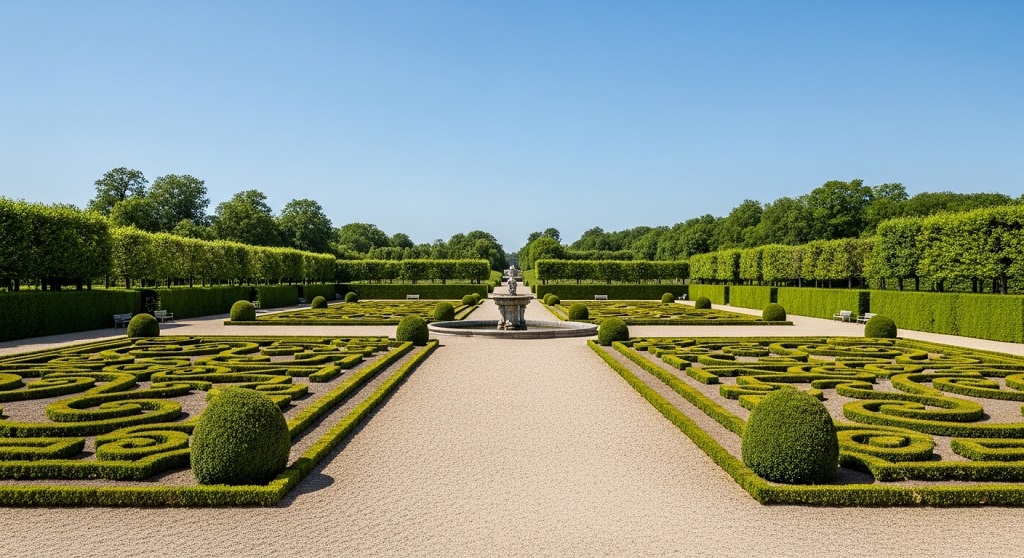
You can create a decorative garden in the style of French gardens by designing a symmetrical layout with geometric beds, straight pathways, trimmed borders, and coordinated plant groupings centered around a focal feature such as a fountain, statue, or circular planting bed. This structured approach—known as the French formal garden style—balances beauty with productivity and works well even in small home spaces when planned carefully.
Many gardeners assume French-style gardens require large estates like Versailles. They don’t. A structured layout, repeated plant patterns, and clean pathways can transform a modest backyard into a refined decorative garden.
According to European kitchen garden traditions documented in historical potager layouts, structured vegetable gardens improved crop access efficiency by up to 20% while maintaining visual order. Modern gardeners adapt the same principle using raised beds, borders, and pathways.
This guide explains how to build your own decorative French-style garden step by step using practical design strategies, layout examples, plant combinations, and real-world adaptations suitable for home gardens.
What defines a French-style decorative garden layout?
A French-style decorative garden layout is defined by symmetry, geometric planting beds, straight pathways, and a central focal element that organizes the entire space.
The structure is the foundation. Without it, the garden looks ordinary rather than intentional.
The traditional French potager combines vegetables, herbs, flowers, and ornamental borders in repeating patterns. This design originated in 16th–17th century France and became widely used because it improved both accessibility and visual organization.
Core layout elements of a French garden
- Symmetrical bed arrangement
- Central axis or focal feature
- Gravel or brick pathways
- Defined borders with hedges
- Mixed edible and decorative planting
- Repetition of shapes and colors
Even small gardens can follow this structure using four equal quadrants or rectangular raised beds around a central path.
Why is symmetry essential in French garden design?
Symmetry creates visual balance and makes the garden easier to navigate and maintain.
French gardens rely on mirrored layouts. When beds repeat across a central line, the space feels organized instantly.
Landscape historians studying formal European gardens found symmetrical layouts improved visual clarity and visitor orientation compared with irregular planting systems. That is why palace gardens and monastery kitchen gardens used the same structure.
Simple symmetry ideas for small gardens
- Divide space into four equal squares
- Repeat the same crops in opposite beds
- Mirror flower borders on both sides
- Place a focal element at the center
This approach works even in a 3×3 meter garden.
How do you plan a French-style garden step by step?
Start by drawing a geometric layout, then divide the space into equal sections, add straight pathways, and assign planting zones with repeated crop patterns.
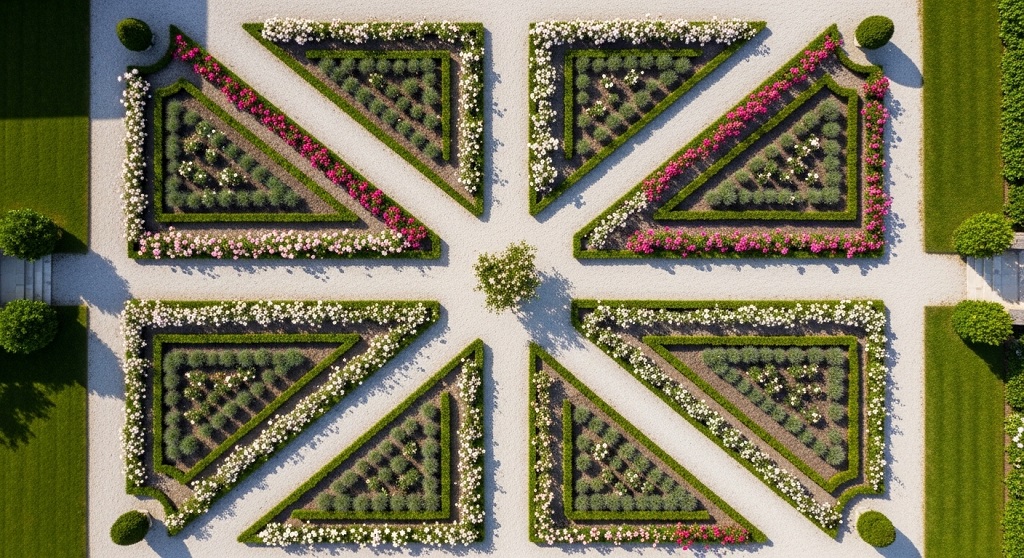
Step-by-step layout planning process
- Measure your available space
- Mark a central axis
- Divide the area into equal sections
- Add cross pathways
- Choose a central feature
- Plan crop placement by height and color
Professional landscape planners often sketch designs on grid paper first. This prevents overcrowding later.
Which plants work best in a French decorative garden?
The best plants include compact vegetables, herbs, border flowers, and low hedging species that maintain structure throughout the growing season.
The goal is visual rhythm. Each plant should support the layout instead of disrupting it.
Common plant categories used in French-style gardens
- Lettuce varieties for color contrast
- Parsley and thyme for borders
- Lavender for fragrance and structure
- Carrots and beets for layered planting
- Marigolds for pest control
- Boxwood for edging
French gardeners historically combined ornamental flowers with vegetables to improve pollination and reduce pest pressure naturally.
What role do pathways play in French garden structure?
Pathways define movement, separate planting beds, and reinforce geometric order.
Without pathways, symmetry disappears visually.
Best pathway materials
- Gravel
- Brick
- Stone slabs
- Wood chips
Gravel paths are the most traditional option and require minimal maintenance.
How do focal points improve French garden design?
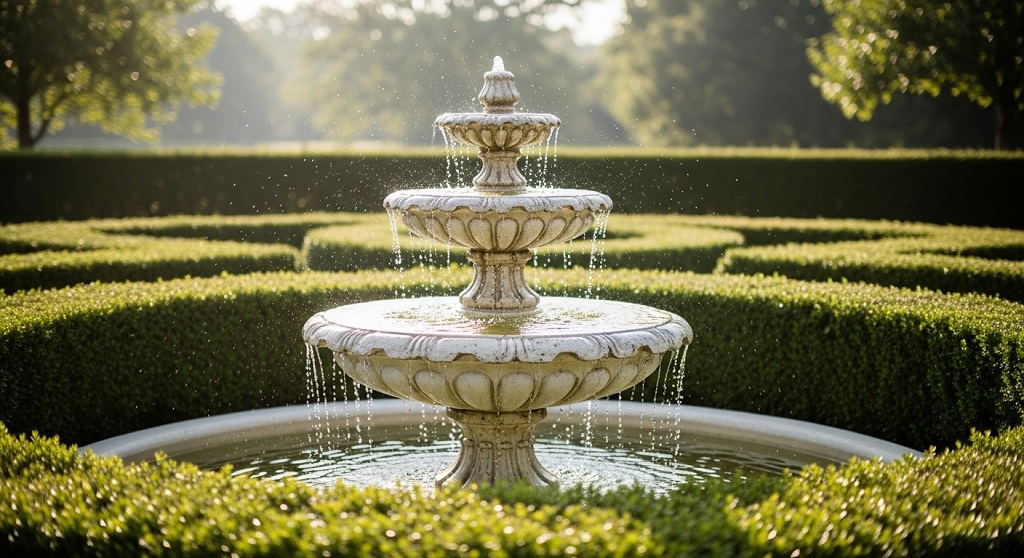
A focal point anchors the garden layout and creates visual direction from every angle.
In classical French gardens, fountains or statues marked intersections of major paths.
Simple focal point ideas for home gardens
- Birdbath
- Herb spiral
- Decorative container
- Sundial
- Small fruit tree
Even a circular planting bed can function as a focal feature.
Can a French decorative garden include vegetables?
Yes. Traditional French potager gardens combine vegetables and flowers intentionally to improve productivity and appearance.
This integration makes the garden both functional and decorative.
Research from European heritage kitchen gardens shows mixed planting increased land-use efficiency compared with single-crop layouts.
Best vegetables for decorative planting
- Red cabbage
- Kale
- Swiss chard
- Leaf lettuce
- Onions
- Carrots
How do borders and edging create a formal garden look?
Borders define planting beds and maintain geometric clarity throughout the season.
Without edging, shapes become less visible as plants grow.
Popular edging materials
- Boxwood hedges
- Lavender rows
- Brick edging
- Metal garden strips
Low evergreen hedges are the most traditional solution.
How can color coordination improve a French garden layout?
Color coordination strengthens visual structure and highlights symmetry.
French gardens often alternate green, purple, and silver foliage for contrast.
Effective color pairing combinations
- Green lettuce with red cabbage
- Lavender with thyme
- Marigolds with parsley
- Beet greens with onions
Repeating these combinations across beds creates rhythm.
What maintenance routine keeps a French garden looking structured?
Regular trimming, seasonal replanting, and pathway cleaning maintain structure throughout the year.
Formal gardens require consistent upkeep but not complex equipment.
Weekly maintenance checklist
- Trim borders
- Remove weeds
- Refresh mulch
- Check symmetry balance
- Harvest regularly
Routine maintenance prevents layout distortion.
Can you create a French garden in a small backyard?
Yes. A small backyard can support a French-style decorative garden by using compact raised beds arranged symmetrically around a central feature.
Many urban gardeners use square layouts divided into four equal planting sections.
| Garden Size | Recommended Layout |
|---|---|
| 2×2 meters | Four square beds |
| 3×3 meters | Cross pathway design |
| 5×5 meters | Central circle with quadrants |
Conclusion: How do you start building your French-style decorative garden today?
Start by sketching a symmetrical layout, selecting structured pathways, choosing compact plants, and adding a central focal feature. These four steps form the foundation of every successful French decorative garden.
You do not need a large property. You need planning.
Begin with one quadrant layout this week. Add edging next. Introduce herbs and flowers gradually. Within one growing season, your space can reflect the structure and elegance of traditional French gardens.
If you want your garden to feel organized, productive, and visually balanced, now is the best time to design your own French-style decorative layout.
FAQ: French-style decorative garden design
What is a French potager garden?
A French potager garden is a decorative kitchen garden that combines vegetables, herbs, flowers, and pathways in a symmetrical geometric layout.
Do French gardens require large space?
No. Even small backyard spaces can support structured layouts using raised beds and mirrored planting zones.
Which materials are best for garden pathways?
Gravel, brick, and stone are the most traditional and durable pathway materials.
Can beginners create a French-style garden?
Yes. Starting with four equal planting beds and a central focal feature is the simplest beginner layout.
Are flowers necessary in a French decorative garden?
Flowers improve visual contrast and attract pollinators, making them an important design element.
How often should borders be trimmed?
Most low hedges should be trimmed every two to three weeks during the growing season.
Read More Also: How Deep Do Lavender Roots Grow: A Comprehensive Guide
Discover More: Low House Edge Casino Games in Australia That Pay the Most