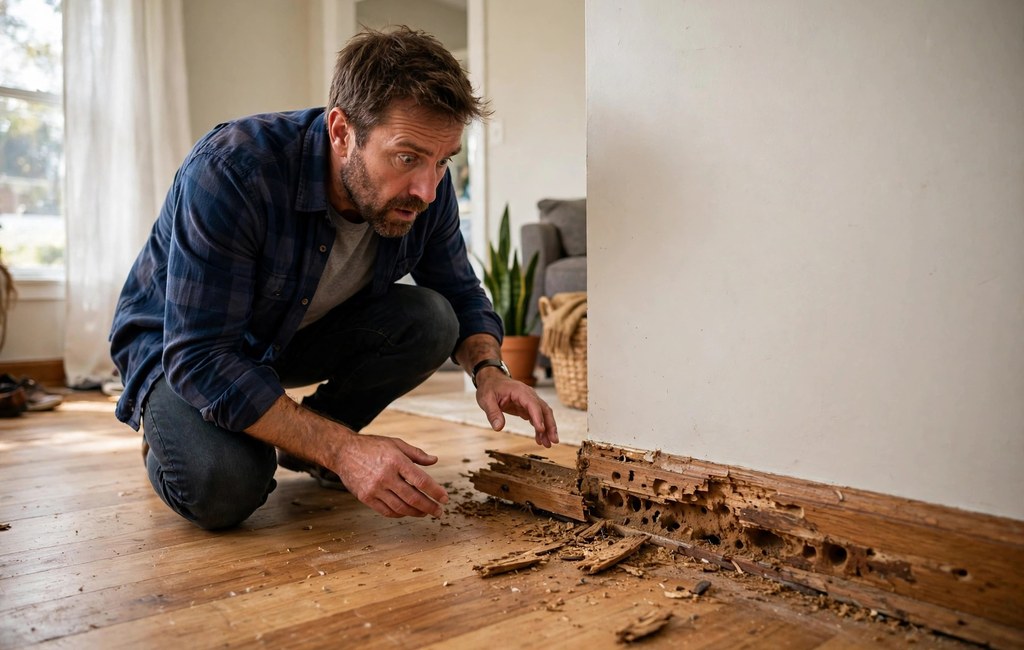
You pull back a corner of old carpet, tap a baseboard that sounds oddly hollow, or notice a cluster of tiny wings on the windowsill. Your stomach drops. Termites in the house is one of those phrases that sends homeowners straight to a worst-case spiral.
Take a breath. Termites work slowly, and the next 48 hours matter far more for what you avoid than for how fast you act. Here is a calm, practical plan for what to do first when you spot termites in house walls, floors or window sills, what to skip and how to get the right help.
How do you know it is really termites?
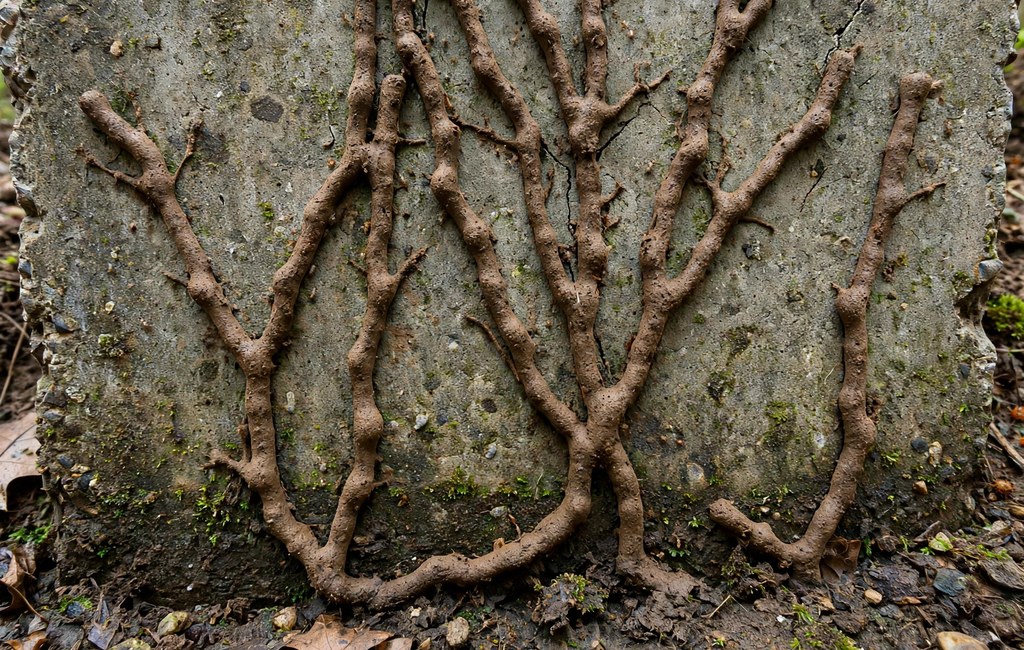
Termites hide, so most people find clues rather than insects. Common signs include:
- Mud tubes. Pencil-width tunnels of soil running up foundation walls, which subterranean termites build to travel safely.
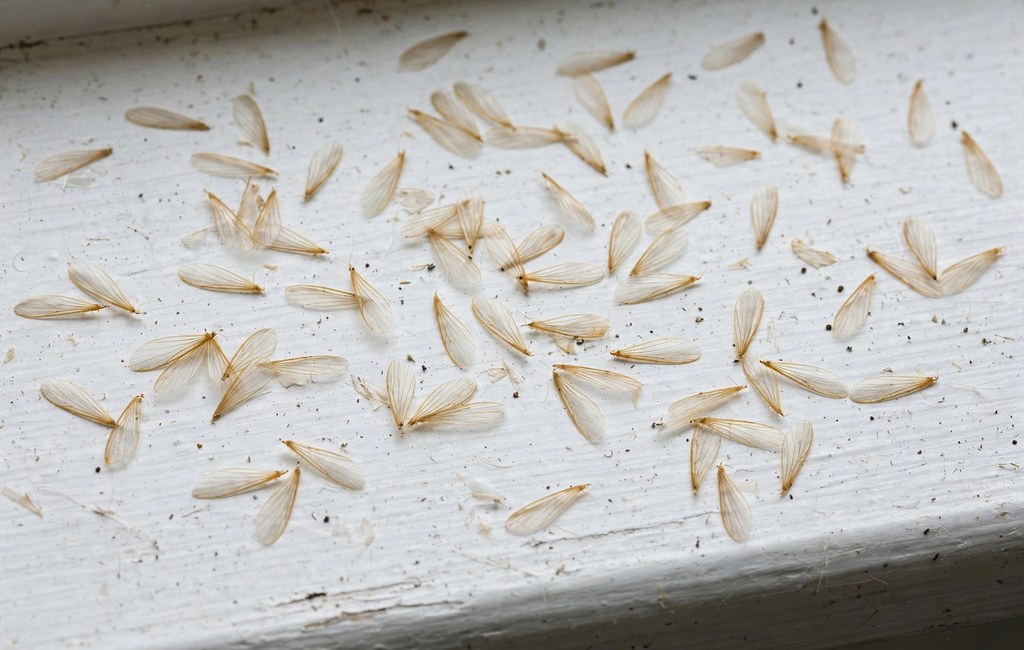
- Discarded wings. Small, equal-sized wings near windows or doors after a swarm.
- Hollow-sounding wood. Timber that sounds papery or hollow when you tap it with a screwdriver handle.
- Frass. Tiny, pellet-like droppings that look like sawdust or coffee grounds, typical of drywood termites.
- Blistered or sagging surfaces. Paint that bubbles, drywall that ripples or floors that feel soft.
- Tight doors and windows. Sometimes caused by moisture from termite activity, though many other issues cause this too.
Flying termites or flying ants?
Winged insects indoors cause a lot of false alarms. Termite swarmers have straight antennae, a thick waist and two pairs of wings that are roughly the same length. Flying ants have elbowed antennae, a pinched waist and front wings that are longer than the back pair. If you are unsure, catch a few in a jar or tape one to a card and take a clear photo.
What should you do first?
- Don’t disturb the area. Leave mud tubes and damaged wood as they are. Disturbing them can make termites move elsewhere and makes the technician’s job harder. The same patience applies to rodents too; here is how to get rid of rats without scattering them.
- Document everything. Take clear photos, note the dates and locations, and keep a few samples in a sealed container or jar.
- Call a licensed professional. Ask for an inspection that includes the crawl space, attic and exterior, plus a written report.
- Get more than one opinion. Two or three inspections help you compare diagnoses and quotes.
- Check your paperwork. Look at your homeowners policy, any existing termite bond and your home purchase records.
What should you avoid doing?
It is tempting to grab a can of spray from the hardware store. Resist for now. Surface sprays kill the few insects you can see, but termite colonies can be huge and mostly out of sight. Some repellent products can also push termites toward untreated parts of the house, which spreads the problem. Sprays work differently on other pests; see how experts get rid of roaches for a comparison.
Also avoid tearing out large sections of wall or flooring before the inspection. You may destroy evidence and open up new pathways. Wait for a professional to tell you where to look.
How do professionals deal with termites in a house?
After inspection, the technician identifies the species, maps the activity and recommends a method. Common approaches include:
- Liquid soil treatment around the foundation for subterranean termites
- Bait stations placed in the ground to be shared with the colony
- Localized wood treatment for small drywood problems
- Fumigation or heat for widespread drywood infestations
The right choice depends on the species, your home’s construction and how far the activity has spread. A good company explains why it chose the method and what follow-up to expect.
How much damage have termites done?
It depends on how long they have been active and how much moisture is available. Early detection often means minor repairs. Long-running infestations can weaken floor joists, studs and subfloors.
If a technician finds damage, ask for a structural professional or carpenter to assess it. Pest control stops the insects. It does not rebuild what they have eaten.
Why do termites come back?
The most common reason is moisture. Leaking pipes, clogged gutters, poor drainage and soil piled against siding all help termites thrive. Other triggers include firewood stacked against the house, wood-to-soil contact at decks and fences, and old tree stumps close to the foundation.
Ask your technician to point out moisture and wood-contact issues during the inspection. Garden beds hold moisture too, so learn how to improve poor garden soil and drainage around the foundation. Fixing them is often cheaper than a second treatment.
What will termites cost you?
Costs depend on the size of your home, the species, the method and where you live. Inspection fees range from free to a few hundred dollars, and treatment can run from modest spot work to several thousand dollars for whole-structure options. Repairs are separate. Get written quotes that spell out exactly what is covered. If a chemical smell lingers after treatment, here is how to clear pest control smell from your home.
Termites in the house FAQs
Are termites dangerous to people?
Termites do not bite people or spread disease the way some pests do. Their threat is structural, because they weaken the wood your home is built from.
How fast do termites cause damage?
Colonies feed constantly, but the speed varies by species and colony size. Damage is usually gradual over months or years, which is why early inspection pays off.
Will termites go away on their own?
No. Once a colony has found food and moisture, it will keep feeding until it is treated.
Can I stay in my home during treatment?
For most liquid and bait treatments, yes. Fumigation requires leaving for a few days. Your provider will give specific instructions.
Does homeowners insurance cover termites?
Standard policies usually exclude termite damage. Check your policy and ask your agent.
Don’t wait for the damage to grow
If you have spotted any of the signs above, a professional inspection is the fastest way to replace worry with facts. Photograph what you find, leave it undisturbed and get it checked.