You can grow tulips in warm climates with one extra step. First, prechill the bulbs in a refrigerator before planting them. Then plant them late, once the soil has finally cooled.
Tulips evolved in regions with long, reliably cold winters. By contrast, warm regions offer short winters and early spring heat. Still, careful timing and cooling tricks close that gap successfully. In practice, most warm-climate gardeners treat tulips as seasonal annuals.
This guide covers chilling, planting, shade, and variety choices. When you follow each step, spring blooms become realistic again. However, skipping the chill almost guarantees leaves without flowers.
Why Warm Winters Leave Tulips Unchilled
Inside every bulb, a tiny flower bud forms before planting. That bud needs many weeks of cold before it matures. If you master how to plant tulip bulbs, this chilling step comes first.
When soil stays warm, bulbs often sprout leaves too early. As a result, flowers may emerge short, stunted, or completely blind. Meanwhile, roots struggle because warm, wet soil encourages rot.
The developing stem also needs cold to elongate properly. Without enough chill, stems stay short and buds often stall. By contrast, fully chilled bulbs produce tall, balanced spring flowers.
How to Prechill Bulbs Step by Step
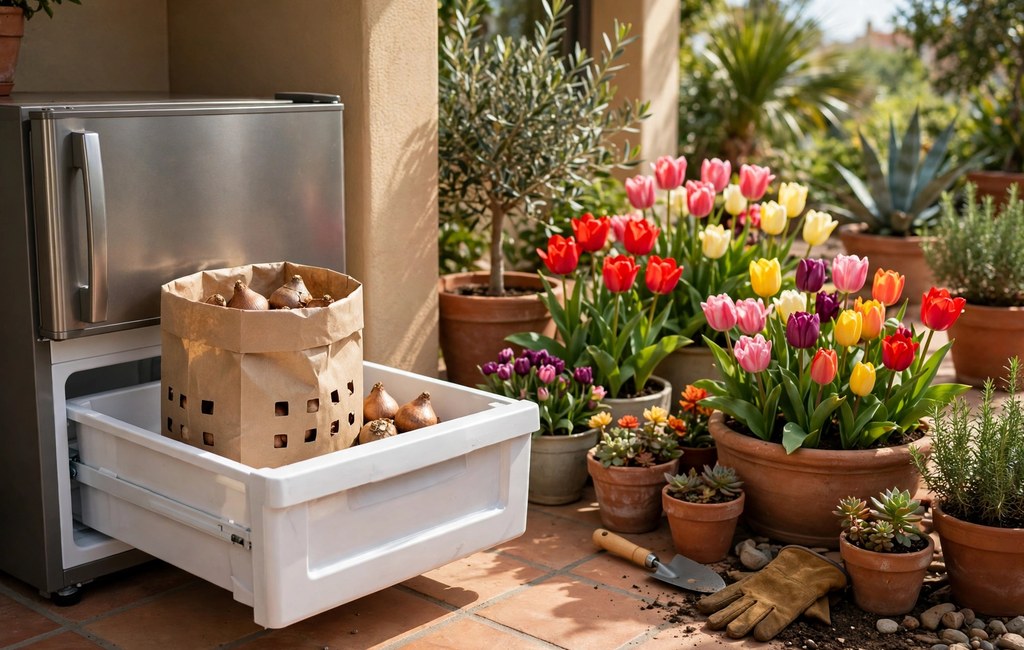
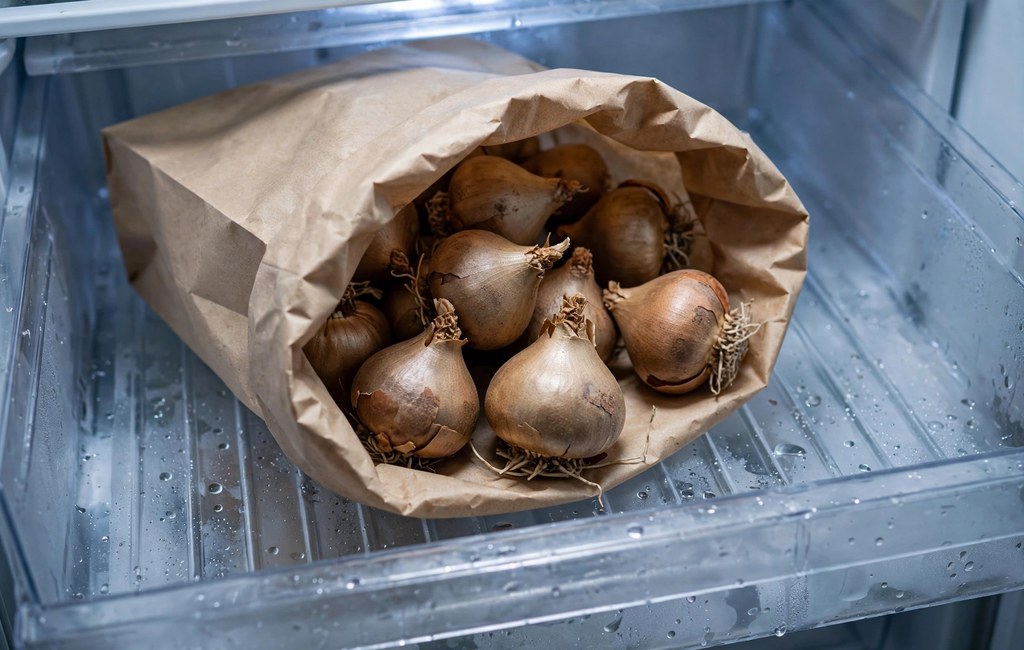
Buy firm, heavy bulbs in autumn from a reputable supplier. Then place them in a paper or mesh bag. Next, store the bag in the coldest refrigerator section.
- Start early: First, begin chilling ten to fourteen weeks before planting.
- Hold the temperature: In fact, steady cold between 35 and 45 degrees matters most.
- Skip the freezer: Indeed, freezing damages bulb tissue and ruins the bud.
- Ventilate the bag: Similarly, paper allows airflow and prevents trapped moisture buildup.
Crucially, keep the bulbs far away from ripening fruit. Apples, bananas, and pears release ethylene gas while ripening. That gas can damage the flower bud inside the bulb. Ideally, use a spare refrigerator or one cleared drawer.
Timing the Chill Around Your Planting Date
Count backward from your intended planting date each autumn. For instance, January planting means chilling starts during October. Mark the start date clearly on the bag itself.
Choosing Varieties That Handle Warmth Better
Some tulips need less chilling than large modern hybrids. For example, species tulips often return reliably in mild gardens. Lady Jane and other clusiana types suit warm beds well.
- Species tulips: For example, clusiana and saxatilis types need less chilling.
- Darwin hybrids: Also, choose Darwin types for strong stems and vigor.
- Single late types: Finally, try late varieties when spring warms up slowly.
Alternatively, buy prechilled bulbs from suppliers offering that service. Check the stated chilling duration carefully before ordering any bulbs. Short-chilled stock often blooms unevenly in warm gardens afterward.
Still, even low-chill types benefit from proper refrigerator chilling. In the warmest zones, variety choice never replaces cold treatment.
Planting Late and Keeping the Soil Cool
Plant chilled bulbs immediately after removing them from refrigeration. In warm zones, late autumn or early winter works best. Once soil cools below roughly 60 degrees, planting can begin.
Set each bulb about six to eight inches deep. Place the pointed end upward, then firm soil gently around. Also, deeper planting keeps bulbs cooler beneath warm surfaces.
Choose morning sun with afternoon shade in hot gardens. After planting, spread mulch to slow soil warming later. However, keep mulch loose so air still reaches soil.
Growing Warm-Climate Tulips in Pots
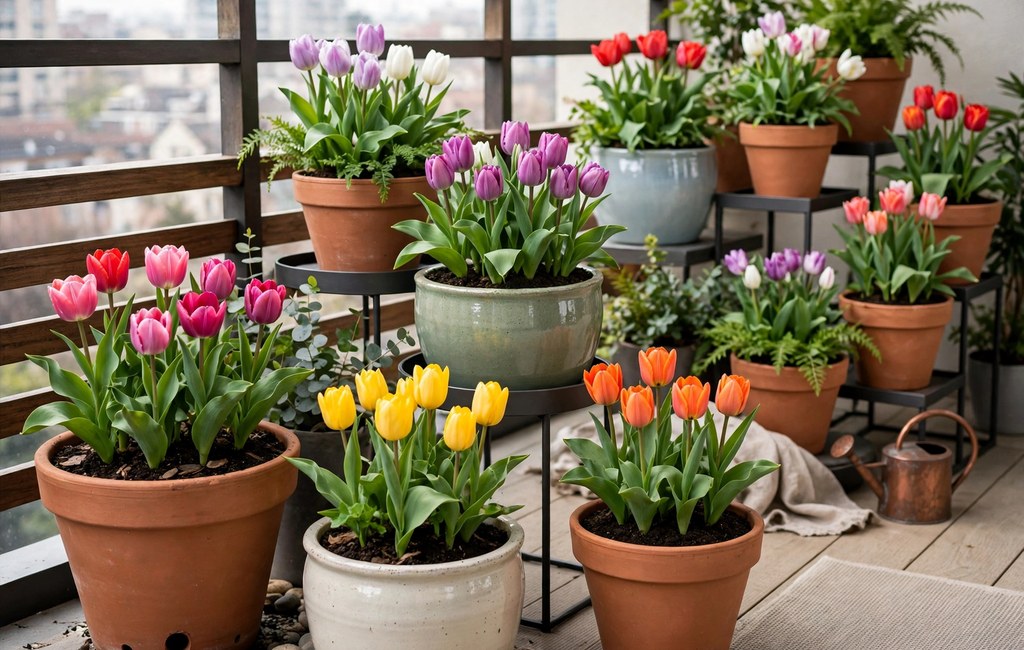
Pots help gardeners control drainage and soil temperature precisely. Move containers into shade when spring afternoons turn hot. Also, prechilled bulbs can go straight into waiting pots.
Watering and Care During the Short Season
Water thoroughly after planting to settle soil around bulbs. Then water sparingly while roots grow during cool weather. If winter rain stays absent, water every two weeks lightly.
Drainage matters more than fertilizer in warm, wet soils. In fact, soggy beds rot bulbs faster than heat does. So choose raised beds or gritty soil for safety.
Signs Your Chilling or Planting Went Wrong
Troubleshooting helps you adjust next season rather than repeat mistakes. When blooms disappoint, review chilling length and storage first.
- Leaves without flowers: In fact, insufficient chilling or ethylene exposure likely damaged buds.
- Short stems: Similarly, too few cold weeks often produce stunted stems.
- Moldy bulbs: Consequently, excess moisture during storage causes soft, moldy decay.
- Early sprouting: When soil stays warm, delayed planting triggers premature growth.
Treating Tulips as Annuals in Warm Zones
In the warmest zones, expect one glorious spring display only. Hot summers prevent bulbs from rebuilding strength for repeat blooms. As a result, most gardeners compost spent bulbs after flowering.
That approach sounds wasteful, yet it guarantees reliable color yearly. Meanwhile, species tulips in cooler microclimates may return longer. Observe your own results first, then decide your approach.
Persistent gardeners may lift, chill, and replant healthy bulbs. Treat that experiment as uncertain, because results vary widely. In practice, fresh bulbs deliver the most dependable displays.
Frequently Asked Questions
How long should I prechill tulip bulbs before planting?
Prechill bulbs for ten to fourteen weeks at 35 to 45 degrees.
Can I store tulip bulbs next to apples?
No, because ripening apples release ethylene gas that damages buds.
When should I plant prechilled tulips in warm climates?
Plant them in late autumn or early winter, once soil cools.
Will tulips come back every year in warm climates?
Usually not, since hot summers weaken bulbs before another season.
Which tulips need the least chilling in warm gardens?
Species tulips like clusiana types generally need the least chilling.
Conclusion
Warm climates demand planning, but tulips remain absolutely achievable there. When you chill properly and plant late, blooms follow reliably.
Order your bulbs early this autumn and reserve refrigerator space. Then start chilling today, and enjoy spring color despite warmth.