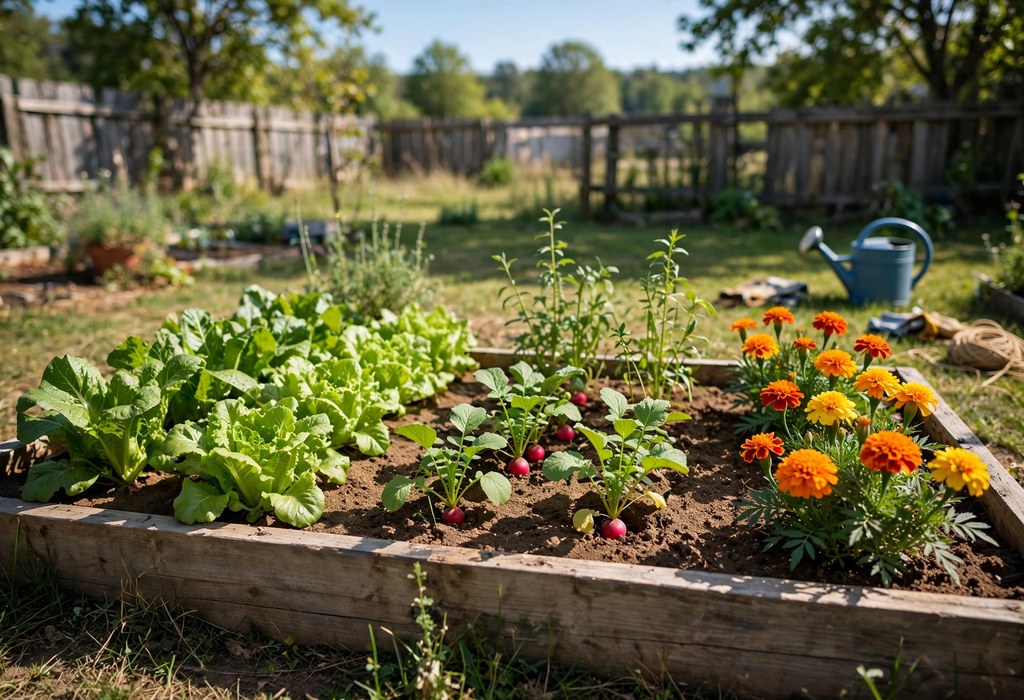
Lettuce, radishes, beans, basil, marigolds, and zinnias suit a first garden bed best. Plant choice matters when you learn how to start a garden bed. They grow fast, forgive uneven watering, and need only basic sun and soil. Additionally, they reward small efforts with fresh food and bright color quickly. Choose beginner garden bed plants that forgive early mistakes.
First, choose plants you enjoy eating or seeing each day. Then, match each plant to your light, space, and watering habits. This guide explains simple choices, sun needs, and common mistakes to avoid.
You do not need perfect soil, fancy tools, or long experience to succeed. Instead, start small, watch your plants closely, and adjust one habit at a time. Soon, you will learn what thrives in your bed and what needs more care.
What Makes a Plant Beginner Friendly
Forgiving plants recover from missed watering, light shade, or late feeding. They also grow quickly, so you see progress before doubts creep in. Fast feedback builds confidence and helps you learn basic garden rhythms.
Good beginner plants also resist common pests and need little pruning. However, no plant thrives with zero care or constant soggy soil. Therefore, pick strong varieties and give them steady, simple attention.
Easy Beginner Garden Bed Plants: Vegetables for a First Bed
Leaf lettuce grows fast in cool weather and tolerates partial shade well. Then, snip outer leaves and let the center keep growing. Similarly, spinach and chard offer steady harvests from small spaces.
- Leaf lettuce: Grows quickly in cool weather with light shade.
- Radishes: Mature in a few weeks and need little space.
- Bush beans: Produce steady pods in full sun.
- Zucchini: Gives large harvests from one strong plant.
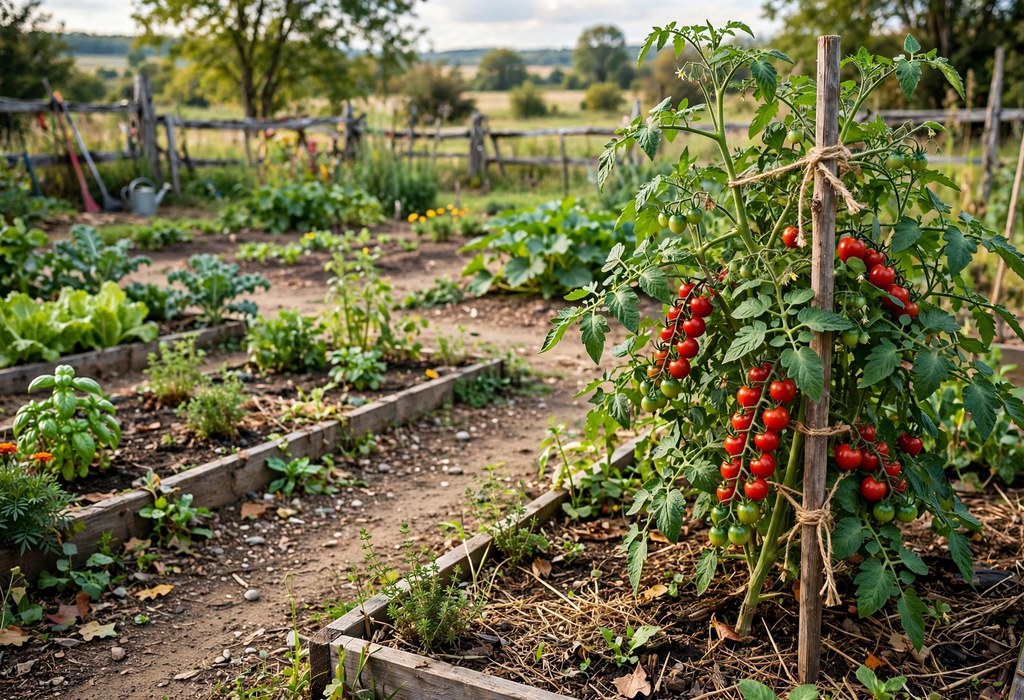
- Cherry tomatoes: Ripen steadily with support and warm sun.
Radishes teach patience in reverse because they mature within a few weeks. Meanwhile, beans improve soil while they produce crisp, tasty pods. Cherry tomatoes need warm sun, steady water, and a simple stake. Finally, pick zucchini young for tender flavor and continued production.
Herbs Among Beginner Garden Bed Plants That Forgive Mistakes
Basil loves warm sun and rewards frequent pinching with bushier growth. Pinch the top leaves often to delay flowers and extend leaf harvests. Additionally, basil pairs well beside tomatoes in sunny beds.
Parsley tolerates partial shade and grows steadily with regular watering. Chives return each season and need only occasional trimming. First, grow mint in a pot to stop its roots from spreading. Mint spreads fast in open soil and can crowd nearby plants.
Flowers Among Beginner Garden Bed Plants That Add Color
Marigolds bloom through warm months with full sun and modest water. They also help draw pollinators and add cheerful color near vegetables. Remove faded blooms often to encourage fresh flowers all season.
Zinnias grow fast from seed and tolerate heat and light drought. Sunflowers need full sun and room, yet they grow with little fuss. Similarly, nasturtiums spill over bed edges and brighten empty corners. Finally, choose compact flower types when your bed space feels tight.
Match Plants to Sun and Space
Most vegetables and flowers need six or more hours of direct sun daily. You can review how to start a garden bed before you choose final spots. Then, place tall plants at the back so shorter plants still receive light.
Leafy greens cope better with partial shade than fruiting plants do. Additionally, give each plant breathing room to reduce disease and improve airflow. However, crowded beds also hide pests and slow healthy growth. Therefore, follow spacing guidance on seed packets and plant labels.
Plants Beginners Should Avoid at First
Corn needs a large block for pollination and much space. Celery needs constant moisture and a very long growing season. Similarly, watermelon vines sprawl widely and need long, hot summers.
Some plants also demand precise feeding, pruning, or pest control. Save those challenges until you feel confident with simpler crops. Finally, avoid planting more than you can water and harvest. A smaller bed with thriving plants beats a large, neglected bed.
Simple Success Tips for New Gardeners
Water deeply at soil level and let the top soil dry slightly. Morning watering reduces disease and helps leaves dry by evening. Additionally, mulch helps hold moisture and suppress weeds.
- Watering: Check soil with your finger before you water.
- Feeding: Add compost at planting for steady, gentle nutrition.
- Weeding: Pull small weeds weekly to protect young roots.
- Watching: Inspect leaves weekly for pests or stress signs.
Keep notes on what grows well and what struggles each season. Then, adjust plant choices and spacing based on those simple notes. Small changes often bring bigger harvests than drastic garden overhauls.
Build a Simple First Bed Plan
Start with five or six plants rather than a crowded, complex bed. Then, combine one leafy green, one root crop, one herb, and one flower. This mix gives food, flavor, color, and quick learning in one bed.
Place sun lovers together and shade tolerant plants in softer light. Meanwhile, leave paths for watering, weeding, and easy harvesting. Group plants with similar water needs to simplify daily care. Finally, label each row so you remember what you planted.
Harvest at the Right Time
First, pick leafy greens young for tender flavor and steady regrowth. Harvest radishes promptly before roots grow woody or hot. Additionally, pick beans and zucchini often to encourage more production.
Wait until cherry tomatoes feel soft and show full, even color. Snip herbs in the morning when oils and flavor peak. However, avoid stripping a herb plant bare in one harvest. Leave enough leaves so the plant can recover and regrow.
Safety and Common Beginner Mistakes
Most beginner plants here are safe with normal garden handling. However, some garden plants can irritate skin or upset stomachs if eaten. Therefore, eat only plants you can identify with confidence. Keep unknown plants away from children and pets during garden visits.
Meanwhile, overwatering ranks among the most common beginner mistakes. First, check soil moisture before adding more water. Underwatering also stresses plants, especially in hot, windy weather.
Frequently Asked Questions
What are the easiest plants for a beginner garden bed?
Leaf lettuce, radishes, beans, basil, and marigolds grow easily for beginners.
How much sunlight do beginner garden plants need?
Most need six hours of sun, while leafy greens tolerate partial shade.
What vegetables grow fastest for new gardeners?
Radishes mature in a few weeks, and leaf lettuce follows soon after.
Can beginners grow plants in a small garden bed?
Yes, compact greens, herbs, and flowers thrive in small beds.
Which plants should beginners avoid in their first bed?
Avoid corn, celery, and sprawling melons until your skills grow stronger.
Start Small and Enjoy Your First Harvest
Choose a few forgiving plants and give them sun, water, and attention. Then, watch daily, harvest often, and learn from each small success. Your first bed can teach skills that support larger gardens later.
Start your bed this season with lettuce, basil, and marigolds. Finally, plant one new favorite each season and expand your confidence.