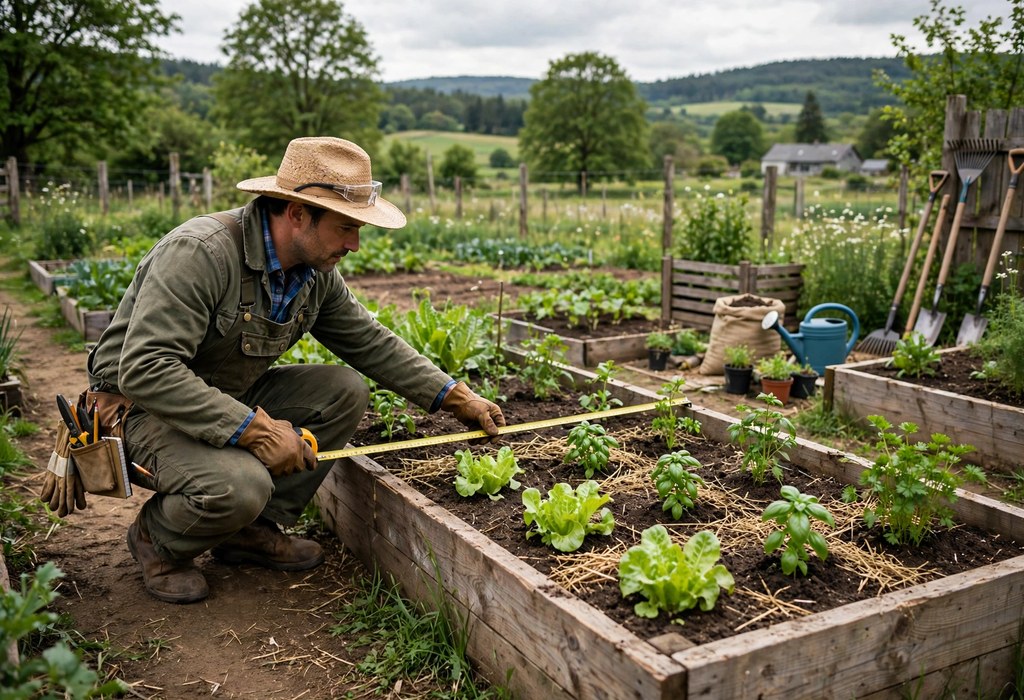
Measure your site first, then match bed width to your reach. Keep most beds four feet wide or narrower for easy access. Leave wide paths, plan plant spacing early, and sketch the layout. Plan garden bed size spacing before you build, since sizing comes first in how to start a garden bed.
Good planning prevents crowded plants and wasted growing space. Additionally, careful measurements help you buy the right amount of soil. Small errors at the start often create daily frustration later. Therefore, take time to measure before you dig or build.
This guide walks through width, length, depth, paths, and spacing. You will learn simple rules that suit small yards and larger plots. Finally, you will see common mistakes to avoid from the start.
Measure Your Site for Garden Bed Size Spacing
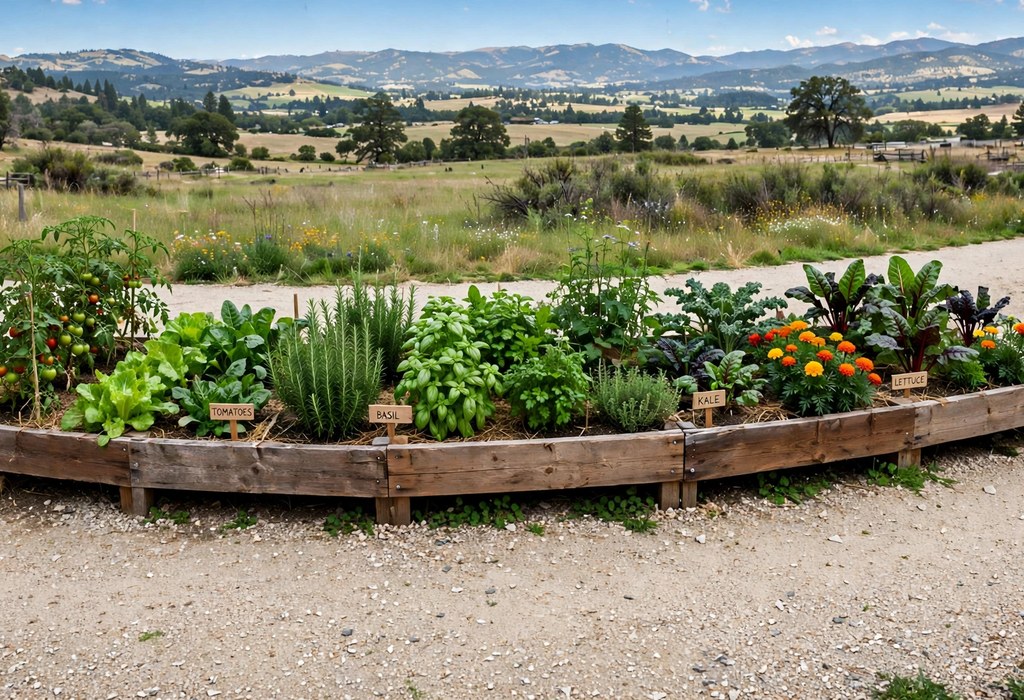
Start by walking the site at different times of day. Note sunny spots, shaded corners, slopes, and nearby water sources. Meanwhile, watch how foot traffic moves through the yard. These observations shape every later sizing decision.
Next, measure the full area with a long tape measure. Record length and width, then mark fixed obstacles on paper. Include fences, trees, sheds, gates, and hose bibs. Similarly, note low spots where water tends to collect.
Check sun exposure for at least six hours on growing beds. Most vegetables also grow best with strong direct sunlight each day. However, leafy greens tolerate partial shade better than fruiting crops. Therefore, place sun hungry crops in your brightest measured spots.
Choose Garden Bed Size Spacing for the Right Width
Bed width matters more than bed length for daily comfort. You should reach the center without stepping onto the soil. Stepping compacts soil, damages roots, and reduces healthy growth.
For beds open on both sides, keep width at four feet maximum. Many gardeners prefer three to four feet for comfortable reach. Additionally, shorter arms call for narrower beds and closer paths.
Against a fence or wall, limit width to two feet. One sided access makes the far edge hard to tend. Similarly, raised beds for seated gardeners work best when narrower. Test your reach before building, not after filling beds.
Children and shorter gardeners often need beds closer to three feet. Test reach while standing and kneeling to find your limit. Additionally, shared gardens benefit from consistent bed widths.
Set Garden Bed Size Spacing Length and Depth
Length offers more flexibility than width in most layouts. Common lengths run four, six, eight, or twelve feet. Shorter beds suit small yards and easier crop rotation. Meanwhile, longer beds reduce framing work per growing area.
However, very long beds can feel awkward to walk around. Add cross paths every eight to twelve feet when possible. These breaks improve access and shorten hauling distances.
Depth depends mainly on the crops you plan to grow. Shallow roots thrive in six to eight inches of soil. Tomatoes, peppers, and squash prefer twelve inches or more. Additionally, deep root crops need eighteen inches for straight growth.
Square beds also work well for small patios and corners. Four foot square beds suit herbs, salads, and compact crops. Similarly, L shaped beds can wrap neatly around seating areas.
Plan Garden Bed Size Spacing Paths and Access
Paths deserve the same planning attention as the beds themselves. Narrow paths quickly become muddy, cramped, and hard to use. Plan at least two feet for simple walking access between beds.
Allow three feet where wheelbarrows or carts will pass regularly. Before finalizing paths, review how to start a garden bed for layout basics. Additionally, wider main paths help two gardeners pass comfortably.
For wheelchair or walker access, widen paths to four feet. Firm, level surfaces also improve safety in wet weather. Meanwhile, keep gates at least as wide as main paths. This simple check prevents frustrating bottlenecks during harvest season.
Mark path edges clearly to stop soil spilling onto walkways. Mulch, gravel, or pavers keep paths firm and weed free. Finally, refresh path surfaces each season for safe footing.
Space Plants Within Garden Bed Size Spacing for Healthy Growth
Plant spacing controls light, airflow, and root room for every crop. Crowded plants compete for water and invite disease problems. Read seed packets first, then follow mature size guidance.
Measure spacing from center to center between neighboring plants. This on center method keeps rows even and predictable. Similarly, stagger rows slightly to fit more plants without crowding.
- Large crops: Give tomatoes and peppers generous room to spread.
- Leafy greens: Space lettuce and spinach six to twelve inches apart.
- Small roots: Sow carrots and radishes two to three inches apart.
- Vining crops: Train cucumbers and squash upward to save ground space.
When unsure, choose the wider spacing listed on packets. Extra room usually beats a crowded bed with weak plants. Additionally, thin seedlings early to protect the strongest plants.
Sketch Your Layout Before You Build
Draw your plan on graph paper before buying lumber or soil. Use one square for each foot of garden space. Then, mark beds, paths, gates, water points, and sunny zones.
Label each bed with planned crops and their mature sizes. This step reveals overlaps before plants compete for light. Similarly, tall crops should sit on the north side when possible. That placement reduces shade on shorter neighboring plants.
Test the sketch by walking the planned paths outdoors. Use string or hose lines to outline beds on the ground. Finally, adjust widths and paths until movement feels easy.
Avoid Common Sizing Mistakes
Many sizing problems come from rushing the planning stage. Oversized beds look productive, yet they hide unreachable centers. Meanwhile, undersized paths turn routine chores into daily struggles.
Ignoring mature plant size causes the most frequent crowding. Seedlings look small, but they expand quickly during warm weather. Therefore, trust spacing guidance over how empty beds first appear.
- Too wide: Keep beds within comfortable reach from every side.
- Too narrow paths: Leave room for kneeling, tools, and harvest baskets.
- Too deep: Match depth to crops instead of filling unnecessarily deep beds.
- No sketch: Draw the layout first to catch errors before building.
Frequently Asked Questions
How wide should a garden bed be?
Keep beds four feet wide or less for two sided access.
How much space should I leave between garden beds?
Leave two to three feet for walking and four feet for carts.
How deep should a garden bed be for vegetables?
Provide six to twelve inches for most vegetables and deeper soil for root crops.
How far apart should I space plants in a bed?
Follow mature size guidance and measure from center to center.
Can I make a garden bed longer than twelve feet?
Yes, but add cross paths to keep every section easy to reach.
Plan Carefully, Then Plant With Confidence
Careful measuring turns guesswork into a garden that works daily. Start with reach, paths, depth, and plant spacing in mind. Additionally, keep your sketch handy during planting season.
Measure your site this week and sketch your first layout. Then, choose bed sizes that fit your body and crops. Finally, build one well planned bed before expanding further.