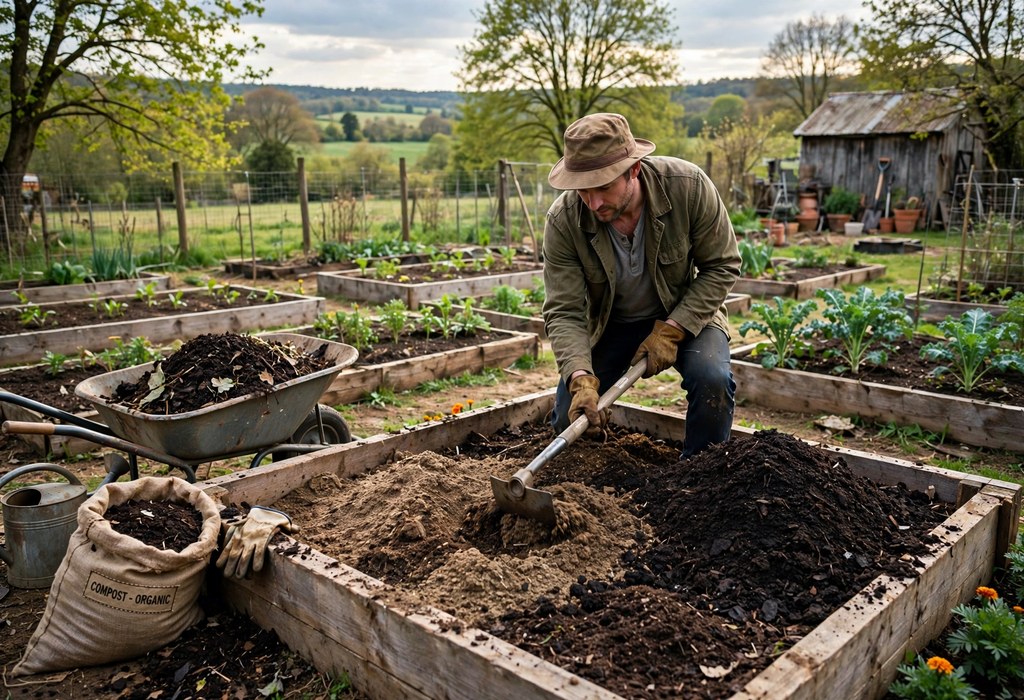
The best soil mix for garden beds blends topsoil, compost, and drainage material in balanced proportions. First, use roughly equal parts topsoil and compost for fertility, structure, and steady moisture. Then add perlite, vermiculite, or coir to keep the mix loose, airy, and well drained.
Getting the mix right makes learning how to start a garden bed easier. Additionally, good mixes feed roots slowly while they let excess water escape quickly. Therefore, rich soil alone rarely works well without air pockets and mineral structure. Finally, small ratio changes suit vegetables, flowers, and raised beds differently.
Meanwhile, gardeners often improve poor native soil rather than replace it completely. Similarly, a simple squeeze test reveals compaction, dryness, or excess moisture fast. Good soil should crumble gently after you squeeze it briefly in your hand.
What Makes the Best Soil Mix for Garden Beds
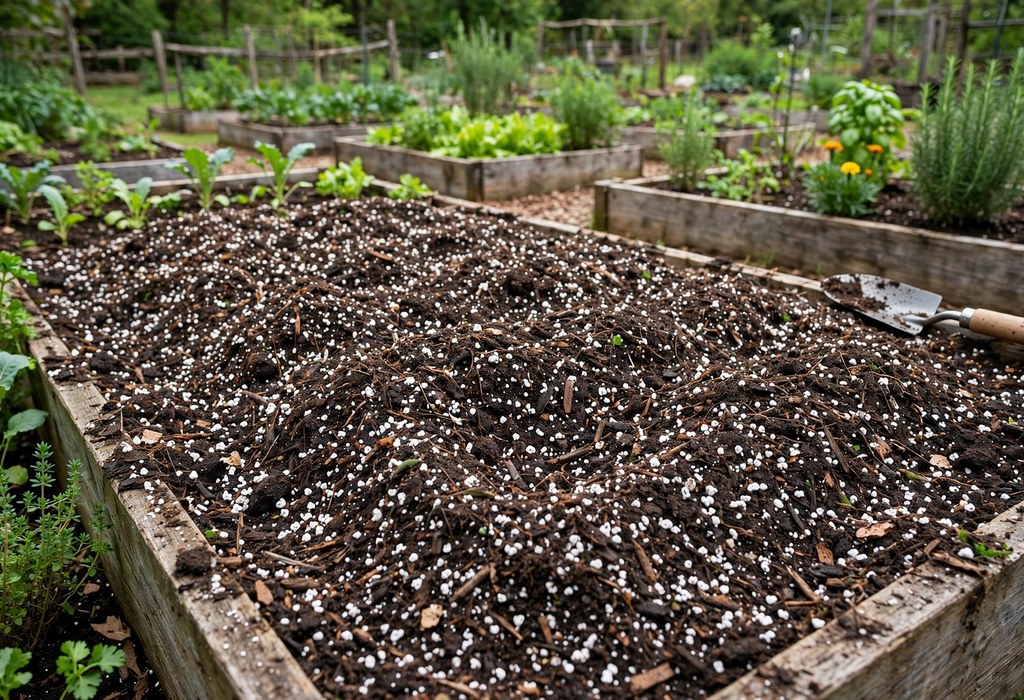
Good garden soil balances drainage, nutrients, air, and moisture in every handful. First, roots need oxygen between waterings, so dense soil quickly stunts growth. Then, steady nutrients support leaves, flowers, and fruit through the growing season. This guide covers the best soil mix garden beds for vegetables and flowers.
Additionally, organic matter feeds microbes that release nutrients slowly over time. Therefore, crumbly loam usually outperforms heavy clay or loose sand alone. Finally, most garden plants prefer slightly acidic to neutral soil for nutrient uptake.
- Topsoil: Provides mineral structure and weight for stable root anchorage.
- Compost: Supplies slow nutrients and boosts microbial activity in the mix.
- Drainage material: Creates air pockets and prevents soggy, compacted soil layers.
- Moisture holder: Holds water near roots without blocking air flow.
Best Soil Mix Garden Beds: Core Ingredients and What Each One Does
Topsoil and Loam
Topsoil forms the mineral base of most garden bed mixes. First, quality topsoil supplies silt, sand, and clay in workable proportions. Then, loam holds nutrients while it still drains freely after watering.
Compost and Aged Manure
Compost acts as the nutrient engine of a garden bed mix. First, mature compost releases nitrogen, phosphorus, and potassium slowly over weeks. Then, it improves structure in both sandy soil and heavy clay.
Additionally, compost supports worms and microbes that keep soil biology active. Therefore, dark, crumbly compost usually signals readiness better than fresh material. Finally, aged manure adds nutrients too, but fresh manure can burn tender roots.
Perlite, Vermiculite, Peat, and Coir
Perlite creates light air pockets that improve drainage and resist compaction. First, gardeners add perlite to heavy mixes that stay wet too long. Then, roots explore the loose mix more easily after each watering.
Additionally, vermiculite holds more water than perlite while it still aerates soil. Therefore, vermiculite suits mixes that dry quickly in sun or wind. Finally, choose perlite for wet beds and vermiculite for drier beds.
Classic Ratios for the Best Soil Mix Garden Beds
Classic ratios give gardeners a reliable starting point for most beds. First, measure ingredients by volume, not by weight, for consistent results. Then, adjust one ingredient at a time and observe plant response closely.
A general garden bed often uses about half topsoil and one third compost. Additionally, drainage material fills the remaining share for air and movement. Finally, this balance suits mixed beds with flowers, herbs, and light vegetables.
First, review how to start a garden bed before you measure ingredients for filling. Then, sketch bed dimensions and estimate volume before buying materials. Additionally, buy a little extra mix to allow for settling after watering.
A Mix for Vegetable Beds
Vegetable beds need richer fertility than most flower beds require. First, use roughly 60 percent topsoil, 30 percent compost, and 10 percent perlite. Then, add extra compost for heavy feeders such as tomatoes and squash.
Additionally, root crops prefer looser soil with more drainage material included. Therefore, reduce compost slightly for carrots, radishes, and beets. Finally, keep the surface loose so young roots expand without resistance.
A Mix for Flower Beds
Flower beds need steady moisture without constant sogginess around roots. First, use roughly half topsoil, one third compost, and the rest drainage material. Then, add coir or vermiculite when beds dry quickly in sun.
Additionally, annual flowers appreciate rich compost during their short growing season. Therefore, top dress flower beds with compost each season for renewed fertility. Finally, avoid excess nitrogen, since lush leaves can reduce blooming.
A Mix for Raised Beds
Raised beds drain faster than ground level beds, so mixes need more retention. First, many gardeners use equal thirds of compost, coir, and vermiculite. Then, this light mix warms quickly and supports intensive planting.
Additionally, some raised bed mixes use 60 percent topsoil with compost and perlite. Therefore, topsoil based mixes suit deeper beds and longer term plantings better. Finally, reserve the richest mix for the top layer where roots feed most.
How to Mix and Fill Beds With the Best Soil Mix
Mixing soil well matters as much as choosing the right ratio. First, spread ingredients on a tarp or in a wheelbarrow for easy turning. Then, blend layers thoroughly until color and texture look uniform throughout.
Additionally, moisten the mix lightly while you blend it together. Therefore, damp mix settles less after you fill the bed completely. Finally, water the filled bed gently and let it settle before planting.
- Measure: Calculate bed length, width, and depth before ordering materials.
- Mix: Turn ingredients several times until no separate pockets remain visible.
- Moisten: Spray water lightly during mixing to reduce dust and settling.
- Fill: Leave a small gap at the top for watering and mulch.
Mistakes to Avoid in the Best Soil Mix for Garden Beds
One common mistake involves filling beds with native soil alone. First, dense native soil compacts quickly and drains poorly after rain. Then, roots struggle for air, and plants show yellowing or stunted growth.
Additionally, pure compost alone can dry fast and lack mineral structure. Therefore, balance compost with topsoil and drainage material every time. Finally, avoid fresh manure, uncomposted wood, and contaminated soil sources.
- Too much compost: Creates soft soil that sinks and dries unevenly over time.
- No drainage material: Leaves roots wet, airless, and vulnerable to rot diseases.
- Skipping a soil test: Misses acidity or nutrient problems that limit plant growth.
Frequently Asked Questions
What is the best soil mix ratio for garden beds?
A reliable starting ratio uses roughly half topsoil, one third compost, and drainage material.
Can I use topsoil alone in a garden bed?
Topsoil alone often compacts, drains poorly, and lacks enough organic nutrition for plants.
How much compost should I add to garden soil?
First, aim for about one third compost in most mixes for steady fertility.
Should I use perlite or vermiculite in garden beds?
Use perlite for drainage in wet beds and vermiculite for retention in dry beds.
How often should I refresh garden bed soil?
Add a fresh compost layer each season to replace nutrients and organic matter.
Conclusion
The right soil mix gives plants air, nutrients, moisture, and room to grow. First, start with topsoil and compost, then adjust drainage for your plants. Additionally, test texture and drainage before planting for best results.
Now mix a small batch, check how it crumbles, and adjust ratios confidently. Finally, fill your bed, plant generously, and enjoy stronger growth all season long.