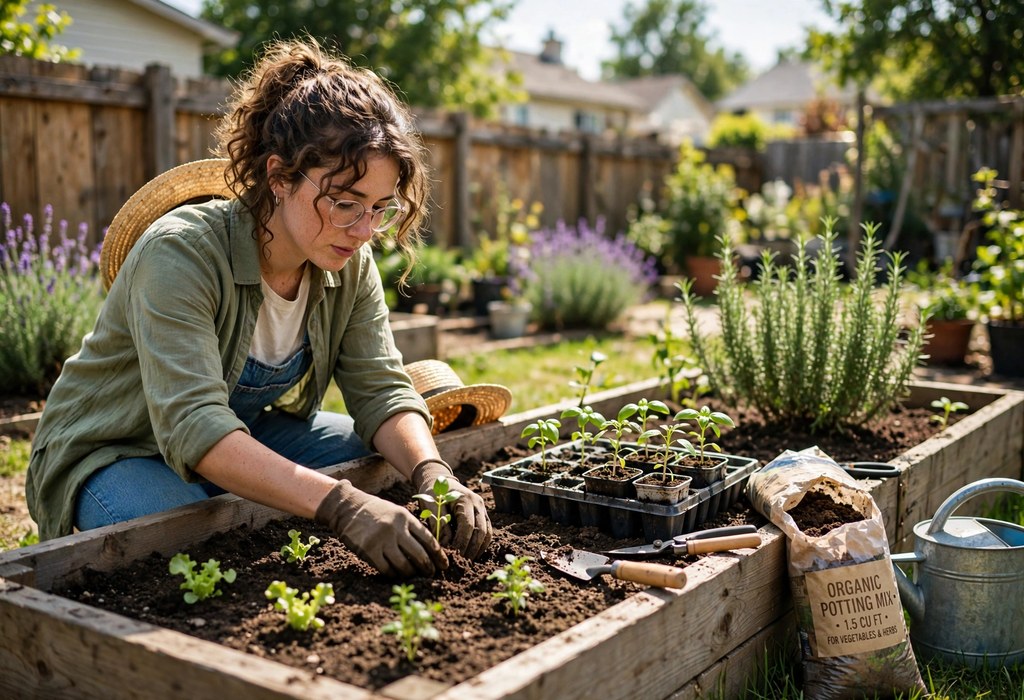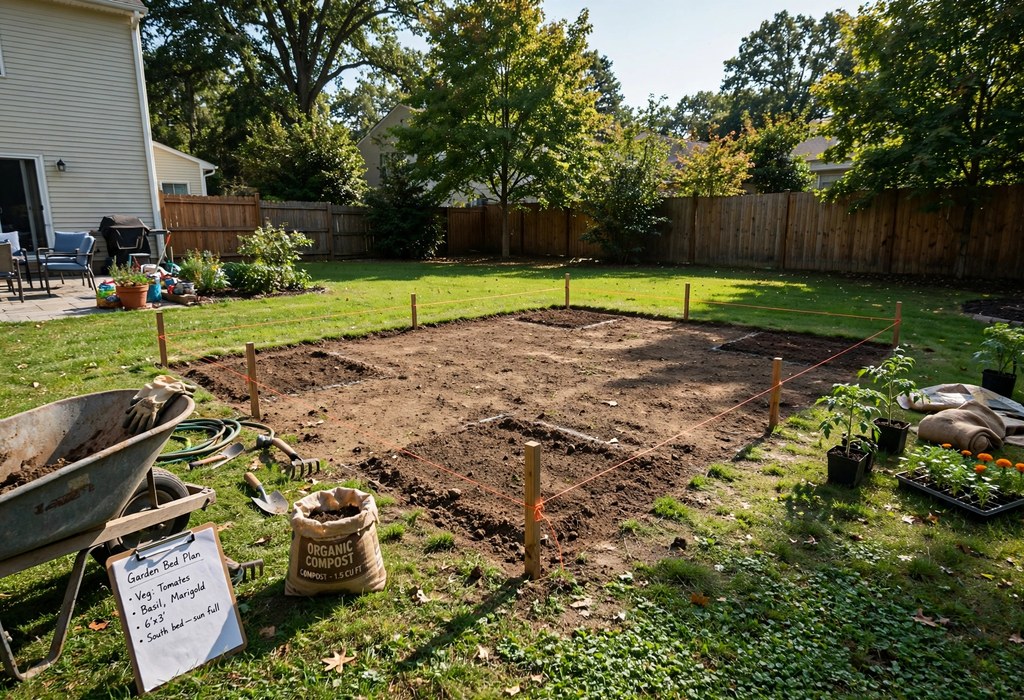
Choose a level spot with six to eight hours of direct sun daily. Additionally, pick ground that drains well and sits near water access. Finally, keep the bed close to a path for easy daily care. Choose garden bed location carefully, since it is the first decision when you learn how to start a garden bed.
First, walk your yard at morning, midday, and late afternoon. Then note where sun, shade, and puddles appear through the day. This simple check reveals patterns that a quick glance often misses. Therefore, you can compare spots with facts instead of guesswork.
Similarly, watch how trees, fences, and walls shift shade across seasons. A sunny spring corner can turn shady once leaves fully open. So plan for summer growth, not only for bare spring branches.
Map Sunlight to Choose Garden Bed Location
Sunlight drives growth, flavor, and steady harvests for most garden plants. Most vegetables need six to eight hours of direct sun each day. However, leafy greens can thrive with less sun than fruiting plants. Meanwhile, morning sun often suits hot climates better than harsh afternoon sun.
Mark sunny patches with stakes, chalk, or small flags during your walk. Then revisit those marks after a few hours to track shifting light. Additionally, repeat the check on a cloudy day for a realistic view. This record helps you place sun loving crops in the brightest zone.
Check Drainage at Your Garden Bed Location
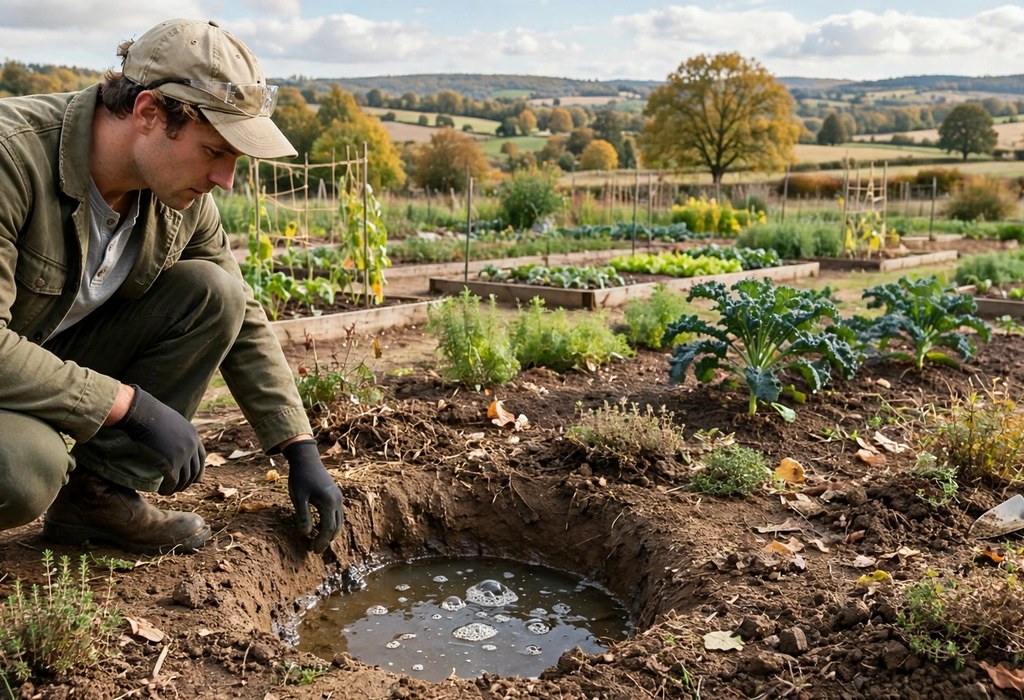
Good drainage protects roots from rot after heavy rain or watering. First, avoid low spots where water pools and stays for hours. Then dig a small test hole and fill it with water. Watch how fast the water sinks into the surrounding soil.
Ideally, water should drain within a few hours, not days. However, slow drainage signals heavy soil or a low lying area. In that case, choose higher ground or plan a taller bed.
Read Slope, Wind, and Shade at the Garden Bed Location
Level ground spreads water evenly and keeps beds stable through storms. A gentle slope can still work when you terrace it into flat steps. However, steep slopes invite erosion and uneven watering across beds. Therefore, level each bed carefully before you add soil.
Next, notice wind direction on breezy days around your yard. Strong wind dries soil fast and can snap tender young stems. A fence, hedge, or trellis can slow gusts without blocking sun. Similarly, keep beds clear of masonry walls that reflect harsh heat.
Understand Trees, Roots, and Seasonal Shade
Trees add beauty, but their roots compete fiercely for water. First, stay outside the drip line where branches end overhead. Roots often spread far beyond that visible canopy edge. Additionally, young trees will cast wider shade as they mature.
Observe fences, sheds, and walls through morning and afternoon light. Then map where shadows fall in each season if possible. A winter sun path differs sharply from a summer sun path. Therefore, save the sunniest zone for crops that need full sun.
Plan Access, Paths, and Water for the Garden Bed Location
Place beds where you can reach every side without stepping inside. Before you build, read how to start a garden bed and plan the layout around daily care. Then leave paths wide enough for a wheelbarrow and comfortable kneeling. Finally, keep tools, compost, and supplies within a short walk.
Water access shapes how often you can water during dry spells. First, choose a spot within easy hose reach from a spigot. Hauling heavy cans across a yard quickly turns watering into drudgery. Additionally, plan a sheltered spot for timers or hoses near beds.
Match the Spot to Your Plants
Different plants need different light, so match zones to crops. Place tomatoes, peppers, squash, and beans in full sun zones. Meanwhile, grow lettuce, spinach, and herbs in partial shade zones. This zoning boosts yields without forcing shade lovers into harsh sun.
Consider plant height when you arrange beds near walls or fences. First, put tall crops on the north side of each bed. Then shorter plants receive sun all day without tall shade. Similarly, face long beds north to south for even light.
Avoid Common Garden Bed Location Mistakes
Many garden failures start with location, not with plant choice. First, avoid spots near septic lines, buried utilities, or easements. Check local rules and call before you dig in uncertain ground.
- Low ground: Choose higher ground where rain drains away quickly.
- Tree shade: Avoid drip lines where roots and shade increase yearly.
- Hidden utilities: Check for buried lines before you break ground.
- Distant water: Keep beds within easy hose reach for dry weeks.
Also avoid narrow side yards that trap shade and limit airflow. However, a small sunny patio edge can suit herbs and greens. Finally, test two finalist spots before you commit to one.
Test Your Top Two Spots to Choose Garden Bed Location
Shortlist two spots after your sun and drainage checks. Then spend a few days watching light, wind, and puddles there. Additionally, note foot traffic, pets, and nearby play areas.
Place a chair or marker where each bed would sit. First, imagine watering, weeding, and harvesting from that spot. Then ask whether the route feels easy on tired days. Therefore, choose the spot you will visit happily each day.
Plan for Seasons and Future Growth
A garden bed stays in place for seasons, so think ahead. First, consider how nearby shrubs will grow and spread shade. Then leave room for paths, compost, and future beds nearby.
Seasonal sun shifts can change a good spot over months. Meanwhile, winter light stays lower and shadows stretch longer. So check sun paths in different seasons when you can. Finally, favor spots that stay useful across spring and summer.
Use Simple Tools to Confirm the Choice
You need no fancy gear to confirm a promising garden location. First, use a phone compass to track sun direction through day. Then sketch a simple yard map with sun and shade zones. This sketch becomes a handy reference for future planting plans.
Additionally, photograph each candidate spot at different times daily. Compare those photos side by side before you choose finally. Together, maps and photos reveal patterns that memory often misses.
Frequently Asked Questions
How much sun does a garden bed need?
Most garden beds need six to eight hours of direct sun daily.
Can I place a garden bed on a slope?
Yes, terrace gentle slopes into level steps for even watering.
How do I test drainage before choosing a spot?
Dig a small hole, fill it with water, and watch drainage speed.
How far should a garden bed sit from trees?
Stay outside the drip line to limit root competition and shade.
What if my yard has only partial shade?
Grow leafy greens and herbs that tolerate partial shade well.
Conclusion
The best location balances sun, drainage, access, and future growth. First, map sunlight and test drainage before you commit anywhere. Then choose the spot that makes daily care simple and enjoyable.
Walk your yard today and mark your sunniest, best drained corner. Finally, start with one well placed bed and expand from success.