San Francisco welcomes music lovers back to Golden Gate Park this September. Flower Piano 2026 turns the San Francisco Botanical Garden into an open-air concert hall filled with pianos, greenery, and spontaneous performances. The event runs from September 10 to September 20, 2026. Visitors of every age can walk through the garden paths and stumble upon a piano waiting to be played. This guide covers dates, locations, tickets, schedule details, and practical tips so you can plan a smooth visit.
What Is Flower Piano
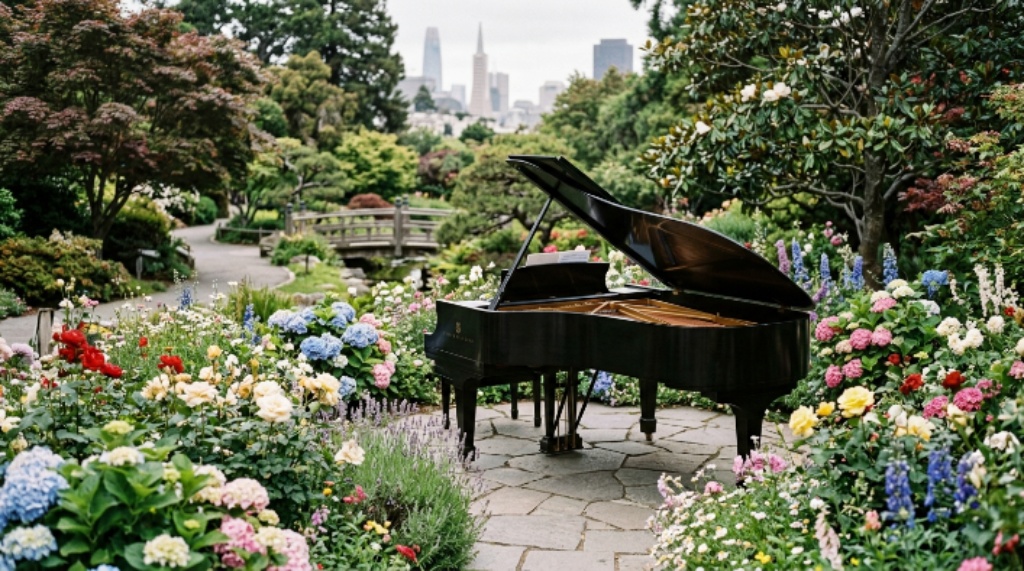
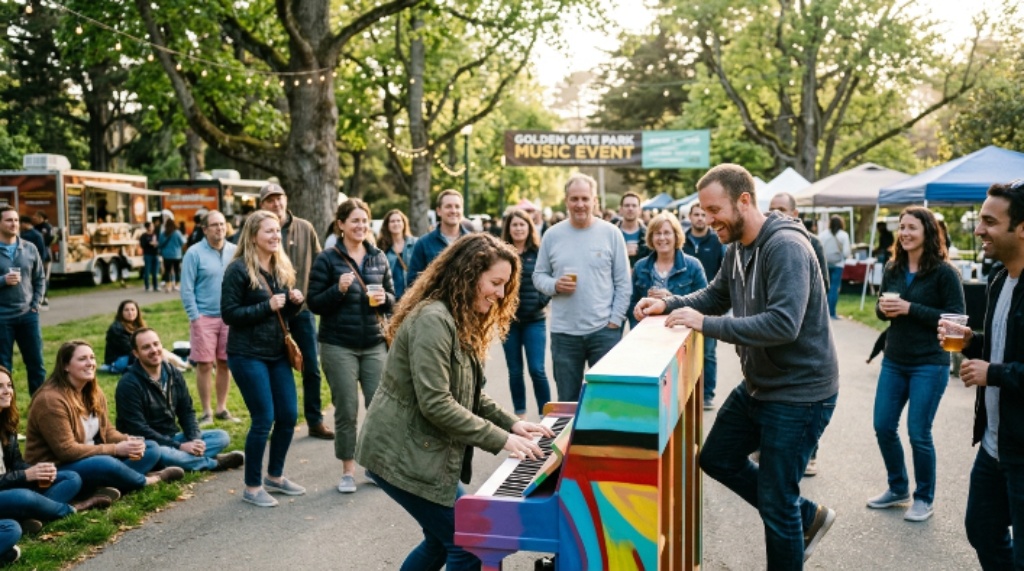
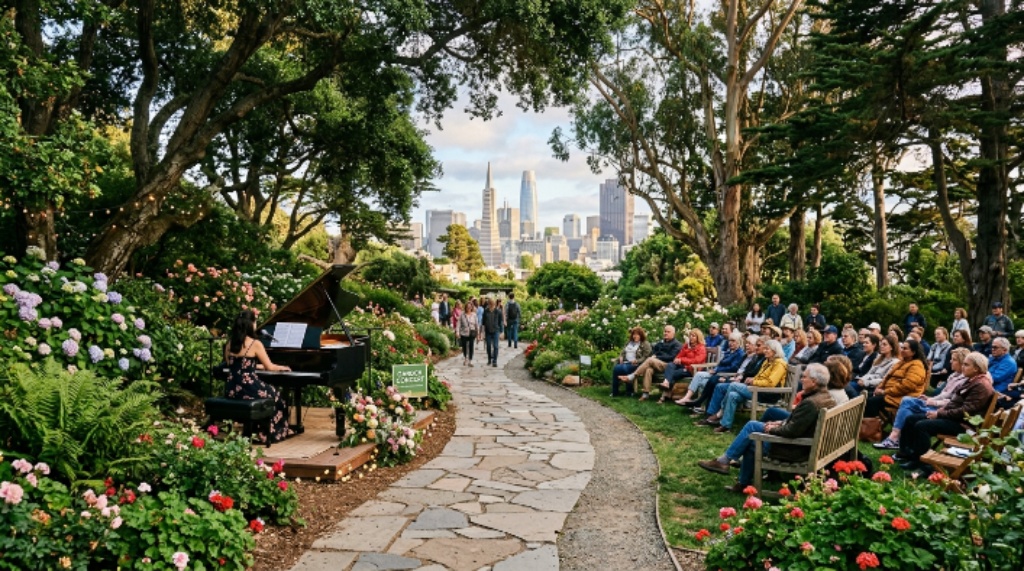
Flower Piano began in 2016 as a simple idea. Place several pianos throughout a botanical garden and let anyone sit down and play. The concept grew into one of the city’s most beloved seasonal traditions. Today, a dozen pianos sit tucked among trees, ponds, and flower beds. Professional musicians perform scheduled sets, while free-play hours give amateurs and curious visitors a chance to try the keys themselves. The result feels part concert, part nature walk, and part community gathering.
Unlike a typical concert hall, there is no single stage. Instead, music drifts from multiple directions at once. Guests might hear a jazz improvisation near the pond, a classical piece under a magnolia tree, and a child picking out a simple tune nearby. This mix of skill levels and styles is part of the charm.
Flower Piano 2026 Dates and Schedule
The eleven-day event stretches across two weekends and the days in between. Weekdays tend to feature quieter free-play sessions, while weekends bring a fuller lineup of professional performers. Early mornings are calmer, and evenings often draw the largest crowds, especially near sunset.
| Day Type | Typical Hours | What to Expect |
| Weekdays (Sept 10, 11, 14–18) | 9:00 AM to 6:00 PM | Lighter crowds, more open piano time |
| Weekends (Sept 12–13, 19–20) | 9:00 AM to 7:00 PM | Featured performers, larger audiences |
| Free-Play Hours | Daily, various blocks | Anyone can sit down and play |
| Scheduled Performances | Daily, midday and afternoon | Professional and guest musicians |
Because exact performer lineups and hourly slots can shift closer to the event, it is worth checking the San Francisco Botanical Garden website a few weeks before your visit. Additionally, sign-up sheets for open piano slots are often available on-site each morning.
Location and How to Get There
Flower Piano takes place at the San Francisco Botanical Garden inside Golden Gate Park. The garden spans fifty-five acres and holds thousands of plant species from around the world, so the pianos are spread across a large and varied landscape. Expect to walk a fair distance between instruments, therefore comfortable shoes are recommended.
The main entrance sits near Ninth Avenue and Lincoln Way, close to the Music Concourse and other Golden Gate Park attractions.
| Travel Method | Details |
| Public transit | Muni N-Judah line stops near Ninth Avenue and Irving Street |
| Bus | Several Muni bus routes serve the park’s eastern side |
| Driving | Limited street parking; nearby garages fill quickly on weekends |
| Biking | Golden Gate Park offers dedicated bike paths |
| Rideshare | Drop-off near the Ninth Avenue garden entrance is convenient |
Parking near the garden can be scarce, especially on weekend afternoons. As a result, many locals choose transit or biking instead of driving. If you do drive, arriving before 10:00 AM improves your chances of finding a spot nearby.
Tickets and Pricing
Flower Piano typically requires garden admission, and prices vary by age group and residency status. Members of the San Francisco Botanical Garden usually receive free or discounted entry. Children under a certain age often enter free as well.
| Ticket Type | Approximate Price | Notes |
| Adult (non-resident) | $12–$15 | Standard daytime admission |
| Adult (San Francisco resident) | $8–$10 | Valid ID may be required |
| Senior / Student | $8–$10 | Discount with valid ID |
| Youth (ages 5–17) | $4–$6 | Reduced rate |
| Children under 5 | Free | No ticket needed |
| Garden members | Free | Membership card required at entry |
Prices above are approximate and based on typical Botanical Garden admission structures. Because ticket costs can change from year to year, it is best to confirm exact pricing on the official garden website before your visit. Buying tickets online in advance is recommended, particularly for weekend dates, since lines at the gate can grow long during peak hours.
Daily Schedule Highlights
Each day at Flower Piano follows a loose rhythm rather than a strict timetable. Mornings usually open with free-play sessions, allowing early visitors to enjoy quieter paths and shorter waits at each piano. By midday, scheduled performers take over several instruments while free play continues at others.
A typical day might look like this:
- Morning: Gates open, gardens are calm, and free play begins at select pianos.
- Midday: Scheduled sets from local musicians, students, and guest artists.
- Afternoon: Peak crowds arrive, and most pianos are active with either performances or open play.
- Evening: Golden hour light over the garden, with the final performances of the day.
Some pianos are reserved entirely for scheduled acts, while others remain open for anyone who wants to play. Signs near each piano usually indicate which type it is. If you plan to perform, arriving early to sign up increases your chances of getting a slot during a less crowded window.
Genres vary widely throughout the event. Classical, jazz, pop, and even video game soundtracks have all made appearances in past years. This variety keeps the atmosphere fresh as you move from one piano to the next.
Tips for a Great Visit
A little planning goes a long way at an outdoor event of this size. Consider the following before you head out:
- Wear comfortable shoes, since the garden covers a large area with uneven paths.
- Bring a light jacket, because San Francisco mornings and evenings can turn cool even in September.
- Arrive early on weekends to avoid the biggest crowds and longer entry lines.
- Bring a picnic blanket if you want to sit and listen near a favorite piano.
- Check the weather forecast, as fog is common near Golden Gate Park.
- Bring cash or a card for food vendors, if any are present that day.
- Charge your phone in advance for photos and event updates.
Photography is generally welcome throughout the garden, so feel free to capture the pianos nestled among the plants. However, be mindful of performers during scheduled sets and avoid blocking pathways for other guests.
Accessibility and Family Information
The San Francisco Botanical Garden offers paved paths through much of its grounds, which makes many areas accessible for strollers and wheelchairs. Some sections, however, include gravel paths or slight inclines, so visitors with mobility needs may want to plan routes in advance using the garden map available at the entrance.
Families often find Flower Piano especially appealing. Children can freely approach many of the pianos during open-play hours, and the spacious lawns give kids room to move around between performances. Restrooms and shaded seating areas are located throughout the garden, which helps with longer visits.
Pets are typically not allowed inside the Botanical Garden, aside from service animals, so plan accordingly if you usually bring a dog on park outings.
Food and Amenities Nearby
While the garden itself may offer limited refreshments during the event, the surrounding Golden Gate Park and nearby Inner Sunset neighborhood provide plenty of options. Cafes, bakeries, and casual restaurants line Ninth Avenue just outside the park entrance. Packing a small snack or water bottle is still a good idea, especially if you plan to spend several hours exploring.
Benches and open lawn areas throughout the garden make convenient spots for a rest or a light picnic between piano stops.
Why Flower Piano Continues to Draw Crowds
Few events combine nature and live music in such an unscripted way. There is no assigned seating and no single stage to face. Instead, visitors wander at their own pace, discovering music the same way they discover a new flower bed or quiet pond. This freedom, combined with the beauty of the botanical setting, explains why the event has grown from a modest experiment into an annual tradition that draws thousands of visitors each year.
Local musicians also value the event as a low-pressure stage. Amateur players get to perform in front of a supportive audience, while professionals enjoy a relaxed outdoor setting that differs from a typical concert hall. This blend of skill levels adds warmth to the entire experience.
Conclusion
Flower Piano 2026 offers eleven days of music, nature, and community inside one of San Francisco’s most scenic gardens. Running from September 10 to September 20, the event blends scheduled performances with open free-play sessions, giving visitors of all ages and skill levels a chance to take part. Tickets follow standard Botanical Garden admission pricing, and getting there is easiest by transit or bike due to limited parking. With comfortable shoes, a light jacket, and a bit of planning around weekend crowds, visitors can enjoy a relaxed day wandering between a dozen pianos scattered across fifty-five acres of Golden Gate Park. Whether you come to listen, to play, or simply to stroll through the gardens, Flower Piano remains one of the city’s most charming fall traditions.
Frequently Asked Questions
What are the exact dates for Flower Piano 2026?
The event runs from September 10 to September 20, 2026, at the San Francisco Botanical Garden in Golden Gate Park.
Do I need to buy a separate ticket for Flower Piano?
Standard Botanical Garden admission usually applies. San Francisco residents, seniors, students, and young children often receive discounted or free entry.
Can anyone play the pianos, or only professional musicians?
Both. Scheduled sets feature professional and guest performers, while free-play hours allow any visitor to sit down and play.
Is Flower Piano suitable for young children?
Yes. The open lawns, paved paths, and welcoming atmosphere make it a popular choice for families with kids of various ages.
What is the best time to visit to avoid crowds?
Weekday mornings tend to be quieter, while weekend afternoons and evenings usually draw the largest crowds.