Imagine a garden where vibrant blooms cascade over trellises year-round, weaving a tapestry of color and fragrance that never fades. Evergreen wisteria, a lesser-known gem in the world of climbing plants, offers exactly that—a stunning, low-maintenance vine that brings elegance and charm to any outdoor space. Unlike its deciduous cousin, evergreen wisteria retains its lush foliage through all seasons, making it a perfect choice for gardeners seeking beauty and resilience. In this comprehensive guide, we’ll explore everything you need to know about evergreen wisteria, from its unique characteristics and growing requirements to expert tips for incorporating it into your landscape.
What Is Evergreen Wisteria?
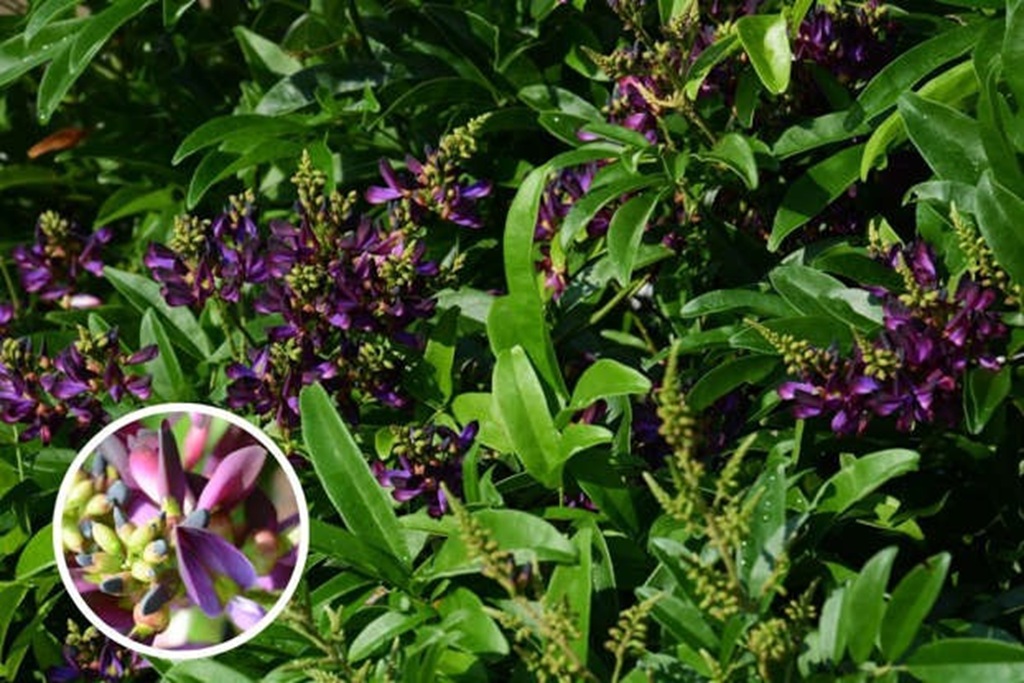
Evergreen wisteria, scientifically known as Millettia reticulata or Wisteriopsis reticulata, is a perennial climbing vine native to East Asia, particularly China and Japan. Despite its name, it’s not a true wisteria (genus Wisteria) but belongs to the legume family, Fabaceae. This vigorous climber is prized for its glossy, dark green leaves and clusters of vibrant, pea-like flowers that bloom in shades of purple, red, or pink, typically from summer to early fall. Unlike traditional wisteria, which sheds its leaves in winter, evergreen wisteria maintains its foliage, offering year-round greenery.
This plant’s versatility makes it a favorite for covering pergolas, arbors, fences, or even walls. Its ability to thrive in various climates and its relatively low maintenance needs further enhance its appeal for both novice and seasoned gardeners.
Key Characteristics of Evergreen Wisteria
- Foliage: Glossy, dark green leaves that remain vibrant year-round.
- Flowers: Fragrant, pea-like blooms in purple, red, or pink, appearing in late summer to early fall.
- Growth Habit: Fast-growing, twining vine that can reach 15–30 feet in length.
- Hardiness: Thrives in USDA zones 7–10, tolerating a range of climates.
- Uses: Ideal for trellises, arbors, fences, or as a ground cover.
Why Choose Evergreen Wisteria for Your Garden?

Evergreen wisteria stands out as a landscaping favorite for several reasons. Its year-round foliage ensures your garden remains lush even in cooler months, while its vibrant blooms add a pop of color during the growing season. Here are some compelling reasons to consider this plant:
Year-Round Beauty
Unlike deciduous wisteria, which loses its leaves in winter, evergreen wisteria provides consistent greenery. This makes it an excellent choice for creating privacy screens or adding structure to your garden during the off-season.
Low Maintenance
Evergreen wisteria is relatively easy to care for, requiring minimal pruning and upkeep once established. Its resilience to pests and diseases further reduces the need for constant monitoring.
Versatility in Landscaping
Whether you’re looking to cover a pergola, create a living wall, or add vertical interest to a small garden, evergreen wisteria adapts to various design needs. Its twining growth habit allows it to climb structures with ease, making it a go-to for vertical gardening.
Fragrant Blooms
The flowers of evergreen wisteria not only dazzle the eyes but also delight the senses with their sweet fragrance. These blooms attract pollinators like bees and butterflies, supporting local ecosystems.
How to Grow Evergreen Wisteria
Growing evergreen wisteria is straightforward, but understanding its needs ensures optimal growth and blooming. Below, we outline the key requirements for cultivating this stunning vine.
-
Choosing the Right Location
Evergreen wisteria thrives in full sun to partial shade, with at least 4–6 hours of direct sunlight daily. A south- or west-facing spot is ideal for maximizing flower production. Ensure the location has good air circulation to prevent fungal issues.
-
Soil Requirements
This vine prefers well-draining, fertile soil with a slightly acidic to neutral pH (6.0–7.0). Amend heavy clay or sandy soils with organic matter, such as compost or aged manure, to improve drainage and nutrient content.
-
Planting Evergreen Wisteria
- When to Plant: Spring or early fall is the best time to plant evergreen wisteria, allowing the roots to establish before extreme weather.
- How to Plant: Dig a hole twice as wide and as deep as the root ball. Place the plant in the hole, backfill with soil, and water thoroughly. Space multiple plants 6–10 feet apart to accommodate their vigorous growth.
- Support Structure: Provide a sturdy trellis, arbor, or fence for the vine to climb. Evergreen wisteria’s twining habit requires a strong support system to prevent damage.
-
Watering and Fertilizing
- Watering: Keep the soil consistently moist but not waterlogged during the first year. Once established, evergreen wisteria is drought-tolerant but benefits from occasional deep watering during dry spells.
- Fertilizing: Apply a balanced, slow-release fertilizer (e.g., 10-10-10) in early spring to encourage healthy growth and blooming. Avoid over-fertilizing, as excess nitrogen can lead to lush foliage at the expense of flowers.
-
Pruning and Maintenance
Pruning is essential to control evergreen wisteria’s vigorous growth and encourage blooming. Prune in late winter or early spring to remove dead or damaged growth and shape the vine. After flowering, trim back new growth to maintain the desired size and shape. Regular pruning also prevents the vine from becoming invasive.
-
Pest and Disease Management
Evergreen wisteria is generally pest-resistant but may occasionally attract aphids or spider mites. Treat infestations with insecticidal soap or neem oil. Ensure proper air circulation and avoid overwatering to prevent fungal diseases like powdery mildew.
Designing with Evergreen Wisteria
Evergreen wisteria’s versatility makes it a fantastic addition to various garden styles, from cottage gardens to modern landscapes. Here are some creative ways to incorporate it:
Create a Romantic Pergola
Drape evergreen wisteria over a pergola to create a shaded, romantic seating area. The cascading blooms and lush foliage transform outdoor spaces into inviting retreats.
Build a Living Privacy Screen
Use evergreen wisteria to cover a fence or trellis, creating a natural privacy screen that blocks unsightly views while adding beauty to your yard.
Add Vertical Interest to Small Spaces
In compact gardens, train evergreen wisteria up a wall or narrow trellis to maximize vertical space. This approach adds height and drama without sacrificing ground space.
Pair with Complementary Plants
Combine evergreen wisteria with other climbers like clematis or roses for a multi-season display. Underplant with shade-tolerant perennials like hostas or ferns to create a lush, layered look.
Common Challenges and Solutions
While evergreen wisteria is relatively easy to grow, gardeners may encounter a few challenges. Here’s how to address them:
- Non-Flowering Vines: If your wisteria isn’t blooming, it may be due to insufficient sunlight, over-fertilization, or improper pruning. Ensure the plant receives adequate sun, reduce nitrogen-heavy fertilizers, and prune correctly to encourage flower buds.
- Invasive Growth: Evergreen wisteria can become aggressive if not managed. Regular pruning and monitoring prevent it from overtaking other plants or structures.
- Cold Sensitivity: In cooler climates (below USDA zone 7), protect the roots with mulch during winter to prevent frost damage.
Read More Also: Edging vs. Trenching: Unearthing the Differences for a Perfect Landscape
Evergreen Wisteria vs. Deciduous Wisteria
While both evergreen and deciduous wisteria are stunning climbers, they serve different purposes in the garden. Evergreen wisteria offers year-round foliage and a more compact growth habit, making it ideal for smaller spaces or regions with mild winters. Deciduous wisteria, on the other hand, produces larger, more dramatic flower clusters but loses its leaves seasonally, which may leave your garden bare in winter. Choose evergreen wisteria for consistent greenery and easier maintenance, or opt for deciduous varieties for show-stopping blooms.
Environmental Benefits of Evergreen Wisteria
Beyond its aesthetic appeal, evergreen wisteria contributes to a healthier garden ecosystem. Its flowers attract pollinators, supporting biodiversity, while its dense foliage provides habitat for small birds. The vine’s ability to cover structures can also reduce heat absorption in urban areas, contributing to cooler microclimates.
Where to Buy Evergreen Wisteria
Evergreen wisteria is available at many nurseries, garden centers, and online retailers. Look for reputable suppliers that offer healthy, well-rooted plants. When purchasing, check the plant’s hardiness zone compatibility and ensure it’s labeled as Millettia reticulata or Wisteriopsis reticulata to avoid confusion with deciduous wisteria varieties.
Read More Also: How Deep Do Lavender Roots Grow: A Comprehensive Guide
Conclusion: Transform Your Garden with Evergreen Wisteria
Evergreen wisteria is a game-changer for gardeners seeking a vibrant, low-maintenance vine that delivers year-round beauty. Its lush foliage, fragrant blooms, and versatile growth habit make it a standout choice for pergolas, fences, and vertical gardens. By understanding its growing requirements and incorporating it thoughtfully into your landscape, you can create a stunning outdoor space that captivates in every season.
Ready to elevate your garden? Start by sourcing a healthy evergreen wisteria plant from a trusted nursery and experiment with creative design ideas to make it the centerpiece of your outdoor oasis. Share your gardening journey in the comments below, or reach out to local gardening communities for inspiration and tips!