Few plants conjure such delightful imagery as the “chocolate mint plant.” The very name evokes a fusion of rich, indulgent cocoa and crisp, refreshing mint – a combination that has tantalized taste buds for centuries. But this isn’t just a whimsical name; Mentha x piperita f. citrata ‘Chocolate’ truly delivers on its promise, offering a unique sensory experience that makes it a must-have for any herb enthusiast, gardener, or culinary adventurer. Embracing the magic of the chocolate mint plant means discovering not only its enchanting flavor but also its versatility in both the garden and the kitchen.
This article delves deep into the world of chocolate mint, exploring its origins, cultivation, myriad uses, and how to harness its full potential in your garden and kitchen. Prepare to be enchanted by this versatile herb that’s far more than just a novelty.
The Allure of Chocolate Mint: A Botanical Marvel
While the name might suggest a genetically engineered confectionery marvel, the chocolate mint plant is a naturally occurring hybrid, a cultivar of the classic peppermint (Mentha x piperita), which itself is a cross between watermint (Mentha aquatica) and spearmint (Mentha spicata). The “chocolate” in its name refers to the subtle, earthy undertones in its aroma and flavor, reminiscent of cocoa, especially when the leaves are bruised or warmed. This distinct characteristic sets it apart from other mint varieties, offering a complex and intriguing profile that is both invigorating and comforting.
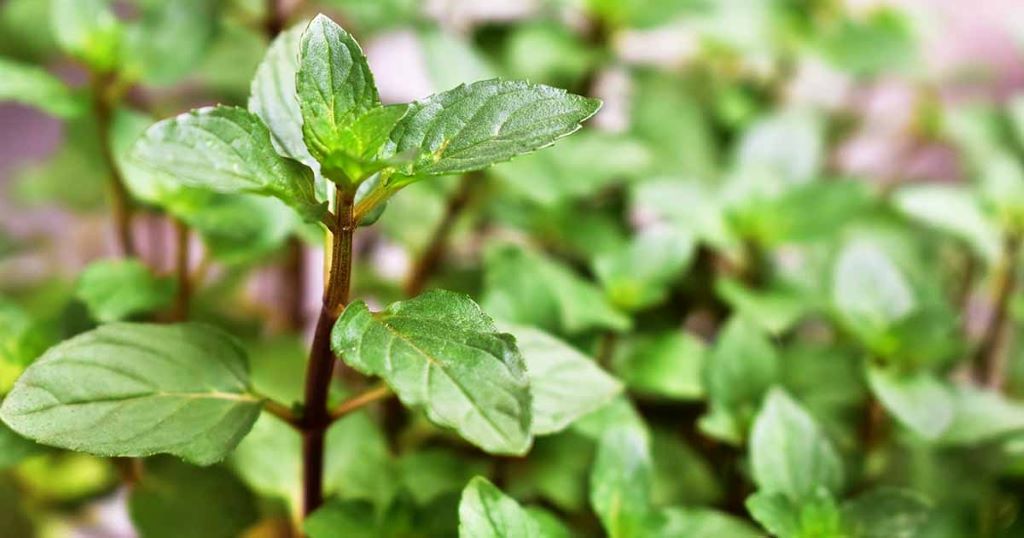
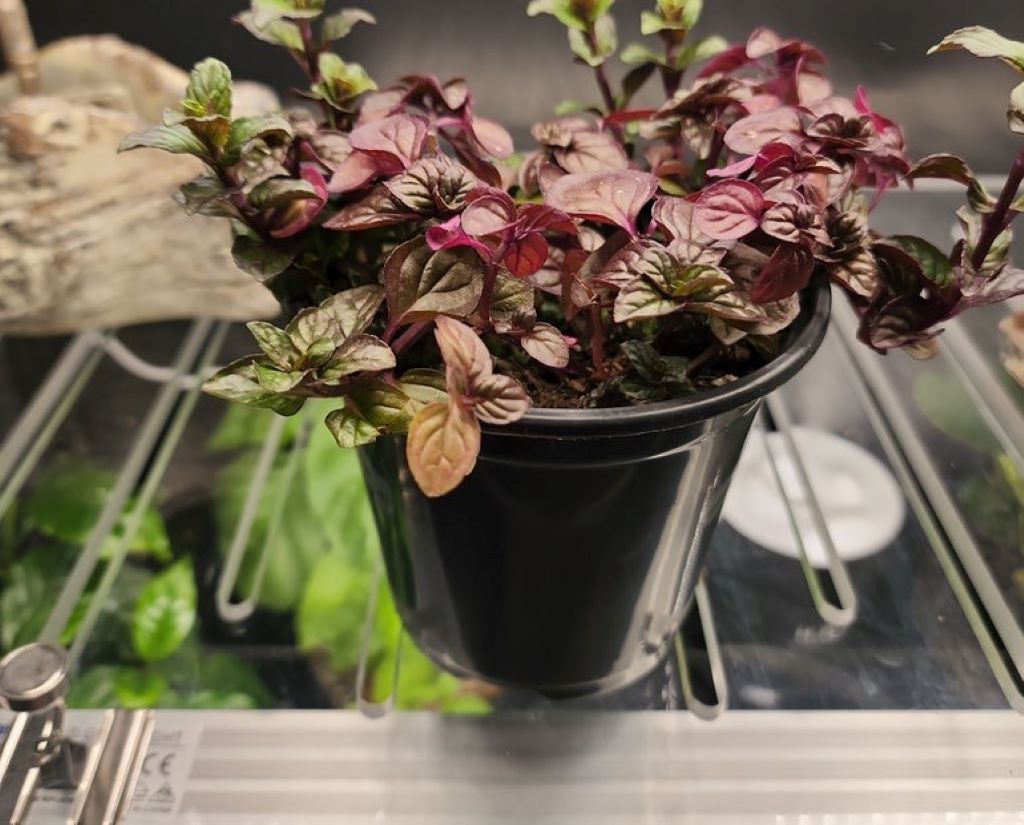
Visually, chocolate mint is a charmer. Its deep green, serrated leaves often feature attractive purplish stems, adding an ornamental touch to any garden space. In mid-summer, delicate lavender flowers emerge, attracting beneficial pollinators like bees and butterflies, further enhancing its garden appeal.
Growing Your Own Chocolate Mint: A Gardener’s Delight (with a Warning!)
One of the most appealing aspects of chocolate mint is its ease of cultivation. Like most mints, it’s a vigorous grower, often bordering on the aggressive. This means it thrives with minimal fuss but also requires thoughtful placement to prevent it from taking over your entire garden.
Sunlight Requirements: Chocolate mint prefers full sun to partial shade. Aim for at least 4-6 hours of direct sunlight daily for optimal growth and flavor development. In hotter climates, a little afternoon shade can prevent scorching and maintain leaf vibrancy. If growing indoors, a bright, south-facing window is ideal.
Soil Preferences: This herb thrives in well-drained, fertile soil rich in organic matter. A slightly acidic to neutral pH (6.0 to 7.0) is generally preferred. While adaptable, avoid waterlogged conditions, as this can lead to root rot. Amending your soil with compost before planting will give your chocolate mint a fantastic start.
Watering Wisdom: Consistency is key when it comes to watering. Keep the soil consistently moist but never soggy. Water thoroughly when the top inch of soil feels dry to the touch. Container-grown plants will likely require more frequent watering, especially during warm, dry spells.
Container Culture is Your Friend: Given its enthusiastic spreading habit via rhizomes (underground stems), planting chocolate mint directly in the ground often leads to it becoming invasive, crowding out less vigorous plants. The best solution? Containers! A large pot (at least 6-8 inches in diameter) with good drainage is your best friend. You can also sink a bottomless bucket into the ground, ensuring the rim is above the soil line to contain its spread. This allows you to enjoy its beauty and flavor without it becoming a garden bully.
Propagation Power: Chocolate mint is a sterile hybrid, meaning it cannot be grown from seed. The easiest and most common methods of propagation are:
- Cuttings: Take 3-inch stem cuttings from healthy plants, remove the lower leaves, and place them in a glass of water. Roots will typically develop within a few weeks, after which you can plant them in soil.
- Division: Every few years, especially for container-grown plants, divide the root ball in spring. This rejuvenates the plant and provides you with new plants to share or expand your collection.
Fertilization (Less is More): Mint plants are not heavy feeders. Repotting with fresh, nutrient-rich potting mix in the spring is often all the fertilization they need. If you feel the need for an extra boost, a balanced all-purpose fertilizer applied once or twice during the growing season will suffice. Over-fertilizing can lead to excessive leafy growth with a less intense flavor.
Pruning for Prosperity: Regular pruning is essential for maintaining a bushy plant and encouraging continuous new growth. Pinch back the tips of stems to promote branching. You can harvest leaves frequently, which also acts as a form of pruning, encouraging the plant to produce more tender shoots.
Harvesting Your Chocolate Mint: A Sweet Reward
The best time to harvest chocolate mint leaves is just before the plant flowers, when the essential oils are at their peak, usually in late spring to early summer. However, you can harvest leaves throughout the growing season as needed.
Use clean, sharp scissors or pruning shears to snip stems just above a leaf node. This encourages the plant to branch out and become bushier. Avoid taking more than one-third of the plant at a time to ensure healthy regrowth. For the most intense flavor, harvest in the morning after the dew has dried.
Unlocking the Flavor: Culinary Uses of Chocolate Mint
This is where the chocolate mint truly shines! Its unique flavor profile, a blend of refreshing mint with subtle chocolatey undertones, makes it incredibly versatile in the kitchen.
Sweet Sensations:
- Desserts: This is its most popular application. Infuse it into ice creams, mousses, puddings, cakes, cookies, and brownies for a delightful twist. Imagine a homemade mint chocolate chip ice cream with fresh chocolate mint!
- Beverages: Brew a refreshing chocolate mint tea, either hot or iced. Use it to garnish cocktails like mojitos or create sophisticated chocolate mint martinis. Blend it into smoothies for a healthy and flavorful kick.
- Chocolates: Infuse cream or butter with chocolate mint to create ganaches, fillings, or glazes for chocolates and other confections.
- Fruit Pairings: It pairs exceptionally well with berries (especially raspberries) and citrus fruits, adding a refreshing counterpoint.
Savory Surprises:
Don’t limit chocolate mint to just sweet dishes! Its herbaceous notes can also elevate savory meals:
- Salads: Chop fresh leaves and add them to green salads for a surprising burst of flavor.
- Marinades and Sauces: Experiment with infusing it into marinades for lamb or poultry, or incorporating it into a fresh salsa for grilled fish.
- Infused Oils and Vinegars: Create your own chocolate mint-infused oils or vinegars for dressings and cooking.
Preserving the Harvest:
- Drying: Hang bundles of chocolate mint in a dark, well-ventilated area until dry. Once crispy, store the leaves in airtight containers away from light and moisture.
- Freezing: Strip leaves from stems and lay them in a single layer on a baking sheet. Freeze until solid, then transfer to freezer bags or containers. You can also freeze leaves in ice cube trays with water for convenient use in beverages.
Beyond the Plate: Ornamental and Medicinal Applications
Chocolate mint isn’t just a culinary star; it boasts several other valuable uses:
Ornamental Appeal: The striking purplish stems and deep green foliage make it an attractive addition to ornamental beds, borders, and hanging baskets. Its mounding habit and cascading branches in containers create a visually pleasing display.
Aromatic Bliss: When brushed or bruised, the leaves release their delightful fragrance, making it a wonderful plant for sensory gardens or placed near patios where its aroma can be enjoyed. Dried leaves can also be used in potpourris and herbal sachets.
Pest Repellent: Like other mints, chocolate mint acts as a natural pest deterrent. The essential oils, particularly pulegone, are effective at repelling ants, aphids, cabbage flies, flea beetles, earwigs, mealybugs, slugs, snails, and even rodents. Planting it near susceptible plants like cabbage, cauliflower, kale, carrots, tomatoes, eggplants, peas, and beans can provide a natural layer of protection.
Attracting Pollinators: The lavender flowers are a magnet for beneficial insects like bees and butterflies, contributing to a healthier and more productive garden ecosystem.
Potential Health Benefits: While not a substitute for medical advice, mint, including chocolate mint, has been traditionally used for various health purposes:
- Digestive Aid: Menthol, a key component of mint, can help relax digestive tract muscles, potentially reducing bloating, indigestion, and nausea.
- Anti-inflammatory Properties: Mint contains antioxidants and other compounds that may help reduce chronic inflammation.
- Cognitive Function: The refreshing aroma of mint is believed by some to awaken the mind, increasing focus and cognitive function.
- Stress Reduction: The calming properties of menthol can have a soothing effect, potentially helping to reduce stress and anxiety.
Companion Planting: A Balancing Act
While chocolate mint offers pest-repelling benefits, its aggressive nature requires careful consideration in companion planting.
Good Companions:
- Oregano and Marigolds: These pungent herbs create an aromatic “force field” that further deters pests.
- Carrots: Mint helps repel the carrot rust fly.
- Brassicas (Cabbage, Cauliflower, Kale): The strong scent of mint can deter white cabbage moths and flea beetles.
- Tomatoes and Eggplants: Mint helps repel aphids and spider mites.
- Peas and Beans: Planting mint around these can help deter rodents.
- Plants with Tall or Wide Growth Habits: These can better compete with mint’s sprawling tendencies.
Bad Companions (to avoid planting directly with mint):
- Lavender, Rosemary, Sage, Thyme: These herbs prefer drier conditions and less competition, and can be easily overwhelmed by mint.
The golden rule for companion planting with chocolate mint remains: plant it in a container, even if placing the container within a garden bed, to control its vigorous root system.
Common Challenges and Solutions
While generally resilient, chocolate mint can encounter a few issues:
- Pests: Aphids, spider mites, flea beetles, cutworms, and mealybugs can occasionally bother mint. Regular inspection and prompt treatment with insecticidal soap or neem oil are usually effective.
- Diseases: Fungal diseases like powdery mildew and mint rust can occur, especially in humid conditions or with poor air circulation. Ensure proper spacing, avoid overhead watering, and ensure good drainage to prevent these.
- Leggy Growth: Insufficient light or lack of pruning can lead to leggy, sparse growth. Ensure adequate sunlight and prune regularly to encourage bushiness.
The Lasting Impression of Chocolate Mint
The chocolate mint plant is a true testament to nature’s ingenuity, offering a captivating blend of aroma, flavor, and visual appeal. From its delightful culinary applications to its ornamental charm and practical benefits in pest control, it’s a versatile herb that deserves a spot in every garden, big or small. By understanding its needs and managing its vigorous growth, you can unlock the full potential of this enchanting plant and add a touch of chocolatey-minty magic to your life. So, go ahead, cultivate your own chocolate mint, and prepare to embark on a sensory journey that will delight your senses and elevate your everyday experiences.
Read More:
How to Grow Houseplants in Low Light Conditions
Creating an Organic Pest Control Strategy for Your Vegetable Garden