
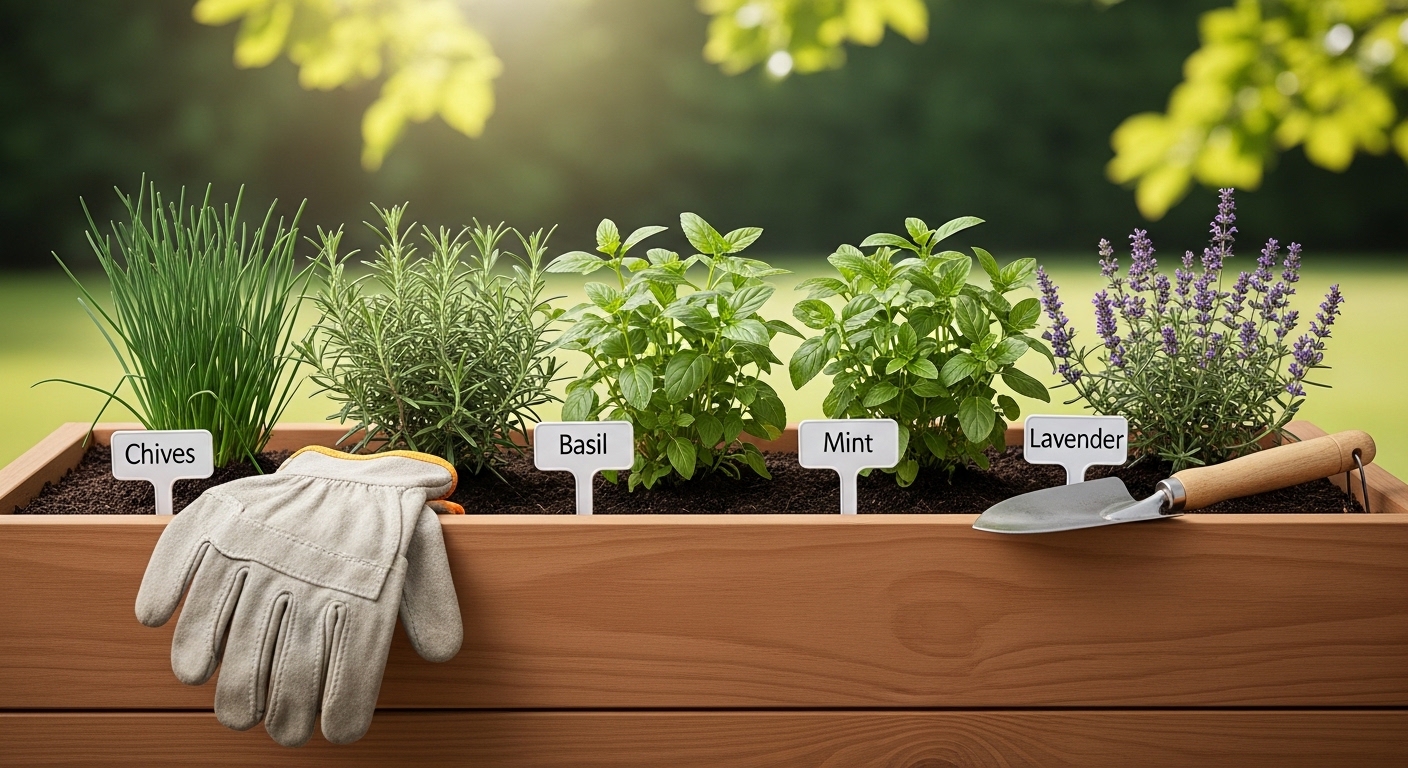
Growing herbs in raised beds is one of the easiest ways to start gardening. You control the soil quality, reduce weeds, and harvest fresh herbs close to your kitchen. Many beginners fail because they plant herbs randomly without planning drainage, spacing, or sunlight.
What Is the Easiest Way to Start Growing Herbs in Raised Beds?
Raised beds make herb gardening easier by improving drainage, soil control, and sunlight exposure. Beginners should start with 5–7 hardy herbs like basil, parsley, thyme, mint, oregano, and chives. Use loose organic soil, plant in full sun, and water consistently but lightly for best results.
Snippet Answer
The easiest way to grow herbs in raised beds is to choose beginner-friendly herbs like basil, mint, parsley, and thyme, fill beds with well-draining organic soil, place them in full sunlight, space plants properly, and water moderately. Raised beds prevent root rot, improve growth speed, and simplify maintenance.
Raised beds remove the biggest beginner mistakes. Poor soil, waterlogging, and compact ground stop herbs from thriving.
Instead of struggling with clay or sandy soil, you create ideal growing conditions immediately.
Start with a raised bed depth of at least 8–12 inches. This allows roots to spread freely. Most culinary herbs grow shallow roots but still require loose soil.
Place the bed where it receives at least 6 hours of direct sunlight daily. Herbs develop stronger aroma when grown in bright conditions.
A small raised bed can produce enough herbs for daily cooking within 6–8 weeks.
Which Herbs Grow Best in Raised Garden Beds?
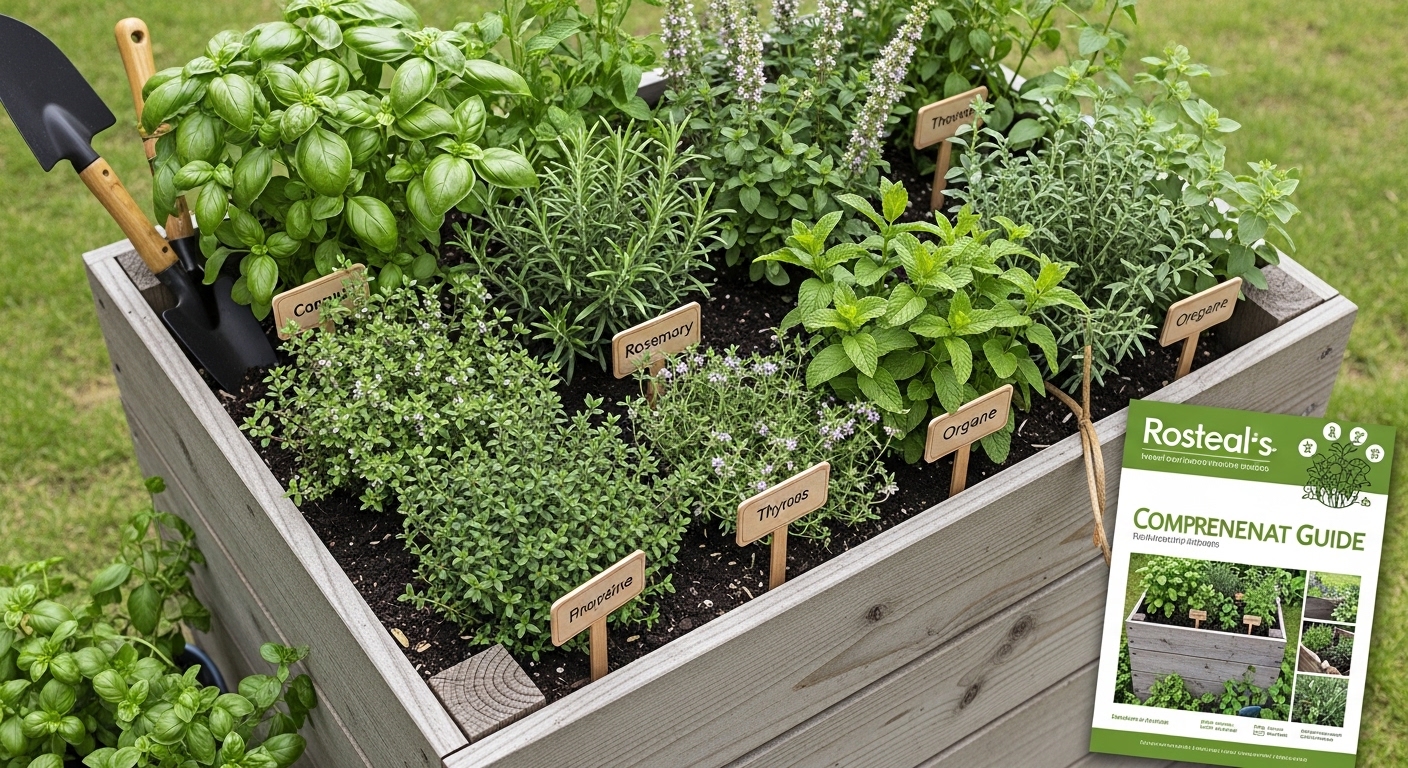
The best herbs for raised beds include basil, parsley, oregano, thyme, rosemary, mint, coriander, and chives. These herbs adapt well to loose soil, grow quickly, and tolerate container-style spacing. Combining fast growers with slow growers ensures continuous harvesting throughout the season.
Raised beds allow mixing herbs based on growth speed and watering needs.
Group herbs into three categories:
- Fast growers: basil, coriander, parsley
- Medium growers: oregano, chives, dill
- Slow growers: thyme, rosemary, sage
A balanced raised bed contains at least one herb from each category.
Mint should always be planted in a separate container section inside the bed. It spreads aggressively and competes with other herbs.
Perennial herbs like thyme and rosemary return each year, while annual herbs like basil must be replanted.
Combining both types keeps beds productive across seasons.
What Soil Mix Works Best for Raised Herb Beds?
The ideal soil mix for raised herb beds contains 40% compost, 40% garden soil, and 20% sand or coco peat for drainage. Herbs require loose, nutrient-rich soil that prevents water retention while supporting root oxygen flow and steady nutrient release.
Heavy soil kills herbs faster than lack of fertilizer.
Raised beds allow full control over soil texture.
| Soil Component | Purpose | Recommended Ratio |
|---|---|---|
| Compost | Provides nutrients | 40% |
| Garden Soil | Supports structure | 40% |
| Sand / Coco Peat | Improves drainage | 20% |
Add organic compost every 4–6 weeks to maintain fertility.
Avoid chemical fertilizers during early growth stages. Herbs grow stronger flavor with slow organic nutrition.
Loose soil also improves microbial activity, which supports root health naturally.
How Much Sunlight Do Herbs Need in Raised Beds?
Most herbs require 6–8 hours of direct sunlight daily for strong growth and high essential oil production. Leafy herbs tolerate partial shade, but Mediterranean herbs like rosemary, thyme, and oregano require full sunlight to develop strong flavor and healthy stems.
Sunlight directly affects herb taste intensity.
Low light produces weak stems and pale leaves.
Position raised beds facing:
- South-facing areas for maximum exposure
- East-facing areas for gentle morning light
- Avoid deep shade near walls or trees
If your space receives limited sunlight, grow shade-tolerant herbs:
- Mint
- Parsley
- Coriander
- Chives
Rotate beds seasonally if sunlight shifts across your garden.
How Often Should You Water Herbs in Raised Beds?
Herbs in raised beds should be watered when the top inch of soil becomes dry. Most herbs prefer light but frequent watering instead of deep soaking. Overwatering causes root rot, especially in rosemary, thyme, and oregano.
Raised beds drain faster than ground soil.
This means watering frequency increases slightly but becomes safer for roots.
Follow this watering schedule:
- Summer: every 1–2 days
- Spring: every 2–3 days
- Winter: once weekly
Water early morning for best absorption.
Avoid evening watering to reduce fungal disease risk.
Mulching with dry leaves helps retain moisture naturally.
How Should Herbs Be Spaced in a Raised Bed?
Proper spacing in raised herb beds prevents overcrowding, improves airflow, and increases yield. Small herbs require 6 inches spacing, medium herbs need 8 inches, and woody herbs like rosemary require at least 12 inches between plants.
Overcrowding is the most common beginner mistake.
Herbs compete for sunlight and nutrients quickly.
Follow this spacing guide:
| Herb Type | Spacing |
|---|---|
| Basil | 8 inches |
| Parsley | 6 inches |
| Thyme | 10 inches |
| Rosemary | 12 inches |
| Mint | Container section |
Correct spacing improves airflow and prevents disease spread.
It also allows easier harvesting access.
How Do You Maintain a Productive Raised Herb Bed Year-Round?
Maintain raised herb beds by pruning regularly, adding compost monthly, rotating seasonal herbs, controlling pests naturally, and harvesting frequently. Consistent trimming encourages bushier growth and prevents plants from becoming woody or weak.
Maintenance keeps herbs productive longer.
Trim herbs once weekly during active growth.
Remove flower buds early unless seed collection is required.
Use natural pest control methods:
- Neem spray
- Garlic water solution
- Companion planting with marigolds
Replace annual herbs each season to maintain yield continuity.
Healthy raised beds can remain productive for multiple years with minimal soil replacement.
Conclusion: How Raised Beds Make Herb Gardening Simple and Reliable
Raised beds eliminate most beginner gardening problems. They improve drainage, simplify soil control, and increase herb survival rates immediately.
By choosing the right herbs, preparing balanced soil, spacing plants properly, and watering correctly, anyone can grow fresh kitchen herbs successfully in a small space.
Start with five easy herbs first. Expand gradually once you gain confidence.
A single raised herb bed can provide continuous harvests for cooking, tea, and home remedies throughout the year.
Build your first raised bed today and begin harvesting fresh herbs within weeks instead of months.
Frequently Asked Questions
Can herbs grow faster in raised beds than in ground soil?
Yes. Raised beds warm earlier in the season and provide better drainage and aeration. These conditions accelerate root development and allow herbs to grow faster compared to compact ground soil.
What depth should a raised herb bed be?
A raised herb bed should be at least 8–12 inches deep. This depth supports healthy root expansion and prevents water accumulation that can damage herb roots.
Can multiple herbs grow together in one raised bed?
Yes. Herbs with similar sunlight and watering needs grow well together. Basil, parsley, oregano, and chives are excellent companion herbs for shared raised beds.
Do raised herb beds need fertilizer?
Yes. Organic compost applied every 4–6 weeks provides enough nutrients for steady herb growth without affecting flavor intensity.
Should mint be planted inside raised beds?
Mint spreads aggressively and should be planted inside a container section within the raised bed to prevent it from overtaking other herbs.
How long do herbs survive in raised beds?
Perennial herbs like thyme and rosemary survive multiple years, while annual herbs such as basil and coriander require seasonal replanting.
Can herbs grow in partial sunlight?
Yes. Parsley, mint, and coriander tolerate partial sunlight, but most culinary herbs grow best in at least 6 hours of direct sunlight daily.
Read More Also: How to Keep Basil Fresh and Healthy
Learn More: How to Kill Bugs in Your Vegetable Garden


