Plan a Family Day at the 2027 Show
Spring arrives early in Philadelphia. Each March, the city fills with color, scent, and wonder. The 2027 show runs from March 13 to 21 at the Pennsylvania Convention Center. It carries the theme Iconic, and it marks the 200th birthday of the Pennsylvania Horticultural Society. For parents, however, one question matters most. What will the children do all day?
The answer starts with Kids Cocoon, the play space that the show builds for its youngest guests. Here, children plant seeds, hear stories, and try hands-on garden projects. Meanwhile, adults can enjoy the big displays nearby. This guide explains what to expect, how much tickets cost, and how to plan a smooth family visit.
A quick note first. At the time of writing, the organizers have not posted the full 2027 children’s schedule. Therefore, this guide draws on details from recent shows. Please check the official website before you go, because times and programs can change.
Why the 2027 Show Works So Well for Families
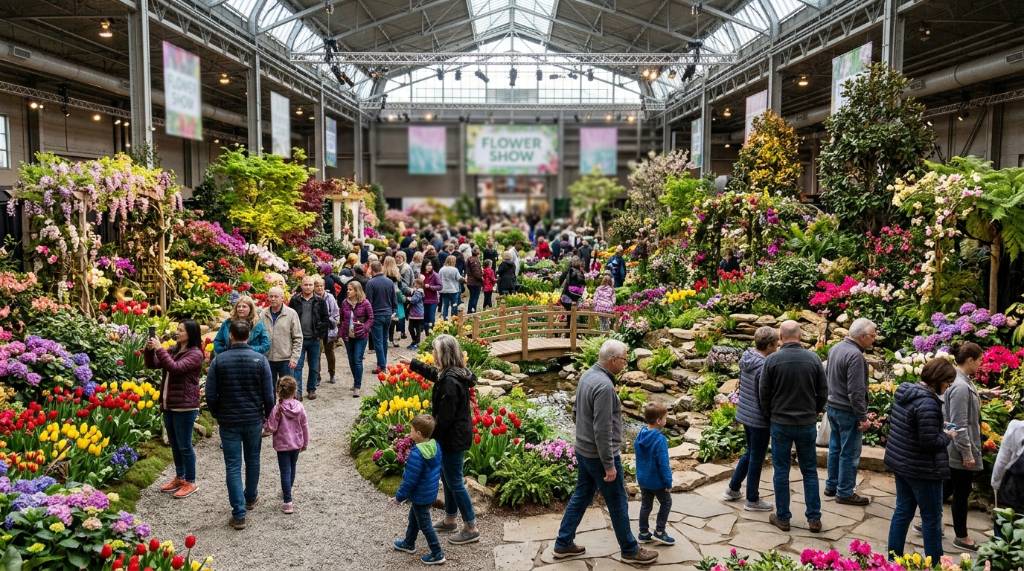
Many people think of a flower show as a quiet walk past pretty plants. In truth, this event feels more like a giant indoor garden park. Visitors stroll through full-size landscapes, cross small bridges, and stand beneath towering blooms. Children notice details that adults often miss. They spot tiny insects, odd leaf shapes, and bright petals at eye level.
The 2027 edition looks even bigger than usual. More than 30 exhibitors will build displays. In addition, well-known gardens will share their work. These include Longwood Gardens, Chanticleer, Phipps Conservatory and Botanical Gardens, Pittsburgh Botanic Garden, and The Arboretum at Penn State. Each one brings a different style, so families see many ideas in one trip.
Furthermore, the theme gives parents an easy talking point. Iconic invites children to think about famous places, symbols, and landmarks. Ask them which display feels like a postcard. Then ask why. These small questions turn a walk into a game.
Learning Without Feeling Like School
Children learn best when they move, touch, and ask questions. A flower show offers all three. They can smell herbs, watch a gardener shape a hedge, and learn why bees visit blossoms. As a result, science lessons stick in a natural way. Parents also enjoy the calm that green spaces bring, even in a busy hall.
What Is Kids Cocoon?
Kids Cocoon is the dedicated children’s zone inside the show. Think of it as a cozy pause between big exhibits. According to the organizers, the space lets children play, learn, and have fun with gardening. Programs run on the hour, and local gardening partners lead many of them. Different groups take charge on different days, so the mix of activities changes during the week.
Best of all, entry costs nothing extra. A regular show ticket already covers it. Families therefore do not need to buy a second pass or plan around a separate fee.
Hours and Location
In 2026, the space opened at 10 a.m. and closed at 7 p.m. on most days, with an earlier close on the final Sunday. The 2027 hours may differ, so confirm them online. Likewise, the exact spot inside the hall can change from year to year. When you arrive, check the show map or ask a staff member. Doing so saves tired legs and short tempers.
Who Is It For?
The organizers describe the hourly programs as a fit for the youngest guests. No strict age range appears on the official page. In practice, toddlers, preschoolers, and early school-age children get the most from it. However, older kids often join in, too, especially when a craft or a story looks fun. Parents should stay close to the youngest children at all times.
Children’s Activities to Look For
The final schedule will decide what appears each day. Still, past programs give a good picture. Here are the activities that families can usually expect.
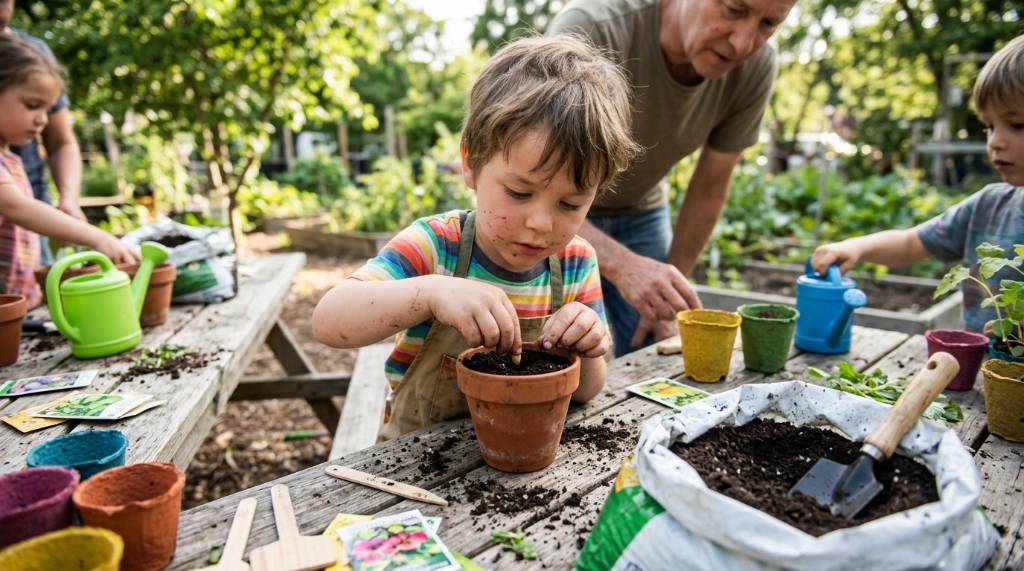
- Seed planting: Children fill a small pot with soil, add a seed, and learn how plants begin. It is simple, messy, and very popular.
- Storytime: Hourly readings give small guests a seat and a rest. Stories often link to nature, gardens, or animals.
- Hands-on garden projects: Local partners lead short, guided tasks. These may include crafts, sensory play, or plant care.
- Meet the gardeners: Local groups bring their own tools and ideas. Children can ask questions and learn how real growers work.
- Take-home ideas: Some programs send children away with a plant or a small project. Ask the staff on the day, because this varies.
Additionally, the main show floor holds many activities that do not need a special space. Families often enjoy scavenger hunts, photo spots, and walk-through gardens. Therefore, the Cocoon works best as a home base, with trips out into the larger show in between.

Dates, Venue, and Ticket Prices
Planning starts with the basics. The table below sums up the main facts for the 2027 show.
| Detail | 2027 Information |
| Dates | March 13 to 21, 2027 |
| Venue | Pennsylvania Convention Center, Philadelphia |
| Theme | Iconic (200th anniversary of the Pennsylvania Horticultural Society) |
| Exhibitors | More than 30, plus guest gardens from top regional institutions |
| Children’s zone | Free with a show ticket |
Next, consider the cost. The prices below come from early online listings. Notably, each ticket also carries a small processing fee, and prices can change. Check the official site before you buy.
| Ticket Type | Monday to Thursday | Weekends |
| Adult | $45 ($35 after 4 p.m.) | $55 ($45 after 4 p.m.) |
| Student (ages 18 to 24) | $25 | $30 |
| Child (ages 5 to 17) | $20 | $25 |
| Group (25 or more) | $38 per person | $43 per person |
| Adult Flex Pass | $60, one visit on any day | $60, one visit on any day |
| Floral Fantastic Pass | $105, daily entry for the full show | $105, daily entry for the full show |
What Does a Family Visit Cost?
Here is a simple example. Two adults and two children visit on a weekday and buy online. Tickets total $130, and fees add about $12. The bill comes to roughly $142. On a weekend, the same family pays $160 for tickets and about $172 with fees. Therefore, a weekday trip saves around $30. Parents of young children should also check the official site for the current rules on very small guests.
Tips for Every Age Group
Children of different ages want different things. The table below offers quick ideas, so everyone leaves happy.
| Age Group | Best Bets | Parent Tip |
| Toddlers (1 to 3) | Storytime, sensory play, big colorful displays | Bring a stroller and plan a nap break |
| Preschool (3 to 5) | Seed planting, craft tables, bridge walks | Keep visits to the Cocoon short and often |
| Ages 5 to 8 | Scavenger hunts, garden quizzes, photo spots | Give each child a small notebook |
| Ages 9 to 12 | Design details, plant facts, talks with exhibitors | Let them choose the next display |
| Teens | Photography, big installations, theme ideas | Hand them a phone camera and a mission |
How to Plan Your Day
Pick the Right Day and Time
Crowds change a great deal from day to day. Weekdays feel calmer, and mornings usually beat afternoons. Weekends bring bigger groups and longer lines. If you must go on a Saturday, arrive when the doors open. Alternatively, choose a late-day visit, since adult tickets cost less after 4 p.m. on weekdays and weekends alike.
Build a Simple Schedule
Start with the hourly Cocoon program, because it sets the rhythm. Pick one or two sessions that suit your child. Then fill the gaps with a short walk through the main displays. Take a snack break after each big stop. Finally, save the loudest or busiest area for the end, once the children have had time to settle.
Pack Smart
- Comfortable shoes for everyone, since the hall is huge
- A small bag with water, wipes, and a light snack
- A stroller or carrier for little ones
- A phone with a charged battery for photos and tickets
- A spare shirt for messy seed planting
- A meeting spot, in case your group splits up
Getting There and Eating Nearby
The Pennsylvania Convention Center sits in the heart of Center City. Public transit makes the trip easy, and many families skip the car. Jefferson Station and several bus lines serve the area. In addition, Reading Terminal Market stands just next door. It offers many food stalls, so picky eaters rarely struggle to find lunch. Check the show rules about outside food before you pack a full meal.
Comfort, Safety, and Sensory Needs
Large events can feel overwhelming for small children. The hall is wide, the crowds can be thick, and the sounds and scents are strong. Therefore, a few simple habits help. Agree on a meeting point at the start. Write your phone number on a card and tuck it in your child’s pocket. Take quiet breaks away from the busiest displays. If your child reacts strongly to noise or smells, visit early on a weekday, when the aisles feel open.
Additionally, think about access. Families with strollers or wheelchairs should look for the accessibility details on the official website. Staff members can also point you to ramps, lifts, and rest areas. Do not hesitate to ask. They want every guest to feel welcome.
Teach Garden Manners
Children also need a few ground rules. Most displays count as living art, so touching can harm them. Explain that eyes do the exploring in the big gardens, while hands get their turn at the activity tables. Praise good choices as you go. This small habit turns a rule into a game and keeps the displays fresh for the next visitor.
Use the Theme as a Game
Finally, turn the theme into a scavenger hunt. Ask your children to find the most iconic flower, the boldest color, and the oddest shape. Let them vote on a winner at the end of the day. Older children can sketch their pick, while younger ones can point and tell you why. As a result, everyone stays curious from the first display to the last.
Keep the Fun Going at Home
A good day out should not end at the exit. Instead, use the show as a spark for garden play at home. These simple ideas need almost no money.
- Grow a bean in a clear cup and watch the roots appear
- Press fresh flowers inside a heavy book
- Draw your favorite display from memory
- Plant herbs in a sunny window
- Visit a local garden or park and compare it with the show
Moreover, a photo book of the trip makes a lovely keepsake. Children can add captions about what they saw and learned. Over time, these small habits build a real love of plants and nature.

Money-Saving and Stress-Saving Tips
First, buy tickets online, since box office prices run higher. Second, go on a weekday if your schedule allows. Third, ask about group rates if you plan to bring a class or a large family. Groups of 25 or more pay less per person. In addition, the multi-day passes suit families who live nearby and want to return. Finally, set a clear plan for the day. A short list of goals keeps energy high and arguments low.
Remember also to talk with your children before the visit. Explain the rules, such as staying close and keeping hands off the plants. Clear expectations make the day easier for everyone, including the exhibitors who worked so hard.
Conclusion
The 2027 show promises a rich and colorful week in Philadelphia. It runs from March 13 to 21 at the Pennsylvania Convention Center, and the theme Iconic celebrates 200 years of the Pennsylvania Horticultural Society. For families, the best stop is the children’s play zone. It is free with a ticket, it runs hourly programs, and it gives little visitors a chance to plant, listen, and explore.
To sum up, plan ahead, choose a weekday if you can, and pack for comfort. Check the official site for the final schedule, hours, and ticket rules. With a little preparation, your family can enjoy a day that feels magical and teaches something new. Spring starts early in Philadelphia, so bring the children and let them grow along with the flowers.
Frequently Asked Questions
1. When is the 2027 Philadelphia Flower Show?
The show runs from March 13 to 21, 2027. Check the official website for daily hours before you plan your trip.
2. Where does the show take place?
It takes place at the Pennsylvania Convention Center in Center City, Philadelphia.
3. What is Kids Cocoon?
It is the children’s zone at the show. Young guests can plant seeds, hear stories, and join hands-on garden activities led by local partners.
4. Does Kids Cocoon cost extra?
No. Recent shows included it with a regular show ticket. Confirm this on the official site for 2027.
5. What ages is the children’s zone for?
The organizers say the hourly programs suit the youngest guests. Toddlers, preschoolers, and early school-age children usually enjoy it most.
6. How much do children’s tickets cost?
Early online prices for ages 5 to 17 are $20 on Monday through Thursday and $25 on weekends. A small processing fee applies, and prices may change.
7. Do very young children need a ticket?
The early price lists cover ages 5 to 17 only. Therefore, check the official ticket page for the current rule on children under 5.
8. When is the best time to visit with children?
Weekday mornings tend to feel calmer. Weekends draw bigger crowds, so arrive early if you go then.
9. How long should we plan to stay?
Most families enjoy three to five hours. Younger children may need shorter stays with snack and rest breaks.
10. Where can we eat nearby?
Reading Terminal Market sits next door and offers many food stalls. Check the show rules on outside food and drinks before you pack.