Every February, Seattle trades gray skies for blooms. Thousands of gardeners fill the city’s convention center to see living gardens, hear expert talks and shop for plants. The Northwest Flower and Garden Festival returns from February 17 to 21, 2027, and it promises another week of color. This guide covers the dates, tickets, schedule and exhibitors. It also offers practical tips so your visit runs smoothly.
Quick Facts at a Glance
First, here is a short summary. Details can shift, so confirm them on the official event website before you travel.
| Detail | Information |
| Event dates | Wednesday, February 17 to Sunday, February 21, 2027 |
| City | Seattle, Washington |
| Venue | Seattle Convention Center, Arch building |
| Typical opening time | Around 9:00 a.m. each day |
| Main attractions | Display gardens, seminars, marketplace, plant sales |
| Best for | Home gardeners, designers, families and plant collectors |
| Official source for updates | The festival’s own website |
Festival Dates and Opening Hours
The show runs for five days, starting on Wednesday, February 17, 2027. It closes on Sunday, February 21. Therefore, you can choose a weekday or a weekend visit.
Doors usually open at 9:00 a.m. Closing times often vary by day, and the final day tends to close earlier. As a result, you should check the daily hours before you book travel. Organizers post the final schedule closer to the event.
Many visitors stay all day. Others pick a half day and focus on one or two areas. Either plan works well, because the hall has plenty of space to wander.
Location and How to Get There
Venue Details
The festival takes place at the Seattle Convention Center in downtown Seattle. The show uses the Arch building, which sits close to the shopping district. Hotels, cafes and restaurants line the nearby streets. Consequently, you can easily plan meals and rest breaks.
Getting There by Transit
Public transit is often the easiest choice. Light rail trains stop at Westlake Station, which is a short walk from the venue. Buses also serve downtown. Additionally, transit helps you avoid costly parking and heavy traffic.
Driving and Parking
If you drive, expect busy streets and paid garages. Several lots surround the convention center. However, spaces fill fast on Saturday. Arrive early or book parking ahead if the garage allows it. Rideshare drop-off is another simple option.
Tickets for the 2027 Show
Ticket Types
Ticket details for 2027 may not be final yet. Prices change each year, and early sales often carry a discount. Therefore, this guide lists the usual categories rather than exact prices. Use the table below as a planning tool.
| Ticket type | What it usually includes | Planning tip |
| Single-day general admission | Entry to gardens, marketplace and many free stages | Pick a weekday for smaller crowds |
| Multi-day pass | Entry on more than one day | Good for seminar fans and plant shoppers |
| Seminar add-on | Seat at a paid talk or workshop | Book early because seats are limited |
| Youth ticket | Reduced price for younger guests | Check the age rules on the official site |
| Group tickets | Discount for larger parties | Ask about deadlines and minimum size |
Where to Buy
Buy tickets from the official festival website first. This route protects you from inflated resale fees. Resale sites also list the event, but their prices can run much higher. In addition, a fake ticket can ruin your day, so stick with trusted sellers.
Money-Saving Ideas
- Buy online before the event, because advance tickets often cost less.
- Visit on a weekday, when the aisles are calmer and parking costs less.
- Look for partner offers from garden clubs, nurseries and local groups.
- Bring a reusable bag so you skip extra fees at the checkout.
Festival Schedule and What to Expect Each Day
The full program usually appears a few weeks before the show. Even so, the rhythm of the week stays similar from year to year. The table below shows a general pattern.
| Day | Typical mood | Best for |
| Wednesday, Feb 17 | Opening day with fresh displays | Photos and quiet browsing |
| Thursday, Feb 18 | Relaxed and easy to navigate | Seminars and talking with experts |
| Friday, Feb 19 | Growing crowds after work | Evening visits and rare plants |
| Saturday, Feb 20 | Busiest day of the week | Families and social groups |
| Sunday, Feb 21 | Final day with last-chance deals | Plant bargains and light crowds late |
Plan your first hour carefully. Walk the display gardens before the crowds build. Then move to the marketplace and, finally, finish with a seminar. This order saves your energy for the heavy shopping.
Display Gardens: The Heart of the Show
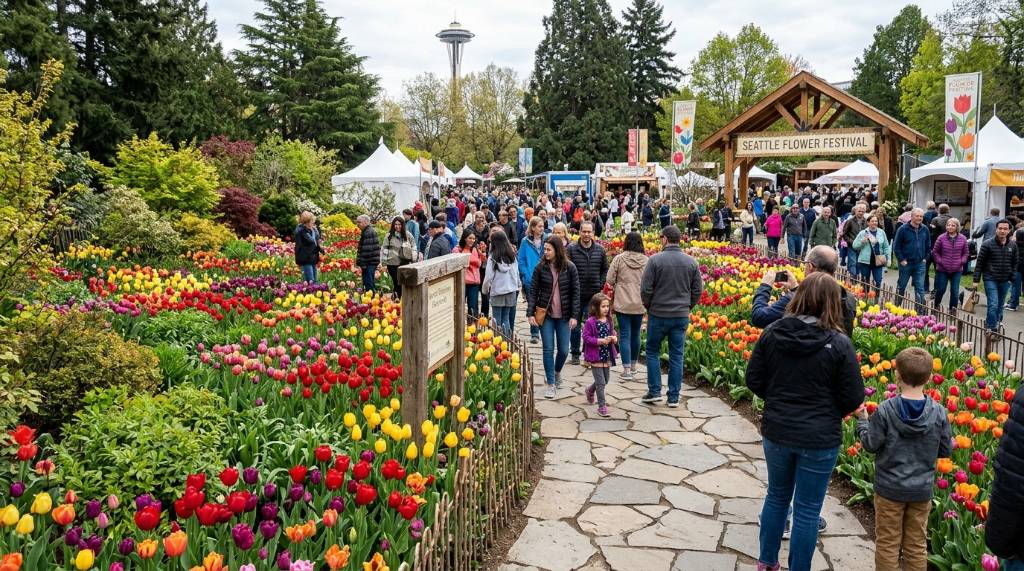
The display gardens draw the biggest crowds. Landscape designers and nurseries build full gardens inside the hall. They bring in trees, stone, water features and thousands of plants. The result feels like a real backyard, complete with paths and seating.
These gardens do more than look pretty. They also give you ideas you can copy at home. Look closely at plant pairings, color choices and small-space tricks. Many designers stand nearby, and they happily answer questions.
Take photos and notes as you go. Moreover, write down plant names from the signs. You can then search for them later or ask a marketplace vendor to help you find them.
Seminars, Workshops and Demonstrations
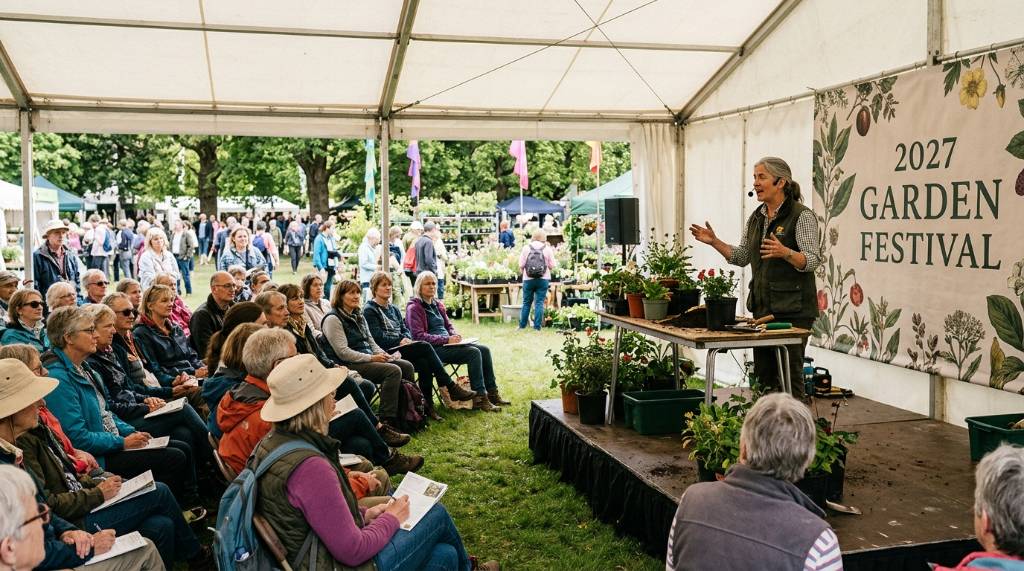
The festival hosts dozens of talks across the five days. Topics range from vegetable beds to native plants. Other sessions cover pruning, soil health, pollinators and container gardens. Beginners and experts can both find something useful.
Some talks are free, while others need a seminar ticket. In addition, hands-on workshops let you make wreaths, planters or terrariums. These sessions often sell out, so reserve your seat as soon as booking opens.
Popular speakers draw big audiences. Therefore, arrive early to claim a good spot. Bring a notebook, because the advice comes fast.
Exhibitors and the Marketplace
What You Will Find
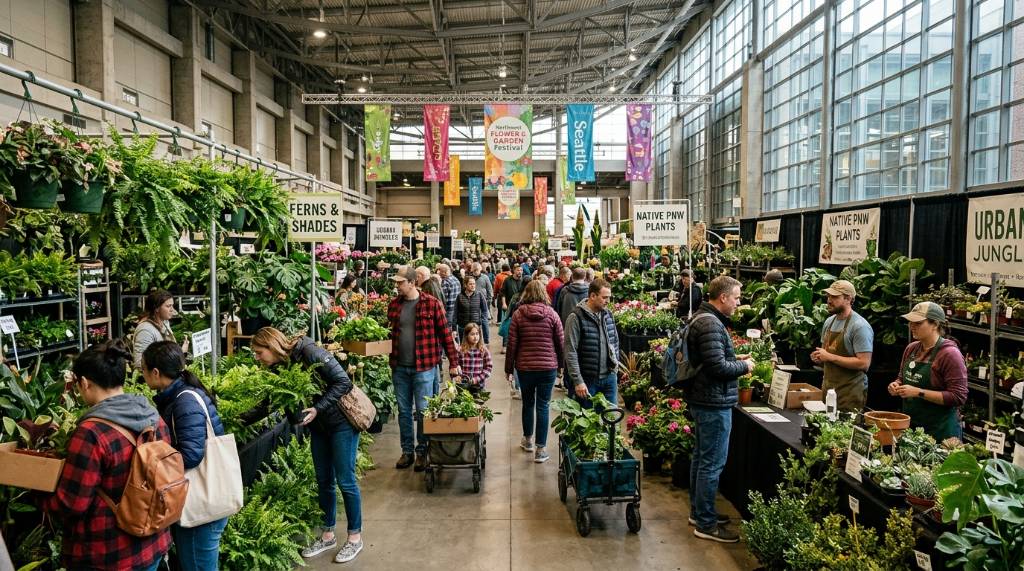
The marketplace fills a large part of the hall. Vendors from across the region sell plants, tools, art and gifts. You can browse for hours and still find something new around every corner.
| Exhibitor category | Typical products and services |
| Nurseries and growers | Perennials, shrubs, bulbs, rare and native plants |
| Landscape designers | Design advice, garden builds, consultations |
| Tools and equipment | Hand tools, gloves, irrigation and raised beds |
| Garden art and decor | Sculptures, planters, fountains and bird feeders |
| Gifts and crafts | Jewelry, candles, books and handmade goods |
| Gardening groups | Club information, plant societies, volunteer programs |
Plant Shopping Tips
Plant sales are a major reason people attend. Many visitors arrive with a wish list. Others simply fall in love with a plant on the spot. Either way, set a budget before you start.
- Bring a small cart or a sturdy wagon for heavy pots.
- Ask vendors about sun, soil and winter hardiness before you buy.
- Check whether the plant suits your local climate zone.
- Use the plant check service, if available, so you can keep shopping hands-free.
Prices tend to drop slightly on the final day. However, popular plants may sell out by then. If you want a rare find, shop early.
Smart Tips for First-Time Visitors
A little planning makes a big difference. These ideas come from the habits of seasoned festival fans.
- Wear comfortable shoes, since you will walk and stand for hours.
- Dress in layers, because the hall can feel warm while the street stays cold.
- Carry a light bag, a water bottle and a phone charger.
- Download the event map or schedule before you arrive.
- Eat a late breakfast or early lunch to beat the food lines.
- Pick one goal, such as ideas, plants or lessons, and build your day around it.
Visiting With Kids
Families enjoy the show, too. Children love the colorful gardens and the hands-on activities. Still, strollers and big crowds can mix poorly on Saturday. Visit on a weekday morning if you bring young kids.
Accessibility
The convention center offers elevators, wide aisles and accessible restrooms. Guests who need extra help can contact the organizers before the event. As a result, you can plan your route in advance and avoid surprises.
Why This Show Is Worth Your Time
February is a slow month for gardeners. The soil is cold, and the beds sit empty. The show changes that mood in a single afternoon. You walk in from the rain and step into spring.
Furthermore, the event brings the regional gardening community together. You can meet growers, trade tips with other visitors and learn from working professionals. Many guests say the conversations teach them as much as the talks do.
The timing also helps. You can shop for plants and tools weeks before planting season begins. Consequently, you get a head start on your spring projects.
Your Simple Planning Checklist
Use this short list to prepare. It takes only a few minutes, yet it saves time on the day.
| When | What to do |
| Now | Pick your dates and book your hotel |
| Two to four weeks before | Buy tickets and reserve seminar seats |
| One week before | Read the schedule and mark your must-see stops |
| Day before | Check the weather, pack a bag and plan your transport |
| Show day | Arrive early, walk the gardens first and shop last |
Where to Stay and Eat Nearby
Downtown Seattle offers hotels at many price levels. Book early, because February weekends can fill up. Staying near the convention center saves time and transport costs.
Food options abound within a few blocks. You will find coffee shops, casual cafes and sit-down restaurants. Meanwhile, the venue itself usually runs food stands. Prices run higher inside, so a nearby meal can save money.
Conclusion
The Northwest Flower and Garden Festival 2027 runs from February 17 to 21 in Seattle. It offers real gardens, expert talks and a huge marketplace. Buy tickets from the official source, and book seminars early. Visit midweek for calm aisles, or come on Sunday for last-day deals. Finally, wear comfortable shoes and bring a cart for your plants. With a little planning, you will leave inspired, and your garden will thank you.
Frequently Asked Questions
1. When is the festival in 2027?
It runs from Wednesday, February 17 to Sunday, February 21, 2027.
2. Where does the event take place?
It takes place at the Seattle Convention Center in downtown Seattle, Washington.
3. How much do tickets cost?
Prices vary by ticket type and purchase date. Check the official website for the current rates, and buy early for savings.
4. Where should I buy tickets?
Use the official festival website. It offers the safest and usually the cheapest option.
5. What time does the show open?
Doors typically open at 9:00 a.m. Closing times change by day, so confirm the hours before you go.
6. Which day is the least crowded?
Weekdays, especially Wednesday and Thursday, draw smaller crowds. Saturday is the busiest day.
7. Can I buy plants at the show?
Yes. Many nurseries and growers sell plants in the marketplace. Bring a cart or wagon to carry them.
8. Are seminars included with admission?
Some talks are free, while others need a separate seminar ticket. Check the schedule once the organizers publish it.
9. Is the festival good for children?
Yes. Kids enjoy the colorful gardens and activities. Visit on a weekday for an easier experience with strollers.
10. How do I reach the venue without a car?
Take the light rail to Westlake Station and walk a few blocks. Buses and rideshares also serve the area.