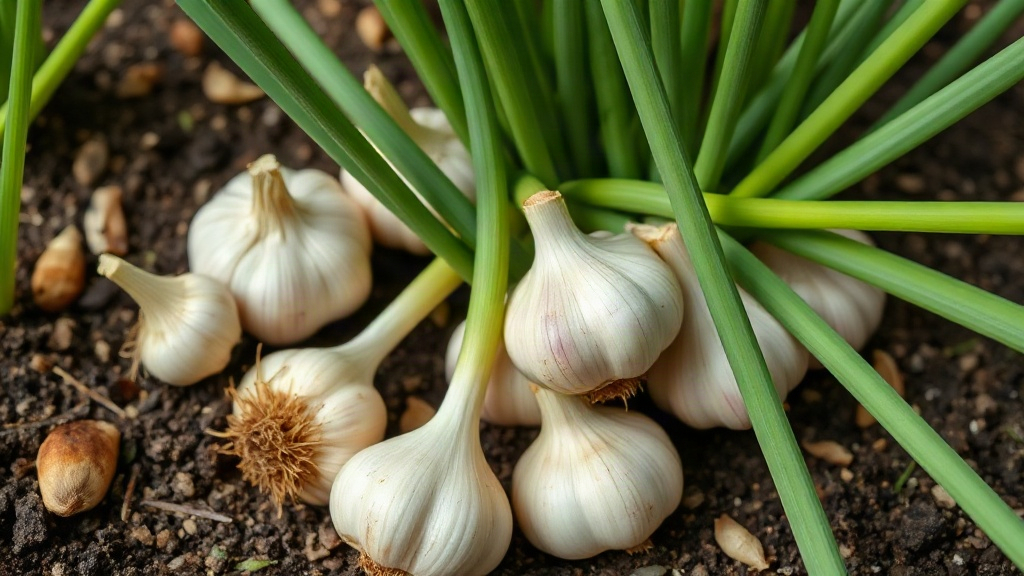
When to plant garlic decides whether you harvest fat bulbs or disappointingly small ones. A neighbor plants in October and gets huge heads, while yours go in during April and never size up. The difference usually comes down to giving cloves a cold start before winter.
Quick answer: Plant garlic in autumn, roughly four to six weeks before the ground freezes. In most temperate regions, that means late September through early November. The cloves grow roots, go dormant, and finish bulbing the following summer. Spring planting works only with pre-chilled cloves and yields smaller heads.
This guide explains the timing rules by climate, why the calendar matters so much, and the mistakes that cost gardeners a season. You will finish knowing exactly when to plant garlic where you live.
What is when to plant garlic?
Timing garlic planting means matching clove burial to your local cold season. Garlic is a biennial grown as an annual. It needs a stretch of cold temperatures to trigger proper bulb formation, a process growers call vernalization. Plant too early and cloves sprout tall before winter, then freeze back. Plant too late and roots never establish.
The two main categories behave differently. Hardneck garlic, which produces a stiff central stalk and scapes, thrives on autumn planting in cold climates. Softneck garlic, the braided kind sold in supermarkets, handles milder winters better and stores longer after harvest.
The standard autumn window is four to six weeks before the first hard freeze. Soil stays warm enough for root growth but not so warm that green shoots appear. Roots develop best at soil temperatures around 50°F to 60°F. For much of the United States, that window lands between late September and early November.
A soil thermometer removes the guesswork. Measure four inches down in the middle of the afternoon for several days; once readings settle in that 50°F to 60°F band and nighttime air temperatures are dropping, conditions are right. Warm spells that follow planting are the main risk, so check the forecast before you commit a whole bed.
Gardeners in marginal climates can hedge by planting half the crop on the early side of the window and half two weeks later. Whichever group overwinters better tells you what to do the following year, and no single weather event can wipe out the entire planting.
Regional timing differences
Cold climates with heavy frost favor September planting. Mild-winter regions such as the Pacific Northwest or the South shift later, often October into December. In zones with almost no frost, some growers plant as late as January.
The spring planting option
Spring garlic is possible but demanding. Cloves need four to eight weeks of refrigeration at 40°F to 50°F before planting. Set them out as soon as the soil can be worked. Harvest will come later and smaller than autumn-planted bulbs.
Without vernalization, garlic often forms a single undivided bulb instead of a proper head of cloves. Timing protects that cold exposure.
Why when to plant garlic matters
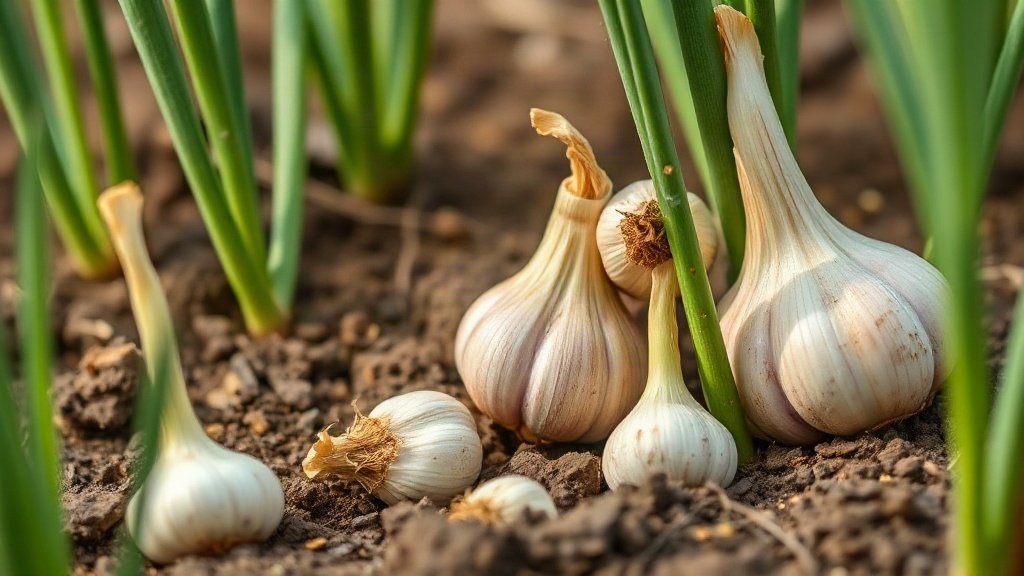
The planting date shapes root development, winter survival, and final bulb size. Cloves set out at the right moment knit themselves into the soil before dormancy. That root network feeds the plant during early spring growth, when the bulb begins forming.
Plant too early and warm soil pushes green shoots above ground. A hard freeze then damages that tender growth, and the plant burns energy rebuilding. Plant too late and roots stay shallow. Frost heaving can push cloves right out of the ground.
Bulb size is set early. The strongest plants emerge from cloves that established roots in autumn. Those plants produce broader leaves, and leaf area directly drives how much energy the bulb can store. Weak spring starts rarely catch up.
Leaf size compounds over the season, so a difference of two or three weeks in autumn can separate a two-inch bulb from a three-inch one. Plants that break dormancy with a head start photosynthesize through the long, cool days of late spring, exactly when bulbing begins. A delayed start pushes that growth into hotter weather, when garlic naturally slows down and foliage begins to decline.
Winter hardiness is another dividend of correct timing. Cloves that root deeply before the soil chills are less prone to frost heaving, the freeze-thaw cycle that lifts shallow cloves to the surface where they desiccate or rot. Shallow-rooted plantings also dry out faster during an unexpected dry spring, which stresses plants right when they should be sizing up.
Timing affects disease and pests
Well-timed planting reduces several problems at once. Healthy roots resist soil-borne rot better than struggling ones. A firm, cold-hardened plant also fends off frost damage. Late autumn planting dodges the peak activity of some bulb flies and soil pests.
Timing by climate type
Comparison: cold climates vs mild climates
| Climate | Plant window | Notes |
|---|---|---|
| Cold winters (Zones 3–5) | Late September to mid-October | Mulch heavily after frost |
| Moderate winters (Zones 6–7) | October to early November | Ideal root growth window |
| Mild winters (Zones 8–9) | November to December | Choose softneck varieties |
| Frost-free tropics | Refrigerate and plant in cool season | Bulbs stay small |
Notice how every row moves later as winters soften. The common thread is soil temperature, not the calendar itself. If you are unsure, track your first frost date and count backward.
Best practices
Follow a short sequence and most of the guesswork disappears. Prepare beds two to three weeks ahead so soil settles. Loosen the top six to eight inches and mix in compost. Garlic dislikes waterlogged ground, so raised beds help in heavy clay.
Separate cloves from the bulb on planting day. Keep the papery skin intact and choose the largest outer cloves. Small cloves produce small heads. Set each clove pointy end up, about two inches deep, and space them six inches apart in rows a foot apart.
Water thoroughly after planting. Then mulch with three to four inches of straw once the ground begins to freeze. Mulch buffers soil temperature, holds moisture, and suppresses weeds. Pull it back slightly in early spring as shoots emerge.
Keep mulch in place until shoots are a couple of inches tall, then pull it back to a thin layer rather than stripping it away entirely. The remaining straw keeps moisture even and stops weeds from competing with young plants. In mild climates, a lighter mulch of two inches is plenty, since heavy cover can trap too much warmth and encourage early sprouting.
Label each variety and its planting date in the bed. Garlic all looks alike until harvest, and a simple tag lets you compare which type and timing performed best. That record is the most useful tool you can carry into next season.
Feeding and watering through the season
Garlic needs steady moisture during spring growth and bulbing. Cut back watering in the final two to three weeks before harvest. Stop nitrogen feeding once scapes appear, or you get leafy tops and loose bulbs. A light compost top-dressing in early spring is usually enough.
Choosing the right variety
Match variety to your climate. Hardneck types like Rocambole and Porcelain suit cold winters. Softneck types such as Silverskin and Artichoke tolerate heat and store longer. Buy seed garlic from a nursery rather than planting supermarket bulbs, which may be treated to prevent sprouting.
Set aside the biggest, healthiest bulbs from each harvest as next season’s planting stock. Repeated selection improves bulb size over a few years.
Common mistakes to avoid
Most garlic failures trace back to a handful of avoidable errors. The first is planting a whole bulb instead of individual cloves. Each clove becomes one plant, so burying a full head produces a crowded, undersized cluster.
The second is planting cloves upside down. The pointy tip should face the sky. Roots grow from the flat base, and a flipped clove wastes energy curling back around.
The third is skipping mulch in cold regions. Bare soil freezes and thaws repeatedly, heaving cloves upward. Mulch keeps soil temperature stable and protects the crowns.
Planting depth deserves equal attention. Cloves set too shallow sit close to the surface and heave or dry out; cloves buried deeper than about three inches struggle to push shoots through heavy soil. Two inches of soil over the tip is the reliable middle ground for most gardens.
Many growers also crowd cloves too tightly, hoping for a bigger harvest. Garlic needs room for each bulb to expand, and tight spacing produces smaller, oddly shaped heads that are hard to store. If you want large bulbs, resist the urge to double up in the row.
Overwatering and poor drainage
Garlic rots in soggy soil. Waterlogged beds invite fungal problems that no amount of good timing can fix. Plant on raised mounds if your site puddles. Water deeply but less often, letting the top inch dry between sessions.
Harvesting too late
Bulb quality depends on pulling at the right moment. Harvest when about half the leaves turn yellow and fall over, usually in midsummer. Lift gently with a fork. Cure bulbs in a dry, airy spot for two to three weeks before storing them.
Heavy nitrogen late in the season produces soft bulbs that spoil quickly. Hold back fertilizer once spring growth slows.
Ignoring your frost date
Many growers plant by habit rather than local data. Look up your average first frost date and plan backward. Keep a garden note of what worked, because the best planting week varies by a week or two every year.
FAQ
What happens if I plant garlic too early?
Cloves sprout green shoots before winter sets in. A hard freeze kills that growth, and the plant burns reserves rebuilding in spring. Wait until soil cools to reduce the risk.
Can I plant garlic in spring instead of fall?
Yes, if you chill cloves in the refrigerator for four to eight weeks first. Spring planting works, but expect smaller bulbs than autumn planting delivers.
How late can I plant garlic in autumn?
You can plant up to about three weeks before the ground freezes hard. Late cloves root less, so mulch heavier and expect slightly smaller heads at harvest.
Does garlic need full sun?
Yes. Garlic needs at least six hours of direct sun daily. Shade reduces leaf growth, and smaller leaves mean smaller bulbs at harvest time.
Can I plant supermarket garlic?
It often fails. Store-bought bulbs may be treated with growth inhibitors and are not certified disease-free. Buy seed garlic from a nursery instead.
Conclusion
Timing drives everything with garlic. Plant autumn cloves four to six weeks before the ground freezes, give them deep loose soil and a good mulch layer, and let winter do the work of triggering bulb formation. Choose varieties that match your climate, water steadily through spring, and harvest when half the leaves fall over.
Your next step is simple. Look up your first frost date this week and mark the planting window on your calendar. Buy seed garlic before it sells out, and you will be ready when the season arrives.