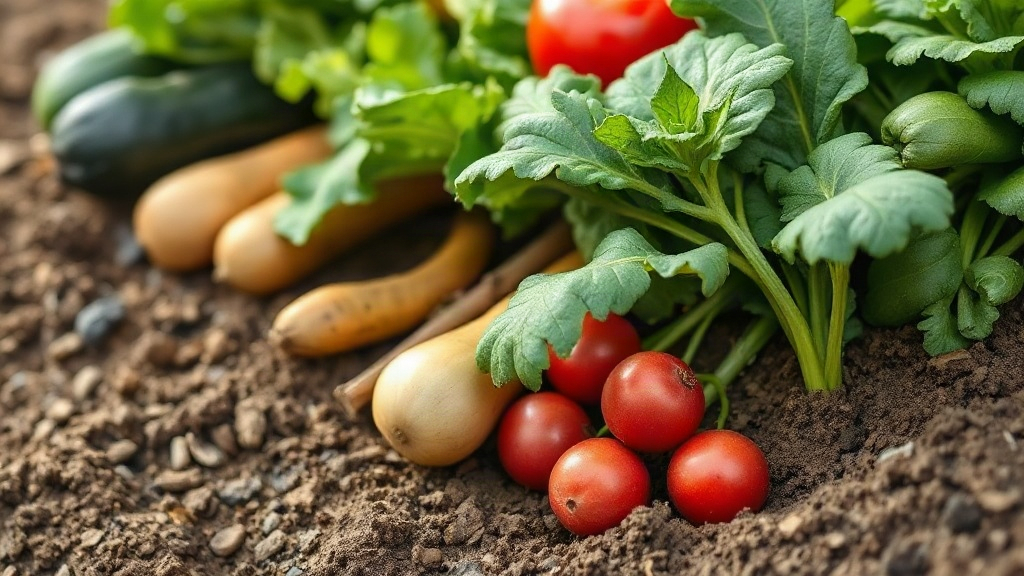
Your tomatoes looked tired last summer, and the cabbage suffered again. You fertilized, watered, and still lost plants to disease. Crop rotation vegetables offer a fix that costs nothing but planning. Moving each family to a new bed every year interrupts pest cycles and feeds the soil without extra inputs.
Quick answer: Group your vegetables by plant family, then move each group to a different bed each season in a three- or four-year cycle. Follow heavy feeders like tomatoes and corn with lighter crops like beans, then root vegetables, and finish with a soil-building cover crop or leafy greens. The order matters less than consistency.
This article explains how rotation works, why it protects your harvest, and which mistakes undo the benefits. You will finish with a rotation plan you can sketch on paper today.
What is crop rotation vegetables?
Crop rotation vegetables mean growing different plant families in a sequence across the same ground over several seasons. Instead of planting tomatoes in the same bed each year, you move them and let another family take that spot. The practice rests on one idea: plants that share pests, diseases, and nutrient needs should not follow each other.
Gardeners usually sort vegetables into four broad groups:
- Solanaceae: tomatoes, peppers, potatoes, eggplant
- Brassicas: cabbage, broccoli, kale, cauliflower
- Legumes: peas, beans, clover
- Root and bulb crops: carrots, onions, beets, garlic
Leafy greens like lettuce and spinach sit somewhat separately. They fit well after legumes, which leave nitrogen behind.
Some gardeners add a fifth group for cucurbits, covering cucumbers, squash, and pumpkins. These sprawling plants have their own pests, such as cucumber beetles, and separating them from the rest keeps the cycle cleaner. If space is tight, fold them in with the heavy feeders.
A four-bed example
Picture four raised beds and a simple four-year cycle. In year one, put tomatoes and peppers in bed A and cabbage in bed B. Bed C grows peas and beans, while bed D holds carrots and onions. Next year, every group shifts one bed clockwise. Return the first group to bed A in year five.
Where it came from
Farmers have rotated crops for centuries, long before synthetic fertilizer existed. English farmers used the Norfolk four-course system in the 1700s. It alternated wheat, turnips, barley, and clover to keep fields productive. The principle has not changed. Garden-scale rotation is simply that idea applied to small beds.
What rotation is not
Rotation is not the same as interplanting or companion planting. Those methods place crops together at one time. Rotation separates them across time. You can use both together, but they solve different problems.
You do not need special tools or chemicals. A notebook page with your bed numbers and family groups is enough to start.
The core takeaway is simple. Track which family sits in each bed, and move every group each season.
Why crop rotation vegetables matters
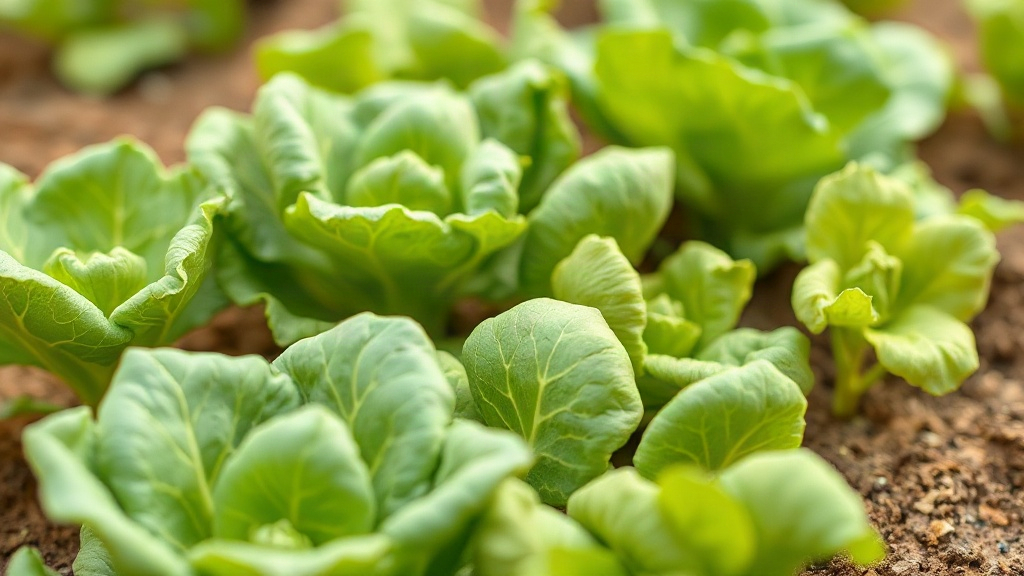
Pests and diseases build up in soil when the same host returns year after year. Clubroot in cabbage and blight in tomatoes are soil-borne problems that get worse with repetition. Moving a crop away starves those organisms of their host. Many pests only travel a short distance on their own, so a fresh bed can spare a crop.
Rotation also interrupts the life cycles of pests that pupate in the soil. Cabbage root fly and carrot fly emerge near last year’s crop, so a bed planted with an unrelated family gives them nothing to attack. Gardeners who keep a simple rotation often notice fewer holes in root crops without buying a single trap or netting.
Think of it as spreading risk across the plot. If one bed suffers a poor season, the other beds carry the harvest. A garden with four families in four beds rarely fails completely, while a plot planted mostly with one crop can lose everything to a single outbreak.
Nutrient balance
Different families draw on the soil differently. Heavy feeders like corn and tomatoes consume lots of nitrogen. Legumes add nitrogen through root nodules. Root crops reach deeper and use what is left near the surface. Alternating them keeps one nutrient from being drained season after season. A three-year gap between heavy feeders gives organic matter and compost time to restore what was used.
Weed and structure benefits
Rotation also disrupts weed patterns. Weeds that thrive among one crop often struggle with a different planting density or cultivation schedule. Deep-rooted and shallow-rooted crops alternate too, which helps soil structure and water movement.
What you can expect
Rotating vegetables will not fix every garden problem. It reduces pressure; it does not erase it. Expect fewer repeat disease outbreaks and healthier soil over time, not instant perfection.
| Without rotation | With rotation |
|---|---|
| Pests overwinter near their host | Hosts disappear for two or more years |
| Heavy feeders deplete one bed | Nutrients spread across beds |
| Same weeds each season | Weed pressure varies and drops |
Some pests travel far or survive in debris. Clean up crop residue and rotate together for the best result.
The main point: rotation works because it interrupts cycles. Consistency matters more than a perfect order.
Best practices
A workable rotation plan beats a complicated one you abandon. Start with the basics and refine as you learn your beds.
Build the plan around your problem crops first. If clubroot has appeared in cabbage, give brassicas the longest gap and place them last in the cycle. This ensures the weakest link receives the most protection, while easygoing crops like lettuce can take shorter turns.
Keep a simple diagram posted in the shed or saved on your phone, and check it before buying seeds. Ordering seed is when most plans are quietly broken, because it is easy to forget which bed is due for tomatoes. A two-minute glance at the diagram saves a season of guesswork.
Sketch your beds first
Draw each bed on paper and number it. Record what grew there last season. Most gardens need a three-year gap between the same family in one bed. Four is better for disease-prone crops like brassicas and potatoes.
Order families in a sensible sequence
A common sequence runs heavy feeders first, then legumes, then roots, then leafy greens. Each group leaves conditions suited to the next. Sequence is a guide, not a rule you must obey exactly.
Keep records you will actually use
A garden notebook or a simple spreadsheet works. Note the bed, the family, the date, and any disease you saw. Next year, read it before ordering seeds.
Use cover crops to fill gaps
Bare beds lose nutrients to rain and weeds. Sow clover, rye, or buckwheat in empty beds at season’s end. Cover crops smother weeds and add organic matter before the next family arrives.
Repeating one cover crop can create its own pest issues. Alternate between a legume and a grass-type cover.
Plan for limited space
Small plots make strict rotation harder. Grow fewer families each year, or shift a crop to containers. A raised bed growing tomatoes this year can hold beans next year while the container takes a turn.
Group sensibly, not rigidly
Some crops are close enough to share a slot. Lettuce and spinach can follow legumes together. Beets and chard belong to the same family, so treat them as one group.
The takeaway: write the plan down, keep gaps between families, and cover empty soil.
Common mistakes to avoid
Many gardeners start rotation and quietly drop it by year three. The usual causes are predictable, and each one is fixable.
One frequent slip is rotating on paper but not in the ground. Digging the plan into the beds themselves, by moving a labeled stake with each group, keeps the schedule honest when spring gets busy. Another is starting the cycle without knowing what grew last year, which makes the first gap a guess. Spend one season observing and noting what is already there, then set the rotation running the following spring.
Rotating the wrong crops
Tomatoes and potatoes belong to the same family. Swapping one for the other is not rotation. The same applies to cabbage and broccoli, or beets and chard. Check the family before you call a bed rotated.
Forgetting the gap years
A single season away is too short for many soil-borne problems. Aim for at least three years before the same family returns. Clubroot spores can persist far longer, so give brassicas a wider gap.
Ignoring small-space limits
A tiny plot cannot rotate everything. Grow fewer families each year, or move a crop into a pot. Cover crops and compost can fill the gap left behind.
Skipping the record
Without notes, you will guess. Guessing leads to accidental repeats. A one-line entry each season prevents that.
Treating rotation as a cure-all
Rotation reduces pressure. It does not replace compost, proper watering, or sanitation. Remove diseased plants, clean tools, and mulch beds.
Moving an infected crop just spreads the problem. Remove affected plants and destroy them instead.
Overcomplicating the order
Chasing a flawless sequence leads to paralysis. Many gardeners abandon the plan entirely. Focus on the family change, keep the gap long, and accept that small deviations are fine.
Growing tired and letting beds sit bare
Bare soil in winter washes nutrients away. Fill gaps with a cover crop and your rotation plan stays strong year to year.
The key point: avoid repeats, keep long gaps, and track everything.
FAQ
How many years should a crop rotation cycle be?
Most gardens work best with a three- or four-year cycle. Three years suits healthy soil and light disease pressure. Use four years for brassicas, potatoes, and other disease-prone crops. Shorter cycles offer little protection.
Can I rotate crops in containers and raised beds?
Yes. Treat each container or raised bed as its own plot. Move crops between them, or swap the soil and replant something from a different family. Wash containers between seasons to remove soil pests.
What should I plant in a bed after tomatoes?
Beans, peas, or leafy greens work well. Legumes restore nitrogen that tomatoes consumed. Avoid potatoes, peppers, or eggplant, since they share tomato’s family and its diseases.
Does crop rotation replace fertilizer or compost?
No. Rotation balances nutrients and disrupts pests, but it does not rebuild depleted soil by itself. Keep adding compost each season. Rotation and compost perform best together.
Is rotation worth it in a very small garden?
Often, yes. Even two groups alternating between two beds reduces repeat disease. Focus on your problem crops first. Grow the rest where they fit.
Conclusion
Crop rotation vegetables work by breaking the cycles that wear out soil. Group plants by family, keep three or more years between the same group, and record every bed. Add compost and cover crops to support the plan. Expect fewer repeat diseases and steadier harvests, not instant perfection. The effort is mostly paperwork.
Your next step is small and concrete. Sketch your beds tonight, label last season’s crops, and decide where each family goes this spring. Once the plan is on paper, rotation becomes a habit rather than a chore. A garden that changes its crops can keep producing well for decades.