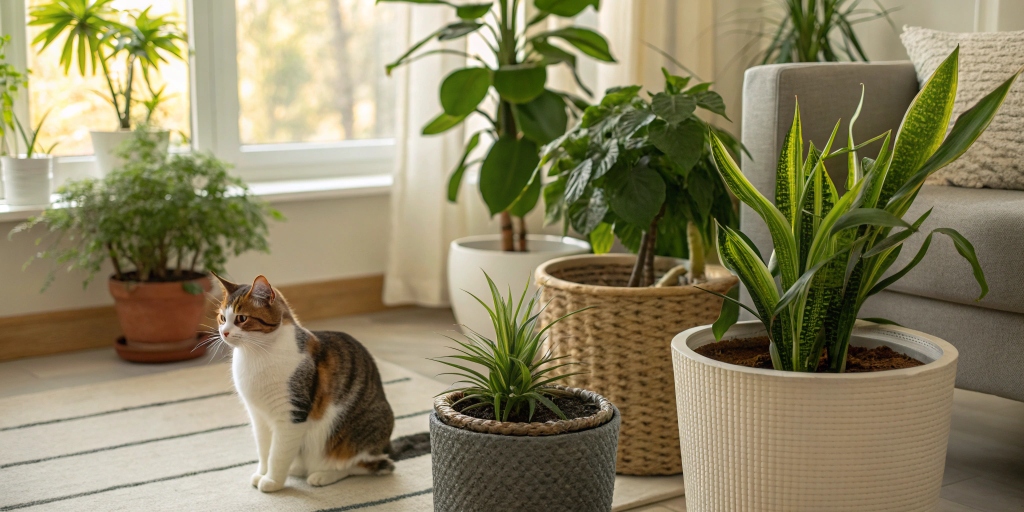
If you’ve ever caught your cat nibbling on a houseplant, you know the sudden wave of panic that follows: Is this toxic? Should I call the vet? As cat lovers, we want our homes to feel alive and beautiful with greenery—but never at the expense of our furry companions. The good news? You don’t have to choose between a lush indoor jungle and your cat’s safety. By choosing safe plants for cats, you can create a stylish, calming, and pet-friendly space without the worry.
In this complete guide, you’ll discover the best non toxic plants for cats, how to keep your cat safe around greenery, and practical tips to design a home that’s both beautiful and cat-approved.
Why Choosing Safe Plants for Cats Matters
Cats are naturally curious creatures. They explore their environment with their paws, noses, and mouths. Unfortunately, many common houseplants like lilies, pothos, and philodendron are highly toxic to cats and can cause symptoms ranging from mild stomach upset to life-threatening organ failure.
That’s why selecting pet safe plants isn’t just a design choice—it’s a health decision. When you know which safe plants for cats to bring into your home, you eliminate unnecessary risks while still enjoying the benefits of indoor plants, such as:
- Improved air quality
- Reduced stress and anxiety
- Better home aesthetics
- A more calming environment for both you and your pet
Top 15 Safe Plants for Cats (Beautiful & Non-Toxic Options)
Here’s a curated list of popular and stylish non toxic plants for cats that are safe to keep around your feline friends.
-
Spider Plant (Chlorophytum comosum)
A favorite among pet owners, the spider plant is hardy, easy to care for, and completely non-toxic to cats. It also helps purify indoor air.
Why it’s great:
- Safe if chewed
- Thrives in indirect light
- Low maintenance
-
Areca Palm (Dypsis lutescens)
This elegant palm instantly makes any room feel tropical. Even better, it’s one of the best pet safe plants available.
Bonus: It’s also safe for dogs.
-
Calathea (Prayer Plant Family)
Known for their stunning, patterned leaves, Calatheas are 100% safe plants for cats and add a luxurious touch to your home.
-
Boston Fern (Nephrolepis exaltata)
Unlike some ferns that can be toxic, the Boston fern is cat-friendly and visually lush.
Tip: Keep the soil lightly moist for best growth.
-
Parlor Palm (Chamaedorea elegans)
This compact and stylish plant works well in small apartments and is completely safe for cats.
-
Bamboo Palm (Chamaedorea seifrizii)
Not to be confused with lucky bamboo (which is toxic), the bamboo palm is a true non toxic plant for cats.
-
Peperomia
Peperomia varieties are safe, small, and perfect for tabletops or shelves.
-
Ponytail Palm (Beaucarnea recurvata)
A fun-looking plant that looks like a tiny tree. It’s safe, durable, and very beginner-friendly.
-
African Violet
These colorful flowering plants are among the most beautiful, safe plants for cats and brighten up any space.
-
Orchid (Phalaenopsis)
Elegant and long-lasting, orchids are pet safe plants that add a sophisticated feel to your home.
-
Cast Iron Plant (Aspidistra elatior)
As the name suggests, this plant is extremely tough and safe for homes with cats.
-
Friendship Plant (Pilea involucrata)
With textured leaves and a compact size, this is a perfect addition to desks and shelves.
-
Fittonia (Nerve Plant)
Colorful veins and soft leaves make Fittonia a standout among non toxic plants for cats.
-
Haworthia
This small succulent looks similar to aloe vera (which is toxic), but Haworthia is completely safe.
-
Polka Dot Plant (Hypoestes phyllostachya)
Adds a playful pop of color while remaining safe for curious cats.
Plants You Should Avoid (Toxic to Cats)
Even though we’re focusing on safe plants for cats, it’s equally important to know what not to bring home. Avoid these common toxic plants:
- Lilies (extremely dangerous, even in small amounts)
- Snake plant (Sansevieria)
- Pothos (Devil’s Ivy)
- Philodendron
- Aloe vera
- Sago palm
When in doubt, always verify before buying a new plant.
How to Keep Your Cat Safe Around Plants
Even with pet safe plants, it’s still smart to set healthy boundaries.
Place Plants Strategically
- Use hanging baskets
- Install wall-mounted shelves
- Keep delicate plants out of high-traffic pet areas
Offer Cat-Friendly Alternatives
Cats chew plants out of boredom or instinct. You can redirect this behavior by providing:
- Cat grass
- Catnip plants
- Chew-safe cat toys
Use Natural Deterrents
If your cat insists on digging in pots, try:
- Citrus peels on the soil
- Pinecones as topsoil cover
- Decorative stones
These are harmless and discourage unwanted behavior.
How to Design a Truly Pet-Friendly Indoor Garden
Creating a cat-safe home goes beyond just choosing non toxic plants for cats. Think in terms of an environment that supports both plant health and pet safety.
Choose Stable, Heavy Pots
Tall plants can tip over easily. Go for wide-bottom or ceramic pots that are harder to knock over.
Avoid Fertilizers with Harmful Chemicals
Use organic, pet-safe fertilizers to avoid accidental poisoning if your cat licks the soil or plant leaves.
Create “Cat Zones” and “Plant Zones”
Give your cat vertical spaces like cat trees and window perches so they don’t feel left out when your attention goes to plants.
Benefits of Decorating with Safe Plants for Cats
Choosing the right plants gives you the best of both worlds: a beautiful home and peace of mind.
Key benefits include:
- No risk of plant poisoning
- Reduced anxiety about chewing or digging
- A healthier indoor environment
- A calmer, nature-inspired space for both humans and pets
By focusing on safe plants for cats, you’re investing in long-term harmony between your home décor and your pet’s health.
Frequently Asked Questions (FAQs)
-
What are the safest plants for cats?
Some of the most popular safe plants for cats include spider plants, areca palms, calatheas, Boston ferns, and orchids. These plants are non-toxic and safe even if your cat nibbles on them.
-
Are all succulents safe for cats?
No, not all succulents are safe. While Haworthia is considered one of the best non toxic plants for cats, aloe vera and some euphorbia varieties are toxic and should be avoided.
-
Can cats still get sick from pet safe plants?
Even with pet safe plants, overeating any plant material can cause minor digestive upset, like vomiting or diarrhea. If symptoms persist, consult your veterinarian.
-
How do I stop my cat from chewing my plants?
You can discourage chewing by:
- Providing cat grass
- Using citrus peels as a natural deterrent
- Placing plants in hanging or elevated spots
-
Are outdoor plants also safe for cats?
Not all outdoor plants are safe. Always research before planting in gardens where your cat may roam. Focus on safe plants for cats for both indoor and outdoor spaces.
-
What should I do if my cat eats a toxic plant?
If you suspect your cat has consumed a toxic plant, contact your veterinarian or an emergency pet poison helpline immediately.
Final Thoughts: Create a Safe, Green Home Your Cat Will Love
Having plants and pets doesn’t have to be stressful. With the right knowledge and smart choices, you can enjoy a vibrant home filled with safe plants for cats while keeping your furry friend protected.
By selecting non toxic plants for cats and designing with pet-safe plants in mind, you’re creating a healthier, happier living space for everyone in your home.
Clear Call to Action (CTA)
Ready to make your home safer and greener?
Start by replacing toxic plants with safe plants for cats today—and share this guide with other pet parents who want a beautiful, worry-free home! 🌿🐾
Related Topics:
Chunky Soil Mix Recipe: Your Guide to Healthy Houseplants
When Not to Water: Avoiding the Worst Times for Your Plants’ Health