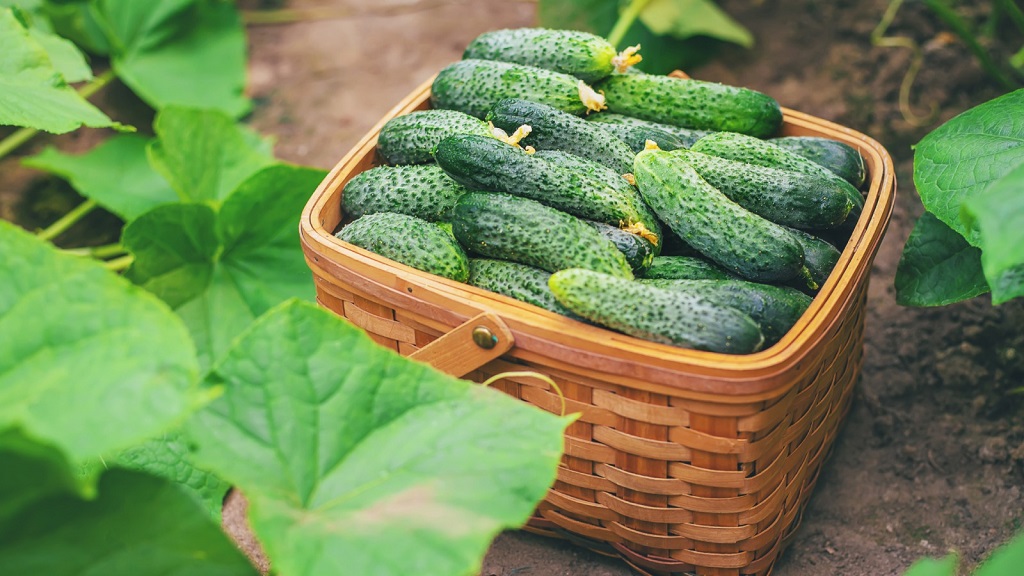
Have you ever walked through a farmers market and spotted what looked like a green tennis ball sitting among the traditional long cucumbers? If so, you’ve encountered one of gardening’s most delightful surprises: the round cucumber. These spherical vegetables are capturing the attention of home gardeners, chefs, and health-conscious consumers worldwide, offering a fresh twist on the familiar cucumber experience.
Round cucumbers, also known as apple cucumbers or ball cucumbers, represent a fascinating branch of the cucumber family that challenges our preconceptions about vegetable shapes. Unlike their elongated cousins, these compact vegetables pack all the refreshing crunch and nutritional benefits of traditional cucumbers into a perfectly round package that’s as visually striking as it is delicious.
Whether you’re a seasoned gardener looking to diversify your harvest, a culinary enthusiast seeking new ingredients, or simply curious about this unique vegetable, this comprehensive guide will explore everything you need to know about round cucumbers. From their origins and varieties to growing tips and creative recipes, we’ll uncover why these spherical vegetables deserve a place in your garden and kitchen.
Understanding Round Cucumbers: Nature’s Perfect Spheres

Round cucumbers belong to the same species as traditional cucumbers (Cucumis sativus) but have been selectively bred for their distinctive spherical shape. These vegetables typically measure 3-4 inches in diameter and weigh between 8-12 ounces, making them perfect single-serving portions for many culinary applications.
The most popular varieties include the Crystal Apple cucumber, which features pale green skin and crisp white flesh, and the Lemon cucumber, which despite its name is actually a round cucumber variety with yellow skin and mild flavor. Other notable varieties include the White Wonder cucumber and the Japanese climbing cucumber, each offering unique characteristics in terms of size, color, and taste profile.
What makes round cucumbers particularly appealing is their exceptional texture and flavor concentration. The spherical shape allows for more uniform ripening and often results in a crispier texture than traditional cucumbers. Many gardeners and chefs report that round cucumbers have a more concentrated cucumber flavor with subtle differences in sweetness and acidity depending on the variety.
Growing Round Cucumbers: Cultivation Secrets for Success
Growing round cucumbers successfully requires understanding their specific needs while applying general cucumber cultivation principles. These vegetables thrive in warm, sunny conditions with well-draining soil rich in organic matter. The optimal soil pH ranges from 6.0 to 7.0, and consistent moisture is crucial for proper development.
When starting round cucumber seeds, timing is essential. Plant seeds indoors 2-3 weeks before the last frost date in your area, or direct sow in the garden after soil temperatures consistently reach 60°F. Round cucumber varieties often have slightly longer growing seasons than traditional cucumbers, typically requiring 65-75 days from seed to harvest.
Space planning is particularly important for round cucumbers. While they can be grown in containers, most varieties benefit from adequate space to spread. Plant seeds or seedlings 12-18 inches apart in rows spaced 3-4 feet apart. Many round cucumber varieties are excellent climbers, making them perfect for vertical gardening systems, trellises, or garden arches.
Proper support is crucial for round cucumber plants. Unlike bush varieties, most round cucumbers are vining plants that can reach 6-8 feet in length. Installing sturdy trellises or support structures not only saves space but also improves air circulation, reduces disease pressure, and makes harvesting easier.
Harvesting and Storage: Maximizing Your Round Cucumber Bounty
Timing the harvest of round cucumbers requires attention to visual and tactile cues. Most varieties are ready for harvest when they reach their mature size but before the skin becomes tough or yellowish. The ideal round cucumber should feel firm but give slightly to gentle pressure, similar to a ripe apple.
Harvesting technique affects both the quality of individual fruits and the continued productivity of the plant. Use clean, sharp garden shears or a knife to cut the stem about half an inch from the fruit. Avoid pulling or twisting, which can damage the vine and reduce future production. Regular harvesting every 2-3 days encourages continued production throughout the growing season.
Storage methods for round cucumbers depend on intended use and timeline. For immediate consumption, round cucumbers can be stored at room temperature for 2-3 days. For longer storage, refrigeration extends freshness for up to two weeks. Store unwashed cucumbers in the refrigerator’s crisper drawer, preferably in a perforated plastic bag to maintain humidity while allowing air circulation.
For gardeners with abundant harvests, round cucumbers are excellent candidates for preservation methods including pickling, fermentation, and dehydration. Their firm texture and concentrated flavor make them particularly suitable for quick pickles and refrigerator pickles that maintain their crunch.
Culinary Applications: Creative Cooking with Round Cucumbers
Round cucumbers offer unique culinary opportunities that traditional cucumbers cannot match. Their spherical shape makes them perfect for stuffing, creating natural serving bowls, and innovative presentation techniques. The compact size provides portion control advantages while the concentrated flavor enhances various dishes.
One of the most popular applications is creating stuffed round cucumbers. Simply hollow out the center, leaving thick walls, and fill with grain salads, seafood salads, or herb-infused cheese mixtures. The natural cucumber bowl adds freshness and visual appeal to any presentation.
Round cucumbers excel in salad applications where their firm texture and intense flavor provide excellent contrast. Dice them for traditional cucumber salads, slice them into rounds for layered salads, or julienne them for Asian-inspired preparations. Their concentrated flavor means you can use less quantity while achieving more impact.
Pickling represents another excellent use for round cucumbers. Their firm flesh holds up well to various pickling methods, from quick refrigerator pickles to traditional fermented varieties. The round shape creates visually striking pickled vegetables that make excellent gifts or gourmet additions to charcuterie boards.
For hot weather refreshment, round cucumbers make exceptional ingredients for cold soups, gazpacho, and chilled beverages. Their high water content and concentrated flavor create refreshing drinks when blended with herbs, citrus, or other vegetables.
Nutritional Benefits: Health Advantages of Round Cucumbers
Round cucumbers provide the same nutritional benefits as traditional cucumbers while often offering higher concentrations of certain nutrients due to their denser flesh. These vegetables are exceptionally low in calories, with a medium round cucumber containing approximately 16 calories while providing significant amounts of vitamin K, vitamin C, and potassium.
The high water content, typically 95-96%, makes round cucumbers excellent for hydration and supporting healthy skin. The silica content supports collagen production and joint health, while the fiber content aids digestion and promotes feelings of fullness despite the low calorie count.
Antioxidant compounds in round cucumbers, including flavonoids and tannins, provide anti-inflammatory benefits and may support cardiovascular health. The cucumber’s natural compounds have been studied for their potential benefits in managing blood sugar levels and supporting weight management goals.
For those following specific dietary plans, round cucumbers are naturally gluten-free, keto-friendly, and suitable for most elimination diets. Their versatility makes them valuable additions to meal planning for various nutritional needs and preferences.
Troubleshooting Common Growing Challenges
Despite their generally hardy nature, round cucumbers can face several growing challenges that affect yield and quality. Understanding these issues and their solutions helps ensure successful cultivation.
Powdery mildew represents one of the most common problems, appearing as white, powdery spots on leaves and stems. Prevention includes ensuring adequate air circulation, avoiding overhead watering, and selecting resistant varieties when available. Treatment options include organic fungicides and baking soda sprays applied early in the infection cycle.
Cucumber beetles can cause significant damage to round cucumber plants, both through direct feeding and by transmitting bacterial wilt disease. Row covers during early growth stages provide protection, while beneficial insects and companion planting with radishes or nasturtiums can help control beetle populations naturally.
Irregular watering often leads to bitter-tasting cucumbers or unusual shapes. Consistent moisture is crucial, particularly during fruit development. Mulching around plants helps maintain soil moisture and temperature while reducing weed competition.
Seasonal Planning and Succession Planting
Maximizing round cucumber production requires strategic planning and succession planting techniques. In most climates, multiple plantings throughout the growing season ensure continuous harvests from early summer through fall.
Plan your first planting for 2-3 weeks after the last frost date, with subsequent plantings every 2-3 weeks through mid-summer. This approach provides fresh cucumbers throughout the growing season while avoiding the common problem of overwhelming harvests followed by production gaps.
Consider the mature size and growth habits of different round cucumber varieties when planning garden space. Some varieties are more compact and suitable for container growing, while others require substantial space and support structures. Planning these requirements in advance ensures optimal growing conditions and maximum yields.
Read More Also: How to Get Rid of Pests in Your Garden
Conclusion: Embracing the Round Cucumber Revolution
Round cucumbers represent an exciting opportunity to diversify your gardening and culinary experiences while enjoying all the benefits of traditional cucumbers in a unique, eye-catching form. These spherical vegetables offer practical advantages including better storage, unique presentation opportunities, and often superior texture and flavor concentration.
Whether you’re growing them for their novelty value, practical benefits, or culinary versatility, round cucumbers deserve consideration in any vegetable garden. Their relatively simple growing requirements, combined with their impressive yields and storage capabilities, make them excellent choices for both beginning and experienced gardeners.
The culinary possibilities are virtually endless, from simple fresh eating to elaborate stuffed preparations and artisanal pickles. Their nutritional benefits mirror those of traditional cucumbers while often providing more concentrated nutrition per serving.
Read More Also: How to Keep Basil Fresh and Healthy
Ready to add round cucumbers to your garden and kitchen repertoire? Start by selecting varieties suited to your climate and growing conditions, then experiment with different culinary applications to discover your favorites. Whether you’re growing them in containers on a patio or dedicating garden space to these unique vegetables, round cucumbers offer rewards that extend far beyond their novel appearance.
Visit your local garden center or seed supplier to explore available round cucumber varieties, and begin planning your growing season around these fascinating vegetables. Your garden—and your dinner table—will never be quite the same.