Every gardener dreams of a thriving, lush garden filled with vibrant plants. However, even the most experienced green thumbs encounter challenges. One of the most common yet overlooked signals that something is wrong comes when plant growth suddenly slows down. This change often indicates that your garden is thirsty and desperately needs water.
Understanding the connection between water availability and plant development helps you maintain a healthy garden. Additionally, recognizing the early warning signs prevents long-term damage to your precious plants.
Understanding Plant Growth and Water Requirements
Plants rely on water for nearly every biological process. Water transports nutrients from the soil through the roots and up to the leaves. Furthermore, water plays a crucial role in photosynthesis, the process that allows plants to create food from sunlight.
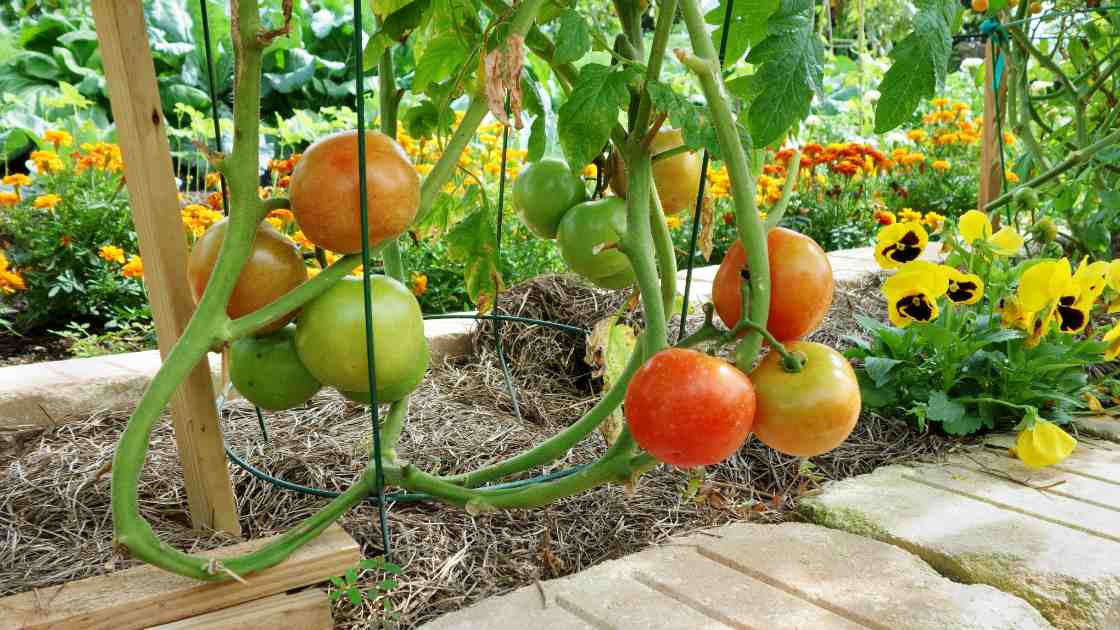
When plants receive adequate moisture, they grow consistently. Their leaves appear vibrant and full. New shoots emerge regularly. The stems stand upright and strong. However, when water becomes scarce, plants must prioritize survival over growth.
According to the USDA, most garden plants require approximately one inch of water per week, though this varies based on climate, soil type, and plant species. Therefore, monitoring your garden’s water needs becomes essential for optimal growth.
Why Growth Slows Down When Plants Need Water
Plant growth slowdown occurs as a natural defense mechanism. When soil moisture drops below optimal levels, plants shift their energy away from producing new growth. Instead, they focus on maintaining existing tissue and preserving precious water reserves.
The process happens gradually at first. Plants close their stomata, tiny pores on leaf surfaces that release water vapor. This action reduces water loss but also limits carbon dioxide intake needed for photosynthesis. Consequently, the plant produces less energy and cannot support new growth.
Additionally, drought stress triggers hormonal changes within plants. They produce more abscisic acid, a hormone that signals water scarcity. This hormone tells the plant to stop growing and prepare for challenging conditions. Meanwhile, the production of growth-promoting hormones decreases significantly.
Early Signs of Water-Related Growth Slowdown
Recognizing the early indicators of water stress helps you intervene before serious damage occurs. The first sign often appears as a subtle reduction in the rate of new growth. New leaves emerge smaller than usual or take longer to unfold.
Young plants show symptoms more quickly than established ones. Seedlings may stop developing additional leaves. Vegetable plants might pause flower or fruit production. Ornamental plants could delay blooming or produce fewer flowers than expected.
Furthermore, existing leaves may appear slightly dull rather than glossy. The overall plant vigor seems reduced even though no obvious wilting has occurred. These subtle changes serve as your garden’s early warning system.
Visible Symptoms That Confirm Water Shortage
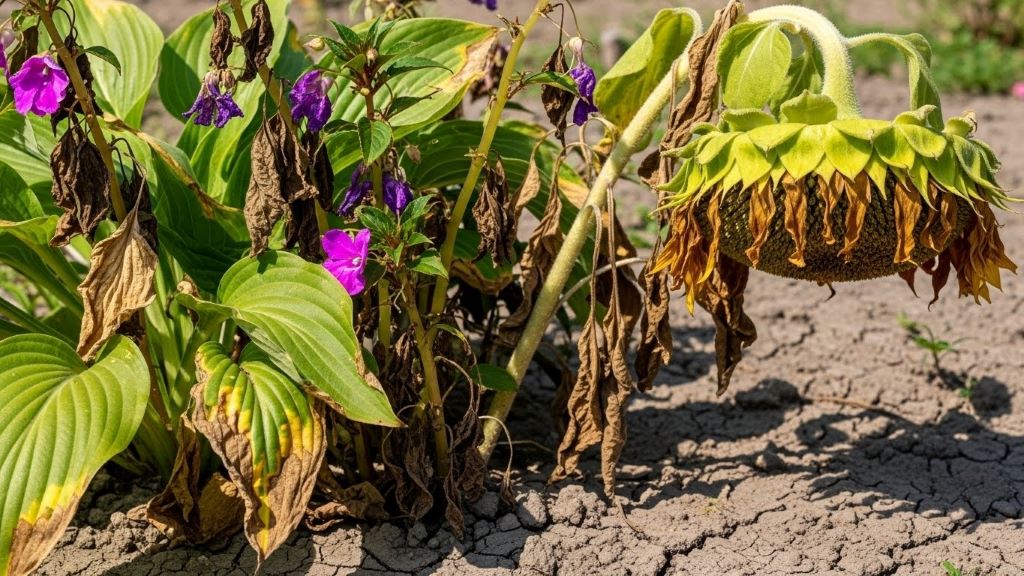
As water stress intensifies, more obvious symptoms emerge. Leaf wilting becomes the most recognizable sign. Leaves droop downward as cells lose turgor pressure, the internal water pressure that keeps them firm and upright.
However, wilting alone does not always indicate water shortage. Plants may wilt temporarily during hot afternoons even with adequate soil moisture. Therefore, check the soil before watering. Stick your finger two inches into the soil near the plant base. Dry soil confirms the need for water.
Other visible symptoms include leaf curling, where edges roll inward to reduce surface area exposed to air. Older leaves may turn yellow or brown, particularly at the tips and edges. The plant sacrifices these mature leaves to preserve water for younger, more productive tissue.
Different Plants Show Different Stress Responses
Not all plants respond identically to water shortage. Understanding these variations helps you prioritize watering efforts during dry periods.
Shallow-rooted plants like lettuce, radishes, and annual flowers suffer first. Their limited root systems cannot access deep soil moisture. Growth slowdown appears within days of inadequate watering.
Deep-rooted plants such as tomatoes, peppers, and established shrubs tolerate short dry spells better. Nevertheless, extended drought eventually affects them too. Their growth slowdown might take weeks to become noticeable.
Succulent plants store water in their tissues and show remarkable drought tolerance. However, even these hardy plants eventually stop growing when water becomes severely limited. Their leaves may wrinkle or shrivel as internal water reserves deplete.
Soil Type Affects Water Availability
The soil composition in your garden significantly influences how quickly plants experience water stress. Sandy soils drain rapidly and require more frequent watering. Plants growing in sandy conditions show drought symptoms sooner after rainfall or irrigation stops.
Clay soils hold water longer but present different challenges. When clay soil dries out completely, it becomes hard and nearly impervious to water. Additionally, compacted clay limits root growth and reduces the soil volume available for water storage.
Loamy soil, a balanced mixture of sand, silt, and clay, provides ideal water-holding capacity. It retains moisture while allowing excess water to drain away. According to research from Cornell University, improving soil structure with organic matter enhances water retention and supports consistent plant growth.
How to Confirm Your Garden Needs Water
Several methods help you determine whether water shortage causes growth slowdown. The finger test remains the simplest approach. Insert your finger into the soil up to the second knuckle. If the soil feels dry at this depth, watering is necessary.
Moisture meters provide more precise measurements. These affordable tools have probes that you push into the soil. A gauge displays the moisture level, eliminating guesswork. However, ensure the probe reaches the root zone for accurate readings.
Observing plant behavior throughout the day offers additional clues. Plants that perk up after evening temperatures drop but wilt during midday heat likely need more water. Conversely, plants remaining wilted regardless of temperature require immediate attention.
Proper Watering Techniques to Restore Growth
Once you confirm water shortage, proper watering techniques help plants recover and resume growth. Water deeply rather than frequently. Light, shallow watering encourages shallow root development, making plants more vulnerable to drought.
Apply water directly to the soil around plant bases rather than overhead. This method reduces water waste through evaporation and keeps foliage dry, preventing fungal diseases. Soaker hoses and drip irrigation systems deliver water efficiently to root zones.
Water during early morning hours when temperatures are cooler. This timing allows plants to absorb moisture before the heat of the day. Additionally, morning watering reduces the risk of fungal problems that thrive in prolonged leaf wetness.
Prevention Strategies for Consistent Growth
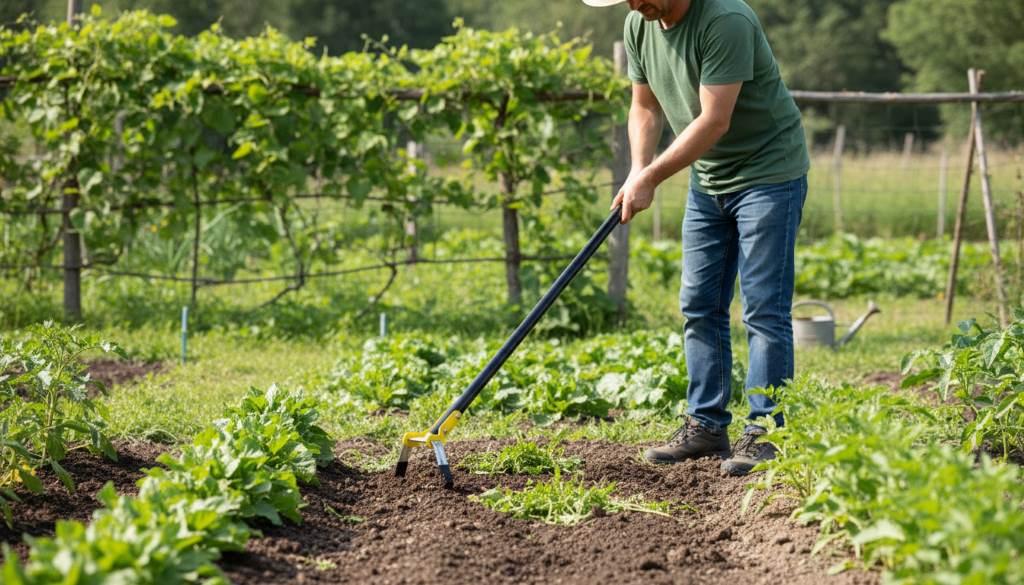
Preventing water-related growth slowdown proves easier than correcting it. Mulching around plants conserves soil moisture by reducing evaporation. A two to three-inch layer of organic mulch also moderates soil temperature and suppresses weeds that compete for water.
Furthermore, improving soil quality enhances water retention. Adding compost annually increases organic matter content, which acts like a sponge in the soil. Healthy soil structure allows roots to grow deeper and access moisture during dry periods.
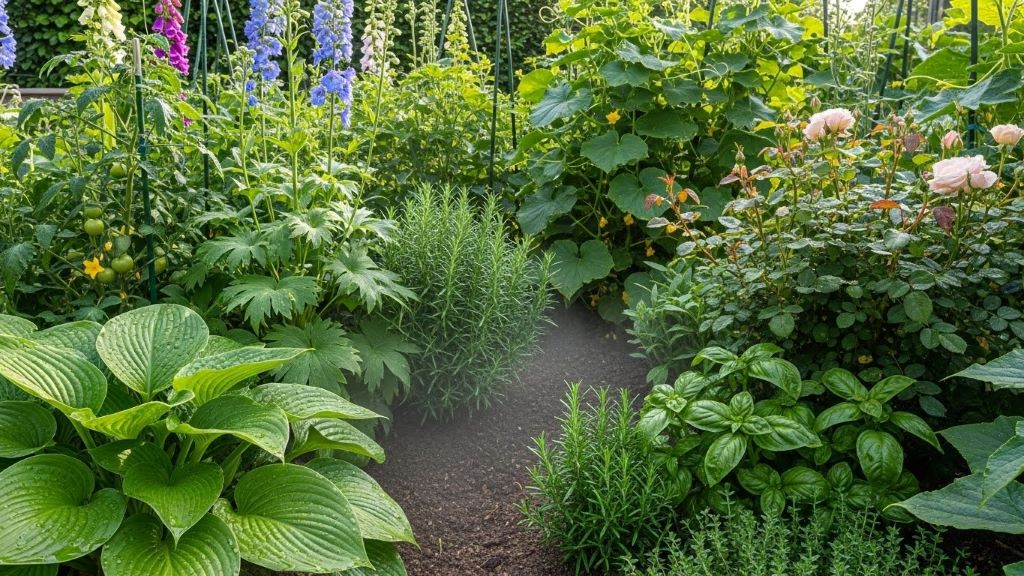
Choosing drought-tolerant plant varieties reduces watering demands. Native plants adapted to your region’s rainfall patterns naturally require less supplemental irrigation. Therefore, incorporating these species into your garden design creates a more resilient landscape.
Recovery Time After Watering
Plants respond to watering at different rates depending on stress severity and plant type. Mildly stressed plants may show improvement within hours. Leaves regain firmness and stand upright again. However, resuming active growth takes longer.
Expect a waiting period of several days to two weeks before new growth appears after correcting water shortage. The plant needs time to restore internal water balance and reactivate growth hormones. During this recovery period, avoid fertilizing, as stressed plants cannot effectively use added nutrients.
Severely stressed plants require more patience. Some damaged leaves may never fully recover and should be removed once new healthy growth emerges. Nevertheless, most plants demonstrate remarkable resilience when proper watering resumes consistently.
When Growth Slowdown Indicates Other Problems
While water shortage commonly causes growth slowdown, other factors produce similar symptoms. Nutrient deficiencies, particularly nitrogen shortage, result in stunted growth and yellowing leaves. Pest infestations and root diseases also impair plant development.
Therefore, consider the complete picture before concluding water shortage is responsible. Check for insect activity on leaves and stems. Examine roots for signs of rot or damage if growth fails to resume after adequate watering. Soil testing reveals nutrient imbalances that might require correction.
Temperature extremes also slow plant growth regardless of water availability. Cool-season plants naturally reduce growth during summer heat. Warm-season plants struggle when temperatures drop below their preferred range. Understanding your plants’ optimal growing conditions helps you distinguish water stress from other growth limitations.
Conclusion
Plant growth slowdown serves as a valuable indicator that your garden needs water. Recognizing this signal early allows you to intervene before plants suffer permanent damage. Water drives every aspect of plant development, from nutrient transport to photosynthesis. When moisture becomes limited, plants naturally prioritize survival over growth.
By understanding the connection between water availability and plant performance, you can maintain a thriving garden. Monitor soil moisture regularly using simple tests like the finger method or moisture meters. Implement proper watering techniques that deliver moisture efficiently to root zones. Additionally, build long-term resilience through mulching, soil improvement, and strategic plant selection.
Remember that healthy plants grow consistently throughout their active season. When growth suddenly slows without obvious explanation, check the water situation first. This simple step often solves the problem and gets your garden back on track toward lush, vibrant growth.
Frequently Asked Questions
How long can plants survive without water before growth stops?
The survival time varies greatly by plant type and conditions. Annual flowers and vegetables may show growth slowdown within three to five days without water. Established perennials and shrubs can endure one to two weeks. Drought-tolerant species may continue growing for several weeks. However, consistently moist soil produces the best growth results.
Can overwatering also cause growth slowdown?
Yes, excessive water creates oxygen-poor conditions in soil that suffocate roots. Root damage from overwatering prevents nutrient uptake and causes growth slowdown similar to drought stress. Therefore, balance is essential. Allow the top inch of soil to dry between waterings for most plants.
Should I fertilize plants showing water-related growth slowdown?
No, wait until plants recover before adding fertilizer. Stressed plants cannot effectively absorb nutrients, and fertilizer may damage compromised roots. First, restore consistent watering for one to two weeks. Then resume normal fertilization once active growth resumes and plants appear healthy.
How much water does my garden actually need each week?
Most gardens require about one inch of water weekly during the growing season, equivalent to roughly six gallons per square yard. However, requirements increase during hot weather or for shallow-rooted plants. Sandy soils need more frequent watering than clay soils. Monitor your specific conditions and adjust accordingly.
Will plants return to normal growth rates after proper watering resumes?
Yes, most plants resume normal growth once you correct water shortage. Recovery time ranges from a few days for mild stress to several weeks for severe drought damage. Some older leaves damaged during drought may not recover, but new growth should appear healthy and vigorous.
Related Topics:
When Not to Water: Avoiding the Worst Times for Your Plants’ Health
Vertical Garden Ideas to Liven Up Your Balcony: Your Ultimate Guide to Urban Oasis Creation