Small blackberry fruit usually signals crowded canes, weak pollination, or uneven watering. Meanwhile, healthy leaves often hide these limits completely. Fortunately, each major cause leaves a different visible clue on fruit.
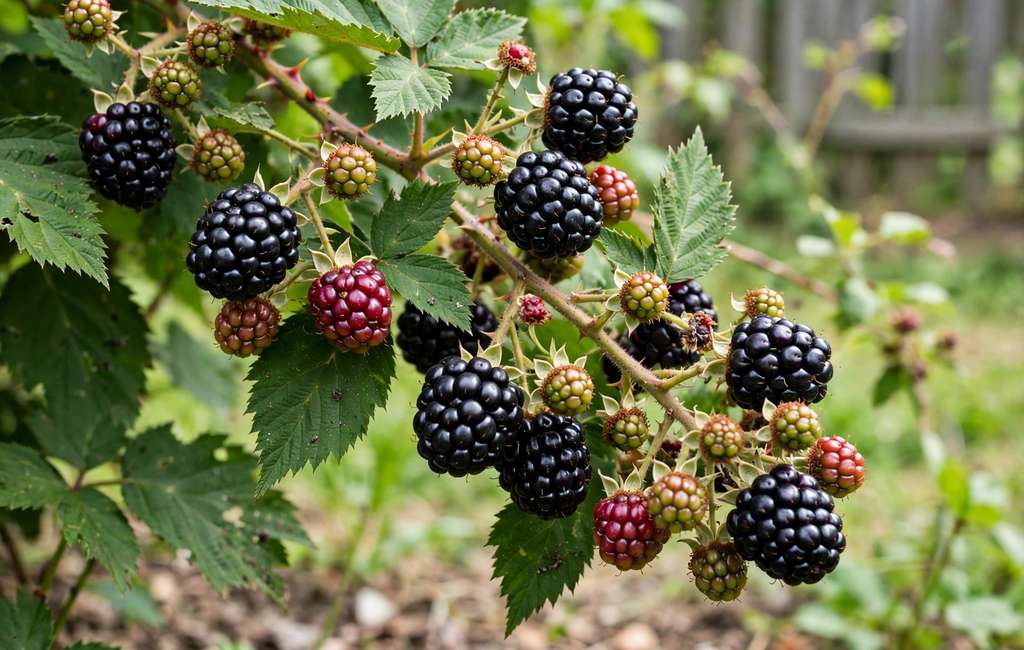
Each blackberry forms an aggregate fruit from many tiny drupelets. Each fertilized pistil swells into one juicy drupelet. Learning when to prune blackberries helps you remove weak canes before fruiting starts. Unfilled drupelets stay small and often make berries crumbly.
First, check cane crowding, soil moisture, and bloom visits. Afterward, you can fix the real limit instead of guessing. This guide walks through each cause and matching fix.
What Small Blackberry Fruit Is Missing
Each flower carries many pistils on a central receptacle. Bees move pollen between stamens and pistils during bloom. However, only fertilized pistils develop into plump drupelets. Growers often blame variety first when size disappoints them.
A full berry packs dozens of drupelets tightly together. Missing drupelets leave gaps and shrink overall berry size. Similarly, short water or food supplies limit drupelet filling.
Observe one ripe berry closely before you change anything. Full berries feel firm, heavy, and evenly filled throughout. Light, seedy berries signal missing drupelets or stalled filling.
Overcrowded Canes Steal Light and Energy
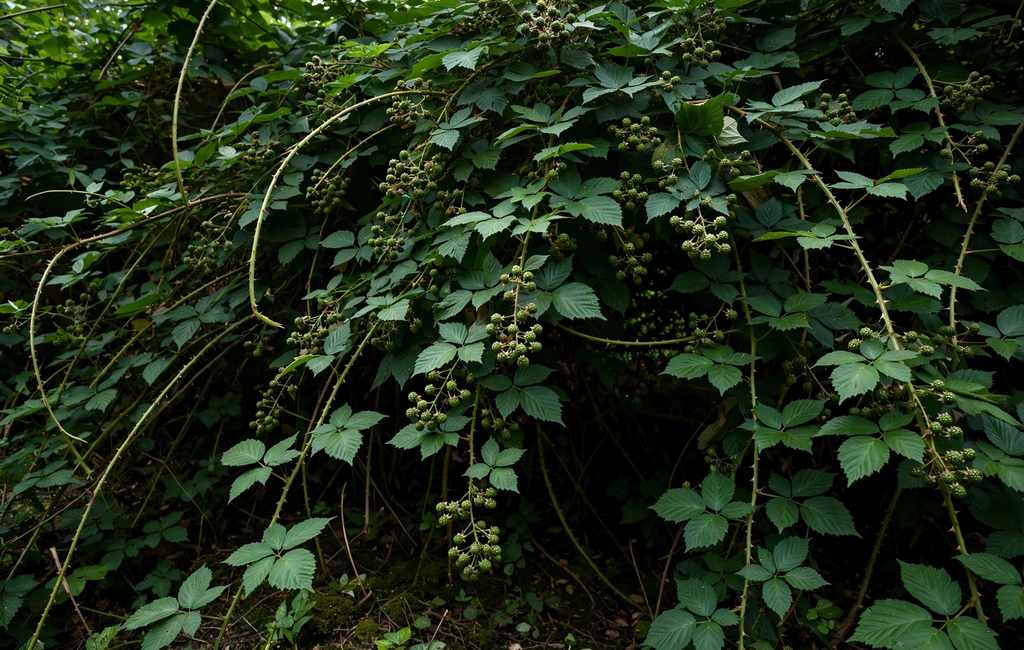
Unthinned bushes push too many canes through one crown. Those canes then compete fiercely for light, water, and nutrients. Consequently, each fruiting cane receives less than it needs.
Weak laterals also produce fewer flowers and smaller fruit clusters. Dense shade keeps inner fruit cool, damp, and slow-ripening. In contrast, open canes catch sun across every cluster.
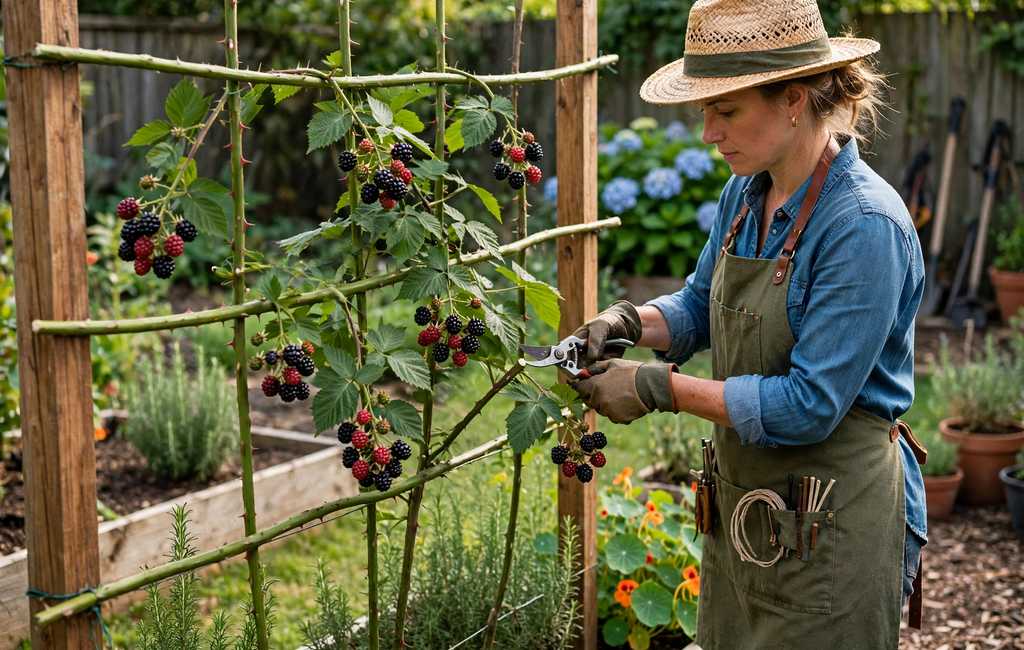
Training canes onto wires spreads growth into open light. Tied canes also dry faster after rain showers pass. Better airflow then lowers fungal pressure around ripening fruit.
Thin plants to four or five strong canes each. Next, shorten long laterals to about twelve inches. Remove spent floricanes promptly after harvest ends each season. Small blackberry fruit often traces back to crowded, shaded canes.
Inconsistent Watering Shrinks Small Blackberry Fruit
Berries consist mostly of water during final swelling. Actually, fruit expands rapidly during the final ripening week. Dry spells then halt expansion before berries reach full size.
Alternating drought and soaking also stresses roots and canes. Instead, keep soil evenly moist throughout fruit development. Give plants roughly one inch weekly during dry weather.
Meanwhile, mulch holds moisture and steadies soil temperature between waterings. Likewise, drip lines deliver water directly to thirsty roots. Finally, check moisture below the surface before watering again.
Check containers and raised beds more often during heat. Shallow soils dry quickly and swing between extremes daily. Consistent moisture matters more than occasional heavy soakings overall. Uneven watering produces small blackberry fruit during dry spells.
Incomplete Pollination Leaves Small Blackberry Fruit
Cool, wet, or windy bloom weather keeps bees away. As a result, fewer bee visits leave many pistils unfertilized. Those missing drupelets make berries look lopsided or crumbly.
Blackberries self-pollinate, yet bees still improve drupelet fill greatly. Also, plant nearby flowers and give bees calm morning access. Above all, never spray insecticide while plants bloom.
Rain during peak bloom grounds bees for critical hours. Flowers open over many days, though, so later visits help. Nearby flowering herbs extend forage before and after bloom. Poor pollination leaves small blackberry fruit with unfilled drupelets.
Nutrient Gaps Limit Small Blackberry Fruit Filling
In particular, potassium supports fruit filling, firmness, and sugar movement. Low potassium often coincides with small, soft, bland berries. Still, excess nitrogen pushes leafy canes instead of fruit.
Always test soil before you feed any plant. A test reveals pH, potassium, and other nutrient levels. Then apply only nutrients your results actually show as lacking.
Brown leaf edges often accompany low potassium in fruiting plants. Yellowing between veins can signal other nutrient imbalances instead. Guessing from leaves alone often misleads even experienced growers. Feeding plants rarely fixes small blackberry fruit alone.
Heat, Pests, and Damaged Canes Add Stress
Intense heat during ripening stresses fruit and halts sugar buildup. Indeed, sun-exposed drupelets can bleach white under harsh heat. Afternoon shade cloth helps only during extreme heat waves.
Tarnished plant bugs pierce flowers and developing drupelets directly. Anthracnose and cane damage also weaken fruiting wood quietly. Inspect canes closely and remove badly damaged wood promptly.
Meanwhile, healthy foliage sometimes masks cane borer damage inside stems. Swellings on canes signal borer activity beneath the bark. Cut out swollen canes and destroy them away from plants.
Diagnose Small Blackberry Fruit Before Treating
Start with the pattern across the whole planting. Uniform small fruit usually points to one shared growing limit. Scattered damage, however, suggests local pests or injured canes.
- Crowded canopy: Look for tangled canes, deep shade, and weak laterals.
- Dry root zone: Dig down and check moisture several inches deep.
- Poor drupelet fill: Count gaps and crumbly sections on ripe berries.
- Quiet bloom period: Watch flowers on calm mornings for bee visits.
- Unknown soil status: Send a soil sample before adding any feed.
- Small-fruited variety: Compare berry size against the variety’s normal description.
Match one fix to each confirmed cause you find. Changing everything at once hides what actually worked later. Recheck berry size after each change across several pickings. Diagnosing small blackberry fruit starts with light, water, and bees.
Frequently Asked Questions
Why are my blackberries so small?
Crowded canes, uneven watering, weak pollination, or low potassium usually limit berry size most.
Why are my blackberries small and dry?
Dry soil during fruit swelling usually leaves berries small, hard, and noticeably dry.
How do I get bigger blackberries?
Thin canes, water steadily, feed by soil test, and protect bees.
Can poor pollination make blackberries crumbly?
Yes, unfertilized pistils leave missing drupelets, so berries break apart when picked.
Should I fertilize blackberries with small fruit?
Test soil first, because guessing often adds nitrogen without fixing potassium.
Conclusion
Small berries reward careful diagnosis rather than random treatments. Thin crowded canes, steady the water, and protect pollinators first. Bigger fruit starts with fewer, stronger, well-lit canes.
Start this week by counting canes and checking soil moisture. Then book a soil test and watch bloom activity closely.