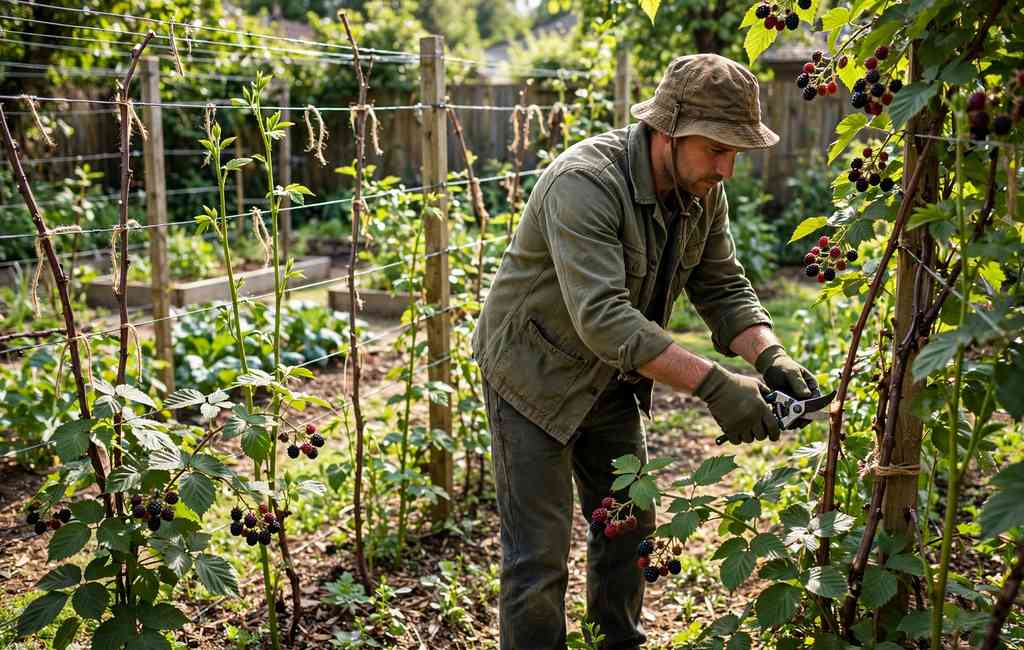
Prune most blackberries in late winter while canes stand fully dormant. Then remove spent floricanes right after harvest ends each summer. Gardeners who check the best month to prune blackberry bushes against local weather usually time jobs well. When you match cuts to cane age and season, plants stay healthier and fruit more reliably.
Timing matters because each cane fruits only during one season. Meanwhile, young primocanes quietly build next season’s harvest all summer long. Once you learn cane age, every cut becomes simple and confident. Before long, tangled thickets become open, ordered, fruitful, and far easier to pick each season.
Start With Cane Age, Not the Calendar
First, learn cane age before you study dates or seasons. A blackberry crown sends fresh canes upward every single spring. Still, each individual cane follows a strict two year life.
During year one, a cane grows leaves and stores energy. During year two, that same cane flowers and bears fruit. After fruiting, the cane declines and never fruits again.
Primocanes Grow First and Fruit Later
Primocanes emerge from the crown during spring and grow quickly. Usually, they look green, flexible, and vigorously leafy all summer. Because they carry no fruit, beginners often underestimate their importance.
Yet primocanes carry the buds that produce next season’s crop. When you protect healthy primocanes, you protect future harvests directly. Conversely, cutting them carelessly removes fruit before it even forms.
Later, primocanes harden and turn woody as autumn approaches. Their bark darkens gradually while leaves thin and drop away. By winter, they resemble older canes at first glance.
Floricanes Flower, Fruit, and Finish
Floricanes begin spring as second year canes from last season. Soon, they push short lateral branches bearing flower buds. Then those laterals bloom and set the summer harvest.
After harvest, floricanes fade, dry out, and slowly die. Their bark often peels and looks grey or dull brown. Meanwhile, new primocanes beside them stay green and supple.
Gardeners who master primocane vs floricane pruning decisions avoid the costliest mistake in blackberry care. That mistake involves cutting green canes and keeping spent ones. Once cane age clicks, pruning sessions feel calm and methodical.
Simple Clues That Reveal Cane Age
First, squeeze a cane gently between your fingers. Primocanes feel firm yet slightly springy and smooth outside. Floricanes feel rigid, brittle, and rough under your hand.
Next, look closely at colour along the full cane length. Young canes often show green, red, or purple tints. Older fruiting canes show paler, weathered, and flaking bark.
Also, check for old fruit stems on the laterals. Spent floricanes still carry dry stalks from harvested berries. Fresh primocanes carry leaves and buds, never old fruit stalks. Knowing when to prune blackberries keeps every later decision simpler.
Have a look at a glance:
When to Prune Blackberries for Better Fruit Production
Learn when to prune blackberries, identify old canes, follow seasonal pruning schedules, and encourage healthier fruit production.
Find your blackberry pruning month by climate and cane type, then time dormant cuts, summer tipping, and harvest cleanup for stronger fruit.
Compare primocane and floricane pruning schedules side by side, from dormant cleanup and summer tipping to mowing, and choose right crop plan.
Learn to prune blackberry canes right after harvest, spot spent floricanes, cut flush at the crown, and protect next season’s primocanes now.
Learn blackberry cane tipping, when canes reach three to four feet, how much tip to remove, and how laterals build more fruit each year.
Master thornless blackberry pruning with summer tipping, post-harvest floricane removal, winter lateral work and clean cuts to protect canes.
Restore overgrown blackberry pruning with a staged plan, clear dead wood, thin primocanes hard, shorten laterals, and control regrowth.
Diagnose small blackberry fruit by checking crowded canes, watering, pollination, nutrition, and heat, then fix the cause limiting berry size.
Learn blackberry trellis training step by step, set two sturdy wires, fan floricanes, grow primocanes centrally, and retrain canes all season.
Explore essential blackberry pruning tools, including bypass pruners, loppers, protective gloves, and tool cleaning supplies.
Use blackberry disease pruning to remove infected canes, sanitize tools between cuts, thin growth for airflow, and protect healthy plants.
When to Prune Blackberries: The Seasonal Schedule
First, anchor your year around three main pruning windows. Late winter handles structure, thinning, and winter damage removal. Summer handles tipping, training, and post harvest cleanup work.
Each window serves a different purpose for the plant. When you respect each purpose, cuts stay small and purposeful. Meanwhile, plants respond with steadier growth and cleaner canopies.
- Late winter: Handle dormant pruning before buds swell and open
- Spring growth: Guide new primocanes upward and remove weak shoots early
- Early summer: Tip primocanes and tie growing canes to supports
- After harvest: Remove spent floricanes promptly at ground level
- Autumn: Clear fallen leaves and inspect canes for disease signs
- Early winter: Secure loose canes and repair supports before storms
Still, local climate shifts these windows by several weeks. Cold regions prune later because winter damage appears slowly. Warm regions prune earlier because buds wake much sooner.
So watch your plants more closely than any printed calendar. Bud swell, leaf drop, and harvest end signal real timing. Once those signals align, you can prune with confidence.
Young plants need gentler handling during their first growing season. Let new primocanes establish without tipping or heavy thinning early. Light guidance onto supports protects them while roots strengthen below.
During that establishment season, remove only broken or diseased growth. Healthy young canes build the crown that supports future harvests. Patience early prevents weak, repeatedly struggling plants later on. Gardeners decide when to prune blackberries by watching cane age closely.
When to Prune Blackberries in Late Winter, Step by Step
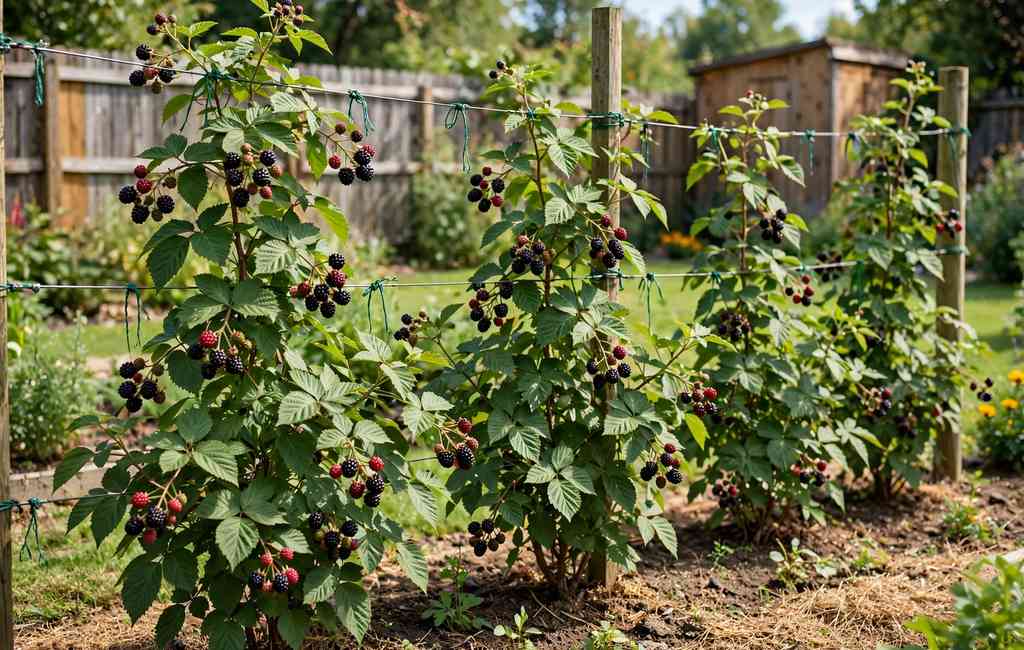
First, choose a dry day during late winter dormancy. Bare canes reveal damage, crossing growth, and weak wood clearly. Also, dormant cuts heal quickly once spring growth begins.
When to Prune Blackberries: Remove Dead Wood First
Begin every dormant session by removing obviously dead canes. Dead wood looks grey, snaps easily, and shows no green. When you scratch bark, healthy tissue shows green underneath.
Next, remove canes that cracked, split, or bent badly. Winter storms often damage tall canes near their tips. Cutting damaged sections back protects the remaining healthy wood.
Then inspect each cane base for swelling or cankers. Swollen, cracked areas often signal gall or cane disease. Remove affected canes completely and destroy them away from plants.
Thin Crowded Canes for Light and Air
After cleanup, step back and judge overall cane density. Crowded canopies trap moisture and shade developing fruiting laterals badly. Thinning opens the centre and improves air movement greatly.
Keep the thickest, straightest, and best spaced primocanes standing. Then remove thin, spindly, or badly leaning canes entirely. Most gardeners keep about four to six canes per plant.
Also, remove suckers growing far from the main crown. Suckers steal energy and create tangled growth in paths. Cutting them early keeps rows tidy and picking easy.
When to Prune Blackberries, Shorten Laterals and Tips
Once thinning ends, focus on the lateral branches themselves. Laterals carry the flowers and fruit during coming summer. Shortening them concentrates energy into fewer, stronger fruiting buds.
Trim healthy laterals back to roughly twelve to eighteen inches. Shorter laterals support heavy fruit clusters without snapping easily. Meanwhile, overly long laterals whip around and damage neighbours.
Finally, head back any main canes that grew excessively tall. Moderate height keeps harvest within reach and reduces wind damage. Still, avoid severe heading cuts on healthy fruiting wood.
Because dormant pruning removes winter damage, timing really matters here. Prune too early and later cold hides fresh damage. Prune too late and you waste emerging spring growth.
When to Prune Blackberries After Harvest Ends
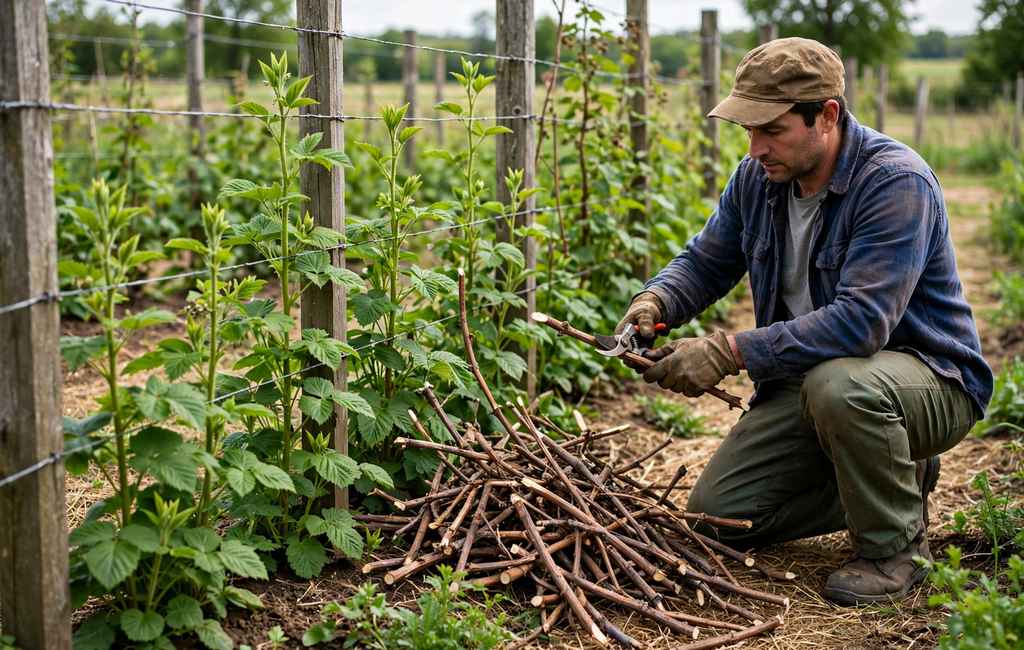
Once your final berries ripen, spent floricanes start declining fast. They will never fruit again, so they only crowd primocanes. Prompt removal gives young canes light, air, and space.
Gardeners who prune blackberry canes after harvest without delay see cleaner plants within weeks. Delayed cleanup leaves dead wood tangling through fresh growth. Later, separating brittle floricanes from supple primocanes becomes frustrating.
Cut Floricanes at the Crown
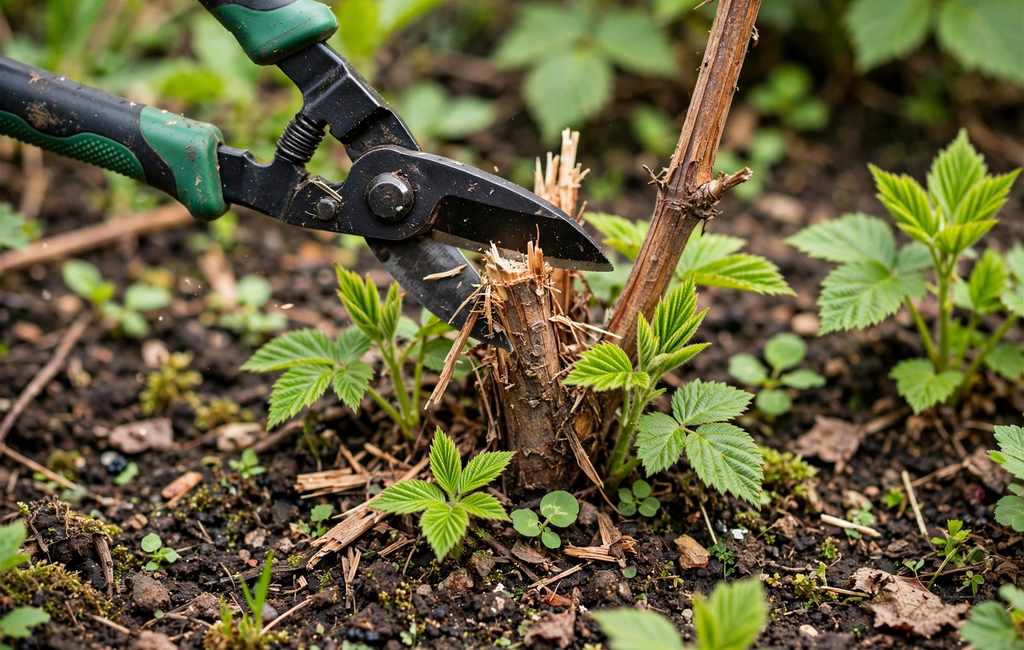
First, trace each spent floricane down to its base. Follow the cane carefully through any tangled lateral branches. Then cut it cleanly at ground level using loppers.
Avoid leaving tall stubs above the crown after cutting. Stubs rot slowly and shelter pests through the winter. Flush cuts near the crown keep plants cleaner overall.
Next, pull the cut cane out in sections. Snip tangled laterals rather than yanking the whole cane free. Careful extraction protects neighbouring primocanes from scratches and breaks.
Why Prompt Removal Helps So Much
First, removal improves airflow around the developing primocanes immediately. Better airflow dries foliage faster after rain or watering. Drier foliage discourages many fungal problems during humid weather.
Also, removal exposes hidden pests and diseased sections clearly. You can spot problems early and act before spread. Meanwhile, sunlight reaches lower buds and strengthens them noticeably.
Still, never remove green primocanes during this cleanup session. Those green canes become next season’s fruiting floricanes directly. Double check cane colour before every single cut here. Local climate changes when to prune blackberries each season.
When to Prune Blackberries During Summer Tipping
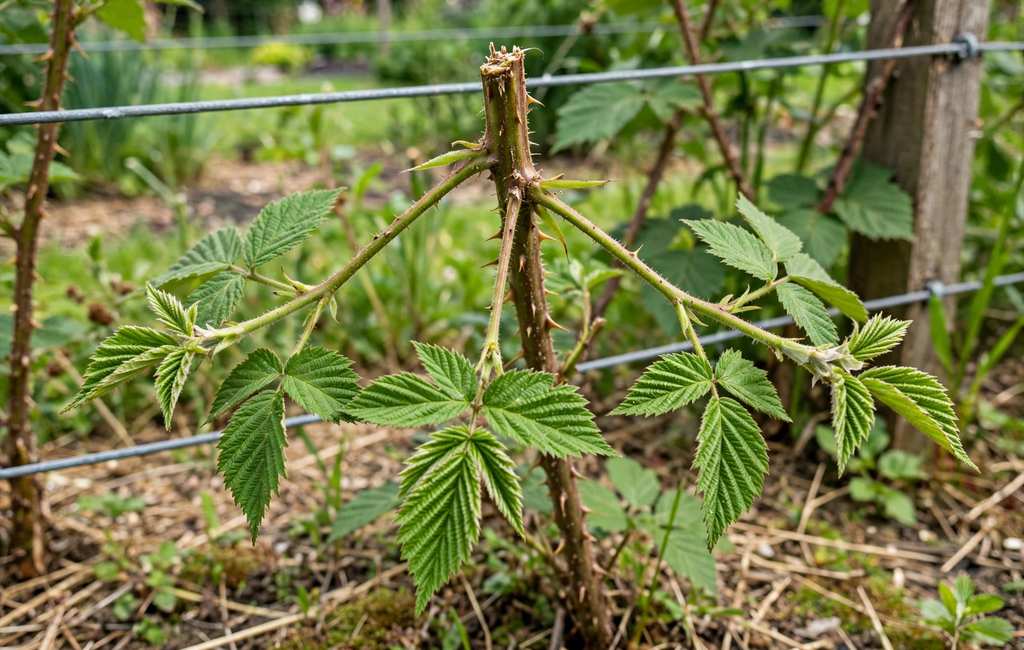
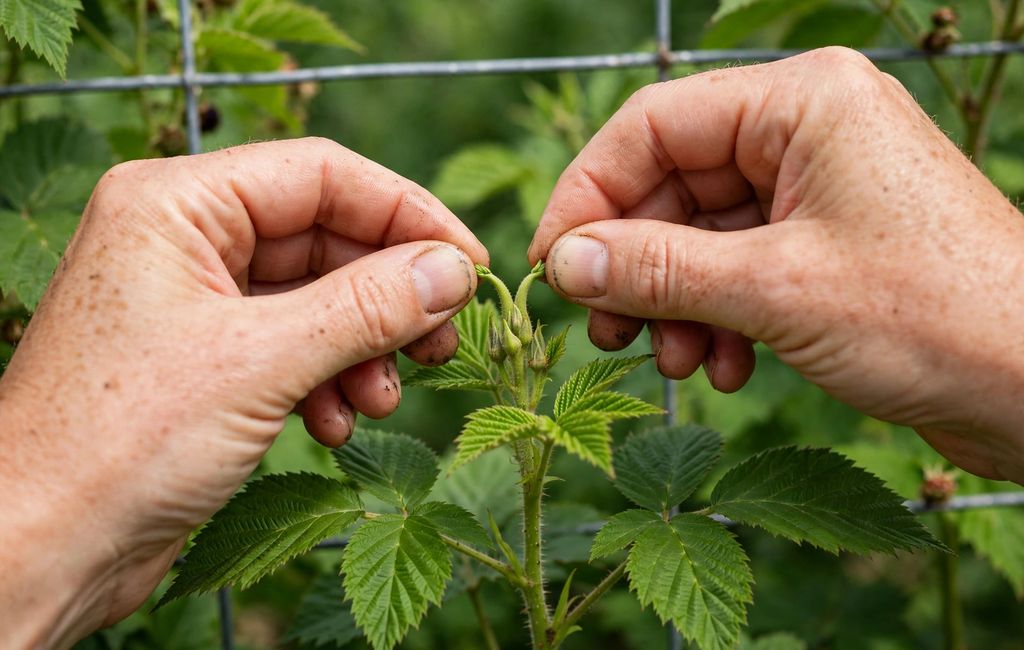
During summer, primocanes grow tall before they branch much. Left alone, they produce few laterals near their tips only. Tipping redirects growth outward into many fruiting laterals below.
Growers who tip blackberry canes during early summer gain bushier and more productive plants. Each tipped cane answers with several sturdy side branches. Those branches later carry flowers along their full length.
Tip When Canes Reach Three to Four Feet
First, watch primocane height closely during late spring growth. When canes reach roughly three to four feet, tip them. Remove just the top few inches of soft growth.
Use fingers for tender tips or pruners for firmer growth. Soft tipping tears less tissue and heals very quickly. Hard tipping needs clean blades and a precise cut.
Later, new laterals emerge below each tipping cut quickly. Those laterals lengthen through summer and harden before winter. Next spring, they become the main fruiting wood.
Repeat Tipping as Growth Continues
Because canes grow at different speeds, one pass rarely suffices. Check the planting weekly during the fastest growth period. Tip each primocane individually once it reaches target height.
Also, tip vigorous laterals that shoot far beyond neighbours. Balanced branching keeps canopies even and picking lanes open. Still, stop tipping well before autumn cold arrives.
Late tipping pushes tender growth that winter damages easily. Tender tips freeze, blacken, and invite disease entry points. When growth slows naturally, you should stop tipping entirely.
Adjust Tipping for Growth Habit
Erect types branch readily after one firm tipping cut. Their stiff canes stand upright and support laterals well. Gardeners often tip erect primocanes once per season only.
Semi erect types grow longer and benefit from repeated checks. Their canes arch outward and need support sooner. Trailing types need tying before tipping decisions make sense.
Meanwhile, primocane fruiting types need gentler summer tipping judgement. Heavy tipping delays their autumn crop on new canes. Light, early tipping balances branching against harvest timing. You learn when to prune blackberries by tracking harvest dates yearly.
When to Prune Blackberries on Primocane Types
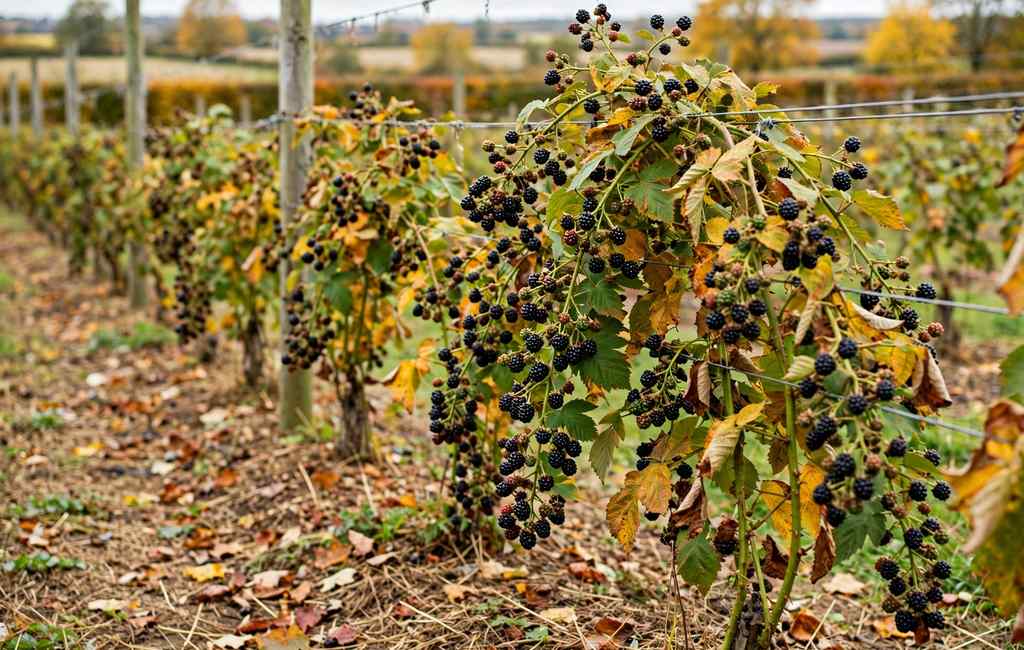
Primocane fruiting types break the traditional two year pattern. Their first year canes flower near their tips during autumn. Gardeners gain a late crop without overwintering those canes.
Because their fruiting habit differs, their pruning choices differ too. You choose between one autumn crop or two smaller crops. Each strategy changes when and how you cut.
The Single Crop Mowing Strategy
First, consider mowing every cane down during late winter. Fresh primocanes then grow, flower, and fruit that autumn. This simple approach suits cold gardens especially well.
Mowing removes winter damage worries and simplifies annual care greatly. New canes start evenly and reach similar heights together. Also, disease carryover drops because old wood disappears completely.
Still, mowing sacrifices any early summer crop from overwintered canes. Gardeners choosing mowing accept one concentrated autumn harvest instead. For many beginners, that trade feels worthwhile and manageable.
The Double Crop Strategy
Alternatively, keep fruited primocanes standing through the winter months. Next spring, those canes fruit lower down during early summer. Meanwhile, fresh primocanes grow for the autumn crop.
During dormancy, prune away only the dead fruited tip sections. Cut just below the section that bore autumn fruit. Healthy lower buds then produce the early summer crop.
After that early crop finishes, remove those canes completely. They have fruited twice and finished their useful life. Then autumn primocanes take over the planting again.
Fall Tipping for Primocane Types
During late summer, light tipping can spread autumn flowering. Removing small tips encourages laterals that flower slightly later. Staggered flowering can extend picking across more weeks.
However, excessive fall tipping removes the earliest fruiting tips. Those upper tips carry the first ripe autumn berries. So tip primocane types sparingly and observe results carefully.
Because responses vary by cultivar, track your results yearly. Note tipping dates, harvest dates, and overall berry quality. Your own records eventually beat generic advice for timing. Experience teaches when to prune blackberries without harming primocanes.
When to Prune Blackberries by Growth Habit
First, identify whether your plants grow erect or trailing. Habit changes support needs, tipping height, and training style. Pruning without considering habit creates unnecessary work later.
Erect Blackberries Stand Mostly Alone
Erect types grow stiff, upright canes with thick bases. They often form hedgerows from spreading underground root suckers. Containing suckers becomes a regular part of pruning them.
During summer, tip erect primocanes to encourage strong branching. Their branches support fruit loads without extensive trellis systems. Still, a simple support prevents storm damage in exposed gardens.
During dormancy, thin hedgerows into clear, separated individual canes. Spacing improves picking access and reduces hidden rotten fruit. Crowded hedgerows quickly become thorny and unproductive inside.
Semi Erect and Trailing Types Need Support
Semi erect canes grow upright first, then arch outward gracefully. Without support, their tips touch soil and root easily. Trailing canes sprawl even lower and tangle very quickly.
Train these canes onto wires before they become unmanageable. Prune tips only after canes reach their support wires comfortably. Then laterals develop along the supported length quite evenly.
After harvest, untie spent floricanes before cutting them out. Untying prevents damage to ties and neighbouring primocanes nearby. Then retie remaining primocanes neatly into their final positions.
Thornless Types Follow the Same Rules
Thornless types fruit on canes exactly like thorned relatives. Their smooth stems simply make handling far more pleasant. Gardeners often prune them more thoroughly because access feels easier.
Growers learning to prune thornless blackberry bushes should watch for thorny suckers appearing occasionally. Some thornless plants send thorny growth from below graft points. Remove thorny reversions promptly at their base completely.
Also, thornless canes can grow exceptionally long during summer. Long canes need timely tying and moderate tip control. Neglected thornless plantings become sprawling thickets surprisingly fast.
Still, never assume thornless plants need less sanitation care. Their cuts and old canes carry disease just like thorned types. Clean tools and prompt cleanup protect them equally well.
Trellis Training and When to Prune Blackberries
First, picture pruning and training as one combined job. Every cut decides where future growth will fill space. Every tie decides how that growth receives light.
Gardeners who train blackberry canes on a trellis while pruning finish both jobs faster. Separate sessions usually mean handling the same canes twice. Combined work also reveals crowded sections much more clearly.
Separate Fruiting and Growing Canes
During summer, floricanes occupy the trellis while primocanes emerge below. Keeping generations apart simplifies harvest and later cleanup greatly. Some gardeners train fruiting canes to one side only.
One sided training makes post harvest removal extremely straightforward. You cut and clear one side without disturbing new growth. Meanwhile, primocanes claim the freed space almost immediately.
Alternatively, fan canes outward across several horizontal support wires. Fanning spreads laterals and exposes fruit to even light. Even light improves ripening consistency across the whole plant.
Tie Loosely and Recheck Ties Regularly
First, tie canes loosely enough for stems to thicken naturally. Tight ties cut into expanding bark and weaken canes. Soft ties with some stretch forgive growth best.
Next, recheck ties after storms and rapid growth spurts. Canes slip, sag, and rub against wires over time. Small adjustments prevent bark wounds and broken laterals later.
During dormant pruning, replace frayed ties before spring growth begins. Fresh ties hold better through the heavy fruiting season. Also, tighten sagging wires before canes gain weight.
When to Prune Blackberries Below the Fruiting Zone
Laterals growing near the soil splash easily during rain. Splashed soil spreads fungal spores onto leaves and fruit. Removing very low laterals reduces that splash risk significantly.
Also, low fruit touches soil and rots before ripening. Clearing the lower zone keeps berries cleaner and drier. Pickers also spot ripe fruit much faster afterwards.
Still, keep enough low foliage to shade the crown slightly. Bare crowns heat quickly during intense summer sunshine spells. Balance cleanliness against protection when removing lower growth. Notes reveal when to prune blackberries in your own garden best.
When to Prune Blackberries and Clean Up Afterwards
First, treat every pruning session as a sanitation opportunity. Old canes, fallen leaves, and rotten fruit harbour overwintering disease. Removing them breaks disease cycles before spring growth starts.
Gardeners who prune for disease prevention consistently face fewer cane problems each season. Prevention rarely feels dramatic, yet its benefits accumulate quietly. Healthy canes simply fruit longer and more reliably overall.
Recognise Common Warning Signs on Canes
Purple spots on primocanes often signal early cane disease infection. Such spots enlarge, darken, and crack as disease progresses further. Mark infected canes early and plan their removal carefully.
Grey mould on old fruit indicates lingering fungal pressure nearby. Orange rust appears as bright pustules beneath infected leaves. Rust infected plants need complete removal, roots included ideally.
Also, swollen galls near cane bases indicate bacterial problems. Galled canes grow weakly and produce disappointing fruit clusters. Remove galled canes during dormancy and disinfect tools afterwards.
Disinfect Tools Between Sick and Healthy Plants
First, clean sap and debris from blades before disinfecting them. Dirty blades resist disinfection and spread material between cuts. A quick wipe keeps disinfectant contact effective throughout.
Next, disinfect blades after cutting any diseased cane section. Move from healthy plants towards sick plants whenever possible. That order reduces accidental spread during long pruning sessions.
Also, carry pruned diseased material away from healthy plantings immediately. Never drop infected canes beside crowns for later collection. Bag or burn diseased material where local rules allow.
Clear the Ground Beneath Your Plants
Fallen leaves trap moisture against crowns during wet weather periods. Rake leaves and old mulch away after dormant pruning finishes. Fresh mulch applied afterwards suppresses splashing and weeds effectively.
Mummified berries left hanging carry fungal spores into spring. Pick them off during every pruning session you schedule. Also, remove berries dropped beneath canes during harvest season.
Still, keep cleanup gentle around shallow surface roots nearby. Aggressive digging damages roots and stresses recovering plants unnecessarily. Hand clearing protects roots while removing risky debris well. Weather shifts when to prune blackberries by several weeks yearly.
When to Prune Blackberries in Overgrown Plantings
First, accept that rescuing a thicket takes several staged sessions. Cutting everything at once shocks plants and invites weak regrowth. Staged work restores order while preserving some harvest continuity.
Gardeners who prune overgrown blackberry bushes patiently usually save established crowns worth keeping. Old crowns often regrow vigorously once light reaches them. Patience turns an intimidating thicket into manageable rows again.
Stage One, Clear Access and Dead Wood
Begin by cutting a working path into the thicket edge. Wear protection and work slowly through tangled outer canes first. Clear footing prevents falls and accidental cuts later on.
Next, remove every obviously dead cane at ground level. Dead wood forms a surprising share of most neglected thickets. Once dead wood leaves, living cane structure appears clearly.
Then drag cut material away before making further cuts. Piles of thorny clippings hide footing and slow progress. Frequent clearing keeps the work area safe and visible.
Stage Two, Select and Shape Living Canes
After dead wood clears, judge each living cane individually again. Keep young, thick primocanes with healthy buds along them. Remove ancient, scarred, and repeatedly damaged canes completely instead.
Thin survivors until light reaches every remaining cane surface. Then shorten excessively long laterals to manageable lengths carefully. Finally, tie selected canes onto repaired supports securely.
Still, expect a reduced harvest during the rescue year itself. Removing old fruiting wood inevitably removes some potential fruit. Next season usually rewards restraint with stronger, cleaner growth.
Stage Three, Maintain the Recovery
During the following summer, tip new primocanes on schedule. Fresh growth responds quickly once crowns regain light exposure. Consistent tipping prevents another thicket forming within seasons.
Also, remove new suckers outside the row every few weeks. Small suckers pull out or cut far more easily early. Neglect lets them thicken into another tangled problem quickly.
Meanwhile, feed recovery through mulch and steady watering practices. Stressed crowns rebuild roots before pushing maximum top growth again. Balanced recovery produces sturdier canes for future fruiting cycles.
Common Mistakes That Shrink Your Harvest
First, cutting all canes down on floricane types tops the list. That single mistake removes the entire coming summer crop. Always confirm fruiting type before any wholesale cutting begins.
Meanwhile, when blackberry bushes produce small berries repeatedly, crowded unpruned canes often share the blame. Overcrowded laterals compete for energy and produce undersized fruit. Proper thinning gives remaining clusters room to size up.
When Not to Prune Blackberries: Timing Errors
Cutting during flowering removes blooms that become your harvest directly. Wait until fruiting finishes before removing those particular canes. Meanwhile, use flowering time for tying and inspection instead.
Pruning during prolonged wet weather spreads disease through fresh wounds. Pathogens travel easily on wet blades and splashing water droplets. Dry days protect both plants and gardeners during pruning.
Also, late autumn heading cuts can stimulate vulnerable regrowth sometimes. Tender regrowth enters winter unprepared and suffers cold damage. Earlier timing lets growth harden before frosts arrive properly.
Leaving Stubs and Making Ragged Cuts
Long stubs die back slowly and invite cane borers inside. Borers tunnel through stub pith into healthy cane sections below. Cutting close to buds or crowns prevents that entry.
Ragged cuts from dull blades crush tissue around wounds badly. Crushed tissue heals slowly and rots more readily afterwards. Sharp blades slice cleanly and leave smooth, fast healing surfaces.
Still, avoid cutting flush into the crown tissue itself carelessly. Crown damage weakens the source of all future canes. Aim just above ground level with controlled cuts.
Keeping Too Many Canes for Safety
Many beginners keep extra canes as insurance against losses. Unfortunately, extra canes shade each other and reduce fruit quality. Fewer strong canes outperform many weak canes almost always.
Crowding also hides ripe fruit from pickers during harvest time. Hidden fruit overripens, moulds, and attracts wasps and flies. Open canopies make harvest faster, cleaner, and more complete.
So trust thinning, even when removing healthy growth feels wasteful. Composted primocanes still return value through improved soil later. Meanwhile, remaining canes reward you with larger berries.
Tools, Safety, and Clean Cuts
First, gather hand pruners, loppers, and a pruning saw beforehand. Hand pruners handle tips, laterals, and thin young canes neatly. Loppers power through thick floricanes near the crown easily.
A small saw helps with ancient, oversized crowns during rescue work. Gloves protect hands from thorns during every pruning session too. Eye protection guards against springing canes and flying debris.
- Hand pruners: Cut thin canes and tips with precise control
- Loppers: Remove thick floricanes cleanly at the crown
- Pruning saw: Handle oversized old canes during thicket rescue work
- Thick gloves: Protect hands and forearms from sharp thorns
- Eye protection: Shield eyes from springing canes and debris
- Soft ties: Secure canes without cutting into expanding bark
Next, sharpen blades before tackling a full planting row. Sharp tools reduce hand strain during long repetitive cutting sessions. They also leave wounds that seal more quickly afterwards.
Also, work methodically from one end of each plant. Systematic progress prevents missed canes and accidental double cutting mistakes. Finished sections should look open, even, and clearly structured.
Finally, store cleaned tools dry after every pruning day ends. Dry storage prevents rust and keeps edges keen longer overall. Well kept tools make next season’s pruning noticeably easier.
When to Prune Blackberries and Care Afterwards
After heavy sessions, water plants deeply if rainfall stays scarce. Deep watering helps crowns recover and supports fresh spring growth. Meanwhile, avoid disturbing roots while plants redirect their energy.
Next, watch pruned plants closely during the following fortnight. Look for wilting, oozing cuts, or sudden cane dieback appearing. Early attention solves most post pruning problems quite simply.
Also, delay any major extra changes until growth resumes strongly. Changing supports, feed, and layout simultaneously muddles cause and effect. Sequential changes show clearly what actually helped your plants. Ask when to prune blackberries before buying new varieties.
When to Prune Blackberries, Month by Month
First, understand that months guide you, while plant signals confirm timing. Northern gardens shift later, while southern gardens start earlier naturally. Use months as reminders rather than rigid commands always.
- January and February: Finish dormant pruning and repair supports during dormancy
- March: Complete cleanup before buds break and growth accelerates
- April and May: Remove weak shoots and guide primocanes upward early
- June and July: Tip primocanes and harvest floricane crops as they ripen
- August and September: Remove spent floricanes and harvest primocane crops
- October: Clear debris and inspect canes before winter dormancy
- November and December: Secure canes, review notes, and plan dormant work
During spring, short weekly checks catch problems while small. You spot broken ties, wandering suckers, and disease signs early. Small corrections then prevent major pruning emergencies later on.
During harvest weeks, combine picking with light observational pruning daily. Snip obviously dead laterals and remove rotten berries immediately then. Never let harvest baskets overflow onto pruned debris piles.
After each season ends, record what worked in a notebook. Note harvest weight, berry size, and any disease appearances honestly. Those records refine next season’s pruning decisions very effectively. Timing guides explain when to prune blackberries most safely.
Frequently Asked Questions
When is the best time to prune blackberry bushes?
Prune blackberries mainly during late winter dormancy and immediately after harvest ends.
Can you prune blackberries in the summer?
Yes, gardeners prune blackberries during summer by tipping primocanes and removing spent floricanes.
Should I cut blackberries to the ground every year?
Cut primocane fruiting types down yearly only when you choose single crop management.
How far back should I prune blackberry bushes?
Shorten laterals moderately during dormancy while keeping strong main canes at manageable heights.
Do thornless blackberries need different pruning?
Thornless blackberries follow identical timing, although gardeners must remove occasional thorny reversion suckers.
Conclusion, Put Timing Into Practice
First, review your planting today and label each cane mentally. Decide whether each cane grows, fruits, or finishes this season. That single habit transforms pruning from guesswork into routine.
Next, schedule dormant pruning, summer tipping, and post harvest removal now. Mark tentative dates, then adjust them using plant signals later. Finally, sharpen your pruning tools for blackberry bushes and start with one plant this week.