In the heart of bustling cities, where concrete often dominates the skyline, the yearning for a touch of green becomes increasingly poignant. For urban dwellers, a balcony often serves as the only connection to the outdoors – a modest space with immense potential. But what if that potential could be multiplied, literally reaching new heights? Enter the vertical garden: a revolutionary approach to urban greening that transforms even the smallest balcony into a vibrant, thriving oasis.
Imagine sipping your morning coffee surrounded by cascades of fragrant herbs, blooming flowers, or even fresh, homegrown vegetables, all without sacrificing precious floor space. Vertical gardens aren’t just a trend; they’re a smart, sustainable solution to cultivate a deeper connection with nature, enhance your living environment, and breathe new life into your balcony. This comprehensive guide will explore a plethora of vertical garden ideas, from the simplest DIY solutions to more sophisticated systems, helping you unlock the full potential of your outdoor sanctuary.
Why Go Vertical? The Unbeatable Benefits for Your Balcony
The allure of a vertical garden extends far beyond its striking aesthetic. For balcony gardeners, the benefits are truly transformative:
- Space Maximization: This is the undeniable champion of vertical gardening. By growing upwards, you reclaim invaluable floor space, making your balcony feel larger and more functional. What once held a single pot can now host an entire ecosystem.
- Enhanced Aesthetics: Vertical gardens are living works of art. They introduce a dynamic texture, vibrant color, and lush greenery that instantly elevates the visual appeal of your balcony, turning a mundane space into a captivating focal point.
- Improved Air Quality: Plants are natural air purifiers. A living wall on your balcony actively filters pollutants, absorbs carbon dioxide, and releases oxygen, contributing to a healthier immediate environment.
- Noise Reduction & Privacy: A dense vertical garden can act as a natural sound barrier, dampening urban noise and creating a more tranquil retreat. Furthermore, a strategically placed green wall can offer a welcome layer of privacy from neighboring buildings.
- Stress Reduction & Well-being: Connecting with nature, even in a small way, has profound psychological benefits. Tending to your vertical garden can be a meditative and rewarding activity, reducing stress and boosting your overall mood.
- Fresh Produce & Herbs at Your Fingertips: Imagine harvesting fresh basil for your pasta, plump strawberries for your breakfast, or crisp lettuce for your salad, all from your balcony. Vertical gardens make homegrown produce a tangible reality for urbanites.
- Increased Property Value (Subtly): A well-designed, attractive balcony garden can enhance the desirability and perceived value of your home, offering a unique selling point in a competitive market.
Decoding Vertical Garden Systems: Choosing Your Perfect Match
The beauty of vertical gardening lies in its versatility. There’s a system to suit every budget, skill level, and aesthetic preference. Understanding the different types is crucial for choosing the right one for your balcony.
-
Pocket Planters / Fabric Planters:
- Description: These systems typically consist of multiple fabric pockets sewn onto a larger sheet, designed to be hung directly onto a wall or railing. They are often made from recycled PET plastic felt.
- Pros: Lightweight, highly affordable, incredibly easy to install (often just requires hooks or screws), excellent drainage, and flexible in terms of layout.
- Cons: Fabric can degrade over time due to UV exposure and weathering, requiring replacement. They can also dry out more quickly than other systems, necessitating more frequent watering.
- Best For: Herbs (mint, basil, chives, oregano), small edibles (lettuce, spinach, radishes), annual flowers (petunias, impatiens), and succulents.
-
Stackable Planters:
- Description: These ingenious systems comprise multiple tiers of pots designed to stack on top of each other, creating a freestanding vertical tower.
- Pros: Freestanding nature offers flexibility in placement, easy to assemble and reconfigure, good for beginners, and often come with integrated drainage channels.
- Cons: Can become heavy once filled with soil and plants, limiting their portability. Plant size can be restricted by the pot dimensions.
- Best For: Strawberries, succulents, a variety of flowers, and compact leafy greens.
-
Pallet Gardens:
- Description: A popular DIY favorite, this involves repurposing wooden shipping pallets into charming rustic planters by creating pockets or shelves within their structure.
- Pros: Extremely cost-effective (often free), boasts a unique rustic aesthetic, and offers a satisfying DIY project.
- Cons: Requires some carpentry skills and tools. Pallets need to be treated for outdoor use (look for “HT” stamp for heat-treated) to prevent rot and insect infestation. They can be heavy and their depth can be limited.
- Best For: Hardy herbs, small flowers, and compact vegetables like lettuce or radishes.
-
Trellis Systems / Vertical Grids:
- Description: These aren’t planters in themselves but rather structures that support climbing plants. They can be freestanding screens, wall-mounted grids, or even simple netting.
- Pros: Creates a lush, natural look as plants grow upwards, excellent for providing privacy, and allows for a variety of climbing species. Relatively low maintenance once established.
- Cons: Requires specific climbing plants, takes time for plants to establish and provide full coverage, and the system itself might not be visually appealing until the plants mature.
- Best For: Vining vegetables (cucumbers, peas, beans, cherry tomatoes), flowering climbers (clematis, morning glory, jasmine, passionflower), and ivies.
-
Hydroponic / Aeroponic Systems (Brief Mention):
- Description: These advanced, soil-less systems circulate nutrient-rich water directly to plant roots, often in a vertical tower or panel format.
- Pros: Faster plant growth, significant water efficiency, and can yield impressive harvests.
- Cons: Higher initial investment, requires more technical knowledge and monitoring, and may not be suitable for every balcony setup.
- Best For: Tech-savvy gardeners, those seeking rapid edible production, and a clean, modern aesthetic.
Plant Power: Selecting the Right Species for Your Vertical Oasis
Choosing the right plants is paramount for the success and longevity of your vertical garden. Consider these key factors:
- Sunlight Exposure: This is non-negotiable. Observe your balcony throughout the day to determine its sun exposure.
- Full Sun (6+ hours): Most edibles (tomatoes, peppers, herbs), many flowering annuals (petunias, geraniums), and succulents.
- Partial Shade (3-6 hours): Leafy greens (lettuce, spinach), some herbs (mint, parsley), impatiens, fuchsias, ferns, and hostas.
- Shade (Less than 3 hours/indirect): Ferns, mosses, ivy, peace lilies, and certain shade-loving annuals.
- Water Needs: Group plants with similar water requirements. This simplifies watering routines and prevents over or under-watering. For instance, don’t mix succulents with water-loving ferns.
- Mature Size & Growth Habit: Avoid plants that will quickly outgrow their allocated space or overwhelm their neighbors. Opt for compact, dwarf varieties or those with a naturally trailing or upright growth habit. Shallow root systems are also preferred for most vertical systems.
- Wind Tolerance: Balconies, especially on higher floors, can be exposed to strong winds. Choose sturdy plants with flexible stems that can withstand gusts, or ensure your vertical system provides adequate shelter.
Recommended Plants for Vertical Balcony Gardens:
- Edibles:
- Herbs: Mint, basil, chives, oregano, thyme, rosemary, parsley, cilantro.
- Fruits: Strawberries (trailing varieties), dwarf cherry tomatoes.
- Vegetables: Lettuce, spinach, arugula, radishes, compact bush beans, peas (for trellises).
- Ornamentals:
- Flowering: Petunias, impatiens, nasturtiums (edible flowers!), pansies, calibrachoa, lobelia.
- Foliage: Succulents (sedum, echeveria), ferns (Boston fern, maidenhair fern), coleus, spider plants, ivy (ensure it’s not invasive), hostas (for shade).
- Climbers (for Trellises): Morning glory, clematis, jasmine, passionflower, sweet potato vine, small climbing roses.
Related: Edging vs. Trenching: Unearthing the Differences for a Perfect Landscape
DIY Vertical Garden Ideas: Unleash Your Creativity
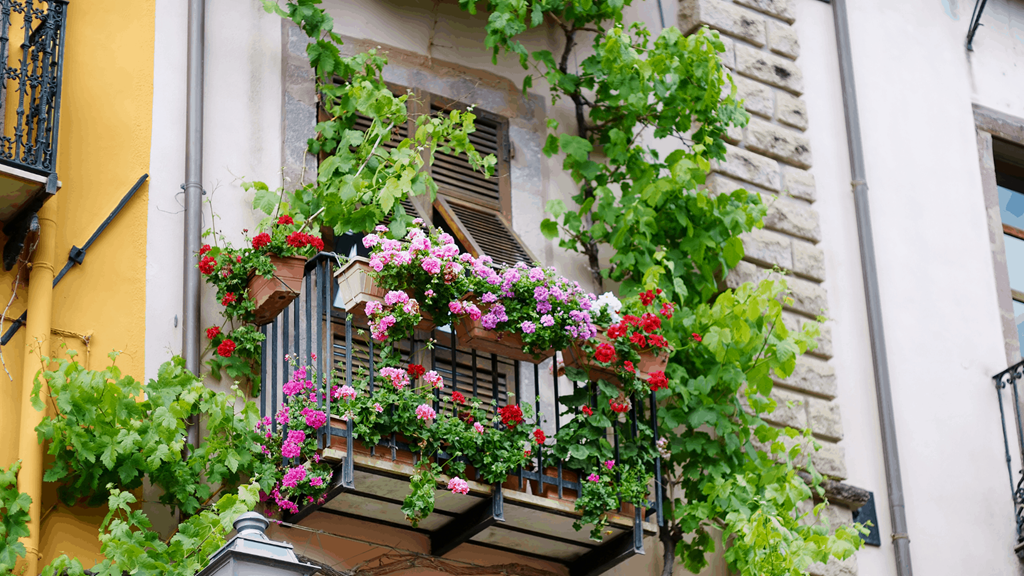
The beauty of vertical gardening is that it encourages resourcefulness. Many stunning vertical gardens can be created from repurposed household items, saving money and adding a unique, personal touch.
- Repurposed Plastic Bottle Planters:
- How: Cut plastic bottles horizontally or vertically, creating pockets for plants. String them together with strong twine or wire, creating a cascading effect.
- Why it’s Great: Extremely cheap, utilizes waste, perfect for propagating herbs or small edibles.
- Considerations: Aesthetics might not suit all decors; ensure proper drainage holes.
- Old Shoe Organizer Planters:
- How: A fabric shoe organizer with clear pockets can be hung on a wall or railing. Each pocket acts as a mini-planter.
- Why it’s Great: Simple to hang, provides numerous planting pockets instantly.
- Considerations: Limited pocket depth, fabric longevity might be an issue in harsh weather. Ideal for shallow-rooted plants.
- Ladder Planters:
- How: An old wooden ladder can be transformed by placing planks across the rungs, creating shelves for potted plants.
- Why it’s Great: Unique, rustic charm, provides tiered display.
- Considerations: Takes up floor space, ensure the ladder is sturdy and secure.
- PVC Pipe Planters:
- How: Cut sections of wide PVC pipes, drill holes for planting, and mount them horizontally or vertically.
- Why it’s Great: Durable, customizable in size and configuration, modern industrial look.
- Considerations: Requires tools for cutting and drilling, the aesthetic might be too “utilitarian” for some.
- Vertical Herb Garden with Gutters:
- How: Mount sections of old or new rain gutters horizontally to a wall or frame, creating linear planting beds.
- Why it’s Great: Excellent for herbs and small leafy greens, good drainage, and a clean, linear aesthetic.
- Considerations: Requires drilling and secure mounting; can become heavy when filled with soil and watered.
Nurturing Your Green Wall: Essential Care and Maintenance
While vertical gardens maximize space, they also present unique care considerations. Consistent and mindful maintenance is key to their thriving.
- Watering: Vertical gardens, especially those with shallow pockets or fabric systems, tend to dry out faster than traditional pots. Consistent watering is crucial. Consider a drip irrigation system for larger setups to ensure even moisture distribution and save time. Check soil moisture daily, especially during hot weather.
- Fertilizing: With limited soil volume, nutrients are quickly depleted. Regular feeding with a balanced liquid fertilizer (diluted according to instructions) is essential, usually every 2-4 weeks during the growing season.
- Pruning & Deadheading: Regularly prune leggy growth to encourage bushiness and deadhead spent flowers to promote continuous blooming. This also helps maintain the desired shape and density of your green wall.
- Pest & Disease Control: Inspect your plants regularly for any signs of pests or diseases. Early detection is vital. Opt for organic pest control methods like neem oil, insecticidal soap, or simply hand-picking pests.
- Support & Structure Checks: Periodically check the stability of your vertical garden structure, especially for climbing plants that can add significant weight as they grow. Reinforce as needed.
- Seasonal Adjustments: Be mindful of seasonal changes. Bring tender plants indoors before frost, or provide adequate protection. For annuals, plan for seasonal replanting to keep your display vibrant.
Related: How to Grow Houseplants in Low Light Conditions
Design & Aesthetics: Elevating Your Balcony’s Style
Your vertical garden is an extension of your home’s style. Consider these design elements to create a truly harmonious and captivating outdoor space:
- Theme & Color Palette: Decide on a theme for your balcony – perhaps a serene zen garden, a vibrant Mediterranean feel, or a rustic farmhouse look. Choose plants and planters that complement your existing balcony furniture and decor.
- Grouping & Layers: Create visual interest by grouping plants with varying textures, heights, and colors. Use trailing plants to soften edges and add cascading layers.
- Lighting: Integrate lighting for evening ambiance. Solar-powered string lights, fairy lights woven through the greenery, or small spotlights illuminating key plants can transform your balcony into a magical retreat after dark.
- Integration with Seating & Decor: Ensure your vertical garden flows seamlessly with your seating area and other balcony decorations. Consider positioning it as a backdrop for a cozy reading nook or a vibrant dining spot.
Overcoming Balcony Challenges
Every balcony has its quirks. Be prepared to address common challenges:
- Wind: If your balcony is particularly windy, opt for sturdier vertical systems and select wind-resistant plants. Ensure all structures are securely mounted.
- Drainage: Proper drainage is crucial to prevent root rot and potential damage to your balcony structure. Most vertical systems have built-in drainage, but ensure excess water can escape freely without pooling.
- Weight Limits: Be mindful of your balcony’s weight limits, especially for larger systems filled with wet soil. Consult your building management if unsure. Opt for lighter growing mediums or smaller systems if weight is a concern.
Related: How to Collect Dianthus Seeds?
Conclusion: Your Vertical Garden Journey Begins Now
A vertical garden is more than just a collection of plants; it’s a statement, a lifestyle choice, and a pathway to a greener, more vibrant urban existence. By embracing the principles of vertical gardening, you can transform your balcony from a utilitarian space into a personal sanctuary – a breathing, living wall that cleanses the air, soothes the soul, and delights the eye. So, gather your inspiration, choose your system, select your plants, and embark on the rewarding journey of creating your very own vertical oasis. Your balcony – and your well-being – will thank you for it.