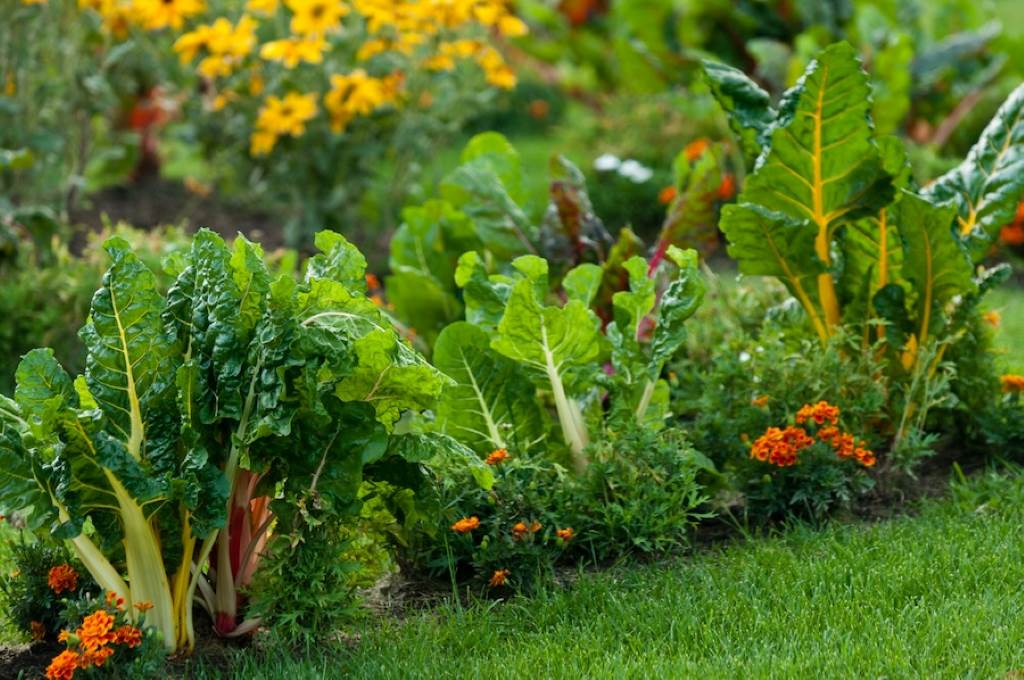
You stare at your plain lawn and dream of fresh tomatoes or juicy berries right outside your door. Edible landscaping, or foodscaping, blends beauty and bounty. You grow food among flowers and shrubs. This approach saves space and feeds you. According to the USDA, home food gardens grew by 20% from 2018 to 2023. Plus, a Penn State study shows edible yards boost pollinators by 30%. Start your DIY journey today.
What Is Edible Landscaping?
Edible landscaping replaces traditional plants with ones you eat. Think apple trees instead of maples. However, it keeps curb appeal high. Foodscaping mixes veggies, fruits, and herbs into ornamental beds. Thus, your yard looks stunning and produces meals.
People often confuse it with farming. But foodscaping focuses on design. You arrange plants for color, texture, and height. For example, lettuce borders paths while berries climb fences. This method suits urban lots or big estates. Moreover, it cuts grocery bills and promotes health.
Why Choose Foodscaping DIY?
You gain control with DIY foodscaping. First, you save money on labor. Second, you learn skills that last. Studies from the University of California show home growers eat 15% more produce. Additionally, edible gardens reduce stress.
Environmentally, they help too. Native edibles support bees and birds. They need less water than lawns. A EPA report notes yards use 30% of household water. Switch to food plants and conserve. Plus, you avoid chemicals in store-bought food.
Socially, it connects neighbors. Share harvests and tips. Kids learn where food comes from. Overall, DIY edible landscaping builds community and self-reliance.
Benefits of Edible Yards
Edible landscapes offer many perks. They feed your family fresh food. Moreover, they beautify spaces naturally. Here are key advantages:
- Health boost: You pick ripe, nutrient-rich items daily.
- Eco-friendly: Plants attract wildlife and improve soil.
- Cost savings: Grow staples like herbs and greens.
- Aesthetic appeal: Colorful fruits and flowers enhance views.
- Low maintenance: Perennials return yearly with little work.
Furthermore, they adapt to climates. In hot areas, try citrus. Cold zones suit berries. Thus, anyone can succeed.
Planning Your Foodscape Design
Start with a plan. Sketch your yard on paper. Note sun, soil, and water sources. Then, choose a theme. Mix formal rows with wild edges.
Consider zones. Place frequent picks near doors. Tall fruits go in back. However, layer heights for interest. Use companion planting. Basil repels pests from tomatoes.
Assess space. Small yards need vertical elements. Trellises hold vines. Large areas allow orchards. Always check local rules. Some ban front-yard veggies. But most allow creative designs.
Selecting Edible Plants for Landscaping
Pick plants that thrive locally. Research your USDA hardiness zone. Focus on dual-purpose types. They look good and taste great.
Fruits for Beauty and Bites
Berries top the list. Strawberries ground cover paths. Blueberries form hedges with fall color. Apples on dwarf roots fit small spots. Moreover, figs add tropical flair.
Vegetables as Ornaments
Kale offers curly leaves in borders. Swiss chard stems bright red. Peppers produce colorful fruits. Thus, they rival flowers.
Herbs for Fragrance and Flavor
Rosemary bushes scent air. Thyme carpets ground. Mint edges beds, but contain it. Additionally, lavender attracts bees and flavors food.
Include perennials for longevity. Asparagus emerges yearly. Rhubarb leaves warn of poison, but stalks delight.
Site Preparation Steps
Prepare well for success. Test soil pH. Aim for 6.0 to 7.0. Amend with compost. Remove grass sod.
Clear weeds first. Use cardboard to smother them. Then, dig beds. Raised ones drain better. Add paths with mulch.
Improve drainage if needed. Slope soil away from houses. However, retain moisture with organic matter. Finally, mark plant spots.
DIY Planting Techniques
Plant in seasons. Spring for cool crops. Fall for perennials. Dig holes twice root width.
Space properly. Crowding invites disease. Water deeply after planting. Mulch to retain moisture.
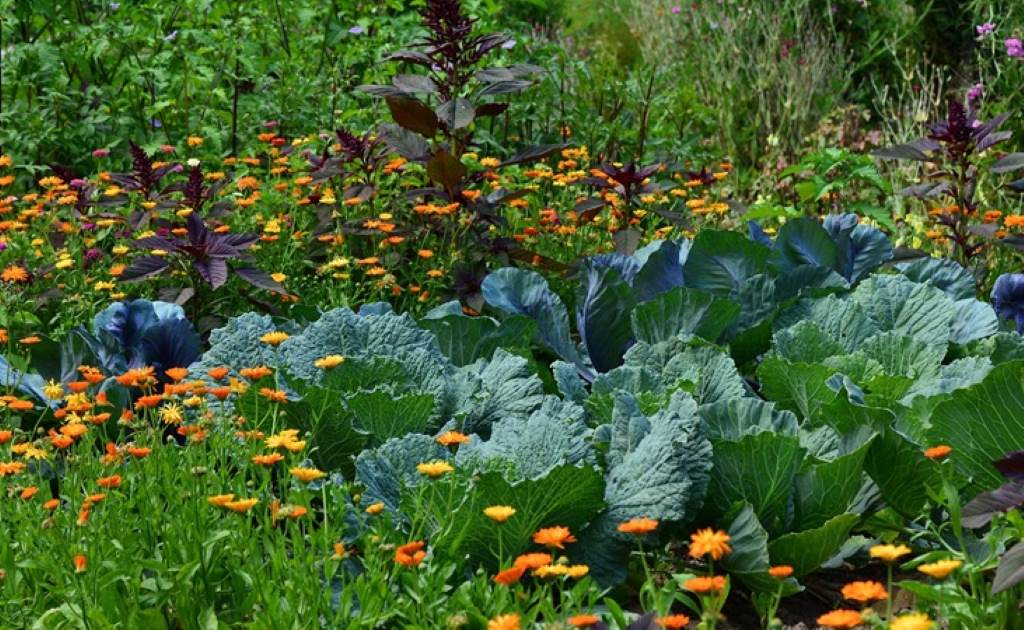
Use companions. Marigolds deter nematodes. Beans fix nitrogen for others. Thus, plants help each other.
Train climbers. Stake tomatoes. Trellis cucumbers. This saves space and eases harvest.
Integrating Edibles with Ornamentals
Blend for seamless look. Edge beds with lettuce. Center with artichokes as focal points.
Layer plants. Ground covers below shrubs. Vines on arbors. However, match water needs.
Add hardscapes. Stone paths wind through beds. Benches invite sitting among herbs. Moreover, pots hold annuals.
Seasonal interest matters. Spring bulbs give way to summer fruits. Fall leaves color, winter evergreens structure.
Maintenance Tips for Thriving Foodscapes
Maintain regularly but simply. Water deeply weekly. Fertilize organically.
Prune for shape and yield. Remove dead parts. However, avoid over-pruning fruits.
Monitor pests. Hand-pick bugs. Use neem spray if needed. Encourage beneficial insects.
Harvest often. This promotes growth. Share extras. Compost wastes to enrich soil.
Winter care varies. Mulch roots. Cover tenders. Plan rotations yearly.
Common DIY Foodscaping Mistakes to Avoid
Beginners err often. Overplanting crowds spaces. Thus, start small.
Ignore soil health. Test and amend. Skip companions and face pests.
Plant invasives. Contain mint. However, choose natives mostly.
Forget aesthetics. Balance edibles with flowers. Maintain edges.
Neglect seasons. Succession plant for ongoing harvest.
Inspiring Foodscaping Examples
See real yards. A suburban home fronts with rainbow chard and sunflowers. Back holds dwarf peaches.
Urban lots use balconies. Vertical walls grow salads. Containers mix herbs and blooms.
Community plots share spaces. Neighbors tend shared berries. Thus, bonds form.
Case study: A California family cut produce bills 40%. They layered citrus understories with greens.
Tools and Materials for DIY Success
Gather basics. Shovel, rake, gloves. Trowel for small plants.
Compost bin recycles. Hose with wand waters gently. However, rain barrels save water.
Trellises from wood or metal. Stakes support heavies. Mulch like straw suppresses weeds.
Seeds or starts. Buy local for adaptation. Tools last years with care.
Scaling Your Edible Landscape
Start small. One bed teaches much. Expand as confidence grows.
Add features. Pond with watercress. Bee hotel near fruits. Thus, ecosystem thrives.
Involve family. Kids plant seeds. Adults prune. Everyone harvests.
Track progress. Journal yields and lessons. Adjust yearly.
Sustainability in Foodscaping
Go green fully. Compost kitchen scraps. Use rainwater.
Choose heirlooms. They preserve diversity. Avoid hybrids if seeding.
Reduce waste. Eat all parts. Stems in soups. Moreover, regrow scraps.
Carbon sequester. Plants absorb CO2. Healthy soil stores more.
Harvesting and Enjoying Your Bounty
Pick at peak. Morning for herbs. Dry for fruits.
Store properly. Cool dark for roots. Freeze extras. However, eat fresh most.
Cook creatively. Salads from leaves. Jams from berries. Share recipes.
Celebrate seasons. Summer barbecues with garden picks. Fall pies from apples.
Troubleshooting Your Foodscape
Issues arise. Yellow leaves signal nutrients. Add compost.
Pests invade. Introduce ladybugs. Remove affected parts.
Drought stresses. Mulch deeper. Water roots.
Poor yields. Pollination lacks. Add flowers for bees.
Advanced DIY Techniques
Espalier fruits flat against walls. Saves space, looks artful.
Grafting creates multi-variety trees. One root, many apples.
Hydroponics for tight spots. No soil, fast growth. However, start simple.
Permaculture principles. Zones by use. Swales catch water.
Conclusion
You now know how to create edible landscaping foodscaping DIY. Plan, plant, maintain, and enjoy. Your yard becomes beautiful and bountiful. Fresh food awaits steps away. Start today with one plant. Watch it grow into a thriving foodscape.
FAQs
What plants work best for beginner foodscaping?
Start with strawberries, herbs like basil, and kale. They grow easily and look pretty.
How much sun does an edible landscape need?
Most edibles require 6 to 8 hours daily. Place sun-lovers south-facing.
Can I foodscape in small spaces?
Yes. Use pots, vertical gardens, and dwarf varieties. Maximize every inch.
Is foodscaping safe for kids and pets?
Choose non-toxic plants. Avoid rhubarb leaves. Fence if needed.
How do I start foodscaping on a budget?
Use seeds, propagate cuttings, and compost. Repurpose materials for beds.