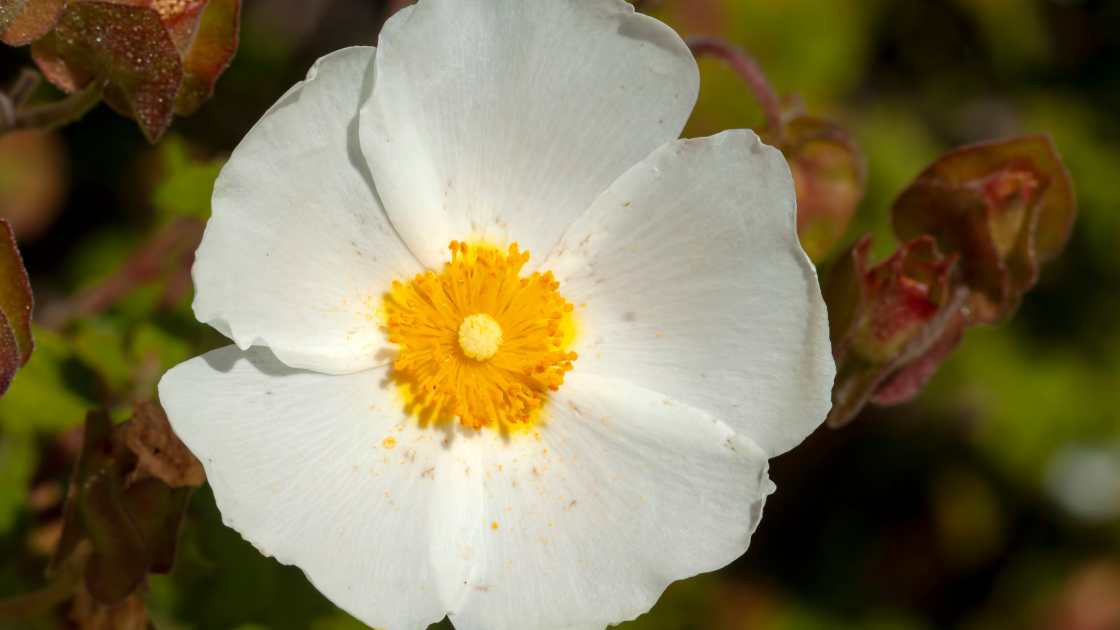
Imagine stepping into your backyard on a warm summer evening, only to be greeted by a swarm of mosquitoes or pesky ants ruining your peace. Bugs can turn your outdoor oasis into a battleground, but what if you could naturally keep them at bay with the beauty and fragrance of plants? By strategically planting herbs and flowers that repel insects, you can create a bug-free yard that’s both functional and visually stunning. In this article, we’ll explore 13 herbs and flowers that naturally deter pests, offering you a chemical-free way to enjoy your outdoor space. From lavender’s calming scent to marigolds’ vibrant blooms, these plants will transform your yard into a pest-resistant paradise.
Whether you’re a seasoned gardener or a beginner looking to enhance your backyard, this guide will provide practical tips, plant care advice, and insights into how these natural repellents work. Let’s dive into the world of insect-repelling plants and discover how to keep your yard bug-free, beautiful, and eco-friendly.
Why Use Plants to Repel Bugs?
Using plants to deter insects is a sustainable, non-toxic alternative to chemical pesticides. These natural repellents release scents or compounds that bugs find unpleasant, effectively keeping them away without harming the environment. Plus, they add aesthetic value, attract pollinators like bees and butterflies, and can even be used in cooking or home remedies. By incorporating these plants into your garden, you’re not only solving the pest problem but also enhancing your outdoor space’s biodiversity and charm.

Benefits of Insect-Repelling Plants
- Eco-Friendly: Reduces reliance on harmful chemical sprays.
- Multi-Purpose: Many plants serve as culinary herbs or decorative flowers.
- Low Maintenance: Most of these plants are hardy and easy to grow.
- Cost-Effective: A one-time planting can provide years of pest control.
13 Herbs and Flowers to Keep Bugs Away
Here’s a curated list of 13 herbs and flowers that are proven to repel common yard pests like mosquitoes, flies, ants, and more. Each plant is easy to grow, widely available, and packed with pest-repelling properties.
-
Lavender
Repels: Mosquitoes, flies, moths, fleas
Lavender’s soothing fragrance is a nightmare for many insects. Its essential oils contain compounds like linalool, which mosquitoes and flies detest. Plant lavender along walkways, near patios, or in pots to create a fragrant barrier.
Care Tips: Prefers full sun, well-drained soil, and minimal watering once established.
Bonus: Use dried lavender in sachets to keep indoor pests at bay.
-
Marigolds
Repels: Mosquitoes, aphids, whiteflies, nematodes
Marigolds release a strong scent that deters pests and protects nearby plants. Their bright orange and yellow blooms add a pop of color to any garden.
Care Tips: Plant in full sun with well-drained soil. Deadhead regularly to encourage blooming.
Pro Tip: French marigolds are particularly effective against nematodes in the soil.
-
Basil
Repels: Mosquitoes, flies, thrips
This culinary herb doubles as a pest deterrent with its potent aroma. Grow basil near seating areas or vegetable patches to keep bugs away.
Care Tips: Needs full sun, regular watering, and well-drained soil. Pinch back leaves to promote growth.
Bonus: Harvest fresh basil for your kitchen while keeping pests at bay.
-
Rosemary
Repels: Mosquitoes, cabbage moths, carrot flies
Rosemary’s woody scent is a natural insect repellent, making it ideal for borders or container gardens.
Care Tips: Thrives in full sun and sandy, well-drained soil. Drought-tolerant once established.
Pro Tip: Use rosemary sprigs in grilling to add flavor and repel bugs simultaneously.
-
Mint
Repels: Mosquitoes, ants, spiders, mice
Mint’s strong scent overwhelms many pests, but it can be invasive, so plant it in pots to control its spread.
Care Tips: Prefers partial shade to full sun and moist soil. Trim regularly to prevent overgrowth.
Bonus: Mint leaves are perfect for teas, cocktails, or homemade pest-repellent sprays.
-
Citronella Grass
Repels: Mosquitoes
Often used in citronella candles, this grass is the source of the mosquito-repelling oil. Its lemony scent masks odors that attract mosquitoes.
Care Tips: Grows best in full sun and moist, well-drained soil. Ideal for tropical or warm climates.
Note: Not to be confused with lemongrass, though both are effective.
-
Lemongrass
Repels: Mosquitoes, flies
Lemongrass contains citronellal, a compound that repels insects. Its tall, grassy appearance adds texture to your yard.
Care Tips: Needs full sun and well-drained soil. Water regularly but avoid overwatering.
Bonus: Use lemongrass in cooking for a zesty flavor.
-
Chrysanthemums
Repels: Ants, roaches, ticks, bedbugs
Chrysanthemums contain pyrethrin, a natural insecticide used in many commercial products. Their vibrant blooms are a garden favorite.
Care Tips: Plant in full sun with fertile, well-drained soil. Pinch back in early summer for bushier growth.
Pro Tip: Pair with marigolds for a colorful, pest-repelling border.
-
Catnip
Repels: Mosquitoes, cockroaches, termites
Catnip is ten times more effective than DEET at repelling mosquitoes, according to some studies. Plus, it’s a treat for your feline friends!
Care Tips: Grows in full sun to partial shade and well-drained soil. Can be invasive, so consider pots.
Note: Keep an eye on cats who might roll in your catnip patch.
-
Petunias
Repels: Aphids, tomato hornworms, leafhoppers
These colorful flowers act as a trap crop, luring pests away from your vegetables while repelling others with their scent.
Care Tips: Plant in full sun with rich, well-drained soil. Water regularly and deadhead for continuous blooms.
Pro Tip: Use petunias in hanging baskets for elevated pest protection.
-
Sage
Repels: Mosquitoes, cabbage moths, carrot flies
Sage’s earthy aroma deters pests while adding a silvery-green aesthetic to your garden.
Care Tips: Prefers full sun and well-drained soil. Drought-tolerant and low-maintenance.
Bonus: Dry sage leaves for culinary use or smudging rituals.
-
Alliums
Repels: Aphids, slugs, carrot flies
Alliums, including chives and ornamental onions, release a sulfur-like scent that pests avoid. Their purple or white blooms add elegance.
Care Tips: Grow in full sun with well-drained soil. Divide clumps every few years to maintain vigor.
Pro Tip: Chives are edible and great for pest control in vegetable gardens.
-
Geraniums
Repels: Mosquitoes, leafhoppers
Geraniums, especially scented varieties like citronella geraniums, emit a fragrance that bugs dislike. Their vibrant blooms brighten any yard.
Care Tips: Plant in full sun to partial shade with well-drained soil. Water moderately.
Bonus: Geraniums are perfect for containers or window boxes.
How to Incorporate These Plants in Your Yard
To maximize the pest-repelling benefits, strategic placement is key. Here are some tips to create a bug-free yard:
- Create Barriers: Plant lavender, rosemary, or marigolds along borders or near entry points to deter pests.
- Mix with Vegetables: Use basil, sage, or alliums in vegetable gardens to protect crops from pests like aphids or carrot flies.
- Use Containers: Place mint or citronella grass in pots near seating areas for targeted protection.
- Layer Plants: Combine tall plants like lemongrass with low-growers like marigolds for a multi-level defense.
- Maintain Regularly: Prune, deadhead, and water plants as needed to keep them healthy and effective.
Additional Tips for a Bug-Free Yard
- Remove Standing Water: Mosquitoes breed in stagnant water, so empty birdbaths or pots regularly.
- Encourage Natural Predators: Attract birds or bats with feeders or houses to eat pests.
- Use Companion Planting: Pair pest-repelling plants with vulnerable crops to enhance protection.
- Avoid Overwatering: Damp soil attracts pests like slugs, so ensure proper drainage.
Why These Plants Work
The effectiveness of these plants lies in their natural chemical compounds. For example, lavender and citronella grass release volatile oils that mask human scents, making it harder for mosquitoes to find you. Marigolds and chrysanthemums contain compounds like pyrethrin that directly repel or kill pests. By harnessing these natural defenses, you create a yard that’s inhospitable to bugs but welcoming to you and your guests.
Safety and Considerations
While these plants are generally safe, some precautions are necessary:
- Pet Safety: Catnip and mint may attract cats, while some plants like chrysanthemums can be toxic to pets if ingested.
- Allergies: Ensure no one in your household is allergic to plants like lavender or geraniums.
- Invasive Species: Mint and catnip can spread rapidly, so plant them in containers to avoid overtaking your garden.
Read More Also: Edging vs. Trenching: Unearthing the Differences for a Perfect Landscape
Conclusion
Transforming your yard into a bug-free haven doesn’t require harsh chemicals or constant maintenance. By planting these 13 herbs and flowers—lavender, marigolds, basil, and more—you can naturally repel pests while adding beauty and fragrance to your outdoor space. Whether you’re sipping lemonade on your patio or tending to your vegetable garden, these plants will keep mosquitoes, flies, and other pests at bay. Start planning your pest-repelling garden today and enjoy a summer free from buzzing intruders.
Call to Action: Ready to create your bug-free yard? Pick your favorite plants from this list and visit your local nursery to get started. Share your garden transformation in the comments below or tag us on social media with your blooming, pest-free oasis!