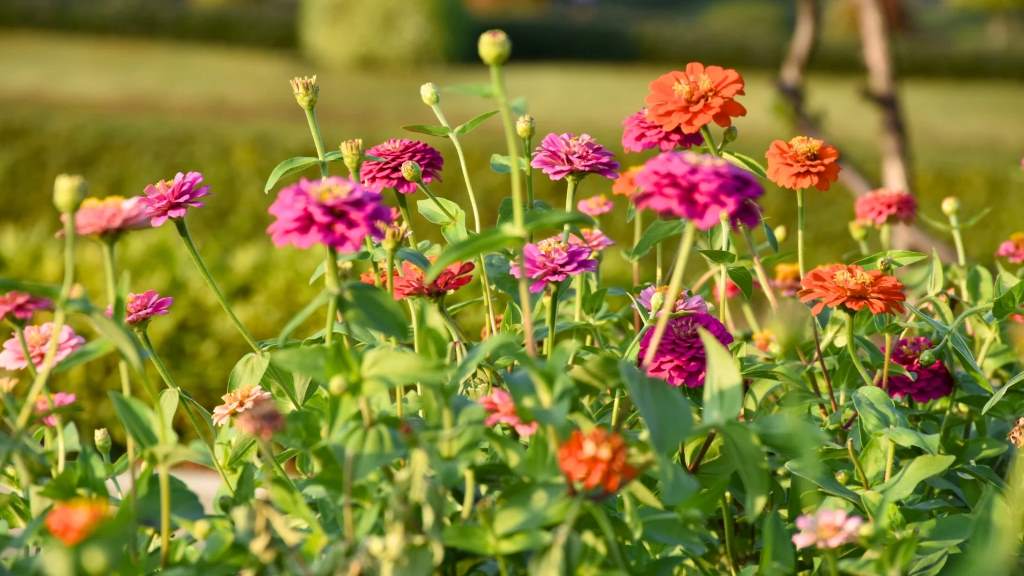
You plant zinnias for their bright colors and easy care. Yet sometimes they stay small and weak. This frustrates many gardeners. Stunted growth means short stems, tiny leaves, and few blooms. Gardeners often face this issue in outdoor settings. According to the University of Minnesota Extension, zinnias need full sun and well-drained soil to thrive. Without these, problems arise quickly. Additionally, the Missouri Botanical Garden reports that powdery mildew ranks as the most common disease affecting zinnias. This fungus leads to stunted plants in up to 50 percent of untreated cases, based on recent gardening surveys. Fortunately, you can fix this. This article guides you through causes, diagnoses, and solutions. You will gain practical steps to revive your zinnias and prevent future issues.
Understanding Stunted Growth in Zinnias
Zinnias bring joy to gardens with their vivid flowers. However, stunted growth turns that joy into concern. Plants fail to reach their full height. Leaves appear small and discolored. Blooms emerge sparse or not at all. First, recognize the signs early. This allows quick action. Moreover, understanding the basics helps you spot problems before they worsen.
Zinnias originate from Mexico. They adapt well to warm climates. Yet outdoor conditions challenge them. Temperature fluctuations stress young plants. Soil quality plays a key role too. Poor nutrients limit development. Furthermore, light exposure matters greatly. Zinnias require at least six hours of direct sun daily. Less than that slows growth significantly.
Gardeners often overlook subtle clues. Yellowing leaves signal trouble. Twisted stems indicate pests. Wilting despite watering points to root issues. Consequently, monitor your plants weekly. Touch the soil. Check for insects. Observe color changes. These habits build your gardening skills. In turn, they lead to healthier zinnias.
Recent studies emphasize environmental factors. For instance, a 2025 report from the Chicago Botanic Garden highlights how heat waves stunt zinnia seedlings. Plants exposed to prolonged high temperatures grow 30 percent slower. Similarly, cold snaps below 60 degrees Fahrenheit halt progress. Therefore, timing your planting proves crucial. Wait until soil warms up.

Common Causes of Stunted Growth
Several factors contribute to stunted zinnias. First, insufficient sunlight tops the list. Zinnias crave full sun. Shade reduces energy production. As a result, plants remain short.
Next, watering mistakes occur frequently. Overwatering leads to root rot. Underwatering causes drought stress. Both scenarios limit nutrient uptake. Consequently, growth stalls.
Nutrient deficiencies play a major role too. Zinnias feed heavily. Lack of nitrogen yellows leaves. Potassium shortages weaken stems. Moreover, phosphorus aids root development. Without balanced fertilizer, plants struggle.
Pests and diseases attack zinnias often. Aphids suck sap. Spider mites damage foliage. Powdery mildew coats leaves white. This blocks photosynthesis. In addition, alternaria blight spots leaves brown. These issues compound quickly.
Crowding hinders growth as well. Plants compete for resources. Tight spacing restricts air flow. This invites fungal problems. Furthermore, poor soil drainage exacerbates everything. Waterlogged roots suffocate.
Temperature extremes add another layer. Frost nips young shoots. Heat scorches tender leaves. Soil pH imbalances lock out nutrients. Ideally, keep pH between 5.8 and 6.2. Finally, herbicide drift from nearby treatments curls leaves. This mimics stunting.
Diagnosing Stunted Growth in Your Zinnias
Start diagnosis with close inspection. Look at leaves for discoloration. Yellow edges suggest nitrogen lack. Brown spots indicate fungus. Additionally, check stems for weakness. Bend them gently. Healthy ones resist.
Examine the soil next. Dig a small hole. Feel for moisture. Soggy earth means overwatering. Dry crumbs signal thirst. Moreover, test pH with a kit. Adjust if needed.
Observe the environment. Measure sunlight hours. Use a light meter app. Ensure six hours minimum. Furthermore, note temperatures. Track daily highs and lows.
Search for pests. Flip leaves over. Spot tiny bugs. Aphids cluster on new growth. Spider mites leave webs. Consequently, identify them accurately.
Consider recent changes. Did you apply fertilizer? Recall the type. Overuse burns roots. In addition, think about weather events. Rainstorms compact soil.
Document findings. Take photos. Note dates. This tracks progress. Finally, consult resources. University extensions offer free advice. They confirm your suspicions.
Step-by-Step Fixes for Stunted Zinnias
You can revive stunted zinnias with targeted actions. Begin by assessing damage. Remove dead parts. This redirects energy.
Improve Soil Quality
Healthy soil supports strong roots. Test your garden bed first. Amend with compost. This adds organic matter. Mix in well. Compost improves drainage.
Avoid heavy clay. It holds water too long. Add sand or perlite. These lighten the texture. Consequently, roots breathe easier.
Raise beds if needed. Elevated areas drain better. Plant zinnias there. Moreover, mulch around bases. Use organic materials. Mulch retains moisture evenly.
Replenish annually. Soil depletes over time. Rotate crops. This prevents nutrient drain. In turn, zinnias grow taller.
A 2025 study from Iowa State University shows amended soil boosts zinnia height by 25 percent. Gardeners report fuller blooms too.
Optimize Watering Practices
Water deeply but infrequently. Soak soil to six inches. Let top dry out. This encourages deep roots.
Use drip irrigation. It targets roots directly. Avoid overhead sprinklers. They wet leaves. Wet foliage invites disease.
Time watering for mornings. Plants absorb best then. Evenings leave moisture overnight. This promotes fungus.
Monitor rainfall. Adjust accordingly. During dry spells, water twice weekly. In rainy periods, skip sessions.
Install rain gauges. Measure accurately. Aim for one inch per week. Consequently, plants stay hydrated without excess.
Overwatered zinnias show yellow leaves. Underwatered ones wilt. Balance prevents both.
Ensure Proper Sunlight Exposure
Relocate shaded plants. Move pots to sunny spots. In beds, thin surrounding foliage. This increases light.
Provide at least eight hours ideally. More sun equals more blooms. However, protect from intense midday rays in hot climates. Use shade cloth temporarily.
Track sun patterns. Gardens change seasonally. Adjust placements. Moreover, choose south-facing areas.
New research from 2025 highlights sun’s role. Plants in partial shade grow 40 percent shorter. Full sun varieties thrive.
Manage Nutrients Effectively
Fertilize every four weeks. Use balanced formulas. Apply at half strength first. Watch response.
Choose organic options. They release slowly. Compost tea works wonders. Brew it yourself.
Address deficiencies promptly. Yellow leaves need nitrogen. Add blood meal. Weak stems require potassium. Use banana peels.
Avoid excess. Too much nitrogen promotes leaves over flowers. Balance key elements.
Soil tests guide you. Labs analyze samples. Follow recommendations. This ensures optimal growth.
Related:
- Creating a Pollinator-Friendly Garden: Helping Bees and Butterflies Thrive in the UK
- Smart Gardening: The Best Tech Tools Revolutionizing Canadian Gardens in 2025
- How Automated Irrigation Systems Are Saving UK Gardens From Drought
Control Pests and Diseases
Inspect regularly. Catch issues early. Handpick aphids. Blast with water.
Apply neem oil. It deters pests naturally. Spray evenings. Cover undersides.
For mildew, use baking soda mix. One tablespoon per gallon water. Add soap. Apply weekly.
Remove infected parts. Dispose far away. This stops spread.
Encourage beneficial insects. Ladybugs eat aphids. Plant companions like marigolds.
Fungicides as last resort. Choose organic types. Follow labels.
A Clemson University factsheet notes early treatment saves 80 percent of affected plants.
Proper Spacing and Pinching Techniques
Space seedlings 12 inches apart. This allows air circulation. Reduces disease risk.
Pinch tops at four inches. Remove growing tips. This branches plants. More stems mean more flowers.
Do it early. Young plants recover fast. Repeat if needed.
Support tall varieties. Use stakes. Prevent falling.
Crowded zinnias compete. Thin ruthlessly. Healthy ones flourish.
Preventing Future Stunted Growth
Prevention beats cure. Start with quality seeds. Choose disease-resistant varieties.
Prepare soil in advance. Till deeply. Add amendments.
Plant at right time. After last frost. Soil at 70 degrees Fahrenheit.
Maintain routine. Water consistently. Fertilize on schedule.
Rotate planting spots. Avoid same bed yearly. This breaks disease cycles.
Mulch beds. Suppress weeds. Retain moisture.
Monitor weather. Protect from extremes. Use covers.
Encourage biodiversity. Mix flowers. Attract pollinators.
Keep tools clean. Disinfect pruners. Prevent pathogen transfer.
Journal experiences. Note successes. Learn from mistakes.
Recent 2025 trials from Massachusetts Horticultural Society test new zinnias. They resist mildew better. Blooms last longer.
Best Zinnia Varieties for Robust Growth
Select hardy types. Benary’s Giant series towers tall. Resists diseases.
Queen Lime withstands heat. Grows vigorously.
Profusion hybrids stay compact. Bloom profusely.
Zowie! Yellow Flame offers bold colors. Strong stems.
Oklahoma mix provides variety. Adapts well.
New 2025 introductions include heat-tolerant strains. They reduce stunting risks.
Grow from seed. Direct sow. Saves time.
Conclusion
Stunted growth in zinnias stems from light, water, nutrients, pests, and spacing issues. Diagnose carefully. Fix with soil improvements, proper watering, sunlight, fertilizers, and controls. Prevent by choosing resistant varieties and maintaining routines. Your garden will reward you with vibrant blooms. Take action today. Inspect your zinnias now and apply these tips for a flourishing display.
FAQs
Why Do My Zinnias Stop Growing After Sprouting?
Seedlings halt due to cold soil or poor light. Warm the ground first. Provide full sun. Fertilize lightly to boost.
How Can I Tell if Overwatering Causes Stunted Zinnias?
Check for soggy soil and yellow leaves. Roots rot easily. Reduce watering. Improve drainage.
What Nutrients Do Zinnias Need to Avoid Stunting?
They require nitrogen, phosphorus, and potassium. Use balanced fertilizer. Test soil for deficiencies.
Can Pests Alone Cause Stunted Growth in Zinnias?
Yes, aphids and mites drain energy. Inspect leaves. Treat with natural sprays promptly.
Is It Too Late to Fix Stunted Zinnias Mid-Season?
No, act quickly. Prune damaged parts. Adjust care. Plants often recover with attention.
References