A keyhole garden is more than a trendy permaculture feature—it’s a smart, water-saving, and nutrient-rich way to grow food in any climate. Designed originally for drought-prone regions of Africa, this circular raised bed includes a composting basket at the center and a notch or “keyhole” cutout for easy access. Today, gardeners around the world use keyhole gardens to maximize space, reduce water waste, and grow thriving vegetables even in poor soil conditions.
Why Choose a Keyhole Garden?
A keyhole garden is not just eco-friendly—it’s resourceful. It combines three powerful gardening strategies: vertical space efficiency, composting, and water conservation. In arid climates, water is a precious resource. Traditional gardening methods often allow moisture to evaporate quickly. However, the design of a keyhole garden retains moisture efficiently by directing water and nutrients from the central compost bin into the surrounding soil layers. According to the Food and Agriculture Organization (FAO), keyhole gardens can cut water use by up to 80% compared to conventional plots.
The concept is grounded in practicality. Countries like Lesotho and Kenya use these gardens to combat food insecurity and climate stress. And now, with unpredictable weather and rising temperatures affecting global food systems, home gardeners in urban and rural areas alike are turning to keyhole gardens for sustainable results.
Step-by-Step: How to Build a Keyhole Garden for Efficient Watering
- Choose the Right Location
Select a sunny spot with good drainage. Most vegetables require 6–8 hours of sun per day. Place your keyhole garden near a water source for convenience, though you won’t need to water often once it’s established. - Outline the Design
Mark a circle about 6 feet in diameter using a stake and string. Leave a 1-foot wide wedge on one side for access—this is the keyhole. In the center, mark a circle about 1 foot wide for the composting basket. - Build the Compost Basket
Use wire mesh, chicken wire, or old fencing to construct a cylindrical basket about 1.5 feet tall. Anchor it in the center of the garden. This is where food scraps, garden waste, and water go. Over time, the compost seeps out nutrients into the soil. - Construct the Garden Walls
Stack bricks, rocks, logs, or even recycled concrete around the edge of your circle. Make the walls 2–3 feet tall. This height helps retain moisture and makes it easier on your back when gardening. - Layer the Soil
Keyhole gardens use a lasagna-style layering technique:
- Bottom layer: Cardboard or newspaper to smother weeds.
- Next: Sticks or coarse organic material for drainage.
- Followed by: Layers of compost, dry leaves, grass clippings, and topsoil.
- Top layer: Rich soil for planting.
This layering mimics natural forest floors, where organic matter slowly decomposes and enriches the soil.
- Add Plants Strategically
Plant thirsty crops like tomatoes, kale, and peppers near the compost basket. Their roots will access the richest moisture. Drought-tolerant herbs and shallow-rooted greens can go on the outer edges. - Maintain with Purpose
Add kitchen waste and water into the compost basket regularly. Mulch the top with straw or leaves to lock in moisture. As the compost breaks down, it feeds your plants with minimal effort.
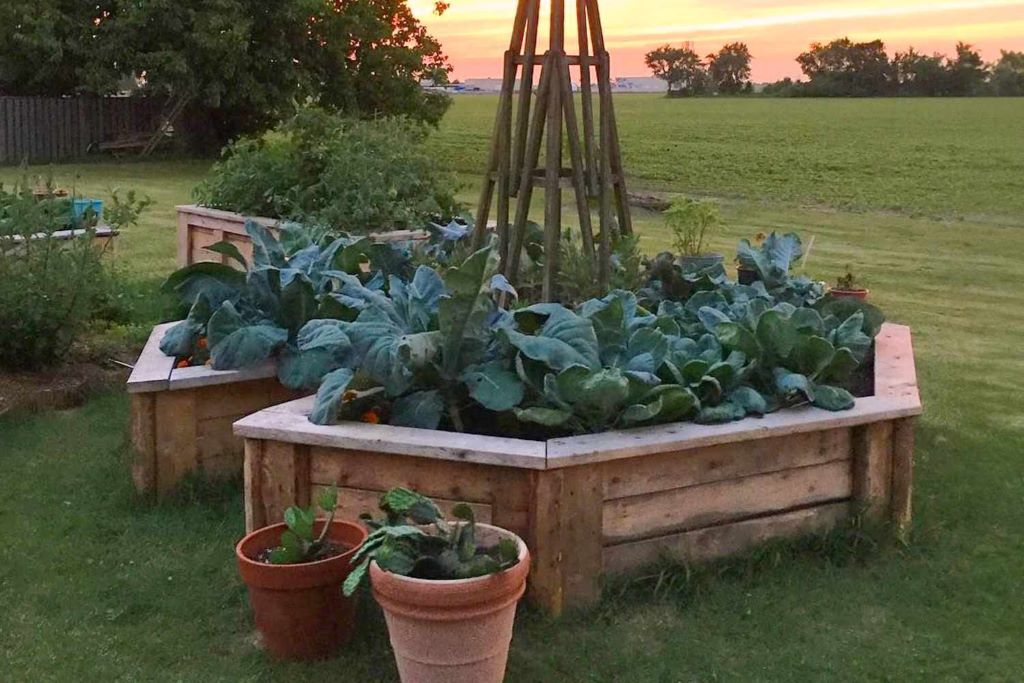
Expert Tip: Build Your Garden With Local Materials
Where possible, use materials already available in your area—rocks, soil, compostable waste. Not only does this cut costs, but it also aligns with the sustainability goals of permaculture. In regions like Texas or Arizona, where clay soil dominates, a keyhole garden can provide drainage and fertility without intensive soil conditioning.
Also Read:
Vertical Garden Ideas to Liven Up Your Balcony: Your Ultimate Guide to Urban Oasis Creation
Featured Snippet – What Is the Best Way to Water a Keyhole Garden?
The most efficient way to water a keyhole garden is through the central compost basket. Pour water directly into the basket, allowing it to filter slowly through the compost and into the surrounding soil layers. This method mimics natural irrigation, conserving up to 80% more water than traditional watering techniques. It’s especially effective in hot or dry climates where water evaporation is a concern. Over time, this process helps build a living soil that retains moisture longer. For best results, add kitchen scraps alongside the water to maintain healthy microbial activity.
Real-World Example: Lesotho’s School Gardens
In Lesotho, keyhole gardens have transformed schoolyards into productive food sources. UNICEF reports that over 20,000 students benefit from vegetables grown on-site. Even during dry seasons, these gardens stay fertile and productive. Their success lies in the core principle—efficient watering through composting. The approach proves that anyone, anywhere, can build a sustainable garden with limited water and space.
FAQs About Keyhole Gardens
- How often should I water my keyhole garden?
Usually 1–2 times per week, depending on your climate and rainfall. - Can I build a keyhole garden in a cold climate?
Yes. Insulate the outer wall with straw bales or build a greenhouse around it. - What can I put in the compost basket?
Kitchen scraps (except meat and dairy), garden trimmings, and water. - Is it expensive to build a keyhole garden?
No. Use recycled or natural materials for the structure to keep costs low. - How long does a keyhole garden last?
Well-maintained ones can last 5–10 years, depending on materials used. - Can I grow root vegetables in a keyhole garden?
Yes, especially in deeper soil areas near the center where it’s most fertile. - Are keyhole gardens suitable for small backyards?
Absolutely. The circular design is space-efficient and customizable in size.
Final Thought
Building a keyhole garden for efficient watering isn’t just a trend—it’s a lifestyle shift. It’s a small-scale solution to a global-scale problem: how to grow more food using fewer resources. With the right setup, you can harvest fresh produce, reduce food waste, and conserve water all in one innovative garden bed. The simplicity and power of this design continue to inspire gardeners worldwide to grow smarter, not harder. So, whether you’re dealing with drought, poor soil, or just looking to boost sustainability, the keyhole garden is your answer.
Read More: How to Build a Water-Efficient Garden