If you’ve ever woken up to find your meticulously manicured lawn resembling a lunar landscape, pockmarked with divots and uprooted plants, chances are you’ve had a run-in with an armadillo. These peculiar, armored mammals, while fascinating creatures in their own right, can be incredibly destructive to gardens and yards. Their relentless digging in search of insects and grubs can quickly transform a pristine landscape into an eyesore, leaving homeowners frustrated and searching for effective solutions, such as armadillo repellents , to help deter these determined diggers.
The good news is that you’re not alone in this battle. Armadillo infestations are a growing problem in many parts of the United States, particularly in the South and Southeast where their populations are thriving. The even better news is that there are numerous strategies and products available that can help you reclaim your yard and keep these armored invaders at bay. This comprehensive guide will delve into the world of armadillo repellent, offering practical advice, debunking common myths, and helping you choose the best course of action for your specific situation.
Understanding the Enemy: Why Armadillos Dig and What Attracts Them
Before we can effectively repel armadillos, it’s crucial to understand their habits and motivations. Armadillos are insectivores, meaning their primary diet consists of insects, grubs, worms, and other invertebrates found just beneath the soil surface. Their powerful claws and keen sense of smell make them incredibly efficient at unearthing these tasty morsels.
The primary reason an armadillo is digging in your yard is simple: food. If your lawn is teeming with grubs (the larval stage of beetles like June bugs or Japanese beetles), earthworms, or other subsurface insects, your yard essentially becomes a five-star buffet for an armadillo.
Other factors that might attract armadillos include:
- Loose, moist soil: This makes it easier for them to dig and indicates a higher likelihood of insect activity.
- Shelter: While not their primary attraction, armadillos will seek out brush piles, dense vegetation, or even foundations of homes for shelter and to create burrows.
- Water sources: While they get most of their water from their food, a readily available water source can also be a minor attractant.
Understanding these attractants is the first step in formulating an effective repellent strategy. You may also like to read about growing strawberries in pots.
The Myth and the Reality of Armadillo Repellent
When you start searching for “armadillo repellent,” you’ll encounter a wide array of options, from homemade concoctions to commercially produced granules and sprays. It’s important to approach these options with a critical eye, understanding what’s truly effective and what’s more likely to be a waste of time and money.
Common Myths and Ineffective Methods:
- Mothballs: While a common suggestion for many pest problems, mothballs are largely ineffective against armadillos and can be harmful to pets and children.
- Strong-smelling substances (e.g., ammonia, bleach): These might deter an armadillo for a very short period, but their effect is fleeting, and they can damage your lawn or plants.
- Human hair/pet fur: While some believe the scent of predators will deter armadillos, there’s little scientific evidence to support its effectiveness.
- Ultrasonic devices: These devices, which emit high-frequency sounds, are often marketed as pest repellents. However, their efficacy against armadillos is highly questionable, and many users report no success.
The Reality: Effective Repellent Strategies Focus on Deterrence and Habitat Modification
Truly effective armadillo repellent strategies don’t rely on magic bullets but rather on a multi-pronged approach that combines deterrence with habitat modification.
Categories of Armadillo Repellent and Control Methods
Let’s break down the most effective ways to repel armadillos from your property:
-
Habitat Modification: Eliminating the Food Source
This is arguably the most effective long-term strategy. If you eliminate what the armadillos are seeking, they will move on.
- Grub control: This is paramount. If your lawn has a significant grub problem, applying a grub control product will significantly reduce their food source. This can be done preventatively in the spring or curatively in the late summer/early fall when grubs are actively feeding. Look for products containing ingredients like imidacloprid, chlorantraniliprole, or trichlorfon. Always follow product instructions carefully.
- Nematodes: Beneficial nematodes are microscopic worms that are natural predators of grubs and other soil-dwelling insects. They offer an organic alternative to chemical grub control and can be very effective when applied correctly.
- Aeration and dethatching: A thick layer of thatch (dead grass and organic matter) can provide a hiding place for insects. Aerating and dethatching your lawn can expose these insects, making them less appealing to armadillos.
- Water management: While armadillos can find food in dry soil, consistently overwatering your lawn can make it more attractive to earthworms and other moisture-loving insects. Water deeply and less frequently to encourage deeper root growth and a less hospitable environment for some insect pests.
-
Physical Barriers: The Most Reliable Deterrent
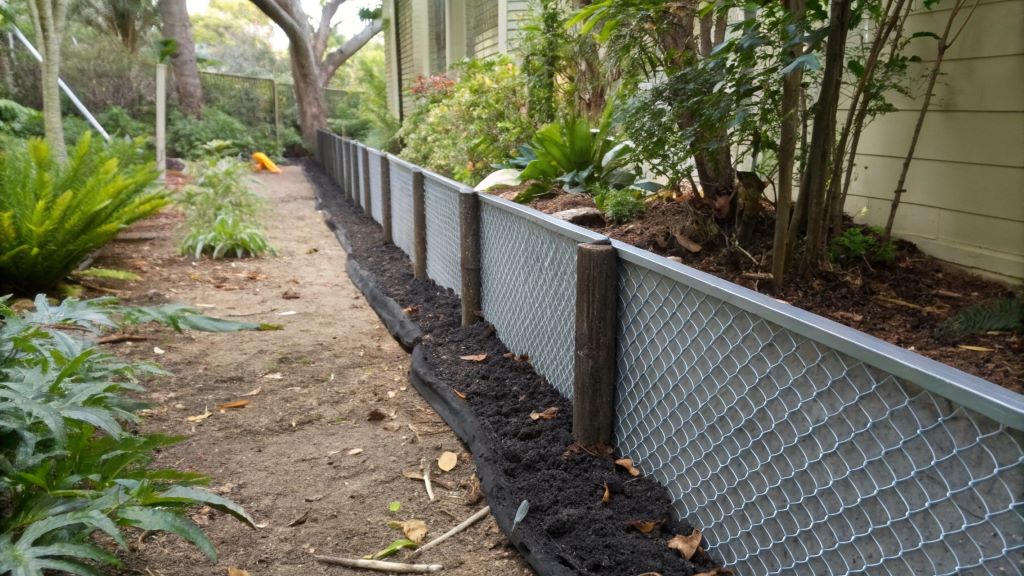
When all else fails, a physical barrier is the most foolproof way to prevent armadillos from entering your property.
- Fencing: A sturdy fence, at least 18-24 inches high, with another 6-12 inches buried underground and angled outwards, can effectively prevent armadillos from digging under or climbing over. Chain-link, chicken wire, or even solid fencing can work, as long as it’s properly installed.
- Foundation barriers: If armadillos are burrowing under your home or shed, you may need to install a barrier around the foundation. This could involve burying hardware cloth or a concrete barrier.
- Netting/mesh: For smaller garden beds or newly planted areas, you can use heavy-duty netting or chicken wire laid flat on the ground to prevent digging. This is a temporary solution but can protect vulnerable areas.
-
Commercial Repellents: Scent and Taste Deterrents
While not always 100% effective on their own, commercial repellents can offer an additional layer of deterrence, especially when combined with other methods.
- Capsaicin-based repellents: These products contain capsaicin, the active ingredient in chili peppers, which creates an unpleasant burning sensation if ingested by armadillos. They are typically applied as granules or sprays.
- Castor oil-based repellents: Castor oil is thought to make the armadillo’s food source (grubs, worms) less palatable and can also cause digestive upset. These are often available as granular products that are watered into the soil.
- Predator urine: Some commercial repellents contain the urine of predators like foxes or coyotes. The idea is that the scent will signal danger to the armadillos and encourage them to leave. However, the effectiveness of this is often debated.
Important Considerations for Commercial Repellents:
- Application: Follow the manufacturer’s instructions carefully for application rates and frequency.
- Reapplication: Most repellents require reapplication, especially after rain or heavy watering.
- Persistence: It may take time and consistent application to see results. Don’t expect instant miracles.
- Safety: Always choose products that are safe for pets, children, and the environment.
-
Live Trapping and Relocation (Consider with Caution)
In some cases, especially with persistent individual armadillos, live trapping and relocation might be considered. However, this method comes with significant caveats:
- Legality: Check your local and state regulations regarding trapping and relocating wildlife. In many areas, it’s illegal to relocate trapped animals without a permit, and some states prohibit it entirely.
- Stress to the animal: Trapping and relocating can be very stressful for the armadillo and may not guarantee they won’t return or cause problems elsewhere.
- Professional help: If you choose this route, it’s often best to consult with a professional wildlife removal service. They have the expertise and equipment to safely trap and handle the animals.
SEO-Friendly Title Ideas for Your Article:
Here are some SEO-optimized title options for your blog post, designed to attract readers searching for armadillo repellent solutions:
- Armadillo Repellent: Effective Solutions to Protect Your Yard (Clear, concise, and keyword-rich)
- The Ultimate Guide to Armadillo Repellent: Stop Digging Now! (Action-oriented, promises comprehensive information)
- How to Get Rid of Armadillos: Your Complete Repellent Guide (Problem/solution focus, user-friendly language)
- Armadillo Control: Best Repellents & Prevention Strategies (Broad appeal, covers both control and prevention)
- No More Lawn Damage: Choosing the Right Armadillo Repellent (Highlights the benefit, focuses on product selection)
- Natural Armadillo Repellent: Eco-Friendly Ways to Deter Diggers (Appeals to environmentally conscious readers)
- Say Goodbye to Armadillos: Proven Repellent Methods for Your Home (Emotive, promises results)
For this article, I recommend the title: Armadillo Repellent: Reclaiming Your Yard from These Armored Invaders
This title is informative, catchy, and clearly indicates the article’s focus on armadillo repellent and yard protection.
Conclusion: A Persistent Problem, a Persistent Solution
Dealing with armadillos can be a frustrating experience, but with the right knowledge and a persistent approach, you can successfully reclaim your yard. Remember, there’s no single “magic bullet” armadillo repellent. The most effective strategies involve a combination of:
- Eliminating their food source through grub control and proper lawn care.
- Implementing physical barriers like fencing where necessary.
- Utilizing commercial repellents as an additional deterrent.
- Understanding the habits of these fascinating creatures to predict and prevent their destructive behavior.
By taking a proactive and multi-faceted approach, you can transform your pockmarked lawn back into the pristine oasis you envision, allowing you to enjoy your outdoor space once more, free from the unwelcome intrusions of these armored excavators. Good luck, and happy gardening!
Read More: