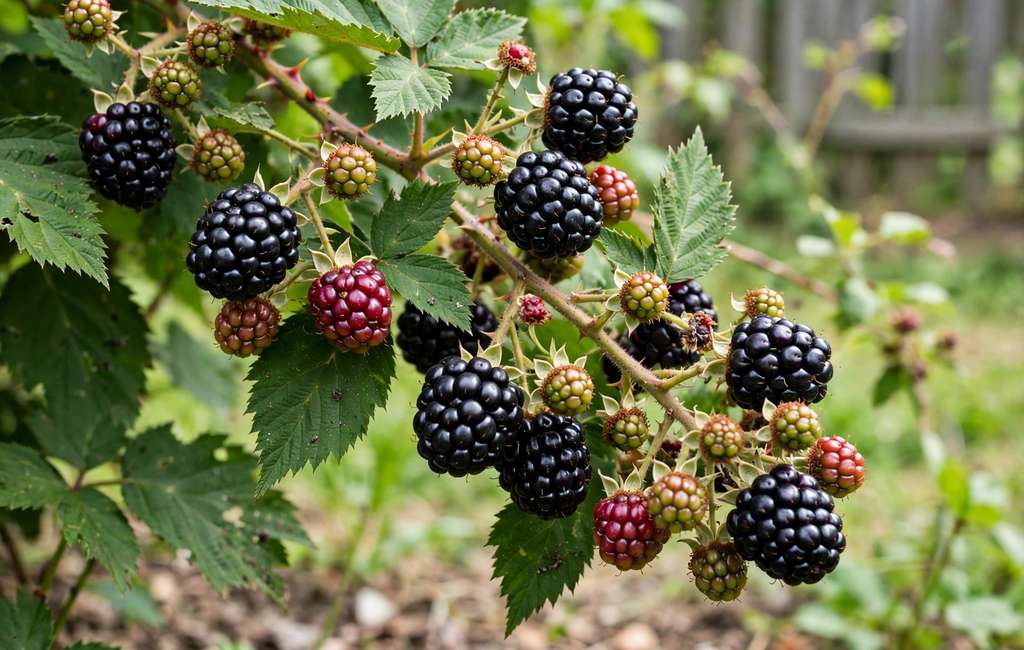
You prune blackberry canes right after harvest to clear spent wood fast. Those spent floricanes never fruit again and only crowd the healthy new growth. Meanwhile, you leave every flexible green primocane standing, because primocanes carry next season’s berries.
First, you confirm your plant fruits on floricanes, the standard habit for most varieties. Then you use the guide on when to prune blackberries to time each pruning job well.
Afterwards, this one cleanup improves airflow and cuts disease pressure around the young canes. Below, you get a clear workflow for identification, cutting, clearing, and tying in.
Why Gardeners Prune Blackberry Canes After Harvest
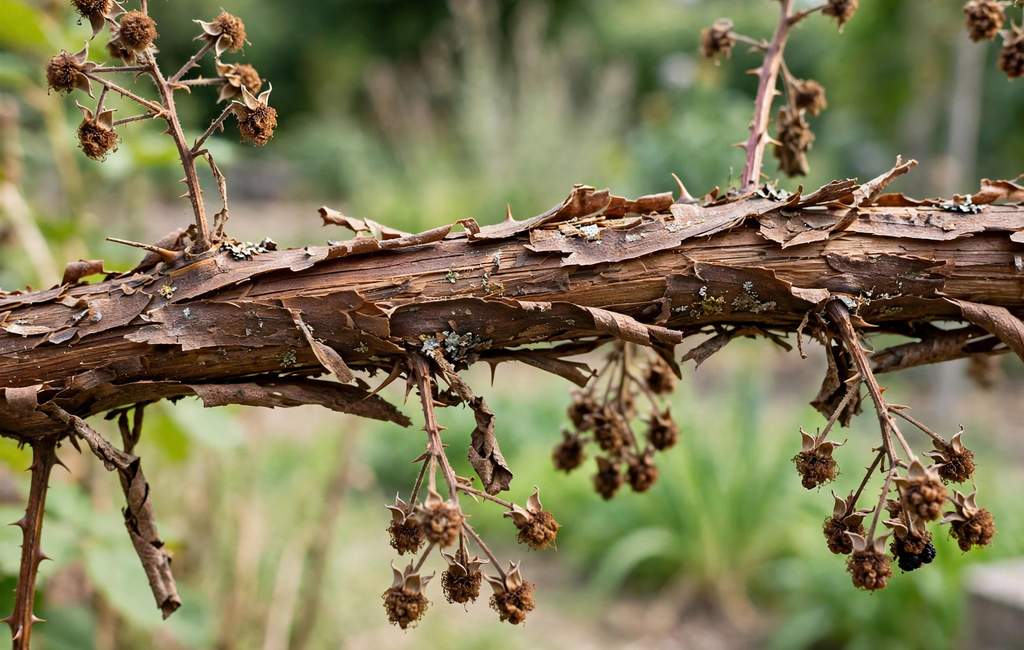
Spent floricanes die back naturally once fruiting ends, even without your help. However, dead wood still shades primocanes and traps damp air around them. Also, old canes shelter cane diseases and boring insects through the following months.
By contrast, a clean patch channels water, light, and nutrients toward strong primocanes. Consequently, those primocanes grow thicker, hardier, and better prepared for winter cold. Gardeners prune blackberry canes after harvest before diseases settle in.
How to Tell Spent Floricanes From Primocanes
Fortunately, cane age shows clearly once you know the key visual differences. You simply compare bark, flexibility, and the marks that fruiting left behind. In short, floricanes are second-year canes, while primocanes are still in season one. You prune blackberry canes at harvest time to free crowded primocanes.
Signs of a Spent Floricane
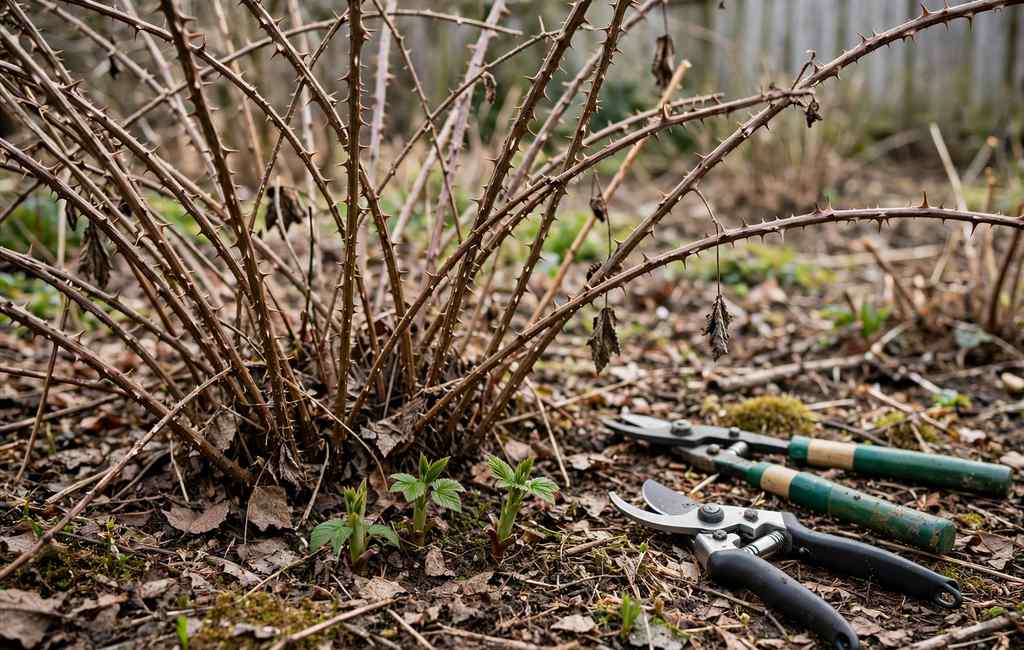
- Woody brown bark: The cane feels stiff and shows peeling, faded bark along its length.
- Old fruit stems: Short dried stalks and empty clusters still cling to the side branches.
- Brittle texture: The wood snaps dryly instead of bending under gentle hand pressure.
- Dull foliage: Leaves turn yellow and drop early once fruiting finishes on that cane.
Signs of a Healthy Primocane
- Bright green bark: The cane shows smooth green or reddish skin without peeling patches.
- Flexible stem: The cane bends easily and springs back when you release it gently.
- Fresh leaf growth: New leaves and side shoots keep emerging along the whole cane length.
- No fruit scars: The cane carries no dried fruit stalks, because it has not fruited yet.
Tools You Need Before You Start
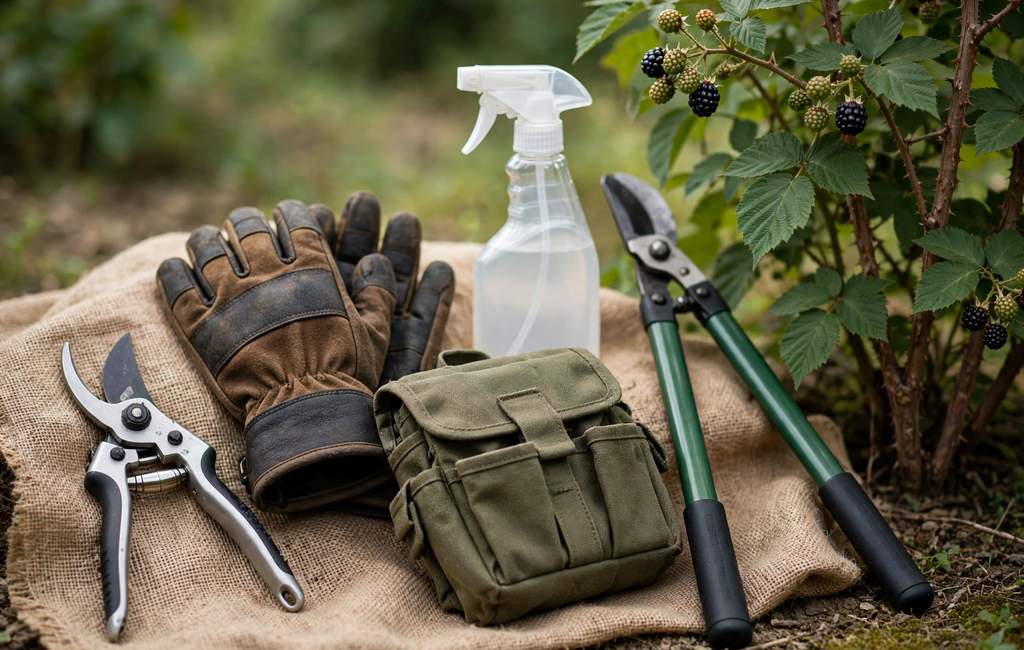
Before cutting, you gather sharp tools, because dull blades crush cane tissue badly. Clean tools also protect healthy canes when you work through a crowded row.
- Bypass loppers: You cut thick floricanes cleanly at the base with long-handled loppers.
- Bypass hand pruners: You trim smaller side branches and awkward stubs with hand pruners.
- Sturdy gloves: You protect your hands from thorns while pulling cut canes free.
- Rubbing alcohol wipes: You disinfect blades between plants and after cutting any diseased wood.
Step-by-Step: Prune Blackberry Canes After Harvest
Now you work cane by cane, checking each stem before you cut anything. This slow pass prevents the one mistake that ruins next season’s harvest entirely.
Step 1: Untie Blackberry Canes You Will Prune
First, you untie each spent cane from wires, fences, or neighboring canes carefully. Next, you trace that cane downward and confirm it truly fruited this season. If doubt remains, you leave the cane standing and check it again later.
Step 2: Prune Blackberry Canes Flush at the Base
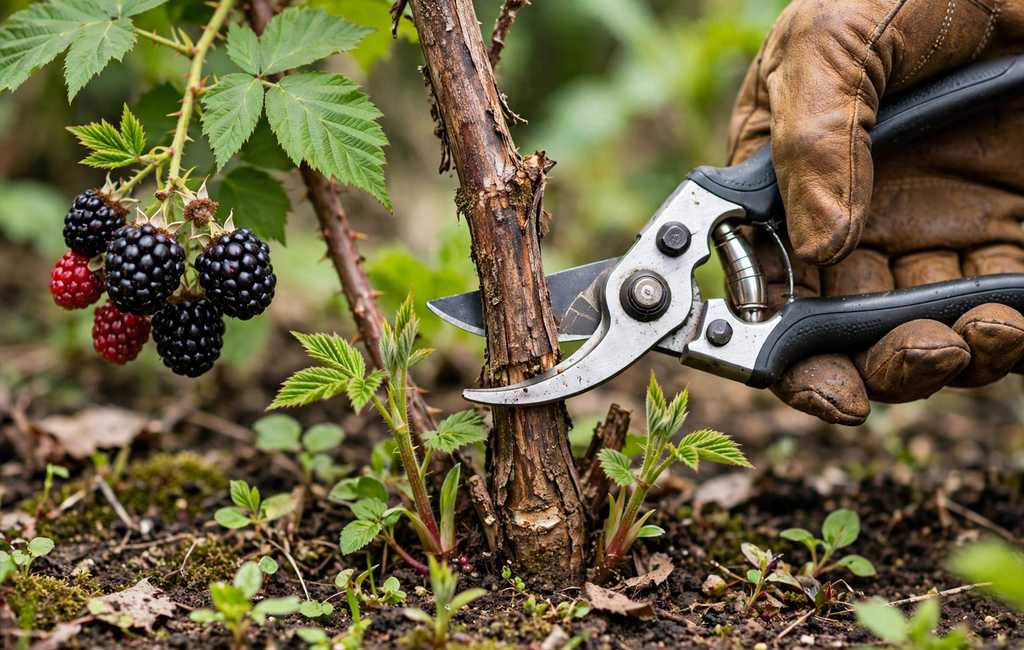
Then you position lopper blades right at ground level, just above the crown. Afterwards, you squeeze firmly and finish the cut in one clean motion. Crucially, you leave no stub, because stubs rot and invite cane disease quickly.
Step 3: Pull Every Cut Cane From the Patch
Immediately, you drag each cut cane out of the row in one piece. For tangled canes, you snip side branches first and free the cane gradually. Later, you stack removed canes away from beds and healthy blackberry plants.
Old wood harbors fungal spores and insect eggs through the dormant months ahead. So you dispose of diseased canes with household waste instead of home compost.
Step 4: Thin Primocanes After You Prune Blackberry Canes
Once old canes leave, you count the primocanes remaining in each plant clump. Generally, you keep the four to six strongest primocanes and remove weak extras now. Then you tie each kept primocane loosely to wires or a sturdy trellis.
Loose ties hold canes upright without cutting into bark as canes thicken later. Similarly, even spacing along the support gives every cane equal light and airflow. Growers prune blackberry canes each harvest and haul the wood away.
A Different Rule for Primocane-Fruiting Types
Primocane-fruiting varieties break this pattern, because they fruit on first-season canes instead. For two crops, you trim only the spent tip and keep the lower cane. Alternatively, you cut every cane to ground level for one fall crop only.
Crucially, you check your variety name before applying the floricane routine to it. When unsure, you keep the cane, since removing live wood costs future fruit. Prune blackberry canes right after harvest while spent wood stays obvious.
Mistakes When You Prune Blackberry Canes After Harvest
Most losses come from cutting green primocanes or leaving spent wood behind accidentally. Fortunately, a slow identification check before each cut prevents both errors reliably. Most growers prune blackberry canes after harvest in one careful session.
- Cutting by color alone: You confirm fruit stems too, because bark shades vary widely.
- Leaving tall stubs: You recut them flush, since dead stubs rot and spread decay inward.
- Rushing the job: You slow down near crowns, because careless blades nick primocane bases easily.
- Pruning wet foliage: You wait for dry weather, because moisture spreads fungal spores between cuts.
Frequently Asked Questions
Should I Remove Blackberry Canes Right After Fruiting?
Yes, you remove spent floricanes promptly after harvest and keep green primocanes untouched.
Do Blackberry Canes Fruit More Than Once?
No, each cane fruits during one season only and then dies back completely.
What Happens If I Cut a Green Primocane by Mistake?
Sadly, that plant loses the berries that cane would have carried next season.
Can I Compost the Canes I Remove After Harvest?
You may compost healthy canes, but you always discard diseased wood separately instead.
How Many Primocanes Should I Keep on Each Plant?
Typically, you keep the strongest four to six primocanes per plant for balanced growth.
Conclusion
In summary, post-harvest pruning really means removing spent floricanes and protecting primocanes. Once you master cane identification, the whole cleanup takes only minutes per plant. Better still, your patch enters dormancy open, tidy, and ready for spring growth.
So grab your loppers today and clear every spent cane from your patch. Then share this workflow with one gardening friend who grows blackberries too.